Skip to content
Contact & Community
📍 Metro Manila, Philippines
🌐 robimotoph.com
✉️ hello@robimotoph.com
📱 +63 917 517 0594
📍 Metro Manila, Philippines
🌐 robimotoph.com
✉️ hello@robimotoph.com
📱 +63 917 517 0594

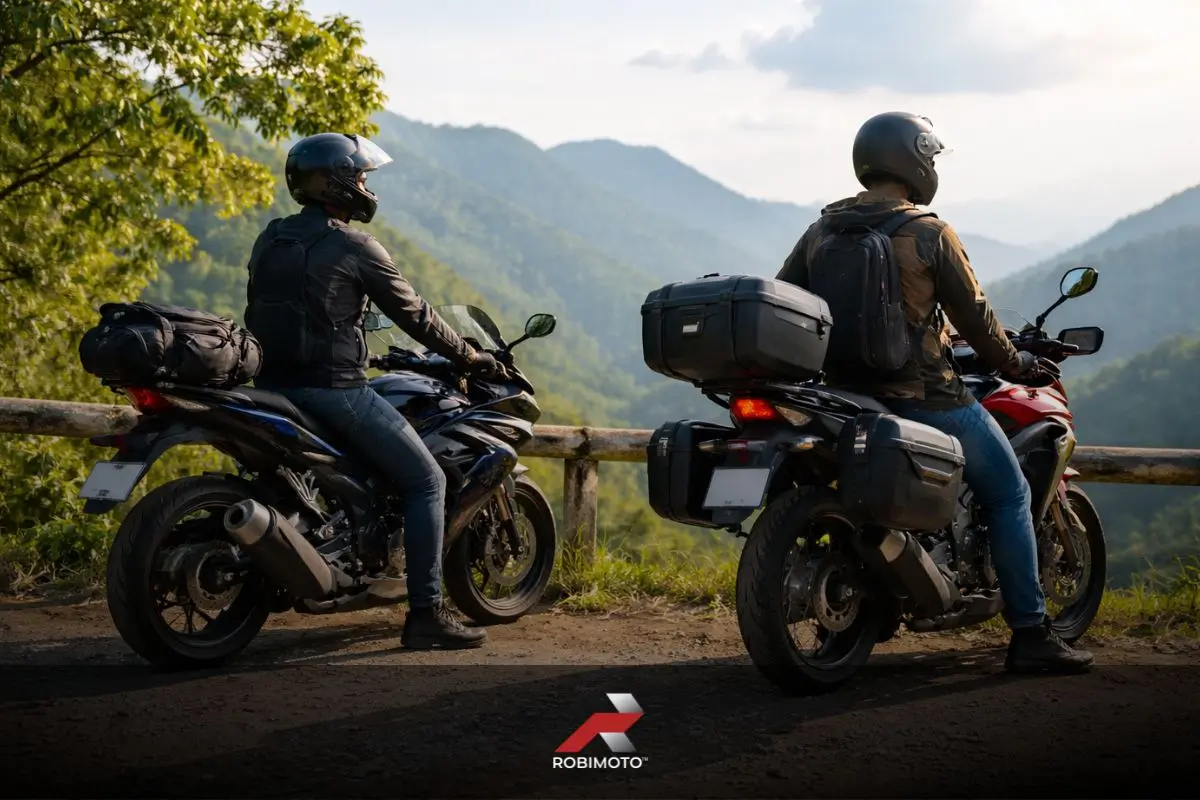
“2026 Holidays” isn’t just a Google Trends term. For Filipino riders, it’s a calendar blueprint for planning rides in traffic, on highways, and up to the mountains or beaches. Filipinos juggle work, traffic, your bike’s maintenance, weather, schedules, and long weekends when figuring out the next ride. This article breaks down how the 2026 holiday calendar affects real rides and how riders prep gear, bikes, and routes to make the most of those breaks without stress.
Many riders think holidays automatically mean good roads and relaxed rides. But the reality on Philippine roads is different. This 2026 Holidays Riding Guide looks at how holiday schedules affect real motorcycle rides, from city traffic to long weekend exits, based on what riders actually experience on the road.
In 2026, there are a bunch of Philippine public holidays spread across the year. Some line up with long weekends and unofficial “rider breaks” that make for decent out-of-town rides. Wikipedia
This article isn’t a hype list of destinations. It’s about how holidays affect riding plans, what riders actually deal with, and how to prep your bike and gear so the breaks feel like breaks, not breakdowns.
In this 2026 Holidays Riding Guide, timing, preparation, and realistic expectations matter more than destinations.
For riders in the Philippines, holidays are time to roll out of the city and onto friendlier pavement or chill routes. The government’s calendar shows standard & special non-working days in 2026 including New Year’s Day, Maundy Thursday, Labor Day, Independence Day, National Heroes Day, and Christmas Day, among others. Wikipedia
Those dates matter for two reasons:
Real riders learn this the hard way: waiting until a long weekend morning to top up chain lube, check tire pressure, or tighten the headlight is a gamble. You want that stuff done before you even think of a holiday ride.
Before a holiday break, check your tire tread and pressure the night before departure. Save yourself a flat tire day in Bulacan or Laguna.
Holidays change traffic patterns but don’t change the roads. Provincial highways still have potholes, rough patches, or unexpected debris. Outbound traffic starts early – around 5 a.m. – and inbound crush hits after 2 p.m. These are facts, not rumors.
Going to Tagaytay, Baguio, or Palawan means ride prep is different:
A one-day ride is about distance you can handle without stress. Two- or three-day weekends are about endurance and sleep plans. Riders often decide at gas stations whether to push farther or call it a day based on how the bike feels and how traffic’s moving.
These distinctions matter more than “best holiday destinations.” Riding is not just a location game. It’s a timing and readiness game.
(Local travel pages list holiday dates and popular locations, but riders need more than a list. They need patterns you feel on the saddle.) Klook Travel
| Holiday / Long Weekend | Common Rider Effect | Practical Prep |
|---|---|---|
| January 1 (New Year) | Heavy morning outbound traffic | Check lights & tires night before |
| April 2 to 3 (Holy Week) | Roads fuller; mountain routes busy | Early start 4 a.m.; oil & chain check |
| May 1 (Labor Day) | Shorter weekend | Plan shorter loop rides only |
| June 12 (Independence Day) | Midyear energy, heat | Hydration, sunscreen on long rides |
| August 31 (Heroes Day) | Long weekend potential | Suspension & brake pad check |
| November 30 (Bonifacio Day) | End-of-year planning starts | Battery health check, cables |
| December 25 (Christmas) | Year-end rides | Early booking for stays; pre-ride inspection |
Numbers above are based on real holiday placements and typical rider patterns seen year to year. Wikipedia
After a few years of holiday riding, patterns emerge:
Over time you notice two types of holiday riders: prepared ones and everyone else. The difference is not skill. It’s routine checks and realistic expectations.
Ride prep should be habitual, not crisis-driven.
(Globally, travel planning for 2026 shows similar patterns: people search trends around breaks and long weekends to plan meaningful trips, but execution still hinges on preparation and timing.) The Traveling Fool
Every ride has three things that matter long term:
Cost
Prep is cheaper than roadside fixes. A worn tire change before a holiday is way less annoying than a roadside flat somewhere inconvenient.
Time
Holiday timing is unpredictable. What looks like a free road at 6 a.m. can be stop-and-go by 9 a.m. Leaving earlier and prepping your bike shave hours off your return.
Impact on Daily Riding
Skipping checks once might seem fine. But holiday stress reveals issues you’ve been ignoring, and you pay the price on crowded roads or around corners where traffic is unpredictable.
The government list includes regular and several special non-working days that spread across the year and create opportunities for long weekends.
If you leave after sunset, visibility drops and rest stops thin out. Try to start before sunrise to avoid peak traffic.
Busy holidays mean lines at gas stations near exit points of cities. Fuel up early.
No. Even small holidays can push traffic out of cities. Always check local conditions and real-time feeds.
Yes. Consistent maintenance keeps breakdowns off your holiday ride.
Routine maintenance preserves bike life and keeps roads safer for all riders.
“2026 Holidays” as a search term reflects curiosity about breaks and travel plans. For riders, it’s about how to use those breaks without turning a fun ride into a traffic battle or roadside hassle. Prep your bike, plan your timing, keep expectations real, and you’ll ride confident — not rushed.
This 2026 Holidays Riding Guide helps riders plan smarter, ride calmer, and avoid common holiday mistakes on Philippine roads.
A comfortable, prepared ride feels better and costs less over time.
DISCLAIMER: RobiMotoPH is a Shopee Affiliate. Some of the links in this article are affiliate links, which means we may earn a small commission if you purchase through them; at no extra cost to you. This helps us keep creating helpful motorcycle content for the community. Ride safe, mga Ka-Robi!