Skip to content
Contact & Community
📍 Metro Manila, Philippines
🌐 robimotoph.com
✉️ hello@robimotoph.com
📱 +63 917 517 0594
📍 Metro Manila, Philippines
🌐 robimotoph.com
✉️ hello@robimotoph.com
📱 +63 917 517 0594

Maintenance & DIY Tips provides practical motorcycle maintenance guides for Filipino riders.
Topics include preventive maintenance, troubleshooting, battery care, brake servicing, chain maintenance, electrical issues, and long-term ownership strategies. Designed for riders who prioritize reliability, safety, and mechanical awareness.

Insurance Guide for Big Bikes PH explains how motorcycle insurance works for 400cc–900cc riders in the Philippines. This in-depth guide breaks down CTPL versus comprehensive coverage, annual premium ranges, deductibles, claims processes, and disaster risk considerations. Learn when insurance makes financial sense, how modifications affect coverage, and how to evaluate insurers properly. Designed for responsible big bike owners, this guide helps riders understand real ownership costs beyond fuel and maintenance. If you want to protect your investment and manage risk strategically, this pillar article provides clear, practical insight without hype.
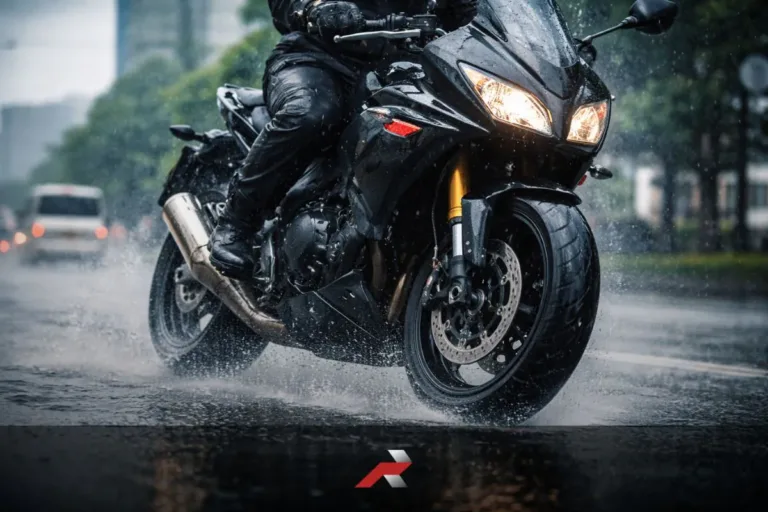
Brake performance in wet roads Philippines conditions changes more than most riders expect. Rain reduces tire grip, increases stopping distance, and affects how brake pads bite against the disc. In daily city commuting, water film, oil residue, and road contamination compound the risk. Understanding how braking force behaves in wet asphalt helps riders adjust technique and choose proper brake pad compounds. This guide explains traction limits, braking distance changes, pad material behavior, and safe control strategies for rainy season riding. Mechanical awareness in wet conditions directly reduces crash risk and long-term maintenance costs.

Annual maintenance budget breakdown Philippines riders should understand before buying or sustaining a big bike. This guide presents a realistic 12-month cost model for 400cc, 650cc, and 900cc motorcycles under Philippine riding conditions. It includes fuel, preventive maintenance services, tire replacement, brake components, chain wear, insurance, registration, gear amortization, and contingency allocation. Built for Filipino riders covering around 10,000 kilometers per year, this article separates showroom excitement from operational responsibility and helps you budget accurately for long-term ownership.
The real cost of owning a big bike in the Philippines goes far beyond the showroom price. This conservative 10,000 km annual breakdown explains fuel expenses, preventive maintenance, tire wear, insurance, registration, and emergency buffers across 400cc, 650cc, and 900cc motorcycles. With realistic Philippine pricing and a 3-year projection table, this guide helps riders understand the true financial commitment behind big bike ownership. Built for serious Filipino riders who want clarity before commitment, not hype before responsibility.
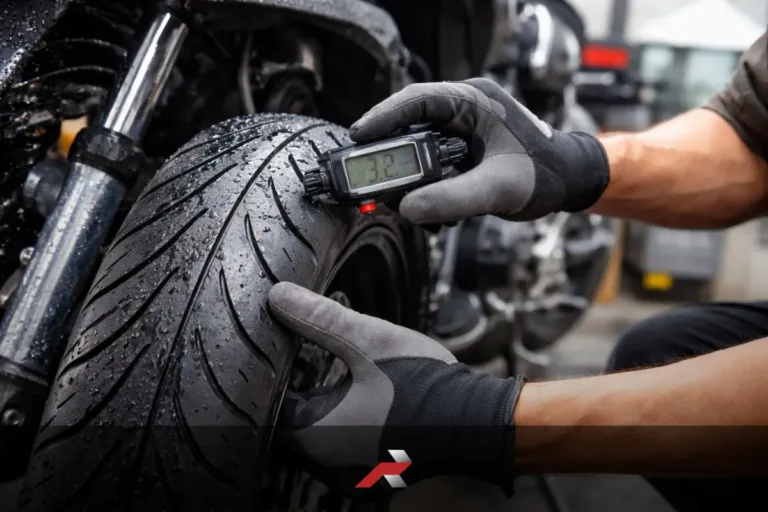
Knowing how to check tire tread depth properly can prevent unpredictable slides during rainy season riding. This guide explains manual inspection methods, proper measuring tools, tread wear indicators, coin tests, and when replacement becomes necessary. Built for Filipino riders preparing for heavy rain, flooded streets, and daily commuting, this article is part of the Rainy Season Series by RobiMotoPH.
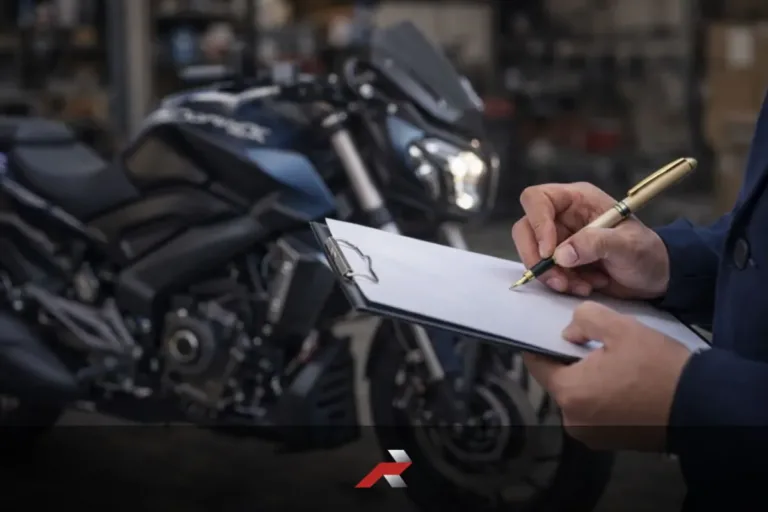
Daily city commuting wear and tear builds quietly through traffic, heat, short trips, and constant braking. Most riders only notice problems when something fails. This checklist breaks down what actually wears out first in real stop and go riding, how to inspect it, and how to prevent expensive downtime. Based on daily road use, not theory, this guide helps you catch small issues before they become repair bills. If you rely on your motorcycle for work or regular travel, these practical checks can protect reliability, reduce costs, and extend the life of critical components.
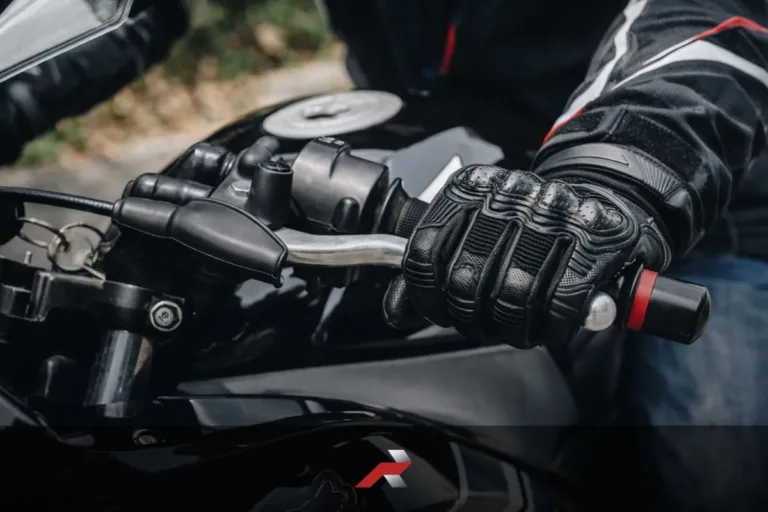
A slipping clutch can sneak up on you. The engine revs climb, but the bike does not move the way it should. It often starts small during hard acceleration or uphill rides, then slowly gets worse. This guide breaks down slipping clutch symptoms, common causes, and practical fixes in simple, rider-spoken language. You will learn what it feels like in daily use, what usually wears out inside the clutch pack, and how to decide between adjustment, repair, or full replacement before it affects reliability and safety.
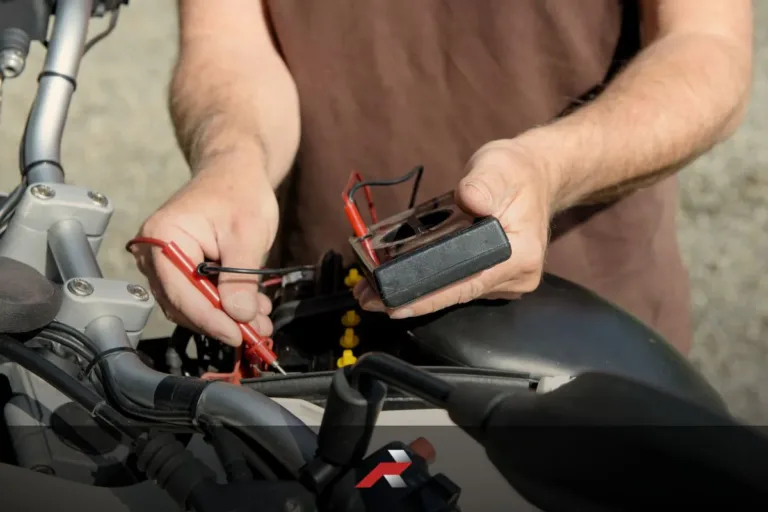
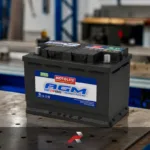
Postponed battery replacement often starts as a small delay. The bike still starts, so you let it pass. Over time, starting becomes slower, lights dim at idle, and the horn sounds weaker. These are early warnings that many riders ignore. A weak battery affects more than ignition. It impacts charging balance, lighting performance, and overall reliability. This guide explains how postponed battery replacement shows up in real riding, what patterns to watch after months of daily use, and how to decide between stretching battery life or replacing it before it leaves you stranded in traffic or late for work.

Weak headlight output is one of those problems riders usually ignore until night riding becomes stressful. The beam looks fine at first, then slowly fades. Street lights start doing the work for you. Road signs appear late. You assume the bulb is old, but the real issue often sits deeper in the system. This guide breaks down how weak headlight output shows up in daily riding, what usually causes it, and which fixes actually hold up over time. The goal is simple. Help you see better at night without guessing, overspending, or creating new electrical problems.
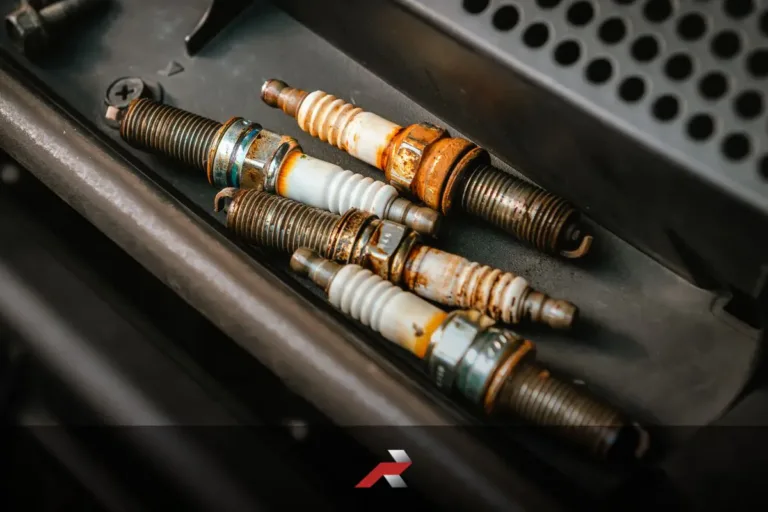
Spark plugs are small parts that quietly take abuse in traffic, heat, and stop-and-go riding. Many riders assume that if the engine still starts, everything is fine. Over time, missed spark plug replacement symptoms begin to show in subtle ways. Fuel use creeps up. Throttle response feels off. Starts take longer, especially in warm conditions. This article explains how those symptoms appear during real riding, not in theory. It focuses on what riders notice on the road, at fuel stops, and during routine service visits. The goal is clarity, not alarm.
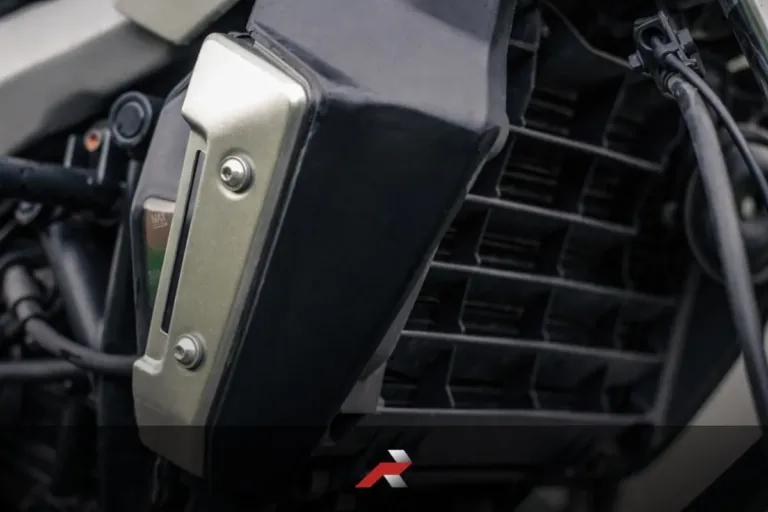
Overheating in traffic often shows up when a ride feels normal at speed but turns stressful once movement slows. Stop-and-go streets, long lights, and heat bouncing off pavement push engines harder than open roads ever do. Many riders assume airflow alone keeps things safe, until warning lights flicker or fans run nonstop. This guide breaks down how engine heat builds during traffic use, what usually causes it, and what habits actually help prevent it. Everything here comes from real riding patterns and workshop outcomes, not theory or scare stories.
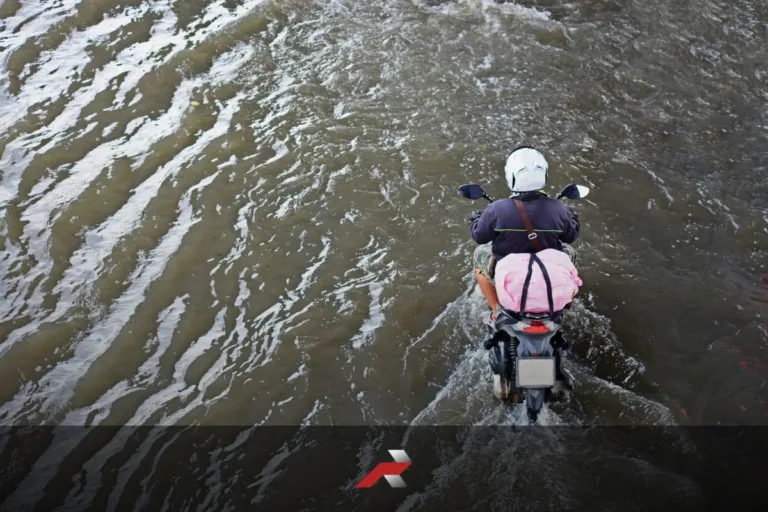
After floodwater recedes, many riders assume a quick wash is enough. In real traffic, that shortcut often leads to rough starts, weak brakes, or rust that shows weeks later. This post-flood riding inspection checklist is built around stop-and-go use, tight streets, and limited service windows. It walks through what to check, what to leave alone, and what needs attention before problems surface. Nothing here is about panic repairs. The goal is clarity. You get a calm, practical way to assess your bike after flood exposure so you can decide what matters now and what can wait.