Skip to content
Contact & Community
📍 Metro Manila, Philippines
🌐 robimotoph.com
✉️ hello@robimotoph.com
📱 +63 917 517 0594
📍 Metro Manila, Philippines
🌐 robimotoph.com
✉️ hello@robimotoph.com
📱 +63 917 517 0594

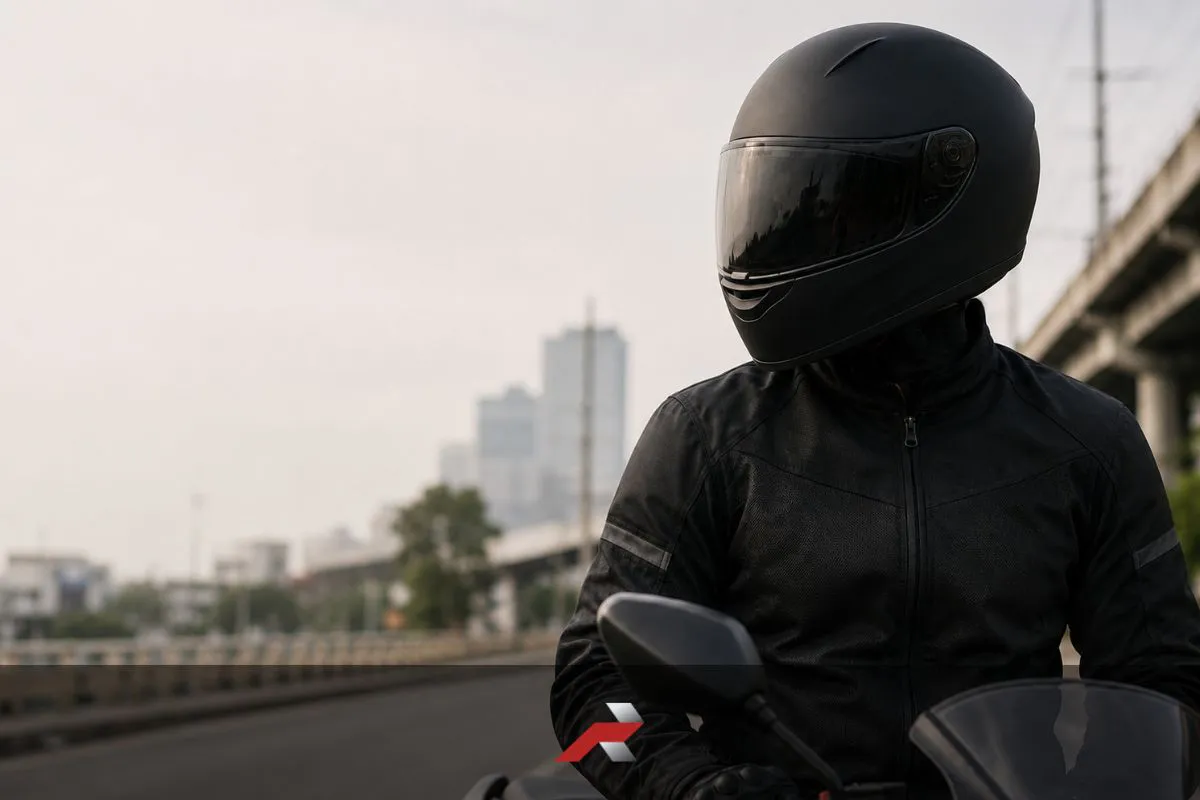
Choosing the right motorcycle helmet in the Philippines is not only about brand, price, or design. It is about protection, comfort, fit, visibility, and real-world riding conditions. This guide helps Filipino riders understand helmet types, safety markings, fit, ventilation, visor choices, rainy-season use, and long-term ownership value. It is written for daily commuters, weekend riders, and big bike owners who want a practical helmet that works in traffic, heat, rain, and long rides without choosing by hype alone.
This Motorcycle Helmet Guide Philippines article helps Filipino riders choose a helmet based on protection, fit, comfort, visibility, weather, and real-world riding conditions.
The best helmet is not always the most expensive one. It is the helmet that protects well, fits correctly, stays comfortable, and works in heat, rain, traffic, and long rides.
For many Filipino riders, helmet buying starts with one simple question: “Maganda ba itsura?” That is normal. Style matters because riders want gear that fits their bike, personality, and daily image.
However, helmet choice should not stop there.
A helmet is the only major protection between your head and the road. It also affects how clearly you see, how tired you feel, how much wind noise you hear, and how confident you are during bad weather.
In Philippine riding, the helmet faces several real-world conditions:
This is why a proper helmet guide matters. Riders who only look at price may miss comfort. Choosing by brand alone can also lead to poor fit. Focusing only on design may ignore visibility, weight, or ventilation.
Helmet choice is also connected to the law. In the Philippines, motorcycle riders and back riders are required to wear standard protective motorcycle helmets while riding on public roads. [1] Helmets sold and used locally should also carry the proper safety marking, such as a PS mark or ICC sticker, depending on whether the helmet is locally made or imported. [2]
For daily riders, the smarter question is not “What is the best helmet?” The better question is: “What helmet fits my riding style, budget, route, and level of exposure?”
That is the purpose of this Motorcycle Helmet Guide Philippines article.
It will help riders compare helmet types, understand basic safety markings, check proper fit, choose visors, manage rain and fog, and decide when a budget helmet is enough or when an upgrade makes more sense.
| Rider Need | Why It Matters | What To Check First |
|---|---|---|
| Daily commute | Heat, traffic, short stops | Fit, ventilation, visor clarity |
| Long ride | Fatigue, wind, noise | Weight, comfort liner, stability |
| Rainy season | Fog, wet visor, low visibility | Pinlock support, clear visor, vents |
| Big bike use | Higher speed, wind pressure | Shell stability, noise control, fit |
| Budget purchase | Cost control | Safety mark, fit, realistic comfort |
🏍️
Rider Insight: A helmet that feels “okay” for five minutes inside a shop may feel heavy, noisy, or hot after one hour in traffic. Fit and comfort should be tested like a real riding decision, not just a mirror check.
A proper helmet choice starts with your riding style, and this Motorcycle Helmet Guide Philippines article uses real riding needs as the starting point. In this Motorcycle Helmet Guide Philippines article, the safest default for most daily riders is a full-face helmet because it gives wider protection for the head, face, and chin. Other helmet types can still work, but only when matched to the right riding condition.
Not every rider needs the same helmet. A daily commuter in Valenzuela traffic, a weekend rider going to Tagaytay, and a big bike rider using expressways face different riding conditions.
That is why helmet type should be based on use, not just design.
For most Filipino riders, these are the common helmet types:
| Helmet Type | Best For | Main Advantage | Main Trade-Off |
|---|---|---|---|
| Full-Face Helmet | Daily rides, long rides, expressways | Better face and chin coverage | Can feel warmer in traffic |
| Modular Helmet | Touring, checkpoints, fuel stops | Flip-up chin bar for convenience | Usually heavier |
| Open-Face Helmet | Short relaxed rides | More airflow | Less face protection |
| Dual-Sport Helmet | ADV, touring, mixed roads | Wider view and sun peak | More wind drag |
| Half-Face Helmet | Very short low-speed use | Light and airy | Lowest practical coverage |
A full-face helmet is usually the best starting point for new riders. It gives better all-around coverage and helps protect against wind, dust, rain, insects, and road debris.
Modular helmets are useful for riders who tour often or make frequent stops. They are practical during fuel stops, checkpoints, and quick conversations. However, the extra mechanism can make them heavier than a normal full-face helmet.
Open-face helmets feel cooler in traffic, but they expose the lower face. This may be fine for slow and short rides, but it becomes a bigger compromise during rain, night rides, or faster roads.
Dual-sport helmets fit riders who pass through mixed conditions. They work well for adventure bikes, provincial roads, rough pavement, and dusty routes. However, the peak visor can catch more wind at higher speed.
🏍️
Rider Insight: Choose your helmet based on your highest-risk ride, not your easiest ride. If you ride daily in traffic and sometimes join long rides, choose a helmet that can handle both.
The main helmet types differ in coverage, comfort, airflow, weight, and real-world use. A full-face helmet gives the strongest all-around choice for most riders. Modular helmets add convenience. Open-face helmets improve airflow but reduce coverage. Dual-sport helmets work best for mixed roads, touring, and adventure-style riding.
For daily use in the Philippines, helmet choice should balance protection and comfort. A helmet that protects well but feels unbearable in traffic may not be used properly. At the same time, a very airy helmet with weak coverage may not be the best choice for unpredictable roads.
The goal is to choose the helmet you can wear consistently, not the one that only looks good in photos.
| Helmet Type | Protection Coverage | Comfort In Traffic | Long Ride Comfort | Best Match |
|---|---|---|---|---|
| Full-face | High | Medium | High | Daily riders and long rides |
| Modular | Medium to high | Medium | Medium to high | Touring and frequent stops |
| Open-face | Medium | High | Medium | Short city rides |
| Dual-sport | High | Medium | Medium | ADV and mixed roads |
A full-face helmet covers the head, face, and chin area. It is the safest default for most daily riders because it gives wider protection in common road situations.
This helmet type makes sense for:
The main downside is heat. During slow traffic, some full-face helmets can feel warm. Better vent design, moisture-friendly liners, and correct size can reduce discomfort.
A modular helmet has a flip-up chin bar. It is helpful for riders who often stop, talk, refuel, or pass checkpoints.
It works well for touring and long rides, especially when convenience matters. However, modular helmets are often heavier than regular full-face helmets. That extra weight may affect neck comfort during long hours.
An open-face helmet feels cooler and easier to wear in traffic. It also makes communication easier during short stops.
The trade-off is lower face protection. Rain, dust, insects, stones, and road debris can hit the face more directly. For short and relaxed city rides, it may feel practical. For daily mixed traffic, the compromise is bigger.
A dual-sport helmet fits adventure bikes, touring setups, and mixed-road riding. It usually has a wider eye port and a peak visor that helps block sun glare.
The downside is wind drag. At higher speeds, the peak can catch wind. This can feel tiring during long expressway stretches.
🏍️
Key Analysis: The more unpredictable your route is, the more valuable coverage becomes. In Philippine riding, heat matters, but rain, dust, buses, trucks, and rough road behavior also matter.
Filipino riders should check for proper helmet safety markings before buying or using a motorcycle helmet. In the Philippines, standard protective motorcycle helmets are required under Republic Act No. 10054. Riders should also check for the PS mark or ICC sticker, depending on whether the helmet is locally made or imported. [1][2]
This part matters because a helmet can look strong but still fail the basic legal and safety requirement. Graphics, spoilers, tinted visors, and brand stickers do not replace proper certification.
For Filipino riders, the first check should be simple:
Republic Act No. 10054 requires all motorcycle riders, including drivers and back riders, to wear standard protective motorcycle helmets while driving on public roads. [1] The LTO also reminded riders that this requirement applies to both the motorcycle driver and passenger. [3]
The PS mark and ICC sticker are both used to show that a motorcycle helmet passed the required product standard process in the Philippines. Based on a report from Top Gear Philippines, helmets with a PS mark are locally made, while helmets with an ICC sticker are imported through proper channels. [2]
| Marking | Usually Applies To | What It Means |
|---|---|---|
| PS Mark | Locally made helmets | Passed Philippine Standard certification |
| ICC Sticker | Imported helmets | Cleared under Import Commodity Clearance |
| No visible mark | Unverified helmet | Higher risk for legal and safety issues |
Most branded helmets sold in shops are imported, so riders usually see the ICC sticker more often than the PS mark. Still, the important part is not which one looks better. The important part is that the helmet has the correct marking and comes from a reliable seller.
Some helmets look premium from far away but may have weak padding, poor straps, unclear visors, or questionable markings. Others may carry fake-looking stickers or unclear labels. When in doubt, buy from a trusted shop and ask for product details.
This is especially important for online buyers. A cheap helmet may look good in photos, but the actual shell, liner, strap, and visor quality can feel very different in person.
🏍️
Rider Insight: If the price looks too good and the seller cannot clearly show the safety marking, treat it as a warning sign. A helmet should protect your head, not just complete your outfit.
Helmet choice in the Philippines should account for heat, rain, traffic, dust, road debris, and long ride fatigue. This Motorcycle Helmet Guide Philippines article treats helmet buying as a real riding decision, not just a style choice. The helmet should match the rider’s daily route, weather exposure, and riding frequency.
Many riders buy helmets based on price or design first. That is understandable, but Philippine roads expose helmets to more than just normal riding.
A short city ride can still include sudden rain, road dust, smoke, potholes, buses, trucks, and stop-and-go traffic. A helmet that feels comfortable inside an air-conditioned shop may feel very different after 45 minutes under afternoon heat.
For daily riders, these conditions matter:
| Riding Condition | Helmet Feature That Helps | Why It Matters |
|---|---|---|
| Heavy traffic | Good ventilation | Reduces heat buildup |
| Sudden rain | Clear visor and anti-fog support | Improves visibility |
| Long rides | Lighter shell and soft liner | Reduces fatigue |
| Dusty roads | Full-face coverage | Protects eyes and face |
| Night rides | Clear visor | Helps maintain visibility |
| Expressway riding | Stable shell design | Reduces wind pressure |
A rider who only uses short city routes may prioritize airflow and convenience. A rider who joins weekend rides may need better wind protection, visor clarity, and long-hour comfort.
This is where your helmet budget should match your real exposure. Riders comparing price tiers can read this budget vs premium helmet guide to understand when paying more makes sense.
For riders who are still trying to stay practical, this affordable helmet list can help compare budget-friendly options without choosing blindly.
A daily office rider may ride 30 to 60 minutes through traffic. The biggest concerns are heat, sweat, visor fog, and comfort during slow movement.
For this rider, a full-face helmet with good vents and a clear visor is often more useful than a flashy design.
A weekend rider may spend several hours on open roads. Wind noise, weight, visor quality, and neck fatigue become more noticeable.
For this rider, comfort over time matters more than short-term looks. A helmet that feels light and stable may reduce fatigue during longer rides.
🏍️
Key Analysis: Philippine riding is not one condition. It is traffic, heat, rain, dust, and sudden road changes mixed together. A good helmet should protect the rider during the worst part of the ride, not only during the easiest part.
A motorcycle helmet should feel snug around the head, cheeks, and jaw without creating sharp pressure points. It should not move freely when the rider shakes their head. A correct fit improves protection, comfort, visibility, and confidence during daily rides, especially in traffic, rain, and long-distance travel.
Helmet fit is one of the most overlooked parts of buying riding gear. Some riders choose one size larger because it feels more comfortable in the shop. That may feel good for a few minutes, but it can become risky on the road.
A loose helmet can shift while riding. It may move during strong wind, sudden braking, or quick head checks. It can also make the visor position unstable, which affects visibility.
A tight helmet is not good either. If it creates pain on the forehead, temples, or jaw, the rider may avoid using it properly. Some discomfort from new padding is normal, but sharp pain is a warning sign.
| Fit Check | Good Sign | Warning Sign |
|---|---|---|
| Forehead area | Firm but not painful | Sharp pressure |
| Cheeks | Slightly compressed | Loose or floating |
| Chin strap | Secure under the chin | Too loose or choking |
| Head movement | Helmet stays stable | Helmet slides around |
| Vision | Clear and centered | Eye port feels misaligned |
A new helmet may feel slightly tight at first because the liner still needs to settle. However, it should not cause headache-level pressure. After several rides, the padding usually softens a little.
After wearing the helmet, fasten the strap and gently move your head left, right, up, and down. The helmet should move with your head, not independently from it.
If the helmet slides too easily, it is likely too large. If it presses painfully on one area, the shell shape may not match your head shape.
Poor helmet fit becomes more obvious during real rides. In rain, a loose helmet can let more water enter near the visor or neck area. During long rides, an uncomfortable helmet can turn into neck strain, pressure pain, or distraction.
For riders dealing with rainy-season visibility issues, this helmet anti-fog guide explains why visor clarity matters when humidity, rain, and traffic combine.
Riders who already use a full-face or dual-sport helmet can also review this helmet ventilation guide to understand how airflow affects comfort and fog control.
🏍️
Rider Insight: A helmet should feel secure before it feels stylish. If it looks good but moves too much, it is not the right helmet for serious daily use.
A motorcycle helmet visor affects visibility, comfort, and safety more than many riders realize. For daily riding in the Philippines, a clear visor is the safest all-around choice because it works better across day, night, rain, tunnels, and low-light traffic conditions. Tinted visors can help in sunlight, but they have limits.
Many riders upgrade their visor for style. Smoked, iridium, and dark visors look clean, especially on sport bikes and big bikes. But daily riding is not always under perfect sunlight.
A normal commute can start in daylight and end at night. It can also include sudden rain, dark underpasses, poor street lighting, and glare from oncoming headlights.
That is why visor choice should be practical before stylish.
| Visor Type | Best Use | Main Advantage | Main Risk |
|---|---|---|---|
| Clear visor | Daily riding, night rides, rain | Best all-around visibility | More glare in strong sunlight |
| Light smoke visor | Day rides | Reduces brightness | Less useful at night |
| Dark smoke visor | Bright daytime rides | Strong sun protection | Poor low-light visibility |
| Iridium visor | Style and bright sun | Reduces glare and looks premium | Can be difficult in rain or night |
| Photochromic visor | Mixed light conditions | Adjusts to light changes | Usually more expensive |
For most Filipino riders, a clear visor should remain the default. If you want a tinted visor, treat it as a daytime option, not your only visor.
Riders comparing clear and smoked visors can use this visor comparison guide for a more focused breakdown.
During rainy rides, visibility becomes harder because of fog, water droplets, glare, and reflection from wet roads. Even a good helmet can feel unsafe if the visor is unclear.
A clear visor with anti-fog support is more useful than a dark visor during bad weather. This matters for riders who commute early, ride home late, or pass through areas with weak lighting.
For this reason, rainy-season riders should also understand anti-fog options. This anti-fog helmet guide explains how humid Philippine weather affects visibility.
🏍️
Key Analysis: A stylish visor can improve the look of the helmet, but a clear visor protects your decision-making. On public roads, visibility is not an accessory. It is part of rider survival.
A motorcycle helmet budget should match your riding exposure, not only your wallet. In the Philippines, daily riders should prioritize certified protection, proper fit, visor clarity, ventilation, and comfort before graphics or brand hype. A more expensive helmet is not always necessary, but a very cheap helmet can become costly if it compromises protection or usability.
Helmet price can be confusing, which is why this Motorcycle Helmet Guide Philippines article looks at budget through real riding exposure, not brand hype. The right choice depends on how often you ride, where you ride, and how long you keep the helmet on.
A rider who uses a motorcycle once a week has different needs from a daily commuter who rides through heat, rain, and traffic almost every day.
| Budget Level | Best For | What To Prioritize |
|---|---|---|
| Entry-level | Short rides, beginner riders | Safety marking, fit, strap quality |
| Mid-range | Daily riders, weekend riders | Comfort, ventilation, visor quality |
| Premium | Long rides, big bikes, touring | Lighter shell, noise control, liner quality |
Budget does not only buy safety. It can also buy better comfort, lower weight, better visor sealing, easier spare parts, and better long-term usability.
That matters because riders are more likely to wear a helmet properly when it feels comfortable for real use.
For riders still building their gear setup, this budget-friendly helmet guide can help set realistic expectations before buying. Riders comparing actual options can also check this affordable helmet list as a practical starting point.
A helmet upgrade makes sense when your riding exposure increases. This can happen when you start commuting daily, joining longer rides, using faster roads, or riding during rainy season.
You may need a better helmet if:
Product reviews are useful when they show real ownership context, not just product photos. For example, riders looking at a dual-sport setup can read this HJC DS X1 review as one possible reference point.
Beginners who want a basic full-face option can also use this HJC CS-15 review to understand what an entry-level branded helmet can offer.
🏍️
Key Analysis: The better helmet is not always the most expensive one. The better helmet is the one that fits correctly, protects properly, works in your riding conditions, and remains comfortable enough to use every ride.
In this Motorcycle Helmet Guide Philippines article, helmet replacement should be considered when the helmet has been involved in a crash, shows visible damage, fits loosely, has worn-out padding, or no longer feels secure during real rides. Even if the shell looks fine, impact, age, heat, sweat, and daily use can reduce its long-term reliability.
Many riders only replace a helmet when it looks old. That is not enough.
A helmet can still look decent outside while the liner, strap, visor mechanism, or inner padding already feels tired. In daily Philippine use, helmets deal with heat, sweat, humidity, dust, rain, and storage inside top boxes or under motorcycle seats.
Those conditions can affect comfort and fit over time.
| Warning Sign | What It May Mean | Why It Matters |
|---|---|---|
| Helmet feels loose | Padding has compressed | Less stable during rides |
| Strap is frayed | Retention system is worn | Lower security |
| Shell has cracks | Possible structural damage | Higher risk during impact |
| Visor lock is weak | Mechanism is worn | Poor visibility control |
| Liner smells bad or breaks down | Heavy use and sweat buildup | Lower comfort and hygiene |
| Helmet dropped hard | Possible hidden damage | Worth checking carefully |
A helmet used daily will naturally age faster than one used only during weekend rides. Riders who commute every day may notice worn cheek pads, loose fit, or weaker visor seals earlier.
If the helmet hits the ground during a crash, replacement is the safer choice. The helmet may absorb impact even if the outside shell does not show dramatic damage.
This is important because helmets are designed to manage impact. Once that protection has been used, the helmet may no longer perform the same way.
Do not treat a crashed helmet like a scratched fairing. Fairings can be repainted. Helmet protection is different.
Bad storage can shorten helmet life. Leaving a helmet under direct sun, inside a hot top box for long periods, or in damp areas can affect the liner, foam, and strap.
Better habits include:
🏍️
Rider Insight: A helmet is not just bought once and forgotten. It is riding gear that ages with every commute, every rainy ride, and every long trip.
A good helmet purchase can go wrong when riders choose by looks, size guesswork, fake discounts, dark visors, or brand hype alone. This Motorcycle Helmet Guide Philippines article recommends buying based on fit, safety marking, comfort, visibility, and riding use first. Style should support the decision, not control it.
Many helmet mistakes happen before the first ride. The rider sees a clean design, checks the price, asks if the size is available, and buys quickly.
That shortcut can work sometimes. But for daily riding, it can also lead to discomfort, poor visibility, weak fit, or regret after only a few weeks.
Some riders choose a larger helmet because it feels more comfortable in the shop. The problem is that helmet padding naturally softens over time.
A helmet that already feels loose on day one may become unstable after regular use.
Better approach:
Dark visors look good, but they are not ideal for every ride. Rain, night rides, tunnels, and weak street lighting can reduce visibility fast.
A clear visor is still the better all-around choice for most Filipino riders.
If a rider wants a smoked visor, it is better to keep a clear visor available for night or rainy rides.
Before buying, check if replacement visors, liners, cheek pads, and screws are available. A helmet may feel affordable at first, but it becomes inconvenient when basic parts are hard to find.
This matters for riders who use their helmet daily. Visors scratch, liners wear out, and cheek pads lose shape over time.
A higher price does not automatically mean the helmet fits your head. A lower price does not automatically mean the helmet is useless.
The real question is whether the helmet is certified, secure, comfortable, and suitable for your route.
| Buying Mistake | Possible Result | Better Decision |
|---|---|---|
| Buying too large | Helmet shifts while riding | Test fit properly |
| Choosing dark visor only | Poor night or rain visibility | Keep clear visor available |
| Ignoring spare parts | Harder long-term ownership | Check parts availability |
| Buying by graphics | Poor comfort or fit | Prioritize use first |
| Chasing fake discounts | Risky quality or source | Buy from trusted sellers |
🏍️
Rider Insight: A helmet is not a fashion-only purchase. It becomes part of your riding habits, safety margin, and daily comfort. Choose the helmet you can trust when the ride becomes inconvenient.
A full-face helmet is usually the safest choice because it protects the head, face, and chin while shielding riders from wind, rain, dust, and debris.
For safety, yes. Full-face helmets provide more coverage, especially around the chin and face, while open-face helmets leave these areas exposed.
Yes. Modular helmets are convenient during stops because the chin bar flips up, but they are often heavier than full-face models.
A clear visor is the most practical for daily use since it works in day, night, and rainy conditions. Smoked visors are best reserved for bright sunlight.
It should feel snug without causing pain. The helmet should not move excessively when you shake your head, and the chin strap must stay secure.
Replace it after a crash or when you notice damage, loose fitting, worn padding, weak straps, or visor problems.
No. A properly fitting helmet with recognized safety certification is more important than a premium price tag.
Verify the safety certification, size chart, seller reputation, return policy, visor type, and customer reviews before purchasing.
Yes. The advice applies to both small-displacement and big bike riders, especially those who travel longer distances or ride at higher speeds.
A motorcycle helmet should match how and where you actually ride. This Motorcycle Helmet Guide Philippines article is not about chasing the most expensive brand or the loudest design. It is about choosing a helmet that protects well, fits correctly, stays comfortable, and works in Philippine traffic, rain, heat, and long rides.
For most riders, the safest starting point is a proper full-face helmet with the right safety marking, secure fit, clear visor, and reliable comfort. From there, riders can decide if a modular, dual-sport, or open-face helmet fits their route and riding style.
The smarter choice is simple: buy for the ride you actually face, not only for the photo you want to post.
A good helmet should help you ride with clearer vision, better focus, and more confidence. Style matters, but protection should lead. Sa daan, hindi porma ang unang sasalo. Helmet muna.
[1] Lawphil. “Republic Act No. 10054.” https://lawphil.net/statutes/repacts/ra2010/ra_10054_2010.html
[2] Top Gear Philippines. “What You Need to Know About Motorcycle Helmet Guidelines and Standards in the Philippines.” https://www.topgear.com.ph/features/feature-articles/motorcycle-helmets-guidelines-standards-ph-a3853-20220513-lfrm
[3] Land Transportation Office. “Republic Act No. 10054 o ang Motorcycle Helmet Act of 2009.” https://lto.gov.ph/news/republic-act-no-10054-o-ang-motorcycle-helmet-of-2009/