Skip to content
Contact & Community
📍 Metro Manila, Philippines
🌐 robimotoph.com
✉️ hello@robimotoph.com
📱 +63 917 517 0594
📍 Metro Manila, Philippines
🌐 robimotoph.com
✉️ hello@robimotoph.com
📱 +63 917 517 0594

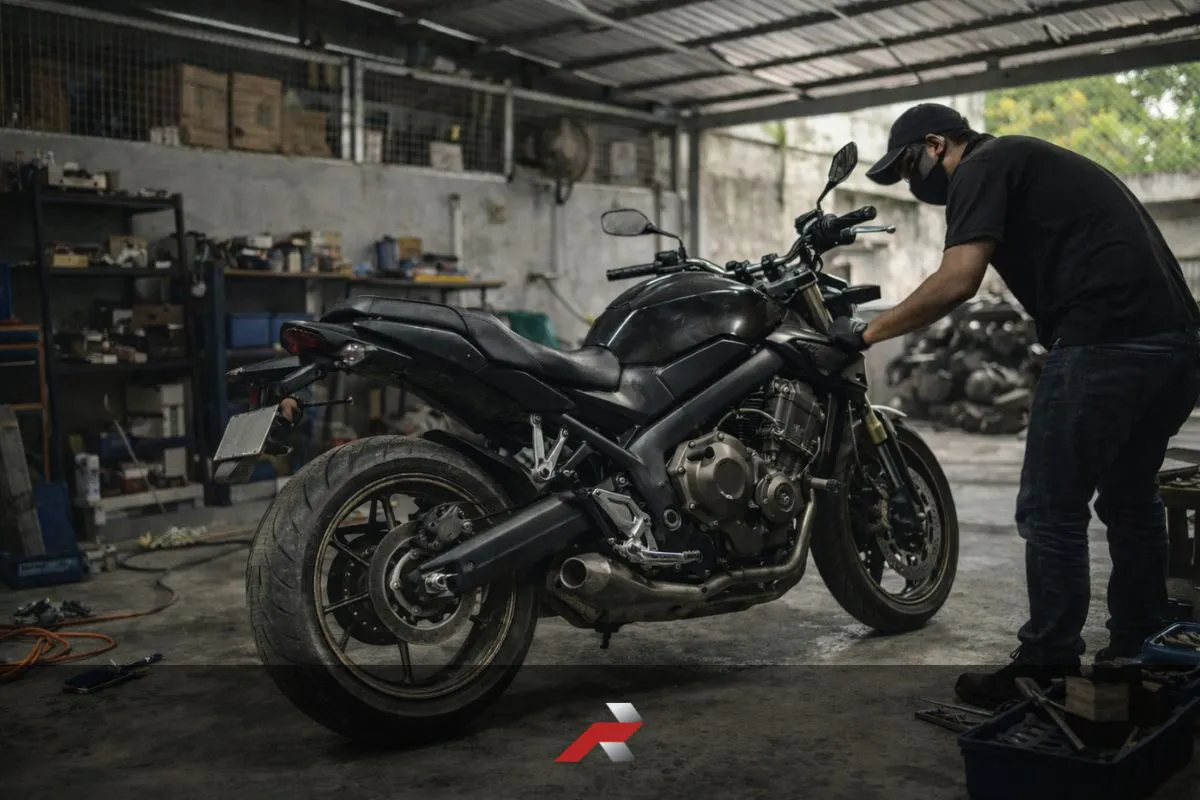
Owning a big bike in the Philippines requires a different maintenance approach compared to colder countries. Heat, humidity, traffic, and flooded roads all affect engine oil, chain life, brakes, and electrical components. This guide explains the big bike maintenance schedule for tropical climate Philippines, including service intervals, preventive maintenance, and real-world riding conditions. Whether you ride daily or on weekends, following the correct maintenance schedule will help extend engine life, improve safety, and reduce unexpected repair costs. This evergreen guide is designed for Filipino riders who want their motorcycles to stay reliable, efficient, and ready for long rides.
Owning a big bike in the Philippines is very different from owning one in countries with cooler weather and smoother roads. Heat, humidity, traffic, dust, and flooded streets all affect how motorcycles wear out. Because of this, riders should not blindly follow foreign maintenance intervals. You need a big bike maintenance schedule tropical climate philippines that matches local riding conditions.
Many big bikes in the Philippines are used for daily commuting, weekend rides, and long provincial trips. That means the engine experiences heavy traffic, high temperatures, and sudden weather changes. These conditions are considered severe use, and severe use always requires shorter maintenance intervals.
If you follow the correct maintenance schedule, your motorcycle will last longer, perform better, and avoid expensive repairs. Preventive maintenance is always cheaper than replacing major parts.
High temperature breaks down engine oil faster. Humidity can cause rust and electrical issues. Flooded roads affect chains, brakes, and wheel bearings. Because of these conditions, maintenance intervals in the Philippines should be shorter compared to colder countries.
A big bike is not cheap. Proper maintenance protects the engine, electrical system, and overall reliability. A good maintenance schedule is one of the smartest things a big bike owner can follow.
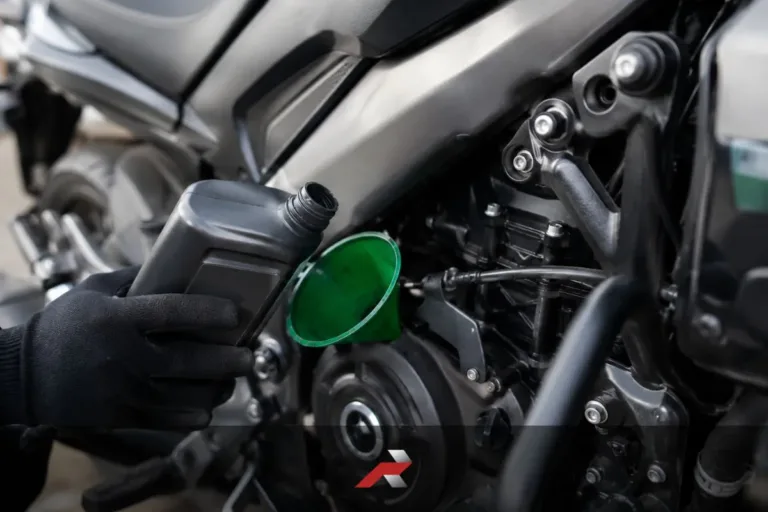
Engine oil is the most important part of any motorcycle maintenance schedule. In the Philippines, oil breaks down faster because of heat and traffic. Even if your manual says longer intervals, tropical riding conditions usually require earlier oil changes.
Many riders only look at mileage. That is not enough. Time, traffic, and riding style also affect oil life. If you ride daily in traffic, your oil wears out faster than someone riding long highway distances.
For most big bikes used in the Philippines, a safe oil change interval is between 3,000 km and 4,000 km for daily riding. Weekend bikes can extend to around 5,000 km depending on oil type and riding conditions.
Oil is cheaper than engine repair. Extending oil change intervals too much can cause engine wear, overheating, and poor performance.
Some riders skip oil changes because the engine still feels okay. That is risky. If you want to understand the warning signs, read Skipped Oil Change Symptoms: Real Signs Filipino Riders Often Miss so you can identify problems early before engine damage happens.
Oil filters should normally be replaced every other oil change, but in dusty environments like Metro Manila or provincial roads, replacing the oil filter every oil change is safer.
Air filters also get dirty faster in the Philippines because of dust, pollution, and road construction. A dirty air filter reduces fuel efficiency and engine performance.
A good interval for air filter cleaning is every 5,000 km, while replacement is usually around 10,000 km to 12,000 km depending on riding environment.
Basic service usually includes engine oil, oil filter, air filter inspection, chain cleaning, and brake inspection. For most big bikes in tropical climates, a basic service every 3,000 km to 4,000 km is a safe and practical maintenance interval.
Following a consistent schedule is more important than waiting for something to break. Maintenance should always be planned, not reactive.
Brakes and tires are safety components. They wear out slowly, so many riders forget to check them regularly. A proper big bike maintenance schedule tropical climate philippines should always include brake and tire inspections because wet roads, heat, and traffic increase wear faster than expected.
Do not wait for noise or vibration before checking these parts. By the time you hear something, the parts are already worn.
Brake pads should be inspected every 3,000 km to 5,000 km. Heavy traffic riding wears pads faster than highway riding. Brake fluid should be replaced every 1 to 2 years because it absorbs moisture over time, especially in humid environments like the Philippines.
Tires wear faster on hot concrete roads. Always check tire pressure every week if you ride daily. Incorrect tire pressure causes uneven wear and poor handling.
Tire tread should be checked regularly, especially before long rides. Wet roads require good tread depth for proper grip and water evacuation.
Before long rides, always check tire pressure, brake feel, chain slack, lights, and coolant level. A quick five-minute inspection can prevent breakdowns and accidents during long-distance rides.
The chain and sprockets wear faster in the Philippines compared to countries with dry weather and clean roads. Rain, dust, sand, and flooded streets all reduce chain life. This is why drivetrain maintenance is very important in any big bike maintenance schedule.
Many riders only lubricate the chain when it becomes noisy. That is already late. Proper chain maintenance should be done regularly, not only when problems appear.
For daily riders, chain lubrication should be done every 500 km to 700 km. If you ride in the rain or pass through flooded roads, the chain should be cleaned and lubricated immediately after the ride.
Water removes chain lubricant and causes rust. Rust shortens chain and sprocket life quickly. Cleaning the chain regularly helps prevent stiff links, noise, and uneven wear.
If you want a detailed guide for wet conditions, read Chain Care During Rainy Season in the Philippines: Complete Big Bike Maintenance Guide for Wet Roads and Humid Climate because rainy season maintenance is very different from dry season riding.
Chain slack should be checked every 1,000 km or before long rides. A chain that is too tight can damage sprockets and the output shaft bearing. A chain that is too loose can jump or cause uneven wear.
Wheel alignment also affects chain wear. If the rear wheel is misaligned, the chain and sprockets will wear faster even if you lubricate regularly.
Most big bike chains last between 20,000 km and 30,000 km depending on maintenance and riding conditions. Sprockets should always be replaced together with the chain to avoid uneven wear.
Replacing only the chain or only the sprocket is not recommended because old sprockets will quickly damage a new chain.
Drivetrain maintenance may look simple, but ignoring it can lead to expensive repairs. Regular cleaning, lubrication, and inspection will extend the life of your chain and sprockets significantly.
Modern big bikes rely heavily on cooling systems and electrical components. Overheating and electrical problems are common issues in tropical countries because of traffic, heat, and humidity. A proper big bike maintenance schedule tropical climate philippines should always include cooling system and electrical inspections.
Ignoring these systems can lead to overheating, starting problems, and unexpected breakdowns.
Coolant should normally be replaced every 2 years, but in tropical climates, checking coolant level and condition regularly is very important. Low coolant can cause overheating, especially in heavy traffic where airflow is limited.
Radiator fans, hoses, and coolant reservoir should also be inspected regularly for leaks or cracks. Overheating problems usually start from small coolant leaks that riders do not notice immediately.
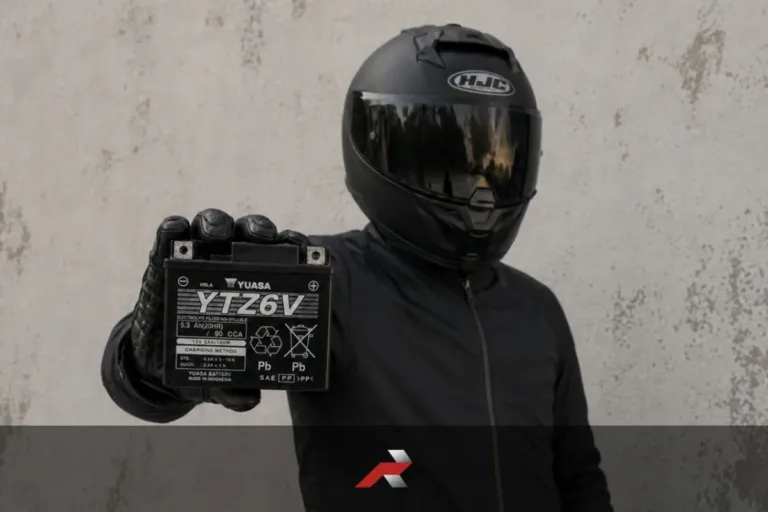
Motorcycle batteries in hot climates usually last around 2 to 3 years. Heat shortens battery life. If your bike is hard to start in the morning, the battery may already be weak.
Electrical connections should also be checked for corrosion, especially if the motorcycle is exposed to rain frequently. Preventive inspection helps avoid sudden electrical failure during rides.
A maintenance schedule is easier to follow when everything is summarized in one table. This helps riders remember service intervals and plan maintenance ahead of time. A structured schedule also helps new big bike owners understand what to check and when to do it.
| Maintenance Item | Recommended Interval | Notes |
|---|---|---|
| Engine Oil | 3,000 – 4,000 km | Shorter interval for daily traffic riding |
| Oil Filter | Every oil change | Replace more often in dusty conditions |
| Air Filter Cleaning | Every 5,000 km | Dust and pollution affect airflow |
| Air Filter Replacement | 10,000 – 12,000 km | Depends on riding environment |
| Chain Lubrication | Every 500 – 700 km | Immediately after rain rides |
| Chain Cleaning | Every 1,000 km | More often during rainy season |
| Brake Pads Inspection | Every 3,000 – 5,000 km | Heavy traffic wears pads faster |
| Coolant | Every 2 years | Check level regularly |
| Brake Fluid | Every 1 – 2 years | Absorbs moisture over time |
| Battery | Replace every 2 – 3 years | Heat shortens battery life |
| Tires | Replace 15,000 – 25,000 km | Depends on tire type and riding style |
This table serves as a general guide for tropical riding conditions in the Philippines.
Following a maintenance schedule reduces the chance of engine damage, overheating, brake failure, and electrical problems. Preventive maintenance always costs less than major repairs and helps keep your motorcycle reliable for daily use and long rides.
Electrical problems are one of the most common issues for big bikes in the Philippines. Heat, rain, humidity, and traffic all affect the battery and electrical system. This is why electrical inspection should always be part of a big bike maintenance schedule tropical climate philippines, not only when the motorcycle refuses to start.
Many riders only think about the battery when the bike cannot start anymore. Preventive inspection can avoid this situation completely.
Motorcycle batteries usually last longer in colder countries. In the Philippines, battery life is shorter because heat accelerates chemical wear inside the battery. On average, motorcycle batteries last around 2 to 3 years depending on usage and charging system condition.
If you ride daily, your battery may last longer because it is always charged. Weekend bikes sometimes experience battery drain because the bike is not used regularly.
If you are planning to replace your battery, it is helpful to read Motorcycle Battery Brands Comparison PH: Best AGM and Lead Acid Options for Filipino Riders so you can choose the right battery type for Philippine riding conditions.
Electrical problems usually start slowly. Headlights become dim, horn becomes weak, and starting becomes harder in the morning. These are early warning signs of battery or charging system problems.
Ignoring these signs can lead to sudden breakdowns where the motorcycle cannot start anymore.
The battery is not always the problem. Sometimes the charging system is the issue. The stator, regulator rectifier, and wiring should be inspected if the battery keeps draining even after replacement.
Loose connections, corroded terminals, and exposed wiring are common problems in motorcycles that are frequently exposed to rain. Preventive inspection once or twice a year can prevent major electrical problems later.
Electrical maintenance is often ignored, but it is very important for reliability. A motorcycle with a healthy electrical system is easier to start, safer to ride, and less likely to break down unexpectedly.
Not all maintenance should be based on mileage. Some checks should be done monthly or before long rides. This habit alone can prevent many common motorcycle problems.
Many experienced riders develop a simple inspection routine before riding. It only takes a few minutes but can prevent breakdowns and accidents.
Start with tire pressure. Incorrect tire pressure affects handling, braking, and tire wear. Check for visible damage, nails, or cracks on the tire surface.
Check the brakes next. Make sure the brake lever and pedal feel normal. If the lever feels too soft, brake fluid may be low or there may be air in the system.
Look at the chain condition. Check chain slack and lubrication. A dry chain wears faster and creates unnecessary vibration.
Check lights, horn, and signal lights. Electrical issues often start with small failures like busted bulbs or weak horn.
Finally, check for leaks under the motorcycle. Oil, coolant, or brake fluid leaks should never be ignored.
A five-minute inspection before riding can prevent expensive repairs and dangerous situations on the road.
Owning a big bike is not only about riding. Long-term ownership requires planning, budgeting, and proper scheduling. Many riders focus only on engine oil and forget other components that wear out over time. A proper big bike maintenance schedule tropical climate philippines should include long-term maintenance planning, not just monthly or yearly maintenance.
Maintenance should be predictable. Repairs should not be a surprise.
Instead of waiting for parts to fail, plan replacements based on mileage and time. Tires, brake pads, chain sets, coolant, and brake fluid all have predictable lifespans. Planning replacements helps avoid sudden expenses and unexpected breakdowns.
Many experienced riders keep a maintenance log. They record oil changes, tire replacements, and parts replacements. This makes it easier to track maintenance intervals and future expenses.
For a general maintenance checklist, you can read motorcycle maintenance checklist from Motorcycle News, which provides a good overview of standard maintenance items that riders should monitor regularly.
Big bike maintenance is not only about service intervals. It is also about budgeting. Tires, brake pads, chains, sprockets, and batteries are wear items. These parts will be replaced regularly during ownership.
If you prepare a maintenance budget every year, maintenance will feel planned instead of expensive. Many riders think big bike ownership is expensive because they do not plan maintenance costs in advance.
Reliable motorcycles are usually owned by riders who follow maintenance schedules strictly. Unreliable motorcycles are usually poorly maintained motorcycles.
Maintenance discipline is one of the biggest differences between problem-free motorcycles and motorcycles that constantly break down. If you follow a proper maintenance schedule, your motorcycle can last many years with minimal major repairs.
Many big bike problems are not caused by bad motorcycles. They are caused by poor maintenance habits. Understanding common mistakes can help owners avoid expensive repairs and unreliable motorcycles.
One of the biggest mistakes is following maintenance intervals designed for Europe, Japan, or the US. Those countries have cooler weather, cleaner roads, and less traffic. Philippine riding conditions are more demanding, so maintenance should be done more frequently.
Small problems become big problems when ignored. A small oil leak, loose chain, weak battery, or worn brake pads may not seem urgent. Over time, these small issues can cause major repairs or dangerous situations on the road.
Some riders only maintain their motorcycles when something breaks. This is the most expensive way to own a motorcycle. Preventive maintenance is always cheaper than repair.
Good maintenance habits are not complicated. They only require consistency and discipline. Riders who follow maintenance schedules usually experience fewer breakdowns and lower long-term ownership costs.
Maintenance is not only about schedules and intervals. It is also about mindset. Riders who treat maintenance as part of ownership usually experience fewer problems and lower long-term costs. Motorcycles that are maintained regularly are more reliable, safer, and easier to sell in the future.
Preventive maintenance is a habit. Once it becomes part of your routine, ownership becomes easier and less stressful.
Regular inspection helps riders detect problems early. Oil leaks, worn brake pads, loose bolts, and electrical issues usually start small. Early detection prevents expensive repairs later. Many experienced riders perform quick inspections every week even if the motorcycle feels normal.
If you want a practical checklist that riders can follow, you can read motorcycle maintenance tasks checklist from Top Gear Philippines, which explains simple maintenance tasks that riders can do regularly to keep their motorcycles in good condition.
Keeping maintenance records is very helpful for long-term ownership. Record oil changes, tire replacements, chain replacements, and battery replacements. This makes it easier to track maintenance intervals and identify recurring issues.
Maintenance records also increase resale value. Buyers prefer motorcycles with complete service history because it shows the motorcycle was properly maintained.
Some riders try to save money by delaying maintenance. In reality, this usually results in higher expenses later. Delayed oil changes can damage the engine. Ignoring chain maintenance can damage sprockets and output shaft bearings. Ignoring brake maintenance can damage brake discs.
Preventive maintenance spreads costs over time instead of creating one large repair bill.
Two riders can own the same motorcycle, but their ownership experience can be very different. The difference is usually maintenance discipline.
A well-maintained motorcycle will last longer, perform better, and remain reliable for many years. A poorly maintained motorcycle will constantly have problems even if the motorcycle model is known to be reliable.
Maintenance is not only about the motorcycle. It is about the owner’s discipline and responsibility.
Every rider has a different riding style and usage pattern. Some ride daily in traffic. Others ride only on weekends. Because of this, your big bike maintenance schedule tropical climate philippines should be adjusted based on how you use your motorcycle, not only based on the manual.
A daily commuter should have shorter maintenance intervals compared to a weekend rider. Long-distance riders should focus more on tires, brakes, and chain maintenance. City riders should focus more on engine oil, cooling system, and clutch wear.
Instead of guessing when to change parts, create a simple maintenance calendar. You can base it on mileage or months. This makes maintenance predictable and easier to manage.
Keeping a simple record of oil changes, parts replacements, and service costs helps you understand the real cost of ownership. This also helps you plan future maintenance and avoid unexpected expenses.
Responsible riders do not only ride fast or far. Responsible riders maintain their motorcycles properly. Maintenance is part of ownership, safety, and long-term reliability.
For tropical riding conditions, engine oil is usually changed every 3,000 to 4,000 km for daily riding and around 5,000 km for weekend riding, depending on oil type and riding conditions.
Chain lubrication is recommended every 500 to 700 km for daily riding, and immediately after riding in the rain or flooded roads to prevent rust and premature wear.
Motorcycle batteries typically last around 2 to 3 years in tropical climates because heat and humidity shorten battery life compared to colder countries.
Brake fluid is usually replaced every 1 to 2 years, while coolant is typically replaced every 2 years depending on manufacturer recommendations and riding conditions.
Heat, humidity, traffic, dust, and flooded roads increase wear on engine oil, chains, brakes, and electrical components, which is why maintenance intervals must be shorter in tropical environments.
Following a proper big bike maintenance schedule tropical climate philippines is one of the most important things a motorcycle owner can do to protect their motorcycle. The Philippines has hot weather, heavy traffic, dusty roads, and rainy seasons that all affect motorcycle components. Because of these conditions, maintenance intervals should be shorter compared to colder countries.
Preventive maintenance is always cheaper than major repairs. Regular oil changes, chain maintenance, brake inspections, coolant replacement, and electrical inspections help prevent breakdowns and extend motorcycle lifespan. Riders who follow maintenance schedules usually experience fewer problems and more reliable motorcycles.
Maintenance is not only about saving money. It is also about safety, reliability, and responsibility as a motorcycle owner. A well-maintained motorcycle performs better, is safer to ride, and lasts longer.
In the long run, the difference between a reliable motorcycle and a problematic motorcycle is usually not the brand or model. The difference is how well the motorcycle is maintained and how disciplined the owner is in following a proper maintenance schedule.
Featured image: Editorial composite image created for RobiMotoPH.