Skip to content
Contact & Community
📍 Metro Manila, Philippines
🌐 robimotoph.com
✉️ hello@robimotoph.com
📱 +63 917 517 0594
📍 Metro Manila, Philippines
🌐 robimotoph.com
✉️ hello@robimotoph.com
📱 +63 917 517 0594

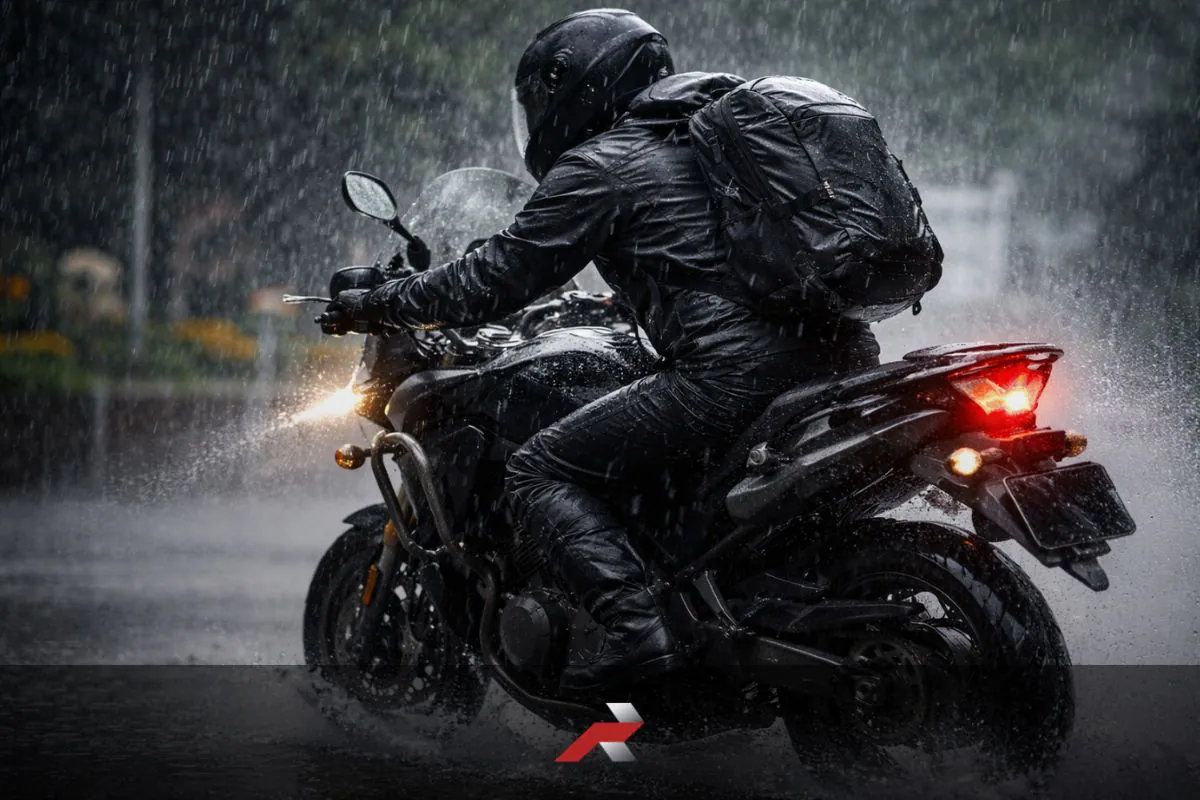
Riding in the Philippine rainy season demands more than just a thick jacket. This Waterproof Riding Jackets Buyer Guide PH helps big bike riders choose gear that truly protects against heavy rain, humidity, and long commutes. Learn the difference between waterproof and water resistant materials, understand hydrostatic ratings, evaluate ventilation systems, and avoid common buying mistakes. Whether you ride daily in Metro Manila traffic or take long provincial rides, this guide gives you practical, no hype advice so you invest once and ride dry, safe, and comfortable all season long.
The Waterproof Riding Jackets Buyer Guide PH exists for one simple reason: Philippine rain is not gentle drizzle. It arrives without warning, pours heavily, and floods streets within minutes.
If you ride a big bike in Metro Manila, Laguna, Cavite, or even provincial highways, you already know this pattern. Clear skies at 4PM. Torrential rain at 4:30PM. Traffic locked. Water rising. Visibility dropping.
A proper waterproof riding jacket is not about style. It is about survival, focus, and fatigue control.
Here is what most riders misunderstand:
This is where many buying decisions go wrong.
In our rainy season series, we already explained how braking distances increase in wet asphalt in Brake Performance in Wet Roads Philippines: What Riders Must Understand During Rainy Season. Staying dry is not just comfort. Wet gear reduces concentration. Reduced concentration affects reaction time.
A soaked rider becomes a distracted rider.
This guide breaks down:
If you are investing once and riding daily, this guide will help you choose wisely.
Because in the Philippines, rain is not seasonal inconvenience.
It is predictable reality.
Not all jackets labeled waterproof are truly built for Philippine downpours.
Some are only water resistant. That means they can handle light drizzle for a short period. Once heavy rain hits, water slowly penetrates the fabric. Seams leak first. Zippers follow.
A real waterproof riding jacket must block sustained pressure from rain hitting you at 60 to 100 kph.
That pressure matters.
Because rain while parked is different from rain while moving.
Hydrostatic head rating measures how much water pressure a fabric can resist before leaking.
Here is a practical guide for riders:
For Philippine city commuters, 10,000 mm minimum is acceptable.
For expressway riders or long provincial trips, 15,000 mm or higher is safer.
Numbers matter. Marketing slogans do not.
Here is where many jackets fail.
Waterproof does not automatically mean comfortable.
In 32°C humidity, poor ventilation turns your jacket into a sauna. Sweat builds inside. You feel wet even without rain. That defeats the purpose.
Look for:
In tropical conditions, balance matters more than maximum thickness.
A jacket that keeps rain out but traps heat inside becomes unbearable during stop-and-go traffic in EDSA.
And comfort directly affects alertness.
Not all rain gear materials are built for Philippine weather. Our rain is heavy, humid, and often unpredictable. Choosing the right construction matters more than brand names or marketing claims. The wrong fabric can trap heat, leak under pressure, or fail during extended downpours.
Understanding how materials behave in real-world riding conditions helps you avoid costly mistakes. From PVC layers to laminated membranes, each system has strengths and weaknesses. If you are still new to motorcycle ownership and evaluating long-term gear decisions, it helps to first understand the bigger picture.
Before investing in protective equipment, review our Beginner Motorcycle Buying Guide: Start Your Ride Right.
Now let’s break down the materials that actually perform when Philippine rain hits hard.
The Waterproof Riding Jackets Buyer Guide PH is incomplete without understanding materials. Fabric choice determines whether you stay dry for 15 minutes or two hours.
Marketing terms sound impressive. Real-world performance is what matters.
Here are the main material categories riders encounter:
Each has strengths. Each has limitations.
PVC-coated jackets are common in budget rain gear. They block water effectively at first. The problem appears during long rides.
PVC does not breathe.
In Metro Manila traffic, you will sweat heavily. Moisture builds inside. After 30 minutes, you feel soaked. Not from rain. From trapped heat.
PVC works for short emergency use. It is not ideal for daily commuters.
Mid-range and premium jackets use internal waterproof membranes. Common types include proprietary membranes or well-known technologies like Gore-style laminated layers.
These membranes allow vapor to escape while blocking water droplets.
However, performance depends on seam sealing.
If seams are not fully taped, water enters through stitching holes. Always check internal seam taping before buying.
In the Waterproof Riding Jackets Buyer Guide PH context, this construction gives the best balance for daily big bike riders who ride at least three to five days a week.
Laminated jackets bond the waterproof layer directly to the outer shell. Water beads and rolls off. The outer fabric does not absorb much moisture.
Drop-liner systems place a waterproof layer underneath the outer textile. The outer shell can get soaked. It becomes heavier during long rain exposure.
For Philippine monsoon conditions, laminated systems dry faster after rides. They cost more but reduce long-term discomfort.
If you park outside, ride through flooded streets, or frequently encounter sudden thunderstorms, laminated construction is a smarter long-term investment.
Material choice is not about brand prestige.
It is about how long you ride, how often you get caught in rain, and how much discomfort you are willing to tolerate.
A waterproof jacket that lacks impact protection is incomplete.
Rain increases accident risk. Roads get slippery. Braking distance increases. Visibility drops. Reaction time becomes critical.
That means your rain jacket must still function as a protective motorcycle jacket.
Many riders make this mistake:
They use cheap raincoats over casual clothing.
Waterproof? Yes.
Protective? No.
A proper riding jacket must include:
Rain does not reduce crash risk. It increases it.
We already discussed how traction changes during monsoon season in Best Motorcycle Tires for Rainy Season Philippines. When grip becomes unpredictable, protective gear becomes even more important.
Never buy based purely on Small, Medium, Large.
Filipino riders vary in build. Many are lean but broad-shouldered, while others have shorter torso length. Riding posture also differs, with some using aggressive sport setups and others preferring upright adventure positions.
If the jacket is too loose:
If the jacket is too tight:
Try the jacket while in riding posture. Bend arms. Simulate gripping handlebars.
Rain gear that feels comfortable standing may feel restrictive while riding.
Philippine rain rarely means cold weather.
You need waterproofing without heavy insulation.
Look for:
Daily commuters should prioritize lighter waterproof shells with proper armor. Long-distance riders heading to Tagaytay or Baguio may appreciate removable thermal options.
The goal is simple:
Stay dry.
Remain mobile.
Keep yourself protected.
Avoid bulk.
Prevent overheating.
Never compromise safety.
The Waterproof Riding Jackets Buyer Guide PH is not telling you to always buy premium.
Context matters.
If you ride:
A mid-range waterproof jacket with proper seam sealing and CE armor may be enough.
Budget does not automatically mean unsafe.
The problem appears when riders expect entry-level gear to survive daily monsoon abuse.
Daily exposure changes durability requirements.
Premium jackets often cost significantly more. That price usually reflects:
If you commute five days a week through unpredictable weather, premium becomes a long-term investment, not a luxury.
Replacing two mid-range jackets over three years can cost more than one high-quality laminated option.
Think in years, not weeks.
Ask yourself honestly:
Do you ride expressways during rain?
Are long provincial trips part of your routine?
Is your motorcycle parked outdoors often?
And do you ride daily regardless of the weather forecast?
If your answer is yes to most of these, premium waterproof construction makes sense.
If your riding is occasional and flexible, a well-built mid-range option may be financially smarter.
The Waterproof Riding Jackets Buyer Guide PH focuses on real usage, not ego buying.
Buy for your riding pattern.
Not for Instagram.
The Waterproof Riding Jackets Buyer Guide PH must simplify decision-making. Below is a performance matrix designed for tropical monsoon conditions, daily commuting, and big bike highway riding.
This table removes brand bias and focuses on technical indicators.
| Feature Category | Entry Level (PVC / Basic Textile) | Mid-Range Membrane Jacket | Laminated Premium Jacket |
|---|---|---|---|
| Hydrostatic Rating | 5,000 to 8,000 mm | 10,000 to 15,000 mm | 15,000 to 20,000+ mm |
| Breathability | Very Low | Moderate | High |
| Seam Taping | Partial or None | Fully Taped | Fully Taped, Reinforced |
| Armor Included | Often None | CE Shoulder + Elbow | CE Level 1 or Level 2 |
| Outer Shell Water Absorption | High | Moderate | Low |
| Drying Time After Ride | Slow | Moderate | Fast |
| Best For | Emergency Use | Daily Commuting | Long Rides + Expressways |
| Expected Durability | 1 Season | 2 to 3 Seasons | 3+ Seasons |
For riders who face heavy rain regularly, a hydrostatic rating below 10,000 mm becomes risky.
In stop-and-go traffic, breathability turns critical, especially for those who sweat easily.
When the outer shell absorbs too much water, the jacket becomes heavier during the ride. That added weight increases fatigue and reduces comfort.
Premium laminated systems reduce that problem significantly.
This table is not about status. It is about functional longevity under Philippine climate stress.
Use this matrix before checking price tags.
Performance first.
Budget second.
If you ride EDSA, C5, or Commonwealth regularly, you already know the pattern.
Heavy rain. Sudden stop. Engine heat rising. Traffic not moving.
In this scenario, breathability becomes more important than maximum insulation.
A mid-range membrane jacket with 10,000 to 15,000 mm waterproof rating works well. Vent placement is crucial. Chest vents and rear exhaust ports prevent heat buildup.
The Waterproof Riding Jackets Buyer Guide PH emphasizes this balance. You need rain protection that does not cook you alive in 32°C humidity.
Metro commuters prioritize comfort stability over extreme storm rating.
Now consider someone riding SLEX, NLEX, or long provincial highways toward Batangas or Bicol.
Speed increases rain impact pressure.
Wind pushes water through weak zippers. Collar leakage becomes noticeable. Cheap seam sealing fails faster.
Here, laminated waterproof construction is safer long-term.
According to safety insights shared by international riding resource RevZilla in their rain gear breakdown guide at Revzilla, water pressure increases significantly at highway speeds. Fabric quality and seam integrity become critical at higher velocity exposure.
Highway riders should treat waterproof rating as structural protection, not convenience.
Adventure and touring riders face longer rain exposure.
Two-hour storms. Mountain fog. Sudden elevation temperature changes.
Here, layering flexibility matters.
Look for:
Long rides amplify small design flaws.
A collar that leaks slowly becomes a major distraction after 90 minutes.
The Waterproof Riding Jackets Buyer Guide PH considers fatigue reduction part of safety.
Dry gear reduces cognitive strain.
Less strain means sharper focus.
Sharper focus means better decisions on wet roads.
Real-world performance defines jacket value.
Showroom lighting does not prove durability.
Large brand logos do not increase waterproof rating.
Influencer visibility does not improve seam construction.
Rain reveals truth quickly.
Choosing rain gear in the Philippines is not as simple as picking the first waterproof label you see. Monsoon conditions are harsh, humidity is relentless, and sustained downpours quickly expose weak materials and poor construction. Many riders only realize their mistake after the first heavy ride home.
Before we break down the most common buying errors, it helps to understand what proper wet-season protection should look like. If you need a deeper foundation on what to look for in real-world riding conditions, review our Rain Coat for Motorcycle Rider – Your Essential Wet Season Gear.
Now let’s examine the buying mistakes that cost riders comfort, money, and sometimes safety.
Many jackets labeled water resistant cannot survive Philippine monsoon rain.
They handle light drizzle. They fail during sustained downpour.
Always check hydrostatic rating. If the product description does not mention it, assume it is entry-level protection.
Labels can mislead. Numbers rarely do.
Water does not pass through fabric first.
It enters through stitching holes.
If internal seams are not fully taped, the jacket will leak at shoulders and arms during heavy rain.
Turn the jacket inside out before buying.
Look for visible seam tape.
If you cannot see reinforcement, reconsider.
Filipino riders sometimes size down for a sharper fit.
That becomes uncomfortable when layering with inner shirts or thermal liners.
Restricted arm movement increases fatigue.
Fatigue reduces focus.
Always test the jacket in riding posture.
A large logo does not increase waterproof rating.
Social media visibility does not increase seam durability.
Buy based on material construction, armor rating, and fit.
Rain exposes weak decisions quickly.
The Waterproof Riding Jackets Buyer Guide PH would be incomplete without discussing maintenance.
Even premium jackets lose performance if neglected.
Waterproof membranes rely on two systems:
Over time, dirt, sweat, and pollution clog fabric pores. Once clogged, breathability drops. You feel humid inside even if rain does not penetrate.
This is not product failure.
It is maintenance neglect.
Many riders avoid washing waterproof jackets because they fear damage.
That is incorrect.
You must wash them periodically using:
Fabric softeners destroy DWR coatings.
Proper washing actually restores membrane performance by removing contaminants that block breathability.
After washing, low heat tumble drying can reactivate DWR on certain materials. Always follow manufacturer instructions.
If water stops beading and starts soaking into the outer shell, the DWR layer has worn off.
This does not mean the membrane is damaged.
You can apply spray-on or wash-in DWR treatment products available locally.
Maintaining your jacket extends lifespan significantly.
The Waterproof Riding Jackets Buyer Guide PH encourages riders to treat waterproof gear as technical equipment, not casual clothing.
Regular maintenance can double usable lifespan.
And that makes premium investment more logical over time.
Do not rely only on size labels.
Different brands interpret Small, Medium, and Large differently.
Measure:
Compare your numbers against the manufacturer’s size chart.
If you are between sizes, choose the one that allows comfortable layering without restricting arm movement.
A jacket that fits while standing may feel tight while riding.
Simulate your riding position before deciding.
Bend your elbows. Lean slightly forward. Reach forward like gripping handlebars.
Watch for:
Proper riding posture fit ensures armor stays in correct position during impact.
Philippine weather changes quickly.
Morning rides may be humid. Evening storms may bring cooler wind.
Choose jackets with:
Flexibility increases comfort.
Comfort increases focus.
And focus remains critical when roads are wet and unpredictable.
Waterproof capability is only half of the equation.
Impact protection standards matter just as much.
Most quality riding jackets use CE-rated armor. CE certification ensures protective components meet European safety benchmarks for impact absorption.
There are two common armor levels:
Level 2 offers higher impact absorption performance.
For riders who use expressways or ride daily in traffic, Level 2 back protection is strongly recommended.
The official European standard classification details are outlined in European Commission safety documentation for protective motorcycle gear.
Understanding certification prevents marketing confusion.
Textile jackets are also tested for abrasion resistance.
Higher-grade textiles withstand longer sliding time during impact.
If waterproofing is strong but abrasion resistance is weak, the jacket fails its main purpose.
Waterproof Riding Jackets Buyer Guide PH encourages riders to evaluate both water resistance and impact protection.
Because rain increases crash risk.
Protection must increase accordingly.
From the Waterproof Riding Jackets Buyer Guide PH perspective, 10,000 mm hydrostatic rating should be the minimum for Philippine city riding.
If you ride expressways frequently, consider 15,000 mm or higher.
Check product description carefully. If rating is not specified, ask the seller directly.
Confirm:
Rain increases accident probability. Protection cannot be optional.
Do not compromise safety just to save weight.
Before purchasing, confirm:
A waterproof jacket is technical equipment.
Maintained properly, it lasts multiple rainy seasons.
Ignored, it fails quickly.
The Waterproof Riding Jackets Buyer Guide PH is built around long-term performance, not short-term convenience.
For daily riding in heavy Philippine rain, at least 10,000 mm hydrostatic rating is recommended. This level handles sustained city downpours effectively. Riders who frequently use expressways should consider 15,000 mm or higher for stronger wind-driven rain resistance.
A separate raincoat can block water temporarily but does not provide impact protection. Waterproof riding jackets combine rain resistance with CE-rated armor and abrasion-resistant materials. For regular riders, an integrated jacket offers better long-term safety and practicality.
Feeling wet inside a waterproof jacket often comes from trapped sweat rather than rain penetration. Poor breathability prevents moisture vapor from escaping. In tropical climates with high humidity, ventilation and membrane quality play a critical role. Choosing a jacket with proper breathability ratings and ventilation ports helps reduce internal moisture buildup.
With proper maintenance, a mid-range jacket can last two to three rainy seasons. Laminated premium jackets may last three or more years depending on usage frequency. Regular washing with correct detergent and occasional DWR reapplication extend lifespan significantly. Neglecting maintenance shortens performance life regardless of price category.
Expensive jackets are not automatically better, but they often offer higher waterproof ratings, better seam sealing, and improved ventilation. For daily commuters who ride regardless of weather, premium construction becomes a long-term investment. For occasional riders, a well-built mid-range jacket may provide sufficient protection. Buying based on riding pattern is more important than buying based on brand prestige.
The Waterproof Riding Jackets Buyer Guide PH is built around one principle: rain protection must support safety, comfort, and long-term durability.
In Philippine riding conditions, sudden storms and high humidity are normal. That makes waterproof rating, breathability, seam sealing, and armor protection essential decision factors. A minimum 10,000 mm hydrostatic rating works for city commuters. Expressway and long-distance riders benefit from 15,000 mm or higher laminated construction.
Impact protection cannot be ignored. CE-rated armor and abrasion-resistant textile remain critical, especially when wet roads increase crash risk. Proper fit ensures armor stays aligned and fatigue stays controlled.
Maintenance extends performance life. Washing correctly and restoring DWR coatings preserve waterproof function over multiple seasons.
The Waterproof Riding Jackets Buyer Guide PH does not promote expensive gear for status. It promotes informed decisions based on riding pattern, exposure frequency, and safety priorities.
Dry gear improves focus.
Improved focus improves reaction time.
Better reaction time improves survival margin.
However, upper-body protection is only part of the equation. Foot protection plays an equally important role in crash safety and long-distance comfort. For a complete breakdown of footwear options, read our Riding Boots: Casual vs Touring vs Sport – Complete 2026 Guide for Big Bike Riders in the Philippines (Protection, Comfort, and Real-World Use Explained) to understand how boot selection complements your waterproof jacket setup.
In the Philippines, rain is predictable. Your preparation should be too.