Skip to content
Contact & Community
📍 Metro Manila, Philippines
🌐 robimotoph.com
✉️ hello@robimotoph.com
📱 +63 917 517 0594
📍 Metro Manila, Philippines
🌐 robimotoph.com
✉️ hello@robimotoph.com
📱 +63 917 517 0594

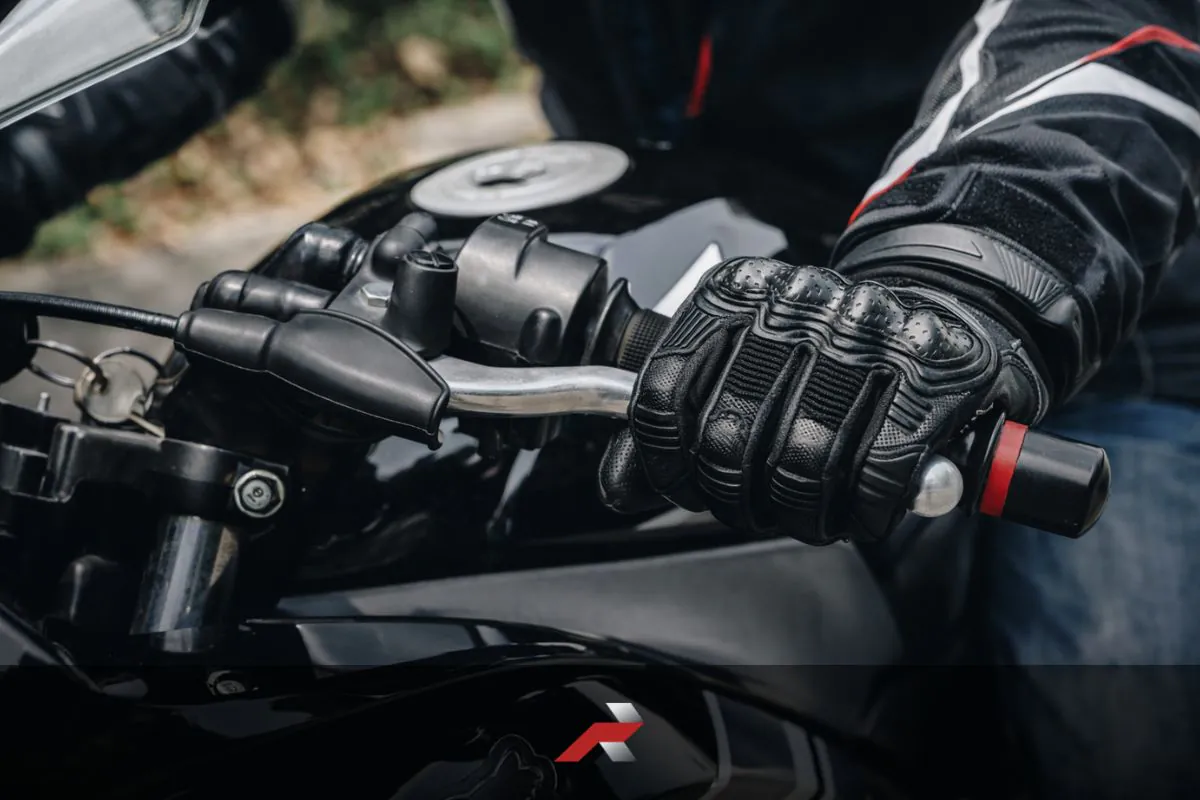
A slipping clutch can sneak up on you. The engine revs climb, but the bike does not move the way it should. It often starts small during hard acceleration or uphill rides, then slowly gets worse. This guide breaks down slipping clutch symptoms, common causes, and practical fixes in simple, rider-spoken language. You will learn what it feels like in daily use, what usually wears out inside the clutch pack, and how to decide between adjustment, repair, or full replacement before it affects reliability and safety.
You twist the throttle to overtake and the engine responds fast. The sound rises, but the forward pull feels weak. That mismatch is often how a slipping clutch first introduces itself. Something feels off even though the bike still runs smoothly.
That strange gap between revs and movement is a common early sign of clutch slip. It does not always happen suddenly. Most of the time, it builds up quietly over weeks through daily riding.
Before you start upgrading parts or blaming performance, it helps to understand how basic mechanical wear works. If you tend to modify early, read Patience in Motorcycle Upgrades: Why Waiting Before Modifying Pays Off because not every symptom needs an upgrade. Some just need proper inspection.
A slipping clutch rarely announces itself with drama. It shows up in situations where torque demand is high.
You may feel it during:
The engine revs rise faster than usual, but the bike does not match that speed. Sometimes you smell something slightly burnt after heavy use. That smell comes from friction material overheating.
In traffic, it may feel subtle. But once you reach open roads, the gap between throttle input and rear wheel response becomes obvious.
Automotive oils with friction modifiers reduce internal drag, but wet clutch systems require controlled friction. Motorcycle-specific oils follow JASO MA and MA2 standards, which are explained clearly in guides comparing automotive oil and motorcycle oil. Using the wrong oil can trigger slipping even when plates are still within service limits.
If you ride daily in heavy traffic, that constant half clutch use adds up faster than long, steady highway runs.
Many riders first suspect fuel issues. Others think the chain is loose. But a slipping clutch feels different.
You hear power. You do not feel it.
Unlike engine misfire, the sound stays smooth. There is no jerking. Just revs rising without matching drive force.
Try accelerating uphill. If the revs spike quickly but speed increases slowly, that is classic clutch slip behavior.
Load reveals weakness. Flat roads may hide it. Hills expose it.
If you suspect clutch slip, ride in a higher gear at moderate speed and open the throttle firmly. If revs jump without proportional speed increase, schedule an inspection soon.
Now let us talk about what actually causes it.
Inside your engine, the clutch pack is made of friction plates and steel plates pressed together by springs. When you release the lever, those plates lock together and transfer power.
Slip happens when those plates fail to grip firmly.
Each cause has a different fix.
Friction plates wear down like brake pads. Over time, the surface thins. Once below service limit, they cannot grip tightly.
Fix: Replace friction plates and inspect steel plates for warping.
Clutch springs lose tension after years of heat cycles. Less pressure means less clamping force.
Fix: Replace springs. Often done together with new plates.
Too tight cable means the clutch never fully engages. That constant partial disengagement creates heat.
Fix: Adjust free play according to manufacturer specification. Usually 2 to 3 mm at the lever.
Some oils reduce friction more than needed. Automotive oil with friction modifiers can cause clutch slip in wet clutch systems.
Fix: Use motorcycle specific oil with JASO MA or MA2 rating.
| Symptom | Likely Cause | Immediate Action |
|---|---|---|
| Revs rise, speed lags | Worn friction plates | Inspect clutch pack |
| Slip under heavy load only | Weak springs | Replace springs |
| Slip after oil change | Wrong oil type | Drain and replace with correct oil |
| No free play at lever | Tight cable | Adjust cable |
| Burnt smell after traffic | Overheating from half clutch | Inspect plates and riding habit |
Repeated slipping accelerates wear. Heat is the enemy here.
If you ignore clutch slip, several patterns show up.
First, acceleration becomes unpredictable. You twist more throttle to compensate. That extra throttle increases fuel use.
Second, heat builds faster. Excess heat warps steel plates. Warped plates create uneven engagement.
Third, debris from worn friction material contaminates oil. That affects other components.
Eventually, the bike may struggle to move under load at all.
Extended neglect often turns a simple plate replacement into a full clutch overhaul.
The decision depends on severity.
If the issue comes from cable adjustment or oil type, cost stays low. If plates and springs are worn, you will need parts and labor.
Here are the trade offs:
Check service manual limits before replacing. Measure friction plate thickness and spring length. Guesswork wastes money.
In most mid displacement bikes, replacing friction plates and springs costs less than engine repairs caused by prolonged slip. Parts vary by brand, but clutch kits remain more affordable than transmission rebuilds.
Labor time usually takes half a day in a standard shop. That means one weekend lost instead of multiple weeks waiting for bigger repairs.
Reliability improves immediately after proper replacement. Throttle response feels direct again.
Daily riding builds habits. If you often hold the bike at traffic lights using partial clutch instead of shifting to neutral, heat builds faster. Wet clutch systems rely on stacked friction plates running in oil, and repeated heat exposure accelerates wear, a process clearly broken down in this detailed explanation of how a motorcycle clutch works.
That heat cycle pattern is simple. More slip equals more temperature. More temperature equals faster material breakdown.
Changing small habits protects expensive parts.
Use neutral at long stops. Rest your hand. Let the clutch fully engage when moving. Avoid holding half clutch longer than necessary.
You can ride short distances carefully, but performance will degrade. Continued riding increases heat and wear.
It depends on riding style. Gentle engagement and correct oil can extend life beyond 30,000 kilometers. Aggressive riding shortens it.
Yes. Extra throttle to compensate for lost drive increases fuel use.
If plates are within service limit, springs may solve mild slip. Severe wear requires full replacement.
A loose chain feels jerky, not smooth. Clutch slip feels smooth but weak.
Reducing premature clutch wear lowers waste and extends usable component life.
RobiMotoPH
A slipping clutch rarely fails overnight. It whispers first. Slight rev mismatch. Small burnt smell. Mild hesitation uphill.
You can ignore it. Or you can check early.
Mechanical sympathy matters more than upgrades. Smooth engagement, correct oil, and proper adjustment keep the clutch healthy.
If you want to refine daily riding habits beyond mechanical fixes, revisit Motorcycle Tips Philippines: 7 Tricks Most Riders Ignore because small riding behaviors shape long term reliability more than most riders realize.
Fix early. Ride smooth. Let the bike pull the way it was designed to pull.