Skip to content
Contact & Community
📍 Metro Manila, Philippines
🌐 robimotoph.com
✉️ hello@robimotoph.com
📱 +63 917 517 0594
📍 Metro Manila, Philippines
🌐 robimotoph.com
✉️ hello@robimotoph.com
📱 +63 917 517 0594

Riding a motorcycle in the Philippines goes beyond skill and confidence. Daily traffic, heat, rain, and uneven roads expose small habits that affect safety, comfort, and long-term reliability. Many riders overlook simple details that quietly make a big difference over time. This guide shares practical motorcycle tips Philippines riders often miss, based on real-world commuting and weekend riding experience. From tire age and chain alignment to posture, heat management, and pre-ride checks, these tips focus on everyday use rather than theory. The goal is simple. Help riders make better decisions, reduce wear, and ride with more control on Philippine roads.
Motorcycle tips Philippines riders learn often come from experience, not manuals. Heat, rain, traffic, uneven roads, sudden stops, and unpredictable drivers shape riding habits faster than any training course. Over time, riders develop routines that work, but many small, practical tricks still get overlooked.
These are not flashy upgrades or expensive gear suggestions. These are everyday motorcycle tips that quietly improve safety, reduce wear, and make daily riding easier. Most riders discover them late, usually after paying for a mistake.
If you ride daily, commute through traffic, or take weekend trips, these are motorcycle tips Philippines riders should know sooner rather than later.
Most riders judge tires by how deep the grooves still look. That is only half the story.
In Philippine conditions, heat accelerates rubber aging. Even if your tire tread looks healthy, the compound hardens over time. A hardened tire loses grip, especially on wet roads, metal plates, and painted lane markings.
Many riders experience sudden rear slides or longer braking distances without realizing the tire is already past its safe lifespan.
Check the manufacturing date stamped on the tire sidewall. If your tire is over four to five years old, grip performance has already dropped, even if it looks fine.
This is one of the most ignored motorcycle safety tips in the Philippines, especially among low-mileage riders.
Based on an explanation from Visordown, motorcycle tire rubber hardens over time due to heat cycles and environmental exposure, even if tread depth still looks acceptable.
For riders who want to go deeper into how daily traffic and heat cycles affect motorcycle components over time, we break this down further in our maintenance guides under Maintenance & DIY Tips.
Not all slippery surfaces behave the same.
Painted road markings feel slick but predictable. Drainage grooves and steel plates are a different beast. These surfaces reduce friction suddenly and unevenly, especially when wet.
Many crashes happen not because riders are speeding, but because they treat all wet surfaces the same. The mistake usually shows during light braking or gentle leaning.
When crossing steel plates or deep drainage grooves, straighten the bike as much as possible. Avoid braking and throttle changes until both tires are back on asphalt.
This small habit dramatically reduces low-speed slips during rainy season riding.
Lubricating your chain helps, but it does not fix misalignment.
In city riding, frequent stop-and-go creates uneven chain stress. If rear wheel alignment is slightly off, certain sections of the chain tighten more than others. Over time, this causes vibration, noise, and accelerated wear.
Many riders tighten their chain based on one spot only, not realizing another section becomes too tight once the wheel rotates.
Rotate the rear wheel slowly while checking chain slack. Adjust based on the tightest section, not the loosest. This single habit extends chain and sprocket life significantly.
Among all motorcycle maintenance tips Philippines riders skip, this one saves the most money long-term.
A common myth is that higher price equals higher safety. Fit matters more.
A helmet that is slightly loose shifts during sudden braking or impact. That movement reduces protection, increases neck strain, and creates wind noise fatigue during long rides.
In hot Philippine weather, riders often choose larger helmets for comfort. The trade-off is compromised protection.
With the helmet on and strap fastened, shake your head side to side. If the helmet moves independently of your face, it is too loose.
This is one of the most overlooked motorcycle gear Philippines riders issues, especially among beginners.
Local riding safety guides, including one from Top Gear Philippines, consistently emphasize that proper helmet fit matters more than price when it comes to real-world protection.
We also share practical helmet and gear insights based on daily riding experience in our gear and ownership features, especially for riders dealing with heat, rain, and long commutes.
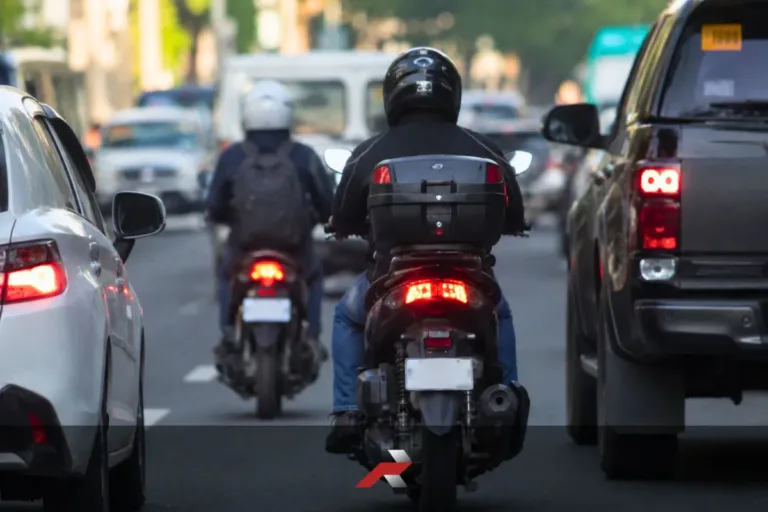
Many riders assume long rides are harder on the engine than city commuting. In reality, stop-and-go traffic is more punishing.
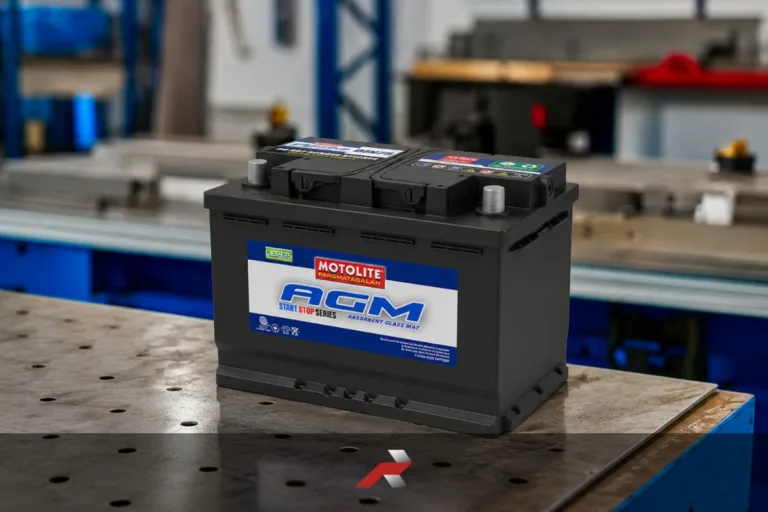
Low airflow, constant clutch use, repeated heat cycles, and short stops stress cooling systems and electrical components. This is where weak batteries, failing regulators, and overheating issues often start.
If possible, ride earlier in the morning or later in the evening. Cooler ambient temperatures reduce engine heat load and rider fatigue at the same time.
This simple timing adjustment improves reliability without changing anything on the bike.
You do not need a full inspection before every ride. You need consistency.
A 30-second routine catches most problems early. Riders who skip checks often notice issues only when they become expensive repairs.
Tires, brakes, lights, and fuel level.
Feel tire pressure with your hand. Squeeze the brake levers once. Check headlights and signals quickly. Glance at fuel before starting.
These micro checks take seconds but prevent roadside breakdowns and unsafe rides. Over time, they become automatic.
This habit separates stressed riders from calm ones.
Poor posture causes fatigue long before you feel pain.
Tensed shoulders, locked elbows, and gripping the handlebars too tightly reduce steering feedback. In traffic, this leads to delayed reactions and jerky throttle control.
Many riders blame the motorcycle when the issue is body position.
Relax your grip. Support your weight with your core and legs, not your hands. Keep elbows slightly bent. Let the bike move beneath you.
Better posture improves braking smoothness, slow-speed balance, and overall confidence, especially in city riding.
None of these tips require upgrades, brand loyalty, or expensive tools. They come from daily riding realities, not theory.
Most riders learn them the hard way:
After a slide.
After uneven tire wear.
After premature chain replacement.
After unexplained fatigue.
Understanding these small details early changes how you ride and how long your motorcycle stays reliable.
No. Many experienced riders develop habits that work, but still overlook tire age, chain alignment, or posture. These tips apply to all experience levels.
Yes. While some examples fit manual motorcycles more closely, most principles apply to scooters, underbones, and big bikes alike.
Daily riders should do micro checks every ride and a deeper inspection weekly. Weekend riders should inspect before every long ride.
Yes. These are written specifically for local roads, weather, traffic behavior, and riding culture.
Riding skill is not just about speed or confidence. It is about awareness, consistency, and small decisions repeated every day.
Motorcycles reward riders who pay attention. They punish those who assume everything is fine.
If you ride in the Philippines, these motorcycle tips are not optional upgrades. They are survival tools that quietly improve safety, comfort, and ownership experience over time.
Ride smart. Ride prepared. And let the small habits do the heavy lifting.