Skip to content
Contact & Community
📍 Metro Manila, Philippines
🌐 robimotoph.com
✉️ hello@robimotoph.com
📱 +63 917 517 0594
📍 Metro Manila, Philippines
🌐 robimotoph.com
✉️ hello@robimotoph.com
📱 +63 917 517 0594

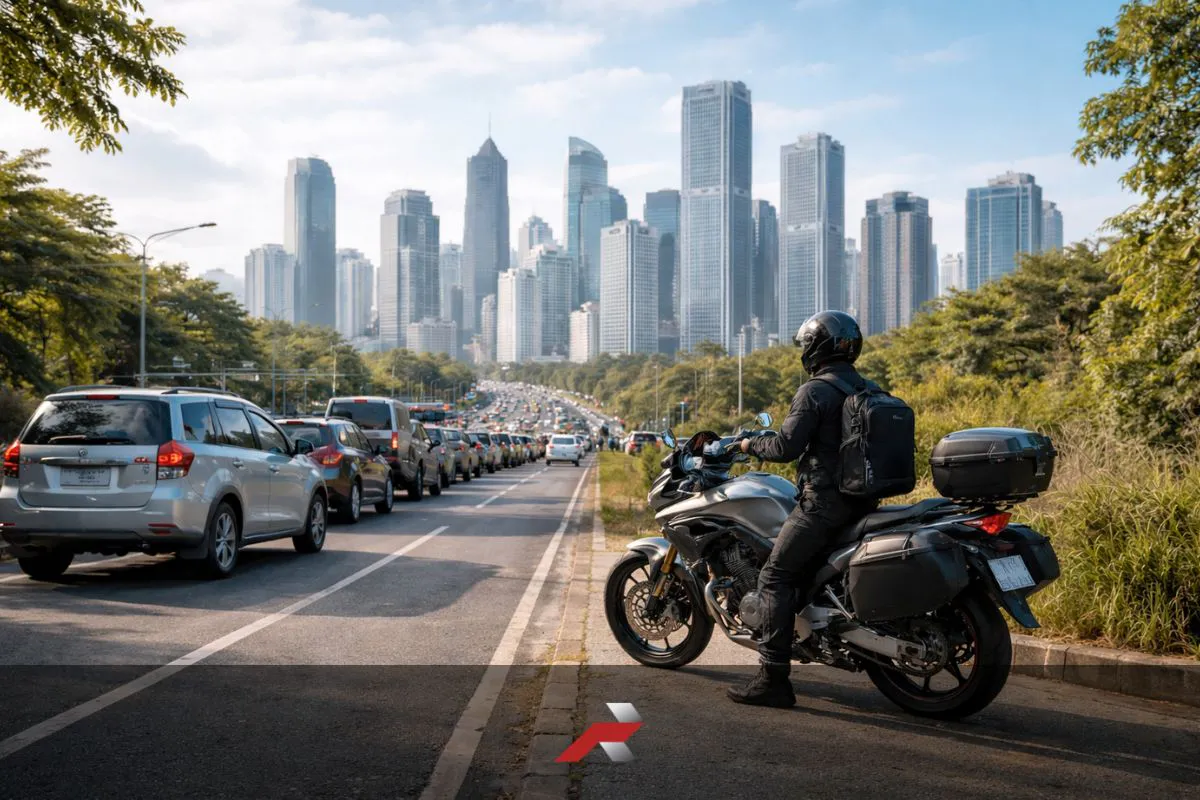
The future of the motorcycle industry in the Philippines is changing fast due to urban traffic, rising fuel costs, electric motorcycle development, and the growing big bike community. Honda continues to lead the market, but Yamaha, Suzuki, Kawasaki, and new Chinese brands are also influencing the direction of the industry. From scooters dominating daily transportation to big bikes becoming lifestyle machines, the Philippine motorcycle market is evolving every year. This article explores industry trends, electric motorcycles, market direction, and what Filipino riders can expect in the coming years as the motorcycle industry continues to grow.
The Future of the Motorcycle Industry in the Philippines is not just about new models and new technology. It is about transportation, economy, and how Filipinos move every day. Motorcycles are now daily transportation, business tools, delivery vehicles, and lifestyle machines.
Over the past decade, the Philippine motorcycle industry has grown quickly. Scooters now dominate city roads because of traffic and fuel economy. Big bikes are becoming more common on expressways and long rides. Electric motorcycles are slowly entering the market as fuel prices continue to rise. Financing options have also made motorcycles more accessible to many Filipinos.
Honda continues to play a major role in this industry. However, Yamaha, Suzuki, Kawasaki, and new brands are also influencing the direction of the market. The future of the motorcycle industry in the Philippines will be shaped by transportation needs, technology, urban development, and rider lifestyle. To understand where the industry is going, we need to understand why motorcycles are becoming more important in everyday Filipino life.
The motorcycle industry in the Philippines continues to grow because transportation in the country is changing. Traffic congestion, rising fuel prices, limited parking, and long commuting hours have pushed many Filipinos to consider motorcycles as a practical solution instead of cars. For many households, a motorcycle is no longer a luxury. It is now a necessity.
In many cities like Metro Manila, Cebu, and Davao, motorcycles are now part of everyday life. Workers use motorcycles to avoid traffic. Students use motorcycles to travel faster. Small business owners use motorcycles for deliveries. Families even use motorcycles for daily errands.
Public transportation is not always reliable. Trains are crowded. Buses are slow because of traffic. Jeepneys follow fixed routes. Because of this, many Filipinos prefer motorcycles because they provide control over travel time. Motorcycles allow riders to take alternative routes and move faster in heavy traffic.
This change in transportation behavior is one of the biggest reasons why the motorcycle industry continues to grow. The demand is not driven by hobby riders alone. It is driven by daily commuters and workers.
Another major reason for industry growth is financing. Many motorcycle buyers in the Philippines do not buy in cash. They buy through installment plans. Low down payments and long payment terms made motorcycles accessible to more people.
Dealers, financing companies, and banks made it easier to own a motorcycle. Because of financing, many first-time motorcycle owners entered the market. This increased the total number of motorcycles on the road every year.
This is also one reason why Honda continues to lead the market. Their motorcycles are known for reliability, fuel efficiency, and resale value. Many buyers choose Honda because they believe it is a safe purchase, especially for installment plans.
If you want to understand how big Honda’s influence is in the industry, you can read our upcoming article What Honda’s 1 Million Motorcycle Sales Mean for Filipino Riders and the Industry, where we discuss how Honda shaped the Philippine motorcycle market over the years.
The Future of the Motorcycle Industry in the Philippines cannot be discussed without talking about Honda. For many years, Honda has been one of the biggest influences in the Philippine motorcycle market. From small displacement motorcycles to scooters and big bikes, Honda has consistently shaped market trends and consumer behavior.
Honda dominates the scooter segment with models like the Click, Beat, PCX, and ADV. These motorcycles are known for fuel efficiency, reliability, and affordable maintenance. Because scooters are the most common type of motorcycle in the Philippines, Honda’s strength in this segment gives them a major advantage in overall market share.
One reason why many Filipinos choose Honda is reliability. Many riders believe that Honda motorcycles last longer and are easier to maintain compared to other brands. This reputation helped Honda maintain strong resale value and customer loyalty over the years.
When Honda releases a new model or technology, other brands often follow. This shows how Honda does not only participate in the market but also influences the direction of the industry itself.
The Philippine motorcycle industry is not only growing in small displacement motorcycles and scooters. The big bike segment is also slowly growing, but for a different reason. Small motorcycles are usually purchased for transportation. Big bikes are often purchased for lifestyle, travel, and passion. This difference is important when discussing the direction of the industry.
Big bikes in the Philippines are rarely used for daily commuting. Most big bike owners use their motorcycles for weekend rides, long-distance touring, and group rides. For many riders, owning a big bike is a personal goal or achievement. It represents progress, freedom, and passion for riding.
Social media also played a role in the growth of the big bike community. Group rides, touring videos, and motorcycle events made big bikes more visible and more aspirational. Many small displacement riders now dream of upgrading to a big bike in the future.
Another factor that influenced the big bike market is expressway access. In the Philippines, only motorcycles with higher displacement are allowed on expressways. Because of this rule, some riders buy big bikes not only for power but also for convenience when traveling long distance.
Expressway access made big bikes practical for intercity travel. Riders can now travel from Manila to nearby provinces faster using expressways. This increased the appeal of entry-level big bikes such as 400cc motorcycles.
If you want a deeper discussion about whether the big bike segment is truly growing or just becoming more visible online, you can read our upcoming article Big Bike Market in the Philippines: Is It Growing or Just Social Media Noise?, where we analyze the big bike market, ownership trends, and rider behavior in the Philippines.
Most growth in the big bike segment is happening in the entry-level category. Motorcycles in the 400cc to 650cc range are becoming more popular because they are more affordable compared to liter bikes. Financing options also made big bikes more accessible to younger riders and first-time big bike owners.
This segment will likely continue to grow in the future because it balances performance, price, and expressway legality, making it practical for both leisure riding and long-distance travel.
Electric motorcycles are slowly entering the market and may play a major role in the Future of the Motorcycle Industry in the Philippines. While electric vehicles are not yet common in the country, rising fuel prices and environmental concerns are pushing manufacturers to develop electric motorcycles for urban transportation. Honda and other manufacturers are already investing in electric mobility and future transportation systems.
Most electric motorcycles today are designed for short-distance city travel. They are quiet, have fewer moving parts, and require less maintenance compared to gasoline motorcycles. For daily commuters who travel short distances, electric motorcycles may become a practical option in the future.
Honda already showed its direction toward electric mobility during international events. You can read more about this in Honda Japan Mobility Show 2025 Highlights Electric Future, where Honda presented electric motorcycle concepts and future mobility technology that may eventually reach markets like the Philippines.
Aside from electric motorcycles, new technology is also changing the industry. Modern motorcycles now have ABS, traction control, ride modes, and digital displays. Some high-end motorcycles even have smartphone connectivity and navigation systems.
Technology will continue to improve safety, performance, and convenience. In the future, motorcycles will not only become faster or more powerful. They will become smarter, safer, and more efficient for everyday use.
To understand where the industry is going, we need to look at the different motorcycle segments. Each segment serves a different purpose, and each one will grow for different reasons. The future of the motorcycle industry in the Philippines will not be dominated by one type of motorcycle alone. It will be shaped by scooters, underbones, big bikes, and electric motorcycles.
Different motorcycle categories exist because riders have different needs. Some need affordable transportation. Others need motorcycles for work. Some want motorcycles for travel and lifestyle. These segments will continue to evolve as transportation and the economy change.
Below is a simplified view of the major motorcycle segments and their role in the industry.
| Motorcycle Segment | Main Purpose | Market Direction |
|---|---|---|
| Scooters | Daily transportation | Strong growth |
| Underbone | Affordable transport / province use | Stable |
| Small Displacement Manual | Work / utility | Stable |
| Entry-Level Big Bike (400cc–650cc) | Expressway / touring | Growing |
| Big Bike (700cc+) | Leisure / lifestyle | Slow growth |
| Electric Motorcycles | City transport | Emerging |
This table shows that scooters and entry-level big bikes will likely drive most of the industry growth in the coming years.
Scooters are expected to remain the largest motorcycle segment in the Philippines. They are easy to use, fuel efficient, and practical for daily commuting. Storage compartments, automatic transmission, and comfortable riding position make scooters very popular among new riders and daily commuters.
Scooters are also widely used by delivery riders and small businesses. This makes scooters important not only for transportation but also for the economy.
If you want a deeper discussion about why scooters dominate the market and why this will continue in the future, you can read our upcoming article Why Scooters Dominate the Philippine Motorcycle Market, where we explain the economic, transportation, and lifestyle reasons behind scooter dominance in the country.
Infrastructure, economic conditions, and government policies will influence the Future of the Motorcycle Industry in the Philippines. Motorcycles become more popular not only because of the motorcycles themselves, but because of transportation conditions, fuel prices, and city development.
Road development and expressway expansion will affect motorcycle usage in the coming years. If more expressways are built and more roads connect provinces to major cities, more riders may consider upgrading to higher displacement motorcycles. Better provincial roads will also encourage long-distance riding and motorcycle tourism.
Traffic congestion and flooding in major cities will continue to push commuters toward motorcycles because they are more flexible than cars in difficult road situations.
Fuel prices have always influenced motorcycle sales in the Philippines. When fuel prices increase, more people consider motorcycles because they are more fuel efficient than cars. Economic slowdowns also increase motorcycle demand because motorcycles are more affordable transportation options for many families.
Global mobility and fuel price trends discussed in Reuters reports on fuel prices and electric vehicle transition in Asia show that rising transportation costs often push consumers toward smaller and more fuel-efficient vehicles such as motorcycles.
Government policies such as expressway rules, emission standards, and electric vehicle incentives will also shape the future of motorcycles. Policies supporting electric vehicles may accelerate the development of electric motorcycles in the Philippines in the coming years.
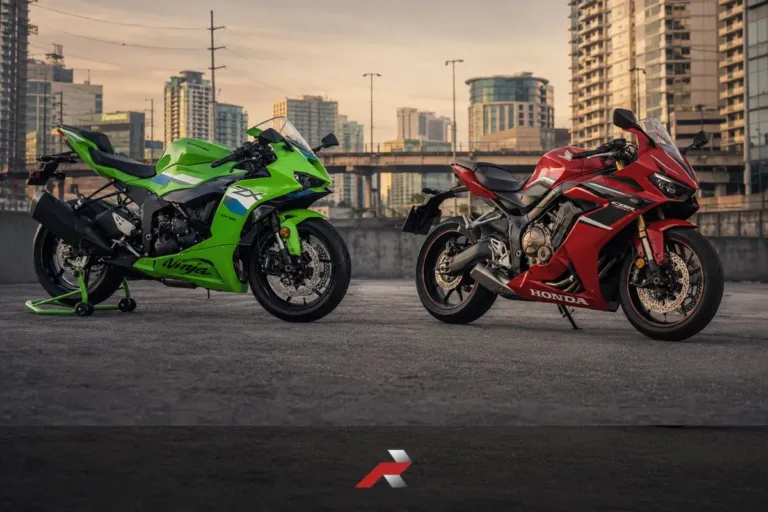
The future of the motorcycle industry in the Philippines will not be shaped by one company alone. Competition between major brands will continue to influence pricing, technology, motorcycle design, and market direction. Honda may currently lead the market, but Yamaha, Suzuki, Kawasaki, and emerging Chinese brands are all competing for different segments of riders.
Each brand has its own strategy in the Philippine market. Some focus on scooters, others focus on performance motorcycles, while some brands focus on affordability and entry-level motorcycles. Because of this, competition between brands helps improve motorcycle technology and gives buyers more choices.
Honda continues to dominate the commuter and scooter segment. Yamaha focuses heavily on sporty scooters and lifestyle motorcycles. Suzuki remains strong in underbone motorcycles and some big bike models. Kawasaki is known for big bikes and performance motorcycles. New brands from China are entering the market with lower prices and competitive features.
This competition benefits riders because manufacturers are forced to improve quality, add features, and maintain competitive pricing. Over time, this leads to better motorcycles and more options for Filipino riders.
If you want a deeper analysis of how these brands compete and how their strategies affect the market, you can read our upcoming article Honda vs Yamaha vs Suzuki vs Kawasaki: Philippine Motorcycle Market Share and Strategy, where we analyze brand positioning, market segments, and industry competition in the Philippines.
Competition will continue to shape the future of the motorcycle industry. Brands that adapt to market needs, technology, and rider behavior will continue to grow, while brands that fail to adapt may lose market share in the future.
Electric mobility and environmental policies may also influence the Future of the Motorcycle Industry in the Philippines. While gasoline motorcycles still dominate the market, global trends show that manufacturers are already preparing for electric vehicles and alternative mobility solutions.
One of the biggest challenges for electric motorcycles in the Philippines is charging infrastructure. Unlike gasoline stations, charging stations are still limited and mostly located in major cities. For electric motorcycles to become common, charging infrastructure must expand to more areas, including provinces and highways.
Battery technology also needs to improve. Riders are concerned about battery lifespan, replacement cost, and travel range. Until these concerns are addressed, electric motorcycles will likely remain focused on short-distance city travel.
Global motorcycle manufacturers are already investing heavily in electric technology. According to industry developments reported by Honda Global Newsroom, major manufacturers are planning electric motorcycles as part of their long-term strategy.
Environmental concerns and fuel prices will also influence motorcycle development. Governments around the world are pushing for lower emissions and cleaner transportation. If fuel prices continue to rise, more commuters may consider electric motorcycles as an alternative to gasoline motorcycles.
This does not mean gasoline motorcycles will disappear soon. Instead, the industry may move toward a mix of gasoline, hybrid, and electric motorcycles in the future.
Honda will continue to play a major role in shaping the direction of the motorcycle industry in the Philippines. The company has been present in the country for decades and has built a strong reputation for reliability, fuel efficiency, and resale value. Because of this, many first-time motorcycle buyers choose Honda as their first motorcycle.
Honda dominates the commuter and scooter segment, which is the largest segment in the Philippine motorcycle market. Motorcycles such as the Click, Beat, PCX, and ADV are very common on Philippine roads. These motorcycles are popular because they are fuel efficient, easy to ride, and practical for daily commuting.
Because scooters and small displacement motorcycles make up most motorcycle sales in the Philippines, Honda’s strength in this segment gives the company a very strong position in the overall industry. As long as daily commuting remains the main reason people buy motorcycles, Honda will likely remain a market leader.
Honda is not only focused on gasoline motorcycles. The company is also investing in electric motorcycles, battery technology, and future mobility solutions. This shows that Honda is preparing for long-term changes in transportation and environmental regulations.
Electric motorcycles may not dominate the Philippine market immediately, but manufacturers like Honda are already preparing for that transition. Companies that invest early in new technology usually become industry leaders in the long run.
Honda does not only sell motorcycles. Honda also influences pricing, technology trends, and market direction. When Honda releases new models or introduces new technology, other brands often respond with their own versions.
If you want a deeper discussion about why Honda continues to lead the market and how the company built its reputation in the Philippines, you can read Why Honda Still Dominates the Philippine Motorcycle Market, where we analyze Honda’s strategy, product lineup, and market positioning in the country.
Because of Honda’s strong presence in both small motorcycles and big bikes, the company will likely remain one of the most important players in the future of the motorcycle industry in the Philippines.
The motorcycle industry in the Philippines is expected to grow, but there are also challenges that may affect its future. Industry growth does not happen automatically. It depends on the economy, infrastructure, regulations, and technology adoption.
One major challenge is road safety. As the number of motorcycles increases, the number of road accidents may also increase if rider education and discipline do not improve. Safety training, proper licensing, and better road discipline will become more important as more people use motorcycles for daily transportation.
Another challenge is traffic congestion. Motorcycles help reduce travel time for riders, but the increasing number of vehicles on the road still contributes to overall traffic congestion in major cities. Urban planning and transportation systems will play an important role in managing this problem.
Electric motorcycles also face challenges such as charging infrastructure, battery cost, and limited range. Global developments in electric mobility discussed in Bloomberg’s electric vehicle industry coverage show that battery cost and charging infrastructure remain the biggest barriers to electric vehicle adoption worldwide.
Despite these challenges, motorcycles will likely remain an important part of transportation in the Philippines because they are affordable, efficient, and practical for everyday use.
The Future of the Motorcycle Industry in the Philippines will likely be shaped by transportation needs, technology development, urban expansion, and rider lifestyle changes. The industry will not be defined by one type of motorcycle or one brand alone. Instead, it will be shaped by how Filipinos use motorcycles in everyday life.
Scooters will likely remain the most popular type of motorcycle in the Philippines. They are practical, fuel efficient, easy to use, and suitable for daily commuting. As long as traffic congestion remains a major problem in cities, scooters will continue to dominate the market.
Delivery services, online shopping, and small businesses will also continue to rely on scooters. This makes scooters important not only for transportation but also for economic activity. Because of this, manufacturers will continue to develop new scooter models with better fuel efficiency, comfort, and technology.
Entry-level big bikes will continue to grow in popularity because they allow riders to access expressways and travel long distance more comfortably. Motorcycles in the 400cc to 650cc range will likely remain popular among riders who want to upgrade from small motorcycles.
Financing options and the growing motorcycle community also contribute to the growth of this segment. Many riders start with small motorcycles and later upgrade to entry-level big bikes.
Electric motorcycles will slowly enter the Philippine market, especially for city use. While gasoline motorcycles will remain dominant for many years, electric motorcycles may become more common in urban areas where travel distances are shorter.
Battery technology, charging infrastructure, and government policies will determine how fast electric motorcycles will grow in the Philippines. Manufacturers like Honda are already preparing for this transition, which means electric motorcycles will eventually become part of the industry.
Yes. Motorcycles will likely continue to grow because they are affordable, fuel efficient, and practical for daily transportation, especially in traffic-heavy cities.
Not immediately. Electric motorcycles may grow in cities, but gasoline motorcycles will likely remain dominant for many years due to range, cost, and charging infrastructure limitations.
Yes. Entry-level big bikes are becoming more popular because they allow expressway access and long-distance travel. However, small motorcycles and scooters still dominate total sales.
Scooters are easy to use, fuel efficient, and practical for daily commuting. They are also widely used for delivery services and small businesses.
Honda will likely remain one of the leading brands because of its strong presence in scooters, commuter motorcycles, and future electric motorcycle development.
The Future of the Motorcycle Industry in the Philippines will be shaped by transportation needs, technology, economic conditions, and rider lifestyle changes. Scooters will continue to dominate daily transportation, entry-level big bikes will continue to grow, and electric motorcycles will slowly enter the market. Infrastructure development, fuel prices, and government policies will also influence the direction of the industry. Honda will likely remain one of the most influential companies in the market because of its strong presence across multiple motorcycle segments. To understand how Honda continues to shape the market, you can read Honda Philippines Sells Over 1 Million Motorcycles in 2025, where we discuss Honda’s market leadership and industry impact.
Featured image: Editorial composite image created for RobiMotoPH