Skip to content
Contact & Community
📍 Metro Manila, Philippines
🌐 robimotoph.com
✉️ hello@robimotoph.com
📱 +63 917 517 0594
📍 Metro Manila, Philippines
🌐 robimotoph.com
✉️ hello@robimotoph.com
📱 +63 917 517 0594

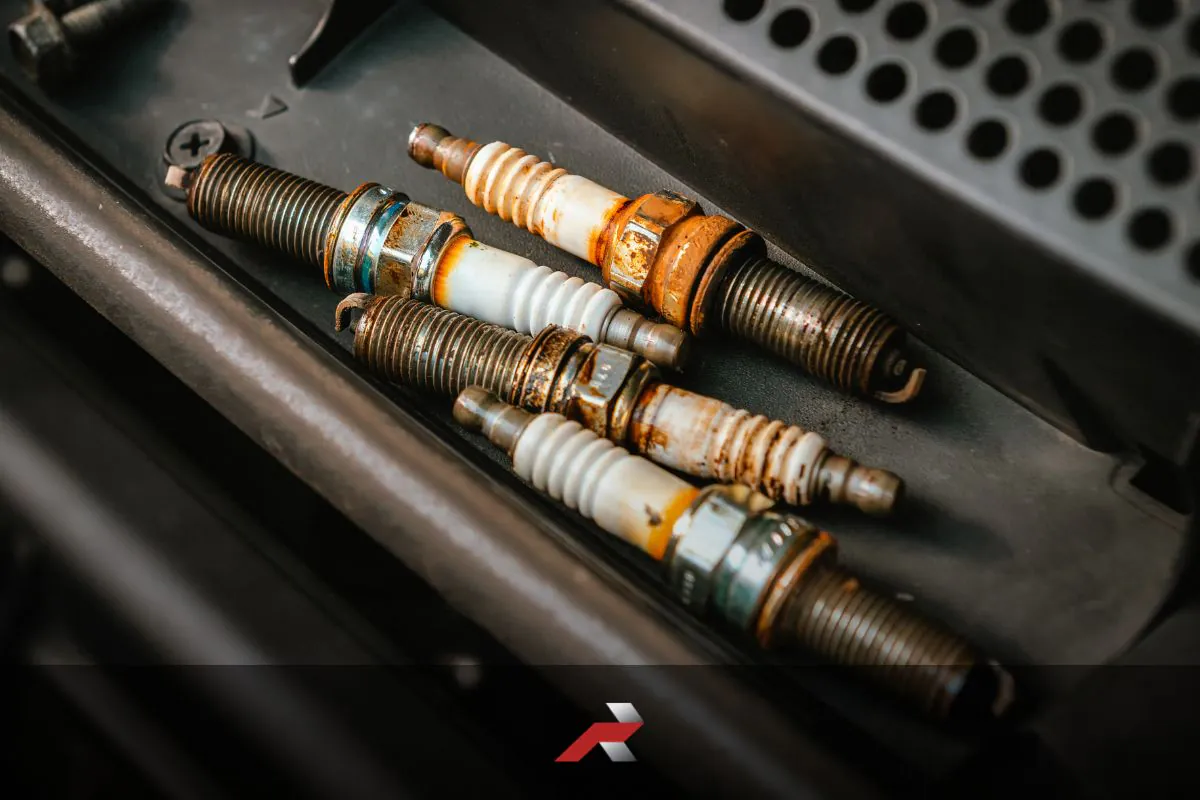
Spark plugs are small parts that quietly take abuse in traffic, heat, and stop-and-go riding. Many riders assume that if the engine still starts, everything is fine. Over time, missed spark plug replacement symptoms begin to show in subtle ways. Fuel use creeps up. Throttle response feels off. Starts take longer, especially in warm conditions. This article explains how those symptoms appear during real riding, not in theory. It focuses on what riders notice on the road, at fuel stops, and during routine service visits. The goal is clarity, not alarm.
Many riders think spark plugs only matter when the bike refuses to start. As long as the engine fires up, the assumption is that the plugs are still doing their job. But real-world ownership tells a different story, especially when viewed through a broader Motorcycle Maintenance Guide that explains how small service delays quietly affect performance over time. Missed spark plug replacement symptoms often appear long before a full failure happens.
In city traffic, engines heat up, cool down, and repeat that cycle daily. Spark plugs wear quietly under those conditions. The changes feel gradual, not dramatic. You adjust without realizing why the bike feels different.
These insights come from real riding patterns and workshop conversations, not manuals. The value here is simple. You learn how the signs show up during normal use, so small issues stay small.
Missed spark plug replacement symptoms rarely announce themselves clearly. The engine still runs, so the issue feels easy to dismiss. What riders usually notice first is a slight hesitation when rolling on the throttle. It is not a misfire, just a moment where power delivery feels lazy.
Starts may take an extra second, especially after short stops. The bike fires, but not as cleanly as before. Idle might feel uneven at traffic lights, then smooth out once moving.
Fuel consumption can change without warning. You stop at the same station, ride the same route, but the tank empties sooner. Many riders blame traffic or fuel quality first. Spark wear is rarely the first suspect.
This pattern overlaps with other ignition-related problems discussed in a related maintenance discussion found in Hard Starting Issues: Causes and Practical Fixes for Dominar 400 Riders. The difference is timing. Spark plug wear develops slowly, which makes it easier to ignore.
One early sign shows up in the morning. You hit the starter, and the engine turns longer than usual. It still starts, but the rhythm feels uneven for a few seconds. Riders often accept this as normal aging.
Heat makes this more noticeable. After a short fuel stop, the engine is warm. A worn plug struggles to ignite consistently under that condition. The bike starts, but you feel a slight stumble before settling.
Another symptom appears when leaving intersections. You open the throttle, but the response feels muted. The engine catches up a moment later. It is subtle enough that many riders adapt their wrist without realizing why.
This delay becomes more obvious in lower gears. On highways, steady cruising masks the issue. In traffic, the repeated on-off throttle exposes it.
When spark plugs start to wear, ignition becomes less consistent, which affects throttle response and combustion stability. If you want to understand how spark plug material and long-term usage affect ignition performance, you can read our review Understanding NGK Iridium Spark Plugs for Dominar 400 Maintenance and Daily Riding, where we discuss real-world durability and daily commuting conditions.
After a routine service, ask the mechanic to show you the old spark plug before it is discarded. The color and wear pattern often explain symptoms better than words.
Some riders wait for clear failure. Others replace early to restore smoothness. Both choices come with trade-offs.
Replacing early costs little but feels unnecessary when the bike still runs. Waiting saves money short term, but small inefficiencies add up. Fuel use increases. Starting stress affects the battery and starter.
Local workshops often see this pattern. According to a local comparison published by Top Gear Philippines, many riders only address ignition parts after multiple symptoms stack up. By then, the fix still works, but the riding experience has already declined.
There is no perfect interval that fits everyone. Riding conditions, fuel quality, and engine heat cycles all matter. The decision comes down to how much inconsistency you are willing to tolerate.
| Riding Situation | What You Feel | What It Often Means |
|---|---|---|
| Morning start | Longer crank time | Spark weakening |
| Traffic idle | Slight vibration | Uneven ignition |
| Slow acceleration | Delayed response | Incomplete burn |
| Fuel stops | Shorter range | Reduced efficiency |
These signs rarely appear all at once. One shows up, then another weeks later. That spacing is why many riders miss the connection.
Missed spark plug replacement symptoms become clearer when riders look back. The bike did not suddenly change. It slowly became less smooth.
Many realize it only after replacement. The engine feels lighter. Starts are quicker. Throttle response returns. That contrast reveals how long the issue was present.
A common mistake is chasing other fixes first. Riders adjust idle, change fuel brands, or clean the throttle body. Those steps help temporarily but do not address ignition wear.
International rider reports often reflect the same experience. A long-term ownership reference from Visordown shows that riders across different bikes notice similar gradual changes before plug replacement restores normal behavior.
Worn spark plugs do not usually strand riders. Instead, they drain time in small ways. Extra seconds during starts. More frequent fuel stops. Occasional hesitation that breaks riding flow.
Cost shows up indirectly. Higher fuel consumption costs more over months. Starter and battery strain increases with repeated long cranks. None of these expenses feel tied to spark plugs at first.
Downtime is also affected. When symptoms stack up, riders book unscheduled service visits. Replacing plugs earlier often happens during planned maintenance, which avoids surprise shop time.
If your bike feels smoother immediately after refueling but degrades quickly, ignition wear is worth checking before adjusting fueling or idle settings.
No. Spark plugs usually wear gradually, causing subtle starting hesitation, rough idle, or reduced efficiency long before total failure. Most riders adjust slowly without realizing performance has changed.
Yes. Weak or incomplete ignition reduces combustion efficiency, forcing the engine to burn more fuel for the same output. This often appears as gradual fuel economy decline in city riding.
Not always. Rough idle can involve airflow restriction, sensor delay, or fuel delivery imbalance. However, worn spark plugs remain a common and often overlooked contributor in daily use.
In many cases, yes. Fresh plugs restore consistent ignition timing, improving throttle smoothness, cold starts, and low RPM stability, especially noticeable in stop-and-go traffic conditions.
Yes. Electrode wear, carbon deposits, discoloration, or oil fouling provide useful diagnostic clues. Visual inspection helps confirm whether performance symptoms are connected to delayed replacement.
Replacing spark plugs before they cause cascading issues quietly extends engine life and reduces avoidable part replacements over time.
RobiMotoPH
Missed spark plug replacement symptoms are easy to live with until you remember how smooth the bike used to feel. The engine rarely complains loudly. It simply asks for more patience at starts, stops, and fuel breaks.
Noticing these signs early keeps riding predictable and maintenance calmer. Spark plug condition also shapes the conversation around performance upgrades. For riders wondering whether premium options truly make a difference, explore Spark Plug Upgrade for Big Bikes in the Philippines: Worth It or Just Marketing Hype for 400cc–900cc Riders? to understand when upgrades help and when proper maintenance is enough.
Maintenance first. Upgrades second.
That mindset protects both budget and performance.
Featured image source: Canva Pro