Skip to content
Contact & Community
📍 Metro Manila, Philippines
🌐 robimotoph.com
✉️ hello@robimotoph.com
📱 +63 917 517 0594
📍 Metro Manila, Philippines
🌐 robimotoph.com
✉️ hello@robimotoph.com
📱 +63 917 517 0594


Riding through Philippine summer heat feels normal until small issues start stacking up. Longer traffic stops, hotter engines, faster sweat buildup, and tired focus happen quietly during daily rides. Many riders assume summer riding only means wearing lighter gear or drinking more water. In real city use, heat affects tires, brakes, cooling systems, helmets, and rider stamina at the same time. This Summer Heat Riding Preparation Checklist focuses on what actually changes during hot months, especially in traffic-heavy routes and daily commutes. It sets realistic expectations and helps riders prepare without turning maintenance into guesswork or unnecessary upgrades.
Most riders think they already know how to handle summer riding. Ride early. Drink water. Wear lighter gear. That usually feels enough until the heat stretches across weeks of daily use. This is where the Summer Heat Riding Preparation Checklist starts to matter.
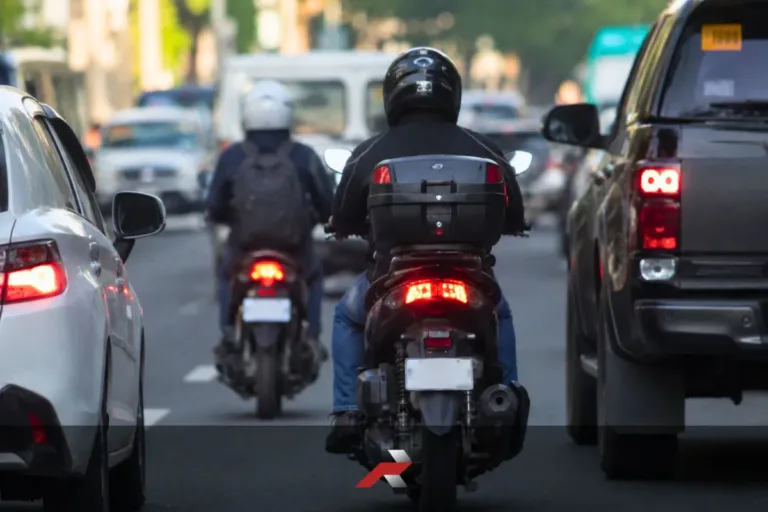
In stop-and-go traffic, heat behaves differently. Engines stay hotter longer. Tires warm faster. Helmets trap more moisture. Brakes work harder. These changes do not show up in quick weekend rides.
The points here come from real rider usage in Philippine conditions. Daily commutes. Long traffic waits. Afternoon errands. The value is simple. Fewer surprises when summer riding becomes routine.
Summer heat shows itself quietly during daily riding. Throttle response feels slightly heavier in traffic. Cooling fans cycle more often. Idle feels warmer than usual when stuck at lights.
Tires heat up faster on sunbaked roads. Grip changes subtly, especially during sudden stops. Brakes feel fine at first but fade quicker after repeated use in traffic. None of this means something is broken.
These are heat patterns, not failures. Riders notice them most during mid-day rides through city routes. The bike behaves differently because components stay hot longer between stops. Understanding this prevents unnecessary worry and rushed repairs.
After any summer PMS, ask the mechanic how long the bike sat idling during testing.
Extended idling during hot conditions affects heat soak. Knowing this helps you interpret early ride feel without assuming something went wrong.
Some riders change fluids early. Others leave everything untouched. Both approaches work depending on usage. The trade-off is about timing, not upgrades.
Fresh coolant helps bikes that idle often in traffic. Thicker oil may feel smoother on highways but heavier in city heat. Tire pressure adjustments become more sensitive during hot afternoons.
A local riding comparison published by visor.ph notes that many heat-related complaints come from pressure changes rather than worn parts. Riders who check timing rather than parts often avoid unnecessary replacements.
There is no single answer. Summer riding highlights habits more than hardware.
| Item | What Changes in Summer | What Riders Usually Do |
|---|---|---|
| Tire Pressure | Expands faster in heat | Check mid-day, not morning |
| Coolant Level | Evaporates slowly | Visual check before long rides |
| Brake Feel | Fades sooner in traffic | Longer following distance |
| Helmet Liner | Retains sweat | Air-dry after rides |
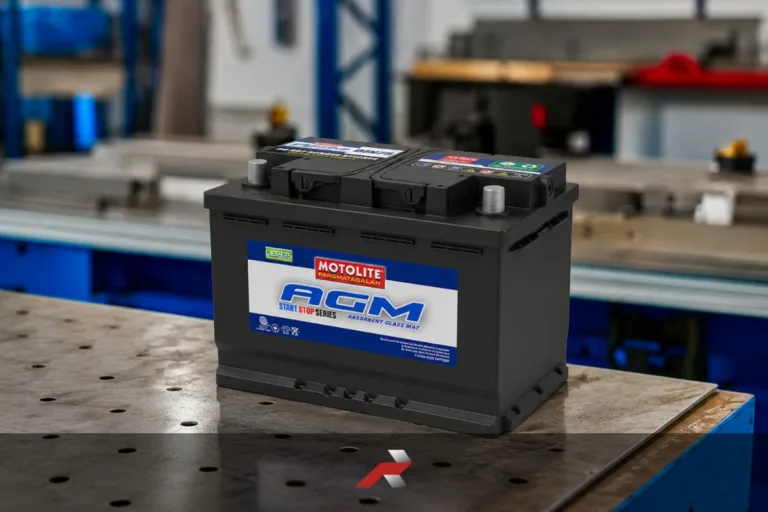
| Battery | Works harder in heat | Observe cranking strength |
| Chain | Dries quicker | Clean sooner than usual |
These are observations, not rules. Patterns differ by riding style and route.
Extended summer riding reveals patterns. Riders notice that small habits matter more than upgrades. Parking under shade helps cooling more than additives. Letting the bike cool before covering prevents trapped heat.
Helmets start smelling faster. Visors fog differently due to sweat, not rain. A long-term ownership reference from motorcycle.com highlights that rider fatigue, not mechanical failure, becomes the limiting factor during prolonged heat exposure.
Most summer complaints fade once riders adjust expectations. The bike did not change overnight. Usage did.

Heat also affects visibility and visor choice, which comes up often in traffic-heavy routes. A real-world riding perspective appears in this discussion about clear versus smoked helmet visors where daily glare and heat buildup intersect.
Summer-related adjustments cost more time than money. Extra pressure checks. More frequent cleaning. Slightly shorter service intervals for heavy commuters.
Downtime usually comes from misreading symptoms. Riders replace parts instead of adjusting habits. A bike that overheats once in traffic does not automatically need a new radiator or fan.
Convenience improves when riders plan rides around heat peaks. Reliability stays steady when expectations match conditions. Summer riding is demanding, not damaging.
If your bike feels off after a hot ride, wait until the next cool morning before deciding anything.
Comparing hot versus cool behavior gives better context than immediate assumptions.
Heat increases wear only when combined with neglect. Normal engines handle summer riding if cooling and oil remain within range.
Only if your riding involves heavy traffic and long idle times. Mileage matters more than temperature alone.
No. Heat already increases pressure. Mid-day checks give more accurate readings than early mornings.
Ventilation helps comfort, not safety alone. Fit and airflow matter more than material labels.
Sweat buildup and trapped heat affect comfort and visibility. Drying liners properly reduces this issue.
Adjusting summer riding habits early often prevents premature part replacement caused by misread heat symptoms during daily use.
RobiMotoPH
Summer riding exposes small gaps in routine. Heat changes how motorcycles and riders behave over time. This Summer Heat Riding Preparation Checklist is about recognizing patterns, not chasing fixes. When riders understand what heat actually does during daily use, decisions become calmer and more accurate. The goal is simple. Ride through summer with fewer surprises and clearer expectations.