Skip to content
Contact & Community
📍 Metro Manila, Philippines
🌐 robimotoph.com
✉️ hello@robimotoph.com
📱 +63 917 517 0594
📍 Metro Manila, Philippines
🌐 robimotoph.com
✉️ hello@robimotoph.com
📱 +63 917 517 0594


Transferring ownership of a motorcycle in the Philippines can be confusing for first-time riders. This complete guide breaks down every step — from deed of sale to LTO verification — based on real experiences, including Ka-Robi’s visit to LTO Valenzuela. Learn the process, avoid scams, and protect your bike’s record while supporting a culture of honest, transparent riding.
Transfer of Ownership for Motorcycle Philippines is one of the most searched topics among riders — and for good reason. Many of us have bought second-hand bikes from friends or online sellers without knowing the proper process. Some get stuck with papers that never move. Others lose money trying to “shortcut” the system.
I’ve seen this firsthand when I visited LTO Valenzuela, where riders lined up early just to process pending documents. That day reminded me — transparency matters just as much as horsepower.
So let’s break it down together. This isn’t just paperwork; it’s part of protecting our community and keeping the road safe for everyone.
Before anything else, let’s clear what it means. The transfer of ownership officially records that your motorcycle now belongs to you. It updates the Land Transportation Office (LTO) database with your name and address.
How Responsible Riders Keep the System Clean: The Real Value of Motorcycle Ownership Transfer.
This matters because it proves responsibility. If your bike is involved in an incident, authorities will contact the current registered owner. That’s why skipping the transfer can lead to serious problems later on — from unpaid penalties to criminal liability.
Why It’s Often Ignored
But the truth is, once you know the flow, it’s straightforward — and worth every step.
The LTO requires the following:
Keep everything organized in a motorcycle document holder while processing. It saves time when you’re at the counter and prevents lost receipts.
Let’s go through the flow as if you’re at the LTO.
Before paying, check the OR/CR against the bike’s engine and chassis numbers. If possible, bring the motorcycle to the LTO district or satellite office for verification.
This helps ensure the bike isn’t listed as stolen or under legal dispute.
A notarized Deed of Sale proves the transaction. Don’t rely on screenshots or text messages. Ask for original copies — one for you, one for the seller.
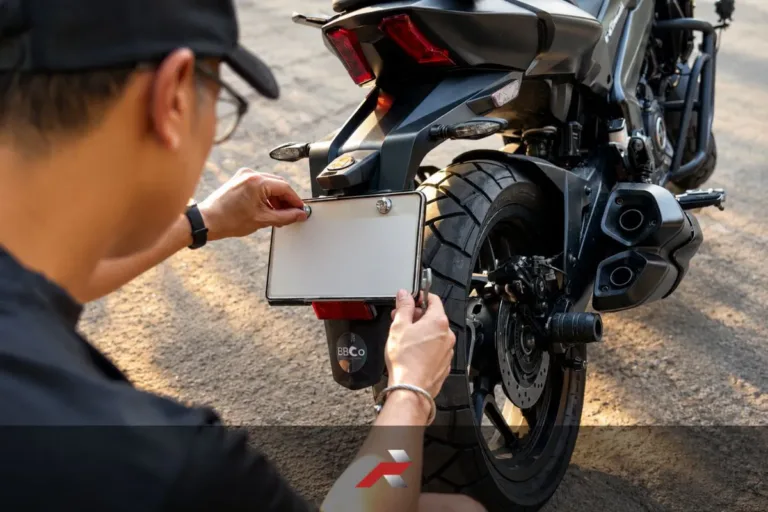
Head to your nearest PNP-HPG office. They’ll inspect your bike, verify the serial numbers, and issue a clearance.
This step adds transparency — part of building a traceable record that helps fight motorcycle theft.
Before LTO accepts your papers, your bike must have valid insurance. Most riders go for Third-Party Liability (TPL). You can get it from accredited insurance desks near the LTO.
This ensures your motorcycle meets environmental standards. It’s also one of the quiet ESG-aligned parts of the process — it keeps air cleaner while promoting responsible ownership.
Go to the LTO district office where the motorcycle was originally registered, or the one nearest you. Line up under “Transfer of Ownership.”
Once verified, pay the transfer fee and wait for your updated OR/CR under your name.
This usually takes one to three working days depending on volume.
| ITEM | ESTIMATED COSTS (PHP) |
|---|---|
| Notarized Deed of Sale | 300 – 500 |
| PNP-HPG Clearance | 300 – 600 |
| Emission Test | 450 – 500 |
| Insurance (TPL) | 300 – 800 |
| LTO Transfer Fee | 250 – 500 |
| TOTAL | ≈1,500 – 2,500 |
Always prepare extra for small photocopying and stencil fees.
If you’re processing at LTO Valenzuela, expect efficiency — the system there has improved since my last visit. I talked about that in my LTO Valenzuela vlog, where we saw how digital queues and clearer signages made a difference.
If the previous owner cannot be reached, you’ll need to file an affidavit of loss and request a duplicate OR/CR. Always complete the sale properly before handing over cash.
Sometimes, the PNP-HPG clearance gets delayed. Best to schedule early in the morning. Bring your tools — some offices ask you to remove panels for stenciling.
Even after paying, some riders find their name not yet reflected in LTO’s database. Keep your receipt and follow up after one week.
Transparency in record-keeping may seem small, but it strengthens the community’s trust in the system — and that’s part of why we share these stories.
Before: you buy a used motorcycle thinking it’s a shortcut to freedom.
During: you face long lines, missing signatures, and slow systems.
After: you realize that every step mattered — not just for legality, but for peace of mind.
It’s like doing maintenance. It feels tedious, but it saves you from bigger trouble down the road.
And in a broader sense, every rider who processes their papers properly helps reduce the number of unregistered bikes — meaning fewer untraceable accidents and less illegal resale.
Simple habits like these show respect — for your bike, for the process, and for others in line.
Owning a motorcycle isn’t just about pride; it’s also about accountability. When riders comply with transfer procedures, they make the roads safer and help clear backlogs at the LTO.
It’s a quiet kind of sustainability — extending the life of legitimate bikes and cutting down on those that disappear into the black market. Local riders, mechanics, and small shops also benefit when the system runs cleanly.
This shared responsibility is the real heart of ESG for our community — everyday honesty, not fancy words.
Think about it: every clean transaction adds one more verified motorcycle to the national record. That’s data that can guide better road planning, emissions tracking, and theft prevention.
It also empowers small local garages who depend on legitimate customers. When we promote transparency, we support their livelihood.
So yes — the paperwork may be boring. But it’s part of a larger story about being a responsible Filipino rider.
If your bike came from another region or if the previous owner lost key documents, you can:
Avoid “fixers.” They promise speed but often create bigger legal problems later on.
If you want real guidance, communities like ours share updates and experiences through RobiMoto Facebook page and through vlogs like the one we did in Valenzuela.
Here’s something many don’t realize — legal transfer helps sustain your motorcycle’s value.
A properly documented bike lasts longer in the market. It can be resold or passed down easily, reducing the need for new manufacturing and minimizing waste — a small but real nod to global sustainability goals from organizations like the United Nations Environment Programme.
You’re not just doing this for paperwork. You’re taking part in a cycle of responsible ownership that respects both law and environment.
Doing the Transfer of Ownership for Motorcycle Philippines isn’t just another errand. It’s a sign that we care — about the community, about the next owner, and about the road we share.
Every form filled out, every clearance secured, and every line waited in is part of building a transparent and sustainable riding culture.
So next time someone says, “Ang daming requirements,” remind them — this isn’t bureaucracy. It’s responsibility in action.
From Paperwork to Purpose: How Legal Transfers Build a Sustainable Riding Culture.
Usually 1–3 working days, depending on LTO office traffic and document completeness.
urrently, most steps must be done in person, though some LTO offices now accept online appointment bookings.
They can execute a notarized Special Power of Attorney authorizing someone in the Philippines to sign the Deed of Sale.
Yes, as long as you carry the deed of sale, photocopies of IDs, and receipts showing ongoing processing.
Yes, at least Third-Party Liability (TPL) coverage is mandatory before registration or transfer.
DISCLAIMER: RobiMotoPH is a Shopee Affiliate. Some of the links in this article are affiliate links, which means we may earn a small commission if you purchase through them; at no extra cost to you. This helps us keep creating helpful motorcycle content for the community. Ride safe, mga Ka-Robi!