 Skip to content
Contact & Community
📍 Metro Manila, Philippines
🌐 robimotoph.com
✉️ hello@robimotoph.com
📱 +63 917 517 0594
📍 Metro Manila, Philippines
🌐 robimotoph.com
✉️ hello@robimotoph.com
📱 +63 917 517 0594

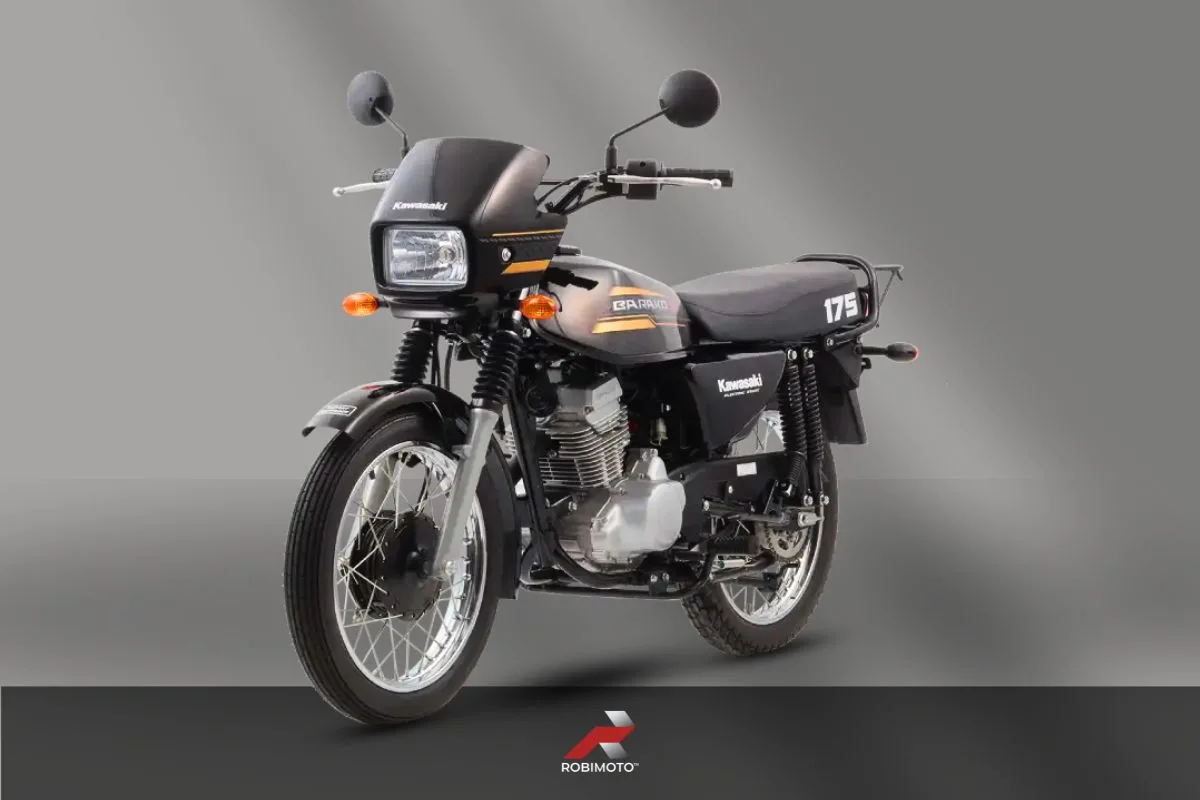
Scooters vs underbones is one of the hottest debates among Filipino commuters. With scooters dominating sales and underbones proving their durability, which one truly fits the daily grind of Filipino riders? Let’s break it down.
Scooters vs Underbones is one of the most debated topics among Filipino riders today. From Facebook groups to weekend tambike conversations, commuters constantly ask the same question: Which motorcycle makes more sense for daily life in the Philippines?
According to reports from TopGear Philippines, scooters now account for around 60% of motorcycle sales nationwide. That dominance reflects their convenience in city traffic.
Yet underbones like the Kawasaki Barako and Honda TMX remain trusted by riders who prioritize durability, load capacity, and long-term reliability.
So this is not just a style debate.
It’s a lifestyle decision.
Before choosing between scooters and underbones, new riders should understand their riding goals, budget, and skill level. If you are still figuring that out, start here:
Beginner Motorcycle Buying Guide: Start Your Ride Right
That guide breaks down how to match a motorcycle to your real-world needs before comparing specific categories.
From my own experience navigating Manila traffic, both scooters and underbones have clear strengths and weaknesses. This article explores those trade-offs in depth to answer one central question:
In the battle of scooters vs underbones, which is the smarter choice for the Filipino commuter?
Scooters dominate today’s motorcycle market because of one word: convenience.
Their automatic transmission makes riding easier for beginners and busy urban professionals. Instead of worrying about shifting gears in traffic, riders simply twist the throttle and go.
Another major factor is design.
Scooters feature a step-through frame and under-seat storage, making them practical for daily errands. Many models can carry helmets, groceries, or work essentials without adding external boxes.
Based on industry reports, scooter sales are driven by first-time riders and commuters looking for fuel-efficient alternatives to cars. In dense cities like Metro Manila, that simplicity matters.
But convenience is only half of the commuter story.
To understand the full comparison, you also need to understand the alternative category. I break this down in detail here:
What Are Underbone Motorcycles? A Beginner’s Guide for Filipino Riders
That guide explains how underbones differ in structure, transmission, durability, and real-world use cases in the Philippines.
Clearly, scooters offer comfort and ease. They match the fast-paced urban lifestyle.
But does convenience alone make them the smarter long-term commuter choice over underbones?
Let’s look deeper.
While scooters dominate urban sales, underbone motorcycles still matter in the Philippines for one major reason: long-term durability.
Often called “backbone” bikes, underbones have served as trusted workhorses on local roads for decades. Riders value their:
Models like the Kawasaki Barako and Honda TMX are widely known as “pang-hanapbuhay” motorcycles. Their load-carrying ability makes them essential for delivery riders, tricycle operators, and small business owners across the country.
Underbones are not just commuter bikes. They are income-generating machines.
Another reason they remain relevant is accessibility. Mechanics nationwide understand their simple engineering. Repairs are affordable. Spare parts are widely available, even in provincial towns.
That mechanical familiarity builds long-term trust.
Despite their old-school image, underbone motorcycles continue to serve Filipino riders who prioritize durability, practicality, and cost-effectiveness over modern tech features.
In the scooters vs underbones debate, this is where underbones quietly win.
When comparing scooters vs underbones, cost and fuel efficiency are often the deciding factors for Filipino commuters.
Both categories offer budget-friendly options.
In terms of upfront cost, the difference is usually minimal.
The real difference appears over time.
Both scooters and underbones are fuel-efficient. However, their riding style and transmission systems affect consumption.
Because underbones use simpler manual or semi-automatic transmissions, experienced riders can squeeze slightly better mileage through proper gear control.
For pure fuel savings, underbones often have a small edge.
Here is where the debate becomes clearer.
Scooters:
Underbones:
Underbones are generally cheaper to maintain long term, especially outside major cities.
If your priority is:
In the scooters vs underbones comparison, scooters win on convenience.
Underbones win on durability and long-term value.
Now the real question becomes:
What matters more to you — ease or endurance?
When comparing scooters vs underbones, durability is not just about parts. It’s about how the motorcycle survives daily Filipino conditions.
Think about:
This is where underbones built their reputation.
Underbones use straightforward engine layouts and manual or semi-automatic transmissions. Fewer complex systems mean fewer expensive surprises.
In many provinces, even small-town mechanics can service them easily. Parts are affordable and widely available.
That accessibility matters.
Scooters are extremely reliable when maintained properly. However:
For purely urban commuting, scooters perform well. But under heavy commercial use, maintenance costs can stack up faster.
If used for:
In the scooters vs underbones debate, scooters prioritize convenience.
Underbones prioritize endurance.
Neither is weak.
They’re built for different pressures.
And that distinction is what most buyers overlook.
When comparing scooters vs underbones, the biggest difference often comes down to how the motorcycle fits your daily routine.
Metro Manila traffic is unpredictable. Stop-and-go movement is constant.
Scooters shine here.
Twist and go. That simplicity reduces stress, especially during rush hour.
Underbones, on the other hand, require more rider involvement. For experienced riders, that control feels natural. For beginners, it can feel tiring at first.
Scooters usually win in convenience.
For office workers and students, this matters.
Underbones typically require external boxes or racks for storage. They are more functional than comfortable.
Scooters offer a relaxed, upright riding posture. Many models prioritize seat cushioning and suspension comfort.
Underbones are generally lighter and narrower. They feel agile and responsive but can be firmer on rough roads depending on the model.
If your commute is short and urban, scooters feel effortless.
If your route includes mixed roads, long distances, or business use, underbones may feel more dependable.
Ask yourself:
In the scooters vs underbones comparison, the better motorcycle is the one that matches your lifestyle — not the one trending online.
After comparing scooters vs underbones, the answer is not about which category wins overall.
It is about which one fits your daily reality.
Scooters reduce daily stress. They simplify commuting. For many urban professionals and students, that ease makes a huge difference.
If you’re leaning toward this route and want a real-world Metro Manila comparison, read Yamaha Aerox 155 vs Rivals: Best Scooter for Metro Manila in 2025?. That guide breaks down traffic practicality, fuel efficiency, pricing, and why certain scooters dominate city roads.
Underbones are built to endure. They are practical, affordable, and proven in real Filipino conditions.
In the scooters vs underbones debate:
Neither is wrong.
But choosing the wrong one for your lifestyle can cost you money, comfort, and confidence.
Before deciding, ask yourself:
Are you commuting for comfort?
Or riding for resilience?
Choose based on how you actually ride — not what trends online.
In general, underbones are slightly cheaper upfront and more affordable to maintain long term due to their simpler mechanical design. Scooters may cost more because of automatic CVT systems and added features. However, pricing overlaps depending on brand, displacement, and whether you prioritize technology or durability.
Both scooters and underbones are fuel-efficient, especially in the 125cc to 155cc range. Underbones often achieve 45 to 60 km/L when properly geared. Scooters typically average 40 to 50 km/L in city traffic. Real-world efficiency depends more on riding habits than category alone.
Underbones are generally easier and cheaper to maintain because they use simpler manual or semi-automatic systems. Parts are widely available even in provincial areas. Scooters require regular CVT maintenance, including belt and roller checks, which adds recurring service costs over time.
Scooters are usually better for heavy stop-and-go traffic because they eliminate manual shifting. Automatic transmission reduces fatigue during rush hour. Underbones offer more control but require clutch or gear operation, which can feel tiring for beginners in dense Metro Manila conditions.
Underbones are preferred for business and hauling purposes. Models like the Honda TMX and Kawasaki Barako are known for load capacity and durability. Their simpler mechanical setup handles long daily use, rough roads, and cargo work better than most scooter configurations.
Featured image via Motor Central Group. All rights belong to their respective original owners.

You must be logged in to post a comment.





Simple Rider Habits That Slowly Damage the Motorcycle Community | Real-World Ride Commentary