Skip to content
Contact & Community
📍 Metro Manila, Philippines
🌐 robimotoph.com
✉️ hello@robimotoph.com
📱 +63 917 517 0594
📍 Metro Manila, Philippines
🌐 robimotoph.com
✉️ hello@robimotoph.com
📱 +63 917 517 0594


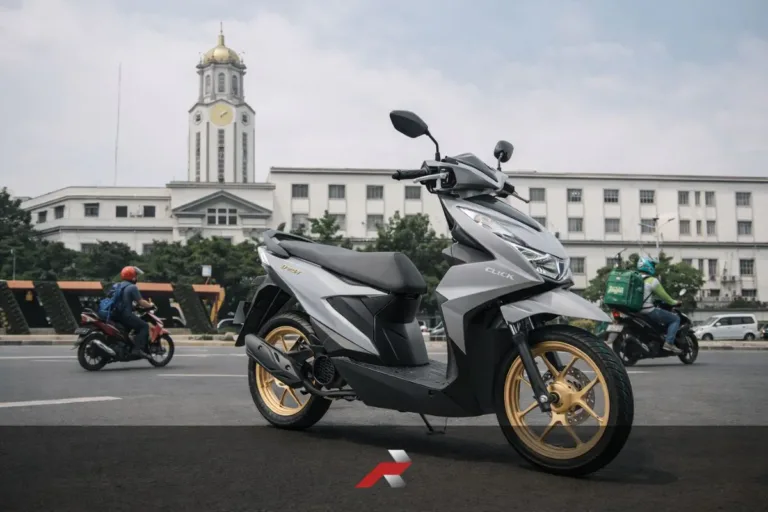
Honda Philippines sells over 1 million motorcycles in 2025, reinforcing its position as the dominant motorcycle brand in the country. The milestone highlights the continued growth of scooters, commuter motorcycles, and financing-driven ownership in the Philippines. Honda’s strong dealership network, wide product lineup, and accessible installment programs continue to shape how Filipinos buy and use motorcycles. This achievement is not just about sales numbers but also about market behavior, urban mobility, and the future direction of the Philippine motorcycle industry. The milestone shows how commuter motorcycles remain the backbone of transportation across Metro Manila and provincial areas.
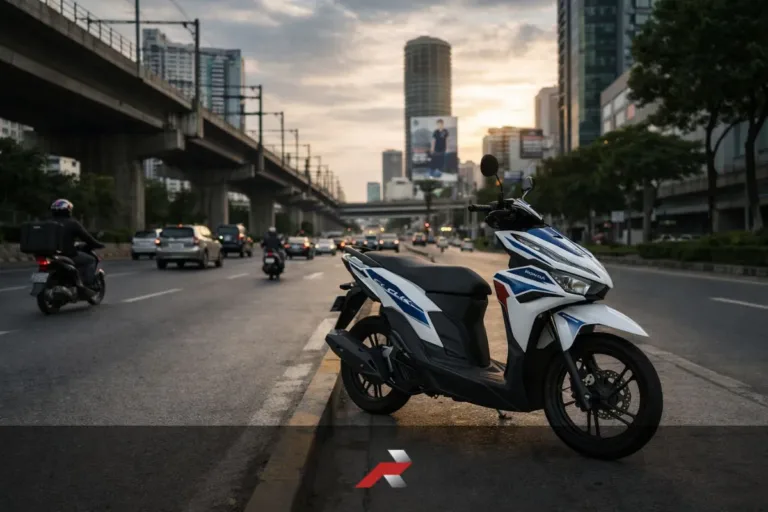
Honda continues to dominate the Philippine motorcycle market because of its strong scooter lineup, nationwide dealership network, financing accessibility, and focus on transportation motorcycles. While other brands focus on performance, lifestyle, or big bikes, Honda focuses on everyday mobility for Filipino riders. Models like the Honda Click, Beat, PCX, ADV, and Wave are commonly used for commuting, delivery work, and small businesses. This article explains why Honda remains the market leader, how its business strategy works, and what this means for the future of the motorcycle industry in the Philippines.
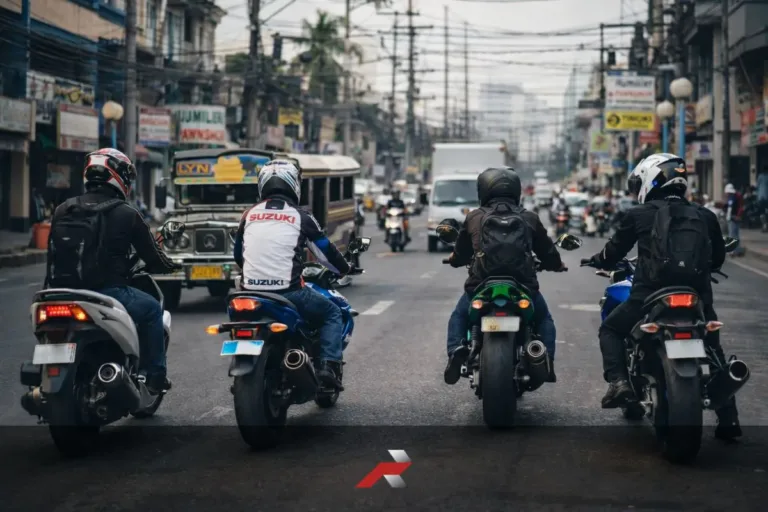
The Philippine motorcycle market is dominated by a few major brands, each with a different strategy and target market. Honda leads in scooters and commuter motorcycles, Yamaha focuses on sporty scooters and lifestyle models, Suzuki remains strong in underbones and niche segments, while Kawasaki dominates the big bike category. Meanwhile, KTM, CFMOTO, and Chinese motorcycle brands are slowly entering and expanding in the Philippine market. This article explains Philippine motorcycle market share, brand strategies, target customers, and the future direction of the motorcycle industry in the Philippines.
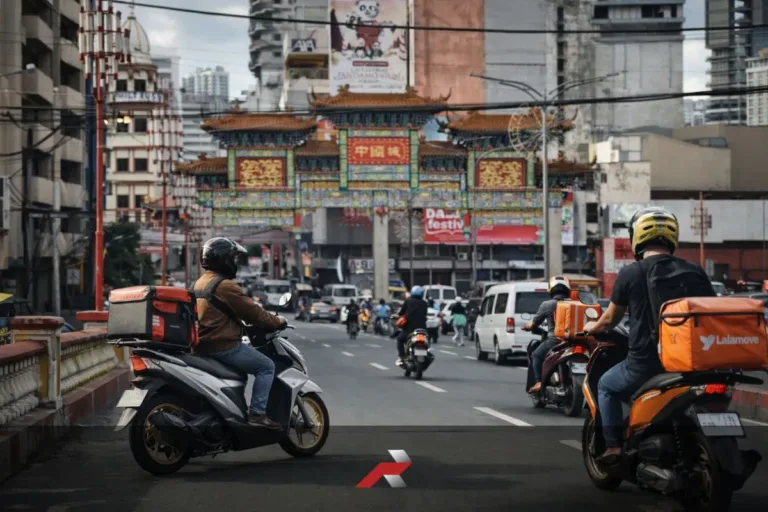
Scooters dominate the Philippine motorcycle market because they are practical, affordable, and easy to use for daily transportation. Many Filipinos use scooters for commuting, delivery work, and small businesses. Fuel economy, automatic transmission, storage space, and financing options make scooters more accessible compared to big bikes and manual motorcycles. Models like Honda Click, Yamaha NMAX, Aerox, ADV, and PCX are popular because they fit daily riding conditions in traffic and urban areas. This article explains why scooters continue to dominate the Philippine motorcycle market and why this trend will likely continue in the future.
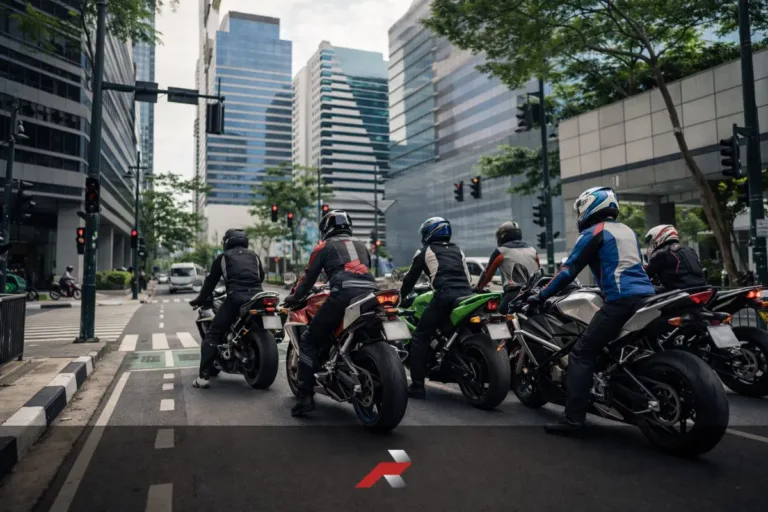
The Big Bike Market Philippines is often seen on social media through group rides, motorcycle events, and lifestyle content, but does this reflect real market growth? This article explores whether the big bike segment is truly expanding or if it only appears large online. We will look at ownership costs, rider behavior, financing, maintenance, and market trends to understand the real situation of big bikes in the Philippines. This also explains why small displacement motorcycles still dominate the market and where big bikes fit in the overall motorcycle industry in the country.

Honda reaching 1 million motorcycle sales in the Philippines is more than just a sales milestone. It reflects how Filipinos use motorcycles for daily transportation, delivery work, and small businesses. Financing options, fuel efficiency, traffic conditions, and commuter culture all contribute to the dominance of small displacement motorcycles and scooters. This milestone also shows how Honda influenced buying habits, market behavior, and motorcycle ownership trends in the country. In this article, we explain what Honda’s sales milestone means for Filipino riders, the motorcycle industry, and the future of motorcycle ownership in the Philippines.
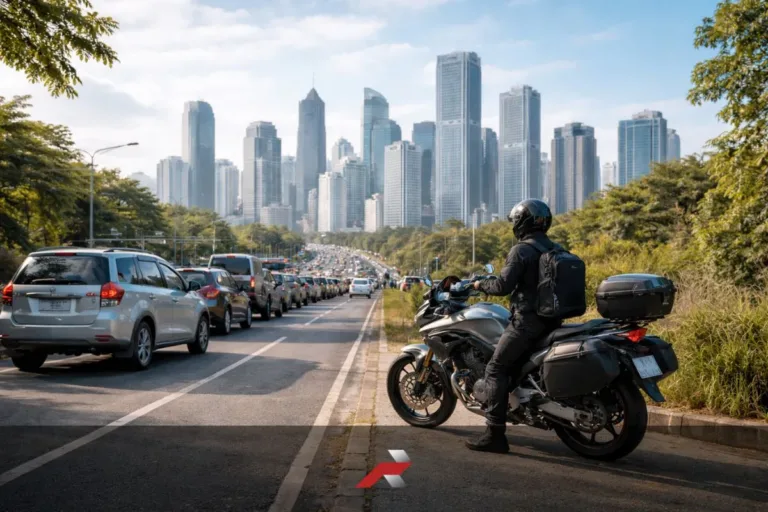
The future of the motorcycle industry in the Philippines is changing fast due to urban traffic, rising fuel costs, electric motorcycle development, and the growing big bike community. Honda continues to lead the market, but Yamaha, Suzuki, Kawasaki, and new Chinese brands are also influencing the direction of the industry. From scooters dominating daily transportation to big bikes becoming lifestyle machines, the Philippine motorcycle market is evolving every year. This article explores industry trends, electric motorcycles, market direction, and what Filipino riders can expect in the coming years as the motorcycle industry continues to grow.
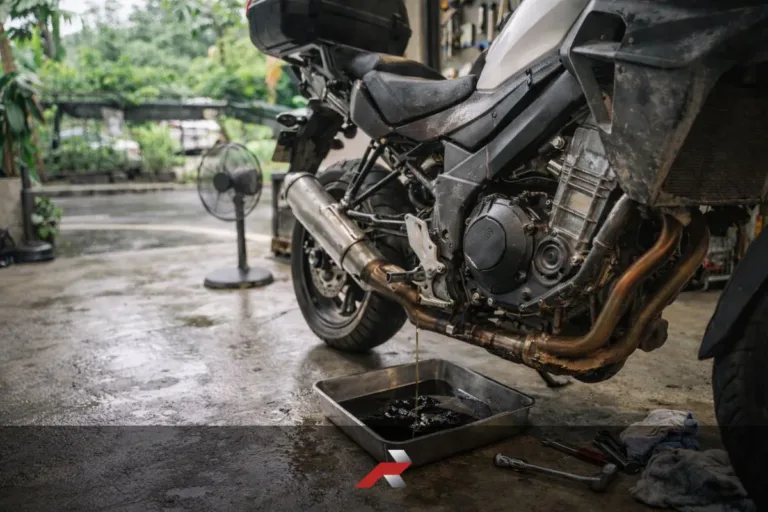
Many riders ask about the correct big bike oil change interval Philippines riders should follow, but the answer is not always the same for everyone. Oil change interval depends on traffic conditions, riding style, engine size, oil type, and climate. In the Philippines, heat, humidity, heavy traffic, and short rides can shorten oil life faster compared to highway riding. Changing oil too early wastes money, but changing oil too late can damage the engine. This guide explains oil change intervals for big bikes, what affects oil life, and how Filipino riders can build a proper and practical maintenance schedule.
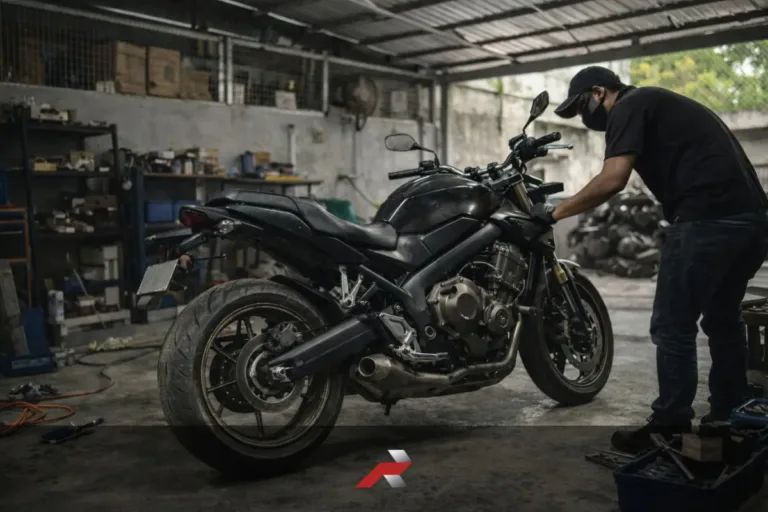
Owning a big bike in the Philippines requires a different maintenance approach compared to colder countries. Heat, humidity, traffic, and flooded roads all affect engine oil, chain life, brakes, and electrical components. This guide explains the big bike maintenance schedule for tropical climate Philippines, including service intervals, preventive maintenance, and real-world riding conditions. Whether you ride daily or on weekends, following the correct maintenance schedule will help extend engine life, improve safety, and reduce unexpected repair costs. This evergreen guide is designed for Filipino riders who want their motorcycles to stay reliable, efficient, and ready for long rides.

Choosing the best touring tire for Philippine monsoon season is important for safety, stability, and tire lifespan. Philippine roads include concrete highways, asphalt with tar strips, flooded streets, and long provincial rides under extreme heat. Not all touring tires perform well in these conditions. Some offer better wet braking, while others last longer under heavy load and top box setups. This guide compares Michelin, Pirelli, and Dunlop touring tires based on Philippine road conditions, price in the Philippines, availability, tire lifespan, and stability at highway speeds. This helps riders choose the right tire for daily riding, long rides, and monsoon season safety.