Skip to content
Contact & Community
📍 Metro Manila, Philippines
🌐 robimotoph.com
✉️ hello@robimotoph.com
📱 +63 917 517 0594
📍 Metro Manila, Philippines
🌐 robimotoph.com
✉️ hello@robimotoph.com
📱 +63 917 517 0594

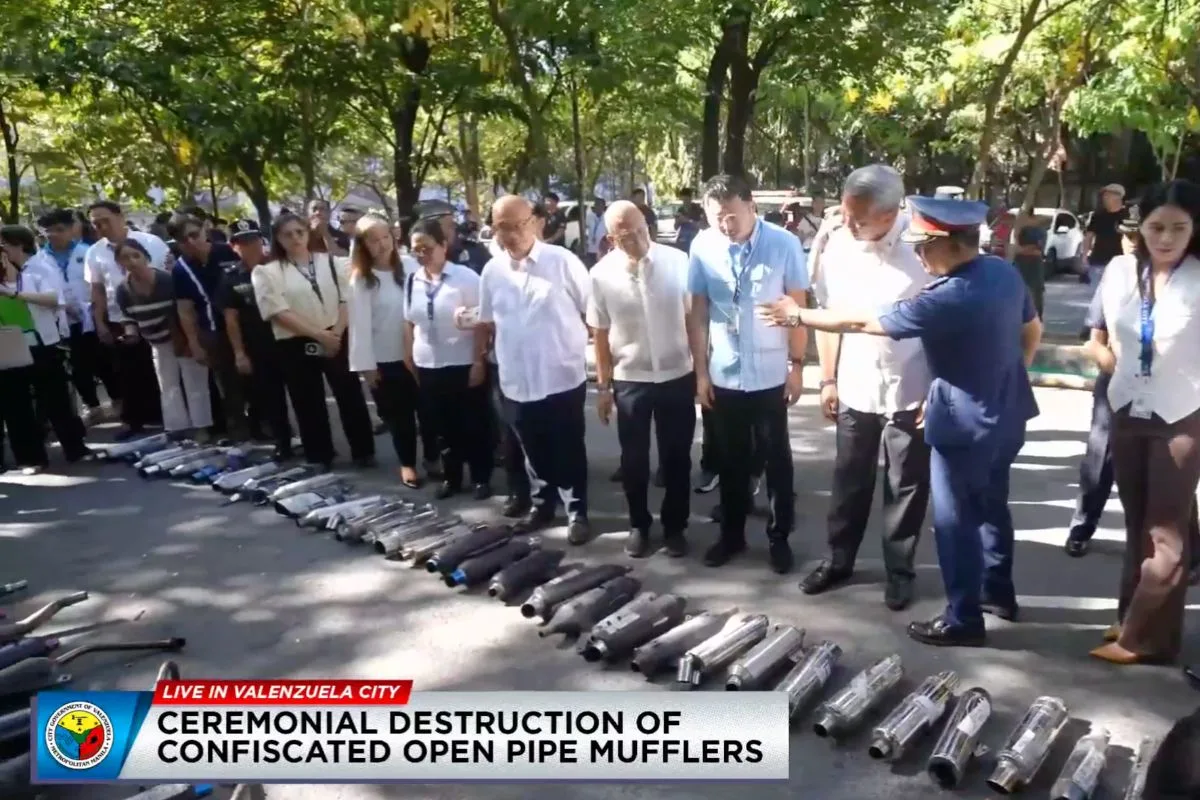
The issue of confiscated open pipe mufflers in the Philippines is not just about loud exhausts or rider preference. It is also about public road compliance, proper testing, local enforcement, community peace, and due process before property is destroyed. Many riders argue that a muffler is private property because it was legally bought, but public road use follows a different standard. This article explains what riders should understand about LGU enforcement, aftermarket mufflers, PMVIC limits, and the responsibility that comes with motorcycle modification in the Philippines. The goal is simple: ride responsibly, question fairly, and understand the rules.
Confiscated open pipe mufflers Philippines became a hot topic again after Valenzuela City publicly destroyed seized motorcycle mufflers. The issue is not simply about whether riders own the pipe. The better question is whether the muffler was road-compliant, properly tested, legally confiscated, and processed with due procedure before destruction.
That is where the discussion becomes serious.
Some riders argue that a muffler is private property because it was bought legally. Others support strict action because loud pipes disturb communities. Both sides have a point, but both sides can also miss the bigger issue.
Motorcycle ownership gives riders rights. Public road use gives riders responsibilities.
For many Filipino riders, a motorcycle is not just a weekend toy. It is used for work, family errands, school runs, deliveries, and daily commuting.
That is why any enforcement issue involving motorcycle parts matters.
A muffler can cost thousands of pesos, so riders naturally treat it as personal property. Many buy from registered shops, keep receipts, and assume that a taxed purchase should protect them from apprehension. But road compliance follows a different standard.
That argument sounds fair at first.
But road use is different from private ownership.
A product can be legal to sell, yet still be regulated when used on public roads. That applies to lights, horns, plates, side mirrors, tires, and exhaust systems.
This is why riders should not stop at the question, “Binili ko ba ito nang legal?”
The better question is, “Legal ba itong gamitin sa public road?”
For wider context, this connects directly to RobiMotoPH’s earlier guide, Is It Legal to Modify a Motorcycle in the Philippines? What Every Rider Should Know.
Based on a report from Remate Online, Valenzuela City destroyed 287 open-pipe mufflers that were confiscated from riders who allegedly violated the city’s Muffler Regulation Ordinance or Motorcycle Noise Ordinance.
The act was done publicly, with national and local officials present.
This made the issue more visible. It also revived an old rider debate.
Is this discipline, or is this too much?
For RobiMotoPH, the cleaner answer is this: noise enforcement may be necessary, but it must be clear, objective, documented, and fair.
This is the common mistake in the comment section.
Many riders say, “Private property yan. Binili ko yan. May resibo yan.”
Yes, the item may be private property. But when it is installed on a motorcycle used on public roads, the issue changes.
The road is not private.
A motorcycle affects other people once it leaves the garage. It affects residents, pedestrians, schools, churches, hospitals, workers, and other road users.
That is why the government can regulate vehicle noise, emissions, and roadworthiness.
A receipt proves purchase. It does not automatically prove road compliance.
A shop’s business registration proves that the seller may be operating legally. It does not automatically prove that every muffler sold is legal for every motorcycle and every road situation.
That line must be clear.
The LTO has already clarified that passing a PMVIC noise inspection does not automatically make an aftermarket muffler fully legal.
Based on a report from the Philippine News Agency, PMVICs check muffler noise compliance, but they do not certify the overall legality of aftermarket mufflers. The same report noted that vehicles with aftermarket mufflers may still be apprehended if they are non-compliant with other applicable rules.
This is important because many riders assume one inspection result solves everything.
It does not.
That is why RobiMotoPH previously explained the issue in LTO Clarifies Rules on Aftermarket Motorcycle Mufflers and PMVIC Inspections in the Philippines.
Passing a noise test may help your case. But it does not automatically answer questions about manufacturer specifications, emissions, unauthorized modifications, or local ordinance compliance.
The strongest rider concern is not simply confiscation.
It is destruction.
Confiscating a non-compliant item during enforcement is already serious. Destroying it is even more serious.
That is why enforcement must be clear.
Before a muffler is confiscated or destroyed, riders deserve clear answers to basic due process questions.
Was an objective test conducted?
Did the enforcer use a sound meter or an approved testing method?
Is the violation properly documented?
Were the rider and motorcycle details recorded?
Did the rider receive a citation or official notice?
Was the muffler clearly identified as an open pipe or non-compliant exhaust?
Does the local ordinance allow confiscation, destruction, or both?
These are not anti-government questions. These are due process questions.
A disciplined rider can support noise regulation and still ask for fair enforcement.
That is not rebellion. That is basic accountability.
Riders also need to be honest.
Some motorcycles are simply too loud.
Not “malakas lang ang dating.” Not “big bike sound.” Just loud enough to disturb people.
In many neighborhoods, loud exhaust noise becomes a real daily problem. Early morning starts, late-night revving, and unnecessary throttle blips can affect families, workers, students, babies, and people who simply need quiet rest.
That is why LGUs respond.
Noise pollution is not a small issue for people who have to live with it every day.
A rider may enjoy the sound of an open pipe, but the whole barangay did not agree to join the ride.
That is the hard truth.
At the same time, enforcement should not rely only on appearance.
An aftermarket muffler is not automatically an open pipe. A branded exhaust is not automatically illegal. Even a stock-looking system can become questionable if it was modified, damaged, or poorly maintained.
If a rider is apprehended just because the pipe “looks loud,” that creates confusion and distrust.
The better standard is objective enforcement.
A noise limit needs proper measurement. A local ordinance needs a clear explanation. A violation needs documentation, not guesswork.
Clear rules protect both sides.
They protect communities from abusive noise. They also protect responsible riders from unfair treatment.
This is another important point.
Aftermarket mufflers are not automatically illegal.
Based on a report from Top Gear Philippines, the LTO said branded aftermarket motorcycle mufflers bought from authorized dealers and compliant with national standards are generally not subject to apprehension.
That statement matters.
It means the discussion should not be reduced to “stock is legal, aftermarket is illegal.”
The better question is compliance. A compliant aftermarket muffler is different from an open pipe installed mainly for noise. Riders should not defend every loud setup by hiding behind the word “aftermarket.”
In short, aftermarket is not the enemy. Non-compliance is.
Before installing an aftermarket exhaust, riders should think beyond sound.
Ask these questions first:
Is it street-legal?
Does it have a silencer or dB killer?
Does it have a catalytic converter?
Can it pass a noise test?
Will it affect emissions?
Is it from a reputable seller?
Can the shop provide proper documentation?
Is it practical for daily use?
The last question matters more than riders admit.
A loud pipe may sound fun for five minutes. But if it brings apprehension risk, community complaints, and registration problems, it may not be worth it.
LGUs have the right to protect communities from excessive noise. But fair enforcement builds more trust than public spectacle.
If mufflers are confiscated and destroyed, the process should be transparent.
Show the ordinance. Explain the procedure. Record the violation. Use proper testing. Allow riders to understand what happened.
Enforcement should educate, not just intimidate.
When riders understand the rules, compliance becomes easier.
When riders feel targeted, resistance grows.
The issue of confiscated open pipe mufflers in the Philippines should not be treated as a simple rider-versus-LGU fight.
LGUs have a duty to protect communities from excessive noise. Riders also have a right to fair, objective, and properly documented enforcement.
The better standard is simple:
Test properly. Enforce clearly. Document everything. Respect due process. Ride responsibly.
Because discipline protects the rider more than noise ever will.
Open pipe mufflers may be considered illegal if they violate noise limits, emission rules, vehicle modification rules, or local ordinances. Riders should not assume a muffler is road-legal just because it was sold by a shop.
An LGU may enforce local ordinances against excessive motorcycle noise. However, enforcement should follow proper procedure, clear documentation, and objective testing when applicable.
Destruction may be allowed if the mufflers were legally confiscated and processed under the applicable ordinance. The key issue is due process before destruction.
No. A receipt proves purchase. It does not automatically prove that the muffler is compliant for public road use.
Not automatically. The LTO clarified that PMVICs check muffler noise compliance, but they do not certify the full legality of aftermarket mufflers.
Featured image: Screenshot from the Valenzuela City official livestream, used by RobiMotoPH for editorial commentary, public-interest reporting, and rider education.