Skip to content
Contact & Community
📍 Metro Manila, Philippines
🌐 robimotoph.com
✉️ hello@robimotoph.com
📱 +63 917 517 0594
📍 Metro Manila, Philippines
🌐 robimotoph.com
✉️ hello@robimotoph.com
📱 +63 917 517 0594

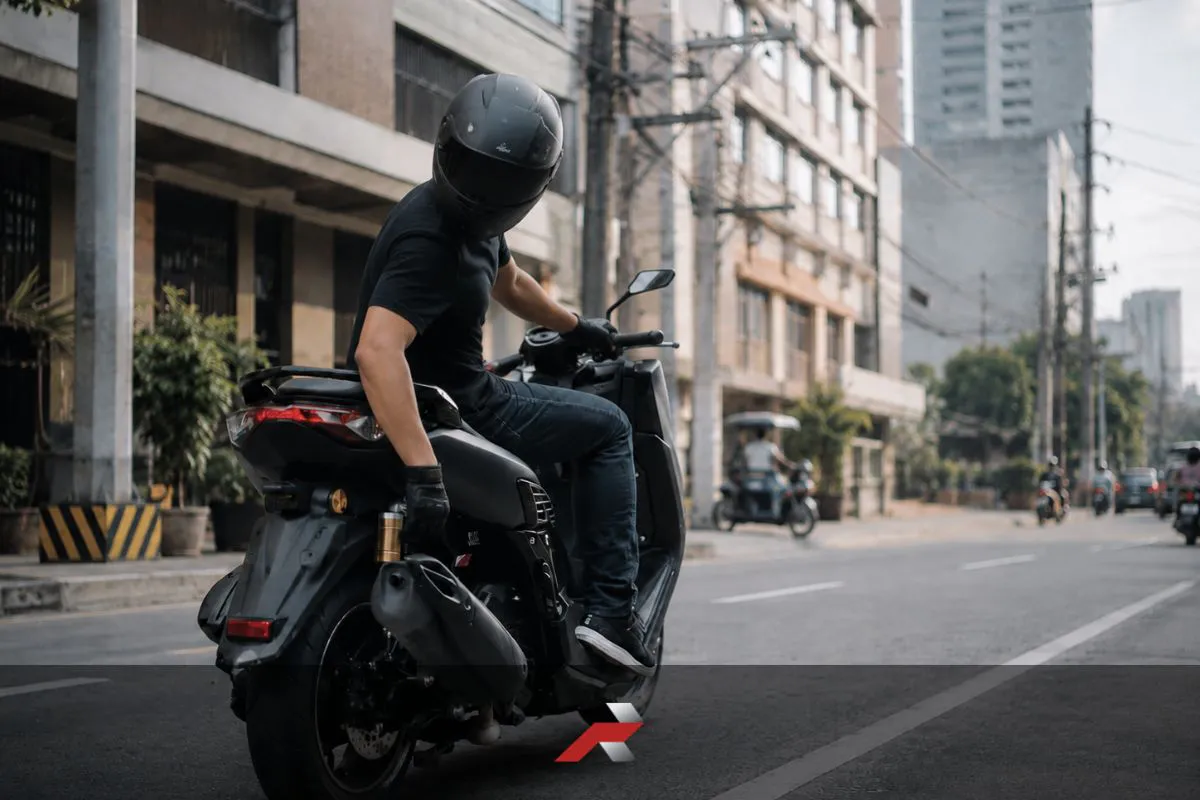
Nmax V3 Issues and Problems matter for Filipino riders who use the scooter in traffic, rain, daily commutes, and weekend rides. This guide explains possible ownership concerns such as brake wear, CVT feel, battery symptoms, fuel use, suspension comfort, and maintenance cost. It also helps riders separate normal wear from issues that need inspection. The goal is not to discourage buyers, but to help owners maintain the Nmax V3 with better awareness, safer habits, and realistic expectations.
Nmax V3 Issues and Problems usually involve normal ownership concerns such as brake wear, CVT response, battery symptoms, fuel use, suspension comfort, and maintenance cost. These issues do not automatically make the scooter unreliable. They show why Filipino riders should understand the bike’s real-world behavior before problems become expensive.
The Yamaha Nmax V3 attracts riders because it feels more premium than many daily scooters. It has modern styling, stronger commuter appeal, and features made for city use. The Tech Max variant even highlights features such as Y-ECVT, ride modes, TFT display, and navigation support through Yamaha’s official Philippine listing.
For riders still deciding if the scooter fits their daily routine, the Yamaha Nmax 2025 Review for Filipino Riders gives a broader look at comfort, features, pricing, and ownership expectations.
But no scooter stays perfect once it faces Philippine roads. Traffic, heat, sudden rain, rough concrete, stop-and-go riding, and daily use can expose weak habits in maintenance. The point is not to panic. The point is to know what to check first.
For a broader ownership guide, read the Yamaha Nmax Problems guide before comparing each issue by model year.
The common Nmax V3 issues and problems riders should watch for are brake pad wear, CVT response changes, battery symptoms, fuel consumption shifts, suspension comfort concerns, and higher maintenance cost. Most are manageable when riders inspect the scooter early and follow proper service intervals.
| Concern | What Riders Notice | First Thing to Check |
|---|---|---|
| Brake wear | Squeak, weaker bite, longer stopping | Brake pads, rotor, brake fluid |
| CVT response | Jerky takeoff, vibration, delayed pull | Belt, rollers, clutch, CVT cleanliness |
| Battery symptoms | Weak start, smart key concerns | Battery age, terminals, charging |
| Fuel use | Lower km/L than expected | Tire pressure, air filter, throttle habit |
| Suspension comfort | Firm rear feel on rough roads | Tire PSI, shock condition, rider load |
| Maintenance cost | Higher PMS spending | Consumables, labor, service schedule |
The Nmax V3 is not a “ride and forget” scooter. It is a practical premium commuter. That means comfort and features come with maintenance responsibility.
Brake wear is one of the first Nmax V3 issues Filipino riders should monitor because city riding demands constant stopping. Traffic, rain, downhill ramps, sudden pedestrian movement, and rough road surfaces can make brake pads work harder than expected.
This issue is not unique to the Nmax V3. Any scooter used daily in Philippine traffic will consume brake pads over time. The difference is that Nmax riders often use the scooter for longer commutes, heavier loads, and faster open-road sections.
Common signs include:
The owner’s manual guidance for Nmax models highlights checking brake pad wear indicators and replacing pads when they reach the wear limit. This supports the need for regular visual inspection, especially for riders who often ride in traffic or wet roads.
For riders already checking replacement options, the Yamaha Nmax Brake Pad Combo guide can be added here once published.
CVT response issues can show up as jerky takeoff, delayed acceleration, vibration, or a rougher feel at low speed. These symptoms can make riders think the engine has a problem, but the cause may be inside the CVT system.
The Nmax V3 uses modern scooter power delivery, and the Tech Max variant has Yamaha’s Y-ECVT system based on official feature positioning and local reports. For riders comparing the premium variant, the Yamaha Tech Max 2025 Review explains how its added features, riding modes, and commuter-focused upgrades may affect ownership expectations. Top Gear Philippines reported that the 2025 Nmax Tech Max uses Yamaha Electric CVT with Touring and Sport modes, which changes how riders may feel power delivery compared with older scooters.
For regular riders, the important part is simple: if the scooter feels different during takeoff, do not guess right away.
Check these first:
Stop-and-go traffic can make CVT wear more noticeable. The scooter launches, slows, stops, then launches again. Repeat that every day, and the drivetrain eventually asks for attention. Quietly at first, then expensively later.
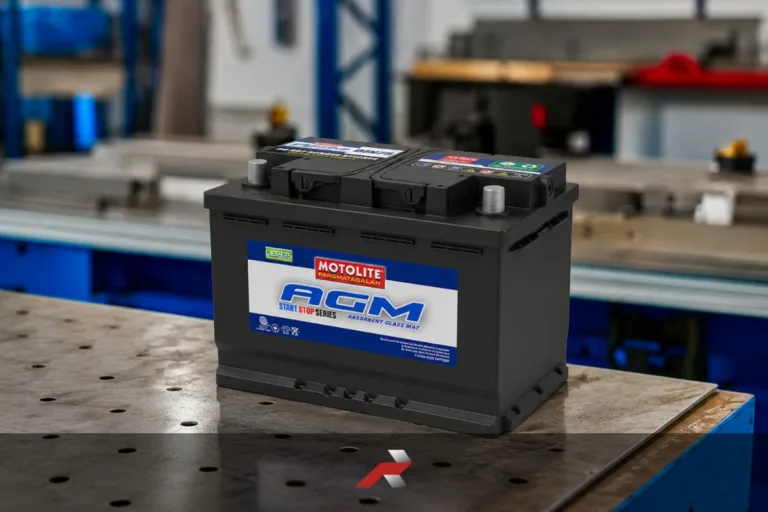
Battery and smart key concerns can happen when the scooter is used mostly for short trips, frequent starts, and accessory-heavy daily riding. Weak starting does not always mean the battery is dead, but it should be checked early.
Common symptoms include:
The first check should be basic. Look at battery age, terminal tightness, voltage, charging output, and any added accessories. Many riders add phone chargers, lights, alarms, and other devices. If wiring is not clean, small issues can become annoying fast.
For daily commuters, short rides can be rough on the battery. The engine starts, stops, and idles often. If the charging system has little time to recover the battery, symptoms may appear sooner.
Do not replace random electrical parts based on comments alone. Diagnose first. Budol parts are real, but budol diagnosis is more expensive.
Fuel consumption changes can happen when the Nmax V3 faces heavy traffic, low tire pressure, dirty filters, aggressive throttle use, or skipped maintenance. A higher fuel bill does not always mean the scooter has a serious engine problem.
For Filipino riders, fuel economy depends on route more than brochure expectations. A rider passing through EDSA traffic will not get the same result as someone riding smoothly on open provincial roads.
Check these first:
The air filter matters because it supports clean airflow into the intake system. If it is dirty, the scooter may feel less responsive or less efficient. Yamaha manual guidance notes that air filter service can depend on riding conditions, especially when the route is unusually wet or dusty.
Once your product review is live, insert the internal link to the Yamaha Nmax Air Filter Replacement guide in this section.
Suspension comfort becomes an issue when the Nmax V3 is used on rough concrete, patched asphalt, potholes, and uneven city roads. A firm ride does not always mean defective suspension. It may reflect the scooter’s setup, load, tire pressure, and road condition.
Some riders want a plush ride. Others prefer a more planted feel. The Nmax sits somewhere in the middle, depending on rider weight, passenger load, tire pressure, and rear shock condition.
Common complaints include:
Before buying aftermarket shocks, check tire pressure first. Too much pressure can feel harsh. Too little pressure can affect control, braking, tire wear, and fuel use.
Suspension upgrades can help, but they should not be treated like magic. Cheap upgrades can make the ride worse if the setup does not match the rider’s actual use.
Nmax V3 maintenance may cost more than smaller scooters because it belongs to a more premium commuter category. Riders should expect regular expenses for oil, gear oil, brake pads, tires, air filter, CVT service, battery, and labor.
This is not a weakness by itself. It is ownership reality.
The Nmax V3 is often bought because it offers comfort, features, style, and stronger commuter presence. But those benefits come with maintenance discipline. If the rider wants the scooter to feel premium, the maintenance habit should also be premium.
Budget for:
| Maintenance Area | Why It Matters |
|---|---|
| Engine oil | Supports regular engine protection |
| Gear oil | Helps drivetrain upkeep |
| Brake pads | Critical for traffic and rain |
| Tires | Affects grip, comfort, and braking |
| Battery | Supports starting and electronics |
| CVT service | Affects acceleration and smoothness |
| Air filter | Supports clean airflow |
| Labor | Ensures proper installation and checks |
A scooter can be reliable and still cost money to maintain. Those two things are not enemies. They are part of responsible ownership.
Yes, the Nmax V3 can still be worth it for Filipino riders who want a comfortable, feature-rich, and practical daily scooter. The issues become manageable when the rider understands maintenance cost, road conditions, and proper inspection habits.
It makes sense for riders who want:
It may not fit riders who want:
The Nmax V3 is not fragile. But it is not a free pass from maintenance either. Alaga pa rin ang puhunan.
Before buying or maintaining an Nmax V3, riders should check the scooter’s real condition, not only its looks. A clean scooter can still hide worn brakes, weak battery, dirty CVT parts, or neglected maintenance.
| Area | What to Check | Why It Matters |
|---|---|---|
| Brakes | Pads, rotor, fluid | Safety in traffic and rain |
| CVT | Belt, rollers, clutch | Smooth takeoff and acceleration |
| Battery | Age, voltage, terminals | Starting and electronics |
| Tires | Tread, age, PSI | Grip and fuel use |
| Air filter | Dirt and fitment | Intake cleanliness |
| Suspension | Leaks and comfort | Control and fatigue |
| Lights | All functions | Safety and visibility |
| Records | PMS history | Avoids hidden costs |
This checklist works for both current owners and second-hand buyers.
Nmax V3 Issues and Problems are easier to handle when riders inspect early, maintain consistently, and avoid guessing. The most common concerns are not automatic deal-breakers. They are signs that the scooter needs proper care.
Key reminders:
The best rider is not the one who never has issues. It is the one who catches them early.
Nmax V3 Issues and Problems should be viewed through real Philippine riding conditions. Traffic, rain, rough roads, daily commuting, fuel cost, and maintenance habits all affect how the scooter feels over time. Most concerns are manageable when riders inspect the basics and act before symptoms become expensive.
The Nmax V3 remains a strong option for riders who want comfort, features, and daily usability. But it rewards disciplined owners. If a rider expects premium convenience, the maintenance mindset should match.
Before blaming the scooter, check the riding pattern, service history, parts condition, and actual road use. That is where honest ownership starts.
Common concerns include brake pad wear, CVT response changes, weak battery symptoms, fuel use changes, suspension firmness, and maintenance cost. Most are manageable with regular checks.
Yes, the Nmax V3 can be reliable when maintained properly. Reliability depends on riding habits, PMS schedule, road conditions, and the quality of parts and service.
Jerky takeoff may come from CVT dust, worn rollers, belt condition, clutch wear, or poor maintenance. Have the CVT inspected before assuming engine trouble.
High fuel use may come from traffic, tire pressure, dirty air filter, heavy load, throttle habits, or skipped maintenance. Start with basic checks.
They can wear faster in traffic, rain, and frequent stop-and-go riding. Check pad thickness, rotor condition, and brake fluid regularly.
Yes, if you want a comfortable daily scooter and can handle proper maintenance. It may not suit riders looking for the lowest possible ownership cost.