Skip to content
Contact & Community
📍 Metro Manila, Philippines
🌐 robimotoph.com
✉️ hello@robimotoph.com
📱 +63 917 517 0594
📍 Metro Manila, Philippines
🌐 robimotoph.com
✉️ hello@robimotoph.com
📱 +63 917 517 0594

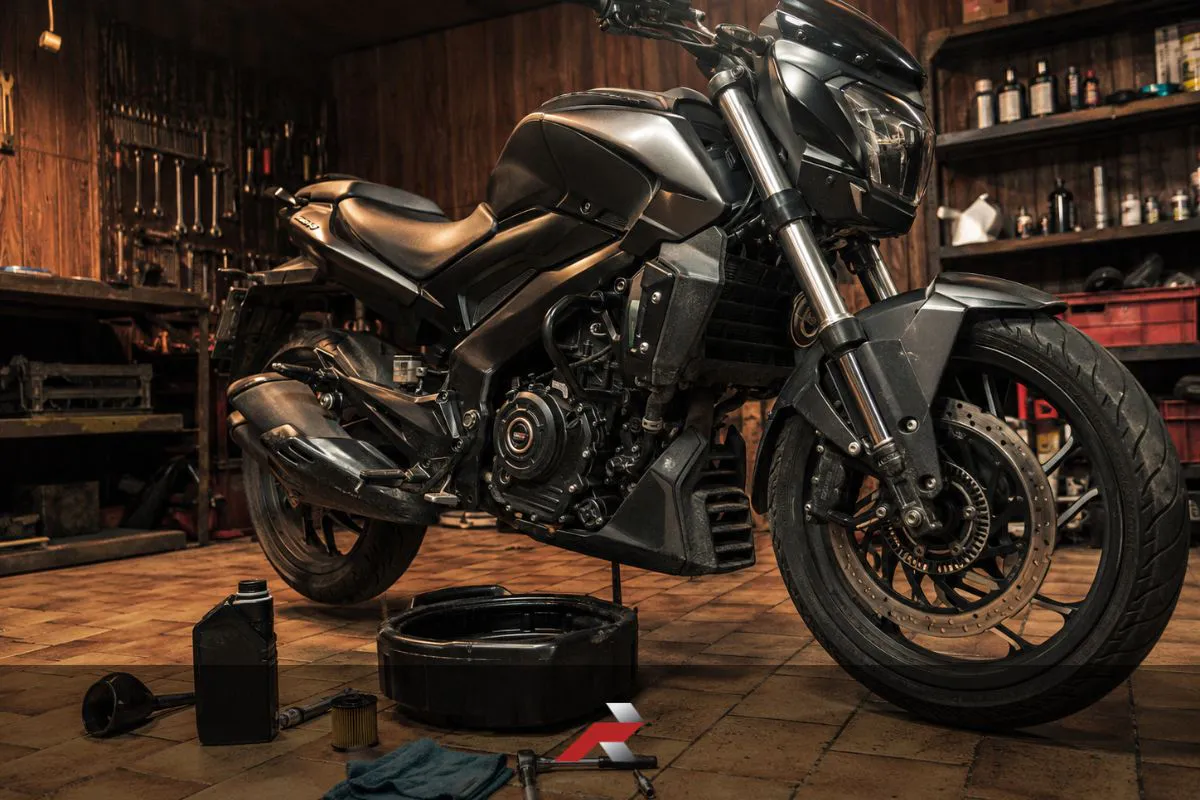
Big bike oil change timing in the Philippines should not depend on mileage alone. Riders need to consider traffic, heat, riding frequency, oil type, engine design, and the manufacturer’s service recommendation. A motorcycle used daily in Metro Manila may need earlier oil changes than a weekend bike used mostly on expressways. However, low mileage does not always mean the oil is still fresh. Time, moisture, and repeated heat cycles still matter. This guide explains how Filipino big bike owners can build a practical oil change schedule based on real riding conditions, not guesswork.
Big bike oil change should be based on the motorcycle’s manual, mileage, time, and riding conditions. For many Filipino riders, the practical range often falls around 3,000 to 6,000 kilometers, or every 6 months for low-mileage use. In the Philippines, traffic, heat, and short trips may justify earlier changes, especially when riders understand how local traffic and heat affect big bike oil life.
The safest answer starts with your owner’s manual. Every big bike has its own engine design, oil capacity, cooling behavior, and service interval. Some manufacturers publish model-specific oil and filter service schedules, which is why riders should always check the manual before copying another rider’s interval.
Still, Philippine riding is not always friendly to engine oil. A bike that spends one hour crawling through EDSA, C5, Commonwealth, Ortigas, or McArthur Highway may record only a few kilometers. But the engine still works, heats up, cools down, and idles for long periods. That stress does not always appear on the odometer.
For most Filipino big bike owners, a practical starting point looks like this:
| Rider Type | Practical Oil Change Timing | Why It Makes Sense |
|---|---|---|
| Daily city rider | Around 3,000 to 4,000 km | More heat, idling, and stop-and-go traffic |
| Weekend rider | Every 6 months or manual interval | Low mileage still ages oil over time |
| Long ride rider | Before or after major trips when needed | Sustained heat and distance need closer checks |
| Track or hard-use rider | Shorter than normal interval | Higher revs and heat stress oil faster |
Many big bike owners use 3,000 to 6,000 kilometers as a practical oil change range, but that should not replace the manual. The correct interval depends on oil type, engine design, riding style, and how hard the motorcycle works in real use.
For casual riding, the higher side of the range may be acceptable if the manual allows it. For heavy traffic use, the lower side can be more realistic. This is especially true for riders who commute through hot city roads, park under the sun, or ride short distances often.
The main mistake is treating all kilometers equally. A 3,000-kilometer ride made mostly on open highways is different from 3,000 kilometers of daily city riding. One has better airflow and steady movement. The other has idle heat, clutch use, and frequent acceleration.
Low mileage does not automatically mean clean or healthy oil. A weekend big bike may sit for weeks, then run through short rides, heat cycles, and storage periods. Moisture can also build up when the engine does not run long enough to fully warm through.
This is why time-based oil changes matter. A rider who only uses the bike twice a month may not reach 3,000 kilometers quickly. But after several months, the oil has still gone through age, heat, and possible contamination.
Rider Insight:
For weekend-only big bikes, the calendar can be more useful than the odometer. A bike that rarely moves still needs maintenance because oil ages even when mileage stays low.
The owner’s manual should remain the first reference because it reflects the manufacturer’s intended service schedule. It also tells you the required oil grade, oil quantity, filter schedule, and correct specifications for that engine.
This matters even more with big bikes. A naked bike, sport bike, cruiser, ADV bike, and touring bike may all respond differently to heat and oil condition. Certain engines run hotter, while others carry more oil. A few models are designed for longer service intervals, but harder-used bikes may still need closer attention.
Oil standards also matter. Motorcycle oils often need wet clutch compatibility, especially for bikes that share engine oil with the clutch and gearbox. The JASO Engine Oil Standards Implementation Panel exists specifically around engine oil standards, including motorcycle-related lubricant classifications.
So the clean rule is simple: follow the manual first, then adjust based on Philippine use. Hindi porket kaya ng manual sa ideal condition, automatic na same result sa traffic, init, ulan, at araw-araw na singitan.
Big bike oil change should not depend on mileage alone. Mileage shows distance traveled, while time shows how long the oil has been exposed to heat cycles, moisture, storage, and engine use. Filipino riders often need both because traffic-heavy riding can stress oil even when the odometer moves slowly.
Mileage-based maintenance is easy to track. You check your odometer, compare it with your last PMS record, and schedule the next service. Simple. Clean. Walang drama.
But real riding in the Philippines is not always clean. A big bike can spend 45 minutes in traffic and only move a few kilometers. The odometer will look innocent, but the engine has already gone through heat, idling, clutch use, and repeated acceleration.
Time-based oil change solves the other side of the problem. It helps riders who do not use their big bike daily. A weekend bike may only travel 1,000 to 2,000 kilometers in several months. Still, the oil has been sitting inside the engine through moisture, storage, and temperature changes.
| Basis | Best For | Main Risk If Ignored |
|---|---|---|
| Mileage-based | Regular riders and commuters | Delaying oil change after heavy use |
| Time-based | Weekend or low-mileage riders | Oil aging even with low distance |
| Hybrid approach | Most Filipino big bike owners | Avoids relying on one signal only |
Mileage should guide your PMS when you use your big bike often and your riding pattern is consistent. If you ride several times a week, your odometer gives a useful signal for oil change timing.
This works well for riders who commute, join regular weekend rides, or use the bike for mixed city and expressway travel. In this case, mileage builds up naturally. You can set a repeatable schedule, such as checking oil condition every few thousand kilometers and planning service before the interval becomes overdue.
However, mileage should still be read with context. A 4,000-kilometer interval may feel reasonable for relaxed weekend rides. The same number may feel too stretched for daily city riding in heavy traffic.
The more heat, idling, and short-distance riding involved, the more conservative the rider should be. In simple terms, not all kilometers are equal.
Calendar time matters more when the motorcycle is rarely used. This is common among big bike owners who only ride on Sundays, special events, breakfast rides, or occasional long trips.
Low mileage can create false confidence. The bike may look fresh because it barely moves. But engine oil still sits inside the engine, exposed to air, moisture, and temperature changes. Short rides can also make this worse because the engine may not stay hot long enough to burn off moisture properly.
For low-mileage riders, a 6-month check is a practical habit. It does not always mean the oil is already destroyed. It simply gives the owner a safe point to inspect oil level, oil color, clutch feel, shifting behavior, and service records.
Rider Insight:
A weekend big bike should not be treated like a sealed museum piece. Even when it rests, its maintenance clock keeps moving quietly.
Most Filipino big bike owners are better served by a hybrid approach. Use mileage as the main guide, but use time as the safety net. This prevents two common mistakes: changing oil too late after hard use, or ignoring old oil because the bike has low mileage.
This is especially useful in Philippine conditions. Traffic can make the engine work hard without adding much distance. Rainy season can increase cleaning and inspection needs. Short trips can add repeated heat cycles. Provincial rides can add long-distance heat, dust, and luggage load.
A practical hybrid system can look like this:
Scenario A:
A rider uses a 650cc naked bike three times a week in Metro Manila traffic. The bike reaches 3,000 kilometers quickly, with frequent idle heat and clutch use.
Scenario B:
Another rider uses a liter bike twice a month for expressway breakfast rides. The bike only reaches 1,500 kilometers in 6 months.
The first rider should watch mileage closely. The second rider should watch time closely. Both need oil changes, but for different reasons.
That is the real-world answer. Big bike oil change timing is not just about numbers. It is about how the motorcycle is actually used.
Big bike oil change intervals can change depending on riding style. A big bike used in daily traffic, short trips, high heat, or aggressive riding may need earlier oil changes than a bike used gently on open roads. The interval should match the rider’s actual use, not just the odometer reading.
This is where many riders get confused. Two big bikes can have the same mileage but very different oil stress. One may spend most of its life cruising on expressways. The other may crawl through city traffic, heat up at stoplights, and make short rides that never let the engine settle into a steady rhythm.
In the Philippines, riding style often changes from day to day. A rider may commute through traffic on Friday, join a breakfast ride on Sunday, then park the bike for two weeks. That mixed usage makes oil change timing less straightforward.
The better question is not only, “Ilang kilometers na?”
The better question is, “Paano ginamit yung motor?”
| Riding Style | Oil Stress Level | Practical Maintenance Approach |
|---|---|---|
| Daily city riding | Higher | Shorter interval, more frequent checks |
| Expressway riding | Moderate | Follow manual, inspect before long rides |
| Weekend-only riding | Variable | Use time-based checks |
| Aggressive riding | Higher | Shorten interval when used hard |
| Touring with luggage | Moderate to high | Check oil before and after trips |
Daily city riding can be harder on oil because the engine spends more time hot, slow, and loaded. In traffic, airflow is limited. The cooling system works harder. The rider uses the clutch more often. The engine may idle for long periods without adding much mileage.
This matters because the odometer does not record engine stress. It only records distance. A 10-kilometer city ride can feel short, but if it takes one hour in traffic, the engine has still worked through heat and repeated stop-and-go movement.
For Filipino big bike owners, this is common in Metro Manila, Cebu, Davao, and other busy urban areas. Big bikes are powerful, but they are not magic. Heat still builds up. Oil still works harder when the bike crawls through slow roads.
For daily city use, riders should consider oil changes closer to the conservative side of the manual’s recommendation. It also helps to monitor shifting feel, engine sound, oil level, and service records.
Expressway and long rides can be easier on oil in some ways because the motorcycle gets better airflow and steadier engine movement. The bike is not constantly stopping, idling, or dealing with repeated clutch work.
However, long rides still create sustained heat. A big bike running for hours at speed still asks a lot from its oil. The difference is that the stress is usually more stable than city traffic. The engine can run within a smoother rhythm, especially when the bike is well maintained.
This is why long ride riders should not automatically shorten oil intervals after every ride. Instead, they should inspect the bike before and after major trips. Check oil level, leaks, filter condition, unusual smell, and changes in shifting feel.
A rider going from Manila to Baguio, Bicol, La Union, or Quezon should not only think about distance. Climb, heat, rain, luggage, and riding pace also matter.
Rider Insight:
Long rides are not always worse than city rides. A smooth 300-kilometer ride can be less punishing than several weeks of crawling through hot traffic.
Weekend-only big bikes need a different mindset. Since mileage builds slowly, riders may delay oil changes because the odometer still looks low. That can be risky if the bike sits for long periods, runs only short distances, or goes through repeated storage cycles.
Oil can age even when the bike is parked. Moisture, condensation, and temperature changes can affect the oil over time. Short rides may also fail to warm the engine long enough to clear moisture properly.
This does not mean every weekend bike needs an extreme oil change schedule. It means the rider should not depend on mileage alone. A time-based check, usually around 6 months, gives the owner a practical point to inspect the oil and decide if service is needed.
For weekend riders, the habit matters more than the drama. Keep a simple PMS log. Write the date, mileage, oil used, filter replaced or not, and notes about shifting feel. That small record prevents guessing later.
Aggressive riding can shorten oil life because the engine works harder. Higher revs, harder acceleration, stronger engine braking, and repeated heat buildup all increase stress. This applies to spirited mountain rides, track days, fast expressway pulls, or heavy throttle use.
Big bikes can handle performance riding, but oil still has limits. When oil is exposed to more heat and shear stress, its protective behavior can change over time. Shear stress happens when oil is squeezed and worked between moving parts, especially inside engines and gearboxes.
This is one reason motorcycle-specific oil matters. Many motorcycles use the same oil for the engine, clutch, and transmission. That means the oil must handle more than basic lubrication. It also affects clutch feel and shifting quality.
For riders who regularly ride hard, earlier oil changes can be cheaper than forcing the oil to last until the maximum interval. The goal is not fear. The goal is mechanical respect.
Touring adds load. A big bike carrying panniers, top box, riding gear, tools, rainwear, and sometimes a passenger works harder than the same bike ridden solo and light.
Extra weight can increase engine load, braking demand, tire stress, and heat. The oil is only one part of the system, but it plays a key role in keeping the engine protected during long hours of use.
This is common for ADV and sport-touring riders in the Philippines. Road conditions can shift quickly from expressway to provincial asphalt, broken concrete, climbs, rough patches, rain, and traffic near town centers.
Before long rides, riders should check:
If the oil is already near the end of its interval, change it before the ride. Peace of mind has value, especially when the next reliable service shop may be far from your route.
Big bike type can affect oil change timing because different motorcycles create different levels of heat, load, and engine stress. A naked bike used in city traffic, a sport bike ridden at higher revs, and an ADV bike used for touring may all need different maintenance habits, even if their mileage looks similar.
This is why copying another rider’s oil change schedule is risky. Two bikes may both be called “big bikes,” but their use case can be very different. A 400cc or 650cc commuter-style big bike will not always stress oil the same way as a liter-class sport bike. A touring bike carrying luggage may also behave differently from a naked bike used for short urban rides.
The manual remains the first guide. But once the bike enters real Philippine conditions, the owner needs to observe how the motorcycle is actually used.
| Big Bike Type | Common Use Case | Oil Change Consideration |
|---|---|---|
| Naked bike | City rides, weekend rides | Watch heat and stop-and-go use |
| Sport bike | Higher revs, spirited riding | Watch heat, revs, and clutch feel |
| ADV bike | Touring, rain, mixed roads | Watch distance, load, and road grime |
| Touring bike | Long rides, luggage, passenger | Watch sustained heat and heavy load |
| Cruiser | Relaxed rides, heat at low speed | Watch idle time and engine heat |
| Middleweight bike | Mixed daily and leisure use | Use a hybrid mileage and time schedule |
| Liter-class bike | Higher power and heat output | Avoid stretching intervals blindly |
Naked bikes and sport bikes may need closer oil monitoring because they often deal with heat, higher revs, and stronger rider input. This does not mean they always need oil changes earlier than other bikes. It means their riding pattern can become demanding quickly.
Naked bikes are common among Filipino riders because they are easier to use in the city. They feel more upright, more practical, and more manageable in traffic compared with aggressive sport bikes. But city use can still push oil harder because the bike sees more idle heat and low-speed riding.
Sport bikes, on the other hand, often invite higher revs. Even when used only on weekends, the riding style can be more spirited. More throttle, higher engine speed, and stronger engine braking can increase heat and oil stress.
A relaxed sport bike rider may follow the manual comfortably. A rider who frequently rides hard should be more conservative. Same bike category, different story. Parang kape lang yan. Same beans, different brewing method, different tama.
Adventure and touring bikes often carry more load and travel longer distances. They may be used for expressway runs, provincial roads, mountain routes, rain rides, light rough roads, and overnight trips with luggage.
That mix affects maintenance planning. The oil may not suffer from city traffic alone, but it may deal with long hours of heat, added weight, and changing road conditions. A touring bike with a top box, side panniers, tools, and passenger is asking more from the engine than a light solo ride.
ADV riders in the Philippines also face more environmental factors. Rain, dust, mud, flooded patches, road repairs, and rough concrete can turn a simple ride into a harder mechanical day. Oil is protected inside the engine, but the whole PMS schedule should respond to how the bike is used.
For these bikes, oil change planning should include:
Rider Insight:
Touring and ADV bikes are built for distance, but distance still has a maintenance cost. The stronger the ride load, the less room there is for lazy PMS habits.
Middleweight and liter-class engines may need different owner habits because power, heat, and usage patterns are not always the same. A middleweight bike may be easier to use daily. A liter-class bike may create more heat and carry higher performance demands.
Middleweight bikes, especially in the 400cc to 700cc range, are often used for mixed riding. Some owners commute with them. Others use them for weekend rides. This makes a hybrid oil change schedule useful because the bike may see both city traffic and open-road use.
Liter-class bikes can be more sensitive to poor maintenance habits because they produce more power and heat. Even if they are not used daily, they may be ridden harder when taken out. Many owners also use them for expressway pulls, spirited rides, or high-speed touring.
The issue is not engine size alone. A careful liter-bike owner may maintain the bike better than a careless middleweight owner. The real point is this: as the machine becomes more powerful, the cost of neglect usually becomes higher.
Cooling design can also influence how riders think about oil change timing. Liquid-cooled big bikes manage heat differently from air-cooled or oil-cooled engines. This does not automatically mean one needs frequent oil changes all the time, but heat behavior should be part of the owner’s observation.
In Philippine traffic, cooling fans may run often. Riders may feel heat from the engine, radiator, or exhaust area. This is normal for many big bikes, but frequent high heat can still be a reason to avoid stretching oil change intervals too far.
Air-cooled or oil-cooled motorcycles may feel more dependent on movement and airflow. Liquid-cooled motorcycles have radiators and fans, but they still build heat in traffic. No system makes the bike immune to harsh use.
What matters is consistency. If the bike suddenly shifts rougher, smells hotter, or feels different after the same route, check it. Oil may not be the only cause, but it should be part of the inspection.
The best oil change schedule is not based on category alone. It should combine the manual, mileage, time, and usage pattern. Bike type only helps you understand what kind of stress the motorcycle is likely to experience.
A simple adjustment guide looks like this:
| If Your Big Bike Is Mostly Used For | Adjustment Mindset |
|---|---|
| Daily traffic | Stay closer to shorter intervals |
| Weekend expressway rides | Watch time and pre-ride checks |
| Long touring | Inspect before and after major rides |
| Heavy luggage or passenger use | Avoid delaying PMS near interval limits |
| Spirited riding | Shorten interval when repeatedly ridden hard |
| Mostly parked | Use time-based checks |
The clean rule is this: the harder the bike works, the more conservative your maintenance should be. The less often the bike runs, the more you should respect calendar time.
Big bike oil change is not about paranoia. It is about reading the machine properly. A good rider does not only ride fast or look good in gear. A good rider knows when the bike is asking for care.
Replacing the oil filter every oil change is often the safer habit for big bike owners, especially in Philippine riding conditions. Fresh oil works better when it passes through a clean filter. If the filter is old, dirty, or already restricted, it can reduce the benefit of the new oil.
The oil filter has one simple job: help keep contaminants away from critical engine parts. As oil circulates, it carries tiny particles, heat byproducts, and normal engine wear material. The filter catches many of these particles before the oil returns through the system.
This is why many riders prefer changing the oil and filter together. It removes doubt. It also creates a clean maintenance record. When the next PMS comes, you do not need to ask, “Pinalitan ba last time?” or “Next change pa ba filter?”
Some manuals allow the oil filter to be replaced every other oil change. That may be fine if the manufacturer says so, the bike is lightly used, and the oil change interval is short. But in real Philippine use, many big bike owners would rather spend a little more than risk circulating fresh oil through an old filter.
| Oil Filter Habit | Best For | Risk Level |
|---|---|---|
| Replace every oil change | Daily riders, traffic use, hard use | Lowest doubt |
| Replace every other oil change | Manual-approved light use | Depends on riding pattern |
| Skip without tracking | Poor record keeping | Higher risk |
| Replace only when problems appear | Reactive maintenance | Not recommended |
The oil filter matters because clean oil still needs a clean path. Engine oil does not only lubricate. It also helps carry heat, suspend dirt, and move contaminants toward the filter. If the filter is already dirty, the oil system may not work as efficiently as it should.
In a big bike, this matters even more because parts can be expensive. The cost of an oil filter is usually small compared with the cost of engine repair. That is why filter replacement is not just an added expense. It is part of protecting the engine.
For Filipino riders, the extra cost can feel annoying, especially when PMS expenses include oil, filter, labor, fuel, food, and maybe a small “reward coffee” after the service. But if the bike is used in traffic, heat, rain, or long rides, replacing the filter with the oil is a clean and practical choice.
Rider Insight:
Fresh oil with an old filter is like taking a bath then wearing yesterday’s sweaty shirt. Technically possible, but why do that to yourself?
Skipping the oil filter may be acceptable only when the owner’s manual allows it and the motorcycle is used under light, predictable conditions. Some service schedules separate oil replacement from oil filter replacement. That means the manufacturer may not require a new filter every single time.
However, this should not become an excuse for lazy PMS. If the rider cannot remember when the filter was last replaced, it is better to replace it. Maintenance records matter because they remove guesswork.
Skipping the filter may be more reasonable when:
It becomes less reasonable when the bike is used daily, ridden hard, exposed to heavy traffic, or taken on long rides. It is also risky when the service history is unclear, especially for secondhand big bikes.
A secondhand unit may look clean outside, but the PMS history can be foggy. In that case, oil and filter replacement is one of the simplest ways to reset the maintenance baseline.
Many Filipino riders replace oil and filter together because it is simpler, cleaner, and easier to track. This habit may cost slightly more per service, but it reduces uncertainty. For riders who value reliability, that peace of mind is worth something.
The Philippines also adds practical pressure. Traffic can be brutal. Shops can be far from home. Parts availability can vary. A rider may need to schedule PMS around work, weekends, family time, and ride plans. If the bike is already in the shop, replacing the filter together often makes sense.
This is especially true before a major ride. If you are preparing for a long trip, the last thing you want is doubt about the oil filter. You want the bike ready, not “pwede pa siguro.”
A simple habit works best:
A clear PMS record also helps when checking long-term ownership costs, comparing oil performance, or selling the bike later. Buyers trust a motorcycle more when the owner can show proper maintenance history instead of relying on memory.
The oil filter is usually one of the smaller PMS expenses, while engine problems are among the most expensive motorcycle headaches. This is the practical reason many big bike owners do not overthink filter replacement.
Of course, riders should still avoid waste. If the manual allows longer filter intervals and the bike is lightly used, following the manual is reasonable. But for real-world Philippine riding, the small savings from skipping the filter may not always be worth the uncertainty.
Scenario A:
A rider changes oil every 3,000 to 4,000 kilometers and replaces the filter every time. The PMS cost is slightly higher, but the service record is simple and consistent.
Scenario B:
Another rider replaces the filter “when remembered.” After several services, the owner is no longer sure if the filter is fresh or overdue.
The first rider spends a little more. The second rider saves a little, but carries more doubt. For a big bike, doubt is not a maintenance strategy.
For most Filipino big bike owners, replacing the oil filter every oil change is the cleaner recommendation. It is simple to remember, easy to document, and practical for bikes used in traffic, heat, long rides, or mixed conditions.
Still, the manual should guide the final decision. Your bike may have a specific filter schedule, required filter type, or recommended replacement pattern. Other riders may prefer OEM filters, while some use trusted aftermarket options.
The best approach is not complicated:
| Situation | Recommendation |
|---|---|
| Daily city use | Replace oil filter every oil change |
| Long ride preparation | Replace if near service interval |
| Weekend-only bike | Replace at scheduled oil service |
| Unknown service history | Replace immediately |
| Manual says every other change | Acceptable if usage is light and records are clear |
| Hard riding or high heat use | Replace every oil change |
Big bike oil change is not only about the oil itself. The filter is part of the same system. If one is fresh and the other is neglected, the service is incomplete.
Big bike oil change mistakes usually happen when owners follow mileage alone, use the wrong oil type, skip service records, or stretch intervals to save money. These habits may look harmless at first, but they can lead to rough shifting, higher heat, clutch issues, and more expensive maintenance later.
Oil change is one of the simplest parts of motorcycle maintenance, but it is also one of the easiest to underestimate. Many riders treat it like a basic routine: drain, refill, done. But with big bikes, the details matter more because the engine, clutch, gearbox, heat, and riding style all work together.
In the Philippines, mistakes often happen because real use does not match ideal service conditions. Traffic is heavy. Heat is normal. Rain can be sudden. Some riders commute daily, while others park the bike for weeks. Because of this, one fixed oil change habit may not fit every rider.
| Common Mistake | Why It Happens | Possible Result |
|---|---|---|
| Following mileage only | Easy to track | Misses idle heat and time aging |
| Using car oil | Cheaper or more available | Possible clutch and shifting issues |
| Stretching intervals | Saving money short term | Higher long-term maintenance risk |
| No PMS record | Relying on memory | Confusion during future service |
| Ignoring symptoms | “Pwede pa yan” mindset | Delayed repairs or poor performance |
Following mileage only is a common mistake because the odometer feels objective. It gives a number, and numbers feel safe. If the bike has not reached the target kilometer mark, many riders assume the oil is still fine.
The problem is that mileage does not show engine hours. A motorcycle stuck in traffic may travel only a short distance while the engine continues running hot. For big bikes, this can matter because they often generate more heat than smaller commuter motorcycles.
A rider who travels 20 kilometers on open roads may put less stress on the oil than another rider who spends 20 kilometers crawling through traffic. Same distance, different workload.
This is why Filipino big bike owners should not ask only, “Ilang kilometers na?” They should also ask:
Mileage matters. It just should not be the only basis.
Using car oil in a big bike can be risky when the motorcycle requires oil that works with a wet clutch system. Many motorcycles use the same oil for the engine, clutch, and gearbox. That means the oil must do more than lubricate engine parts.
Some car oils contain friction modifiers designed for car engines. Those may not be suitable for motorcycles with wet clutches. If the oil does not match the bike’s requirement, the rider may experience clutch slip, strange shifting feel, or inconsistent performance.
This is where the manual matters again. Riders should check the required viscosity and oil standard before buying. For many motorcycles, JASO MA or MA2 compatibility is important because it indicates suitability for wet clutch use.
Do not buy oil just because it is famous, cheap, or available at the nearest shop. Before choosing a bottle, understand choosing the right oil type for big bikes based on your manual, viscosity requirement, and riding style. Tipid is good. Wrong tipid is expensive.
Stretching oil change intervals to save money can create bigger expenses later. The rider may save on one PMS visit, but the engine may suffer if the oil has already degraded beyond practical use.
This is not fear-based advice. It is basic ownership logic. Oil is cheaper than engine repair. Oil filter replacement is cheaper than diagnosing avoidable problems. A planned PMS is cheaper than emergency troubleshooting before a long ride.
For big bike owners, the cost of oil can feel heavy because many bikes need more oil than smaller motorcycles. Some may require 3 liters, 4 liters, or more, depending on the model. Add the filter and labor, and the bill becomes noticeable.
Still, delaying PMS blindly is not the answer. A better approach is to plan the cost ahead. Treat oil change as part of ownership, not as a surprise expense.
Rider Insight:
If the bike is expensive to maintain, the solution is not to ignore maintenance. The solution is to build a realistic ownership budget before the problem arrives.
Not keeping PMS records causes confusion. Many riders believe they will remember the last oil change date, mileage, oil brand, and filter replacement. After a few months, that memory becomes blurry.
A simple PMS log solves this. It does not need to be fancy. A note on your phone is enough. A photo of the receipt also works. What matters is consistency.
Record these details every service:
This habit helps the rider make better decisions later. It also helps when selling the bike. A buyer will trust a motorcycle more when the owner can show proper maintenance history instead of saying, “Alaga yan, boss,” with zero proof.
Ignoring early warning signs can turn a small issue into a bigger one. Oil condition is not always the only cause of rough shifting, heat, or poor engine feel, but it should be part of the inspection.
Big bike owners should pay attention when the motorcycle suddenly feels different. If shifting becomes rough, the clutch feels inconsistent, the engine smells hotter than usual, or the oil level drops, do not dismiss it automatically.
Common warning signs include:
Oil color alone does not tell the full story. Some oils darken naturally with use. But when dark oil appears together with rough shifting, smell, or overdue PMS, it deserves attention.
Choosing oil by brand hype alone is another mistake. A premium brand does not automatically mean the oil is right for your motorcycle. The correct oil must match the manual, viscosity requirement, clutch compatibility, riding style, and local conditions.
This is where riders should move from hype to evaluation. Instead of asking only “Anong magandang oil?” ask better questions:
This section can naturally lead readers later into choosing the right oil type for big bikes, especially when comparing 10W-40, 10W-50, fully synthetic, and semi-synthetic options.
For now, the main point is simple: oil choice should not be emotional. It should be practical, documented, and matched to the motorcycle.
A practical big bike oil change schedule in the Philippines should combine the manual, mileage, calendar time, riding style, and local conditions. Daily riders may need shorter intervals, weekend riders should watch time, and long ride users should inspect oil before and after major trips.
The goal is not to create one rule for every rider. That would be too simple and honestly, too risky. A big bike used daily in Metro Manila traffic has a different maintenance life from a big bike used twice a month on clean expressway rides.
This is why a practical schedule should work like a decision guide. Start with the manual. Then adjust based on actual use. If the motorcycle often deals with heat, traffic, rain, dust, luggage, or hard riding, stay on the conservative side. If the bike is lightly used, time-based checks become more important.
| Rider Profile | Suggested Oil Change Habit | Main Reason |
|---|---|---|
| Daily city rider | Around 3,000 to 4,000 km, or manual interval if shorter | Traffic heat and idle time |
| Weekend rider | Around every 6 months, or manual interval | Oil ages even with low mileage |
| Long ride rider | Check before and after major rides | Distance, heat, and load |
| Aggressive rider | Shorter than normal interval | Higher revs and stronger heat stress |
| Unknown service history | Change oil and filter immediately | Reset the maintenance baseline |
Daily riders should stay closer to shorter oil change intervals because the motorcycle works often and faces more heat cycles. In the Philippines, daily use usually means traffic, short trips, idle time, and sudden weather changes.
A big bike used for office rides, errands, and city commutes may only travel a short distance each day. But the engine may stay hot for a long time. This is common in Metro Manila, where a short route can still take 30 minutes to more than an hour.
For daily riders, a practical habit looks like this:
Daily riders should also be honest about their route. A rider cruising through light provincial roads may not need the same interval as someone crawling through EDSA, C5, Alabang-Zapote, Commonwealth, or McArthur Highway.
Rider Insight:
For daily city use, oil change timing should respect engine stress, not just distance. Traffic kilometers are heavier than they look.
Weekend riders should pay closer attention to calendar time because their mileage often builds slowly. A big bike used only for Sunday rides may not reach the target mileage quickly, but the oil still ages while sitting in the engine.
This is one of the most common traps for weekend big bike owners. The bike looks fresh. The odometer looks low. The owner thinks there is no need for PMS yet. But months have already passed since the last oil change.
For weekend riders, a 6-month check is a smart habit. It gives you a regular point to inspect the oil, review your PMS record, and decide if the bike needs service. This does not mean you must panic at exactly 6 months. It means you should not ignore time completely.
A weekend rider schedule may look like this:
| Usage Pattern | Practical Checkpoint |
|---|---|
| Twice a month rides | Check oil condition every 6 months |
| Mostly short rides | Consider earlier service |
| Long breakfast rides | Inspect before and after ride |
| Bike parked for weeks | Check level before starting a ride |
| Rainy season storage | Inspect for moisture-related issues |
Weekend bikes should also be warmed and ridden properly when used. Repeated short starts without a real ride can create more moisture and heat-cycle issues than owners expect.
Long ride users should not only ask when the next oil change is due. They should also ask whether the oil is still suitable for the ride ahead. If the bike is already near its service interval, changing oil before the ride is often the safer call.
This matters for riders planning routes to Baguio, Baler, Bicol, La Union, Marilaque, Quezon, Tagaytay, Batangas, or longer inter-island trips. A long ride can include expressway speed, mountain climbs, provincial traffic, rain, dust, and heavy luggage.
Before a major ride, check:
After the ride, inspect again. You do not need to change oil after every long ride unless the bike is due, used hard, or exposed to demanding conditions. But a post-ride check helps catch leaks, oil level changes, or early symptoms.
Long ride maintenance is not about being maarte. It is about not turning a beautiful ride into a roadside sermon.
The cleanest schedule is one that matches your real-world use. Riders should stop treating the odometer as the only judge. Mileage matters, but usage tells the deeper story.
Here is a practical guide:
| Riding Condition | Better Approach |
|---|---|
| Heavy city traffic | Shorten interval or inspect more often |
| Mostly expressway | Follow manual, check before long rides |
| Frequent short trips | Use time and mileage together |
| Rainy season rides | Inspect oil, filter, chain, and leaks |
| Dusty provincial roads | Keep PMS checks more consistent |
| Hard riding | Change earlier when used aggressively |
| Mostly parked | Use calendar-based service checks |
If you are unsure, use the conservative route. It is better to change oil slightly early than to push questionable oil too far. This is especially true if the bike is expensive, the service history is unclear, or the next ride is long.
A simple PMS tracking system helps big bike owners avoid guesswork. You do not need an app, spreadsheet, or complicated setup. A phone note, calendar reminder, or photo album can work.
Track these details:
| Detail | Why It Matters |
|---|---|
| Date | Helps with time-based maintenance |
| Mileage | Helps with interval tracking |
| Oil brand | Helps compare long-term feel |
| Viscosity | Confirms if you used the correct grade |
| Quantity | Helps detect overfill or underfill issues |
| Oil filter | Confirms if it was replaced |
| Shop or mechanic | Useful for warranty or service history |
| Rider notes | Tracks shifting, heat, or engine feel |
This record helps you make better ownership decisions. It also builds confidence if you sell the bike later. A buyer will trust a documented bike more than one with vague maintenance claims.
For most Filipino big bike owners, the best schedule is simple: follow the manual, track mileage, respect time, and adjust based on local riding conditions. If the bike sees heavy traffic, frequent heat, hard riding, or long rides, avoid stretching the interval.
A practical baseline can be:
This is not a replacement for the owner’s manual. It is a real-world Philippine adjustment layer. The manual gives the standard. Your riding conditions tell you whether to stay relaxed or tighten the schedule.
The best big bike oil change habit in the Philippines is to follow the owner’s manual first, then adjust based on mileage, time, traffic, heat, and riding style. Daily riders should be more conservative. Weekend riders should watch calendar time. Long ride users should check oil before and after major trips.
A big bike oil change schedule should not come from hearsay alone. It should come from three things: the manual, the rider’s actual use, and the motorcycle’s behavior over time. That is the most balanced approach.
For Filipino riders, the real-world adjustment matters because our riding conditions are not always gentle. Traffic can keep the engine hot while the odometer barely moves. Rainy season can make maintenance checks more important. Long rides can add heat, load, dust, and distance in one day.
The owner’s manual should always be the baseline. It tells you the required oil grade, oil quantity, service interval, filter schedule, and oil standard.
Do not copy another rider’s oil change interval without checking your own motorcycle. Different bikes have different engines, cooling systems, oil capacities, and service requirements.
After checking the manual, adjust based on how you actually ride. A daily rider in Metro Manila traffic may need a shorter interval than a weekend rider who mostly uses expressways.
If your bike often sees traffic, short trips, heat, luggage, rain, or aggressive riding, stay closer to the conservative side. If the bike is rarely used, respect time-based checks.
The strongest maintenance habit is not complicated. Track the date, mileage, oil used, viscosity, filter replacement, and rider notes after every PMS.
A simple record helps you avoid guessing. It also helps you understand your bike better over time.
In the end, big bike oil change is not about changing oil too early or too late. It is about changing it with reason. Follow the manual, respect local conditions, and build a schedule you can repeat.
That is how you protect the bike, control ownership costs, and ride with fewer doubts.
Follow your owner’s manual first. For many Filipino riders, a practical range is around 3,000 to 6,000 kilometers, or every 6 months for low-mileage bikes.
Not always. It can make sense for heavy traffic, short trips, and hot city riding. For light expressway use, check the manual first.
Yes, especially for weekend bikes. Oil can age through storage, moisture, and heat cycles even when mileage stays low.
Yes. Traffic adds idle heat and stop-and-go stress that the odometer does not fully show.
For most big bike owners, yes. It keeps the service clean, simple, and easier to track.
Only if it matches your motorcycle’s required specs. Many big bikes need motorcycle oil with wet clutch compatibility.
Often, yes. Fully synthetic oil usually handles heat and hard use better, but the manual still decides the correct oil.
There is no universal answer. Use the viscosity listed in your manual, such as 10W-40 or 10W-50 if allowed.
Yes, if the oil is near its service interval. If it is still fresh, check the level, leaks, and shifting feel.
Watch for rough shifting, burnt smell, overdue PMS, low oil level, or unusual engine heat.