Skip to content
Contact & Community
📍 Metro Manila, Philippines
🌐 robimotoph.com
✉️ hello@robimotoph.com
📱 +63 917 517 0594
📍 Metro Manila, Philippines
🌐 robimotoph.com
✉️ hello@robimotoph.com
📱 +63 917 517 0594

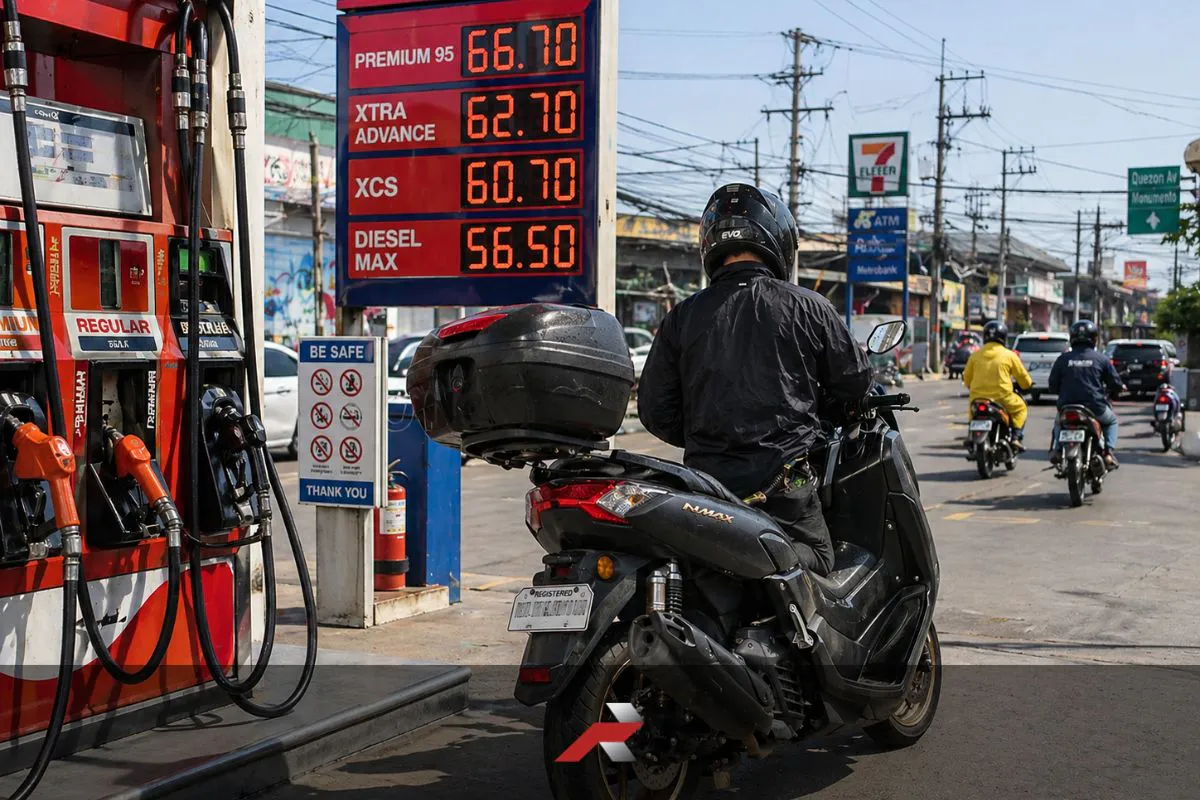
Fuel efficiency is one of the biggest concerns for Filipino riders today. With rising fuel prices and heavy traffic conditions, choosing the right setup matters more than ever. This scooter fuel efficiency comparison Philippines guide breaks down real-world factors that affect fuel consumption. From engine type and transmission to fuel choice and maintenance, everything plays a role. More importantly, rider behavior and daily conditions can make or break your fuel savings. If you want practical insights that go beyond specs and marketing claims, this guide gives you a clear and honest comparison to help you save more fuel on every ride.
Fuel prices in the Philippines keep climbing, and every rider feels it. This scooter fuel efficiency comparison Philippines guide helps you understand what actually saves gas in real-world riding.
Whether you commute daily or ride on weekends, fuel efficiency is no longer optional. It is survival.
This guide breaks down what actually affects fuel consumption. Not just specs on paper, but real-world conditions like traffic, heat, and stop-and-go riding.
Because here’s the truth. Two scooters with similar engines can have very different fuel consumption.
The difference comes from choices. Engine type, fuel, maintenance, and riding behavior all play a role.
If you want to save fuel, you need to understand the full picture.
Let’s be real. Scooters win in fuel efficiency almost every time. But numbers alone do not tell the full story.
In Philippine conditions, a typical 125cc to 160cc scooter averages around 35 to 45 km per liter in mixed city riding. Some disciplined riders even push beyond that.
Compare that to big bikes like a 400cc. You are looking at 20 to 28 km per liter in daily traffic. That gap gets wider in heavy stop-and-go conditions.
Why does this happen?
Scooters are lighter. They use smaller engines. They are built for urban use. Big bikes carry more weight and power, which means more fuel burned even at low speeds.
Here is a quick breakdown:
Mini scenario. A rider using a scooter from Quezon City to Makati daily spends significantly less per week than someone using a 400cc bike on the same route.
That difference adds up fast.
Carburetors are simple. Fuel injection is smart.
In real Philippine traffic, fuel-injected scooters are more efficient. They adjust fuel delivery based on throttle input, temperature, and load. That means less wasted fuel during idle and stop-and-go.
Carb scooters, on the other hand, rely on fixed tuning. Once traffic gets heavy or the weather changes, fuel delivery becomes less precise.
Mini scenario. Two riders are stuck on EDSA. The fuel-injected scooter trims fuel while idling. The carb scooter keeps feeding fuel regardless.
Over time, that small difference becomes noticeable in your fuel budget.
Not all scooters need premium fuel. That is the truth.
Many riders believe higher octane automatically means better fuel efficiency. It sounds logical, but it is not always correct.
Octane rating measures resistance to knocking, not fuel quality or power output. If your scooter is designed for regular fuel, using premium will not magically improve consumption.
In fact, it can even feel the same or slightly worse in some cases.
Here is a simple comparison:
| Fuel Type | Recommended For | Fuel Efficiency Impact | Cost Impact |
|---|---|---|---|
| Regular (91–93) | Most 110cc to 160cc scooters | Normal, optimized | Lower |
| Premium (95+) | High compression engines only | No major gain if not needed | Higher per liter |
Mini scenario. A 125cc scooter running daily errands in Manila will perform efficiently on regular fuel. Switching to premium increases cost per liter without real savings.
Bottom line. Follow your manual. Not the hype.
A bigger engine does not mean better efficiency. It usually means the opposite.
Small scooters like 125cc are built for daily city use. They require less fuel to move. Step up to 160cc, and you gain power but lose a bit of efficiency. Jump to 300cc scooters, and fuel consumption increases even more.
Mini scenario. A rider using a 125cc for daily work saves more weekly compared to someone using a 300cc maxi scooter on the same route.
The trade-off is simple. More power gives comfort and speed. But fuel cost follows closely behind.
Scooters use CVT. Big bikes use a manual transmission. That difference affects fuel efficiency more than people think.
A CVT system is convenient. Twist and go. No shifting. No clutch control. But convenience comes with a small efficiency loss.
Why? CVT relies on belts and pulleys. There is always a slight energy loss during power transfer. It is smooth, but not the most efficient way to deliver engine power.
Manual transmission, on the other hand, gives direct control. You decide the gear. You control engine load. That means you can ride more efficiently if you know what you are doing.
Here is a simple comparison:
| Factor | CVT Scooter | Manual Transmission Bike |
|---|---|---|
| Ease of Use | Very easy | Requires skill |
| Power Transfer | Slight loss | More direct |
| Fuel Efficiency | Consistent but limited | Higher potential efficiency |
| Traffic Performance | Excellent | Depends on the rider |
Mini scenario. A skilled rider on a manual bike can save fuel by short-shifting. A scooter rider relies on the CVT behavior, which stays consistent regardless of technique.
So yes, scooters are efficient. But manuals give more control if you know how to use them.
Engine oil affects fuel consumption more than most riders realize.
Using the wrong viscosity creates extra resistance inside the engine. Thicker oil increases drag. Thinner oil, when correct, allows smoother movement and better efficiency.
Dirty oil also reduces performance. It forces the engine to work harder, which means more fuel is burned.
Mini scenario. A scooter overdue for an oil change feels heavy during acceleration. Fuel consumption increases without the rider noticing immediately.
Regular maintenance keeps everything efficient. Clean air filter, proper tire pressure, and fresh oil all work together.
Skip maintenance, and your fuel savings disappear quietly.
Specs matter, but behavior matters more.
You can have the most efficient scooter on paper. If your riding habits are aggressive, fuel consumption will still be high.
Hard acceleration. Late braking. Constant throttle changes. These habits burn fuel fast.
On the other hand, smooth riding changes everything.
These small habits improve fuel efficiency more than switching fuel type or chasing specs.
Now here’s the part most riders ignore.
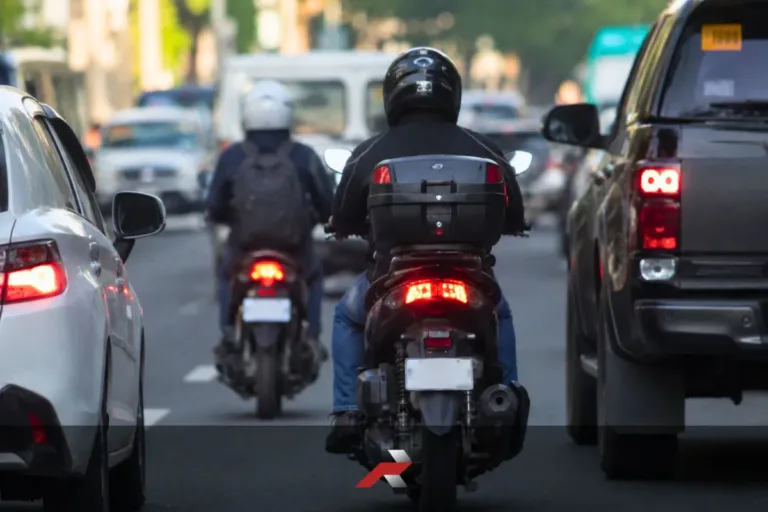
The environment plays a big role, too. Metro Manila traffic, heat, and road conditions affect how your scooter consumes fuel daily. Stop-and-go situations will always increase consumption, no matter what you ride.
If you want a deeper breakdown of riding habits, check the Fuel Saving Scooter Riding Tips Philippines Guide. It connects directly to what you do on the road every day.
Also, if your scooter suddenly feels thirsty, read Why Your Scooter Consumes Too Much Fuel Philippines Fix Guide. Sometimes, the issue is mechanical, not behavioral.
At the end of the day, fuel efficiency is not just about the machine. It is about the rider behind it.
No. Most scooters are tuned for regular fuel. Premium does not guarantee savings.
Yes, especially in traffic. It adjusts fuel delivery more efficiently.
Yes. Higher displacement engines burn more fuel in daily riding.
Absolutely. Smooth riding can significantly reduce consumption.
Fuel efficiency is not about chasing one factor. It is about understanding how everything works together.
This scooter fuel efficiency comparison Philippines guide shows that engine type, fuel choice, transmission, and maintenance all play a role. But riding behavior and real-world conditions matter the most.
A disciplined rider on a simple scooter will always save more fuel than someone relying only on specs.
That is the reality.
If you want to spend less on fuel, focus on what you control every day. It starts with your riding habits. Maintenance plays a role too. Even your response to traffic affects consumption.
Because in the end, fuel efficiency is not built in the machine. It is built in the rider.