Skip to content
Contact & Community
📍 Metro Manila, Philippines
🌐 robimotoph.com
✉️ hello@robimotoph.com
📱 +63 917 517 0594
📍 Metro Manila, Philippines
🌐 robimotoph.com
✉️ hello@robimotoph.com
📱 +63 917 517 0594

The real cost of owning a big bike in the Philippines goes far beyond the showroom price. This conservative 10,000 km annual breakdown explains fuel expenses, preventive maintenance, tire wear, insurance, registration, and emergency buffers across 400cc, 650cc, and 900cc motorcycles. With realistic Philippine pricing and a 3-year projection table, this guide helps riders understand the true financial commitment behind big bike ownership. Built for serious Filipino riders who want clarity before commitment, not hype before responsibility.
The real cost of owning a big bike in the Philippines is not the SRP displayed in a dealership. It is the annual cycle of fuel consumption, preventive maintenance, consumables, insurance, legal compliance, and depreciation that quietly determines whether ownership feels empowering or financially stressful.
Many riders compute monthly amortization. Fewer calculate the actual cost of riding 10,000 kilometers per year through Metro Manila traffic, provincial highways, unpredictable weather, and daily stop-and-go conditions.
This guide uses conservative estimates. It avoids unrealistic fuel claims, does not assume tires last forever, and refuses to ignore emergency buffers. Instead, the breakdown models three realistic tiers.
If you are still weighing lifestyle alignment, revisit Is Motorcycle Ownership Still Worth It in 2026? A Real-World Review for Filipino Riders before proceeding. This breakdown assumes commitment. Now we calculate sustainability.
Any serious discussion about the real cost of owning a big bike in the Philippines must begin with transparent assumptions. Without clear modeling variables, cost projections become misleading or overly optimistic.
This breakdown uses conservative and realistic conditions based on common Filipino riding patterns rather than idealized scenarios. These assumptions align with the preventive ownership principles outlined in the Motorcycle Maintenance in the Philippines: A Real-World Guide for Riders, where long-term cost control is directly tied to disciplined maintenance habits, environmental awareness, and consistent inspection routines.
Clear assumptions protect riders from unrealistic budgeting expectations and help convert maintenance behavior into measurable financial outcomes.
10,000 Kilometers Per Year
We assume 10,000 kilometers annually.
This reflects:
In Metro Manila, daily riders often accumulate 20 to 40 kilometers per day depending on route and traffic. Over twelve months, that easily approaches or exceeds 10,000 kilometers.
This number is neither extreme nor minimal. It represents active ownership.
Lower annual mileage reduces fuel and tire expenses. However, maintenance schedules often remain time-based rather than purely distance-based. Oil still degrades. Rubber still ages. Batteries still discharge.
That is why 10,000 km per year provides a balanced reference point.
Daily Urban Riding Conditions
Urban riding in the Philippines is mechanically demanding.
Traffic density increases:
Compared to highway cruising, urban riding shortens the lifespan of brake pads, chains, and tires. It also increases fuel consumption due to frequent acceleration and deceleration.
This breakdown assumes regular exposure to:
Highway-only riders may experience slightly lower consumable wear. However, most big bike owners combine city and provincial riding.
Weekend Provincial Trips
Big bikes are not purchased for traffic alone.
Provincial rides introduce:
These conditions impact:
Weekend rides increase total annual mileage quickly. A single 300 km provincial ride adds measurable wear to consumables.
Ownership modeling must include this.
Mixed Dealer and Reputable Independent Shop Servicing
Service cost assumptions use a mixed model.
Dealer servicing typically costs more due to:
Independent shops, when reputable and experienced with specific models, can reduce cost without sacrificing quality.
This breakdown assumes riders:
Pure dealer servicing would increase totals. Pure low-cost servicing may reduce upfront cost but increase long-term mechanical risk.
The mixed model reflects mature ownership behavior.
Preventive Replacement Strategy
This is important.
We assume preventive replacement, not failure-based replacement.
That means:
Waiting for failure reduces short-term expense but increases long-term risk and potential repair cost.
Preventive strategy increases annual budget slightly. However, it reduces emergency breakdowns and safety exposure.
This assumption reflects responsible ownership, not reactive ownership.
Upper-Range Conservative Pricing
All cost estimates lean toward the upper realistic range.
Why?
Because optimistic projections create financial stress later.
Fuel prices fluctuate. Labor rates increase. Parts availability changes. Import costs shift.
Using conservative pricing:
If actual expenses come in lower than projected, that becomes surplus margin. If projections are too low, stress follows.
This modeling approach favors caution over convenience.
What This Breakdown Does Not Assume
To maintain clarity, this breakdown does not include:
Those variables are highly rider-specific.
This article focuses on responsible, standard ownership under normal Philippine riding conditions.
Why These Assumptions Matter
Without structured assumptions, discussions about the real cost of owning a big bike in the Philippines become anecdotal.
One rider may say ownership is affordable.
Another may say it is financially draining.
The difference often lies in:
Transparent modeling allows clearer decisions.
And clarity is the foundation of responsible ownership.
Typical 2026 Philippine pricing:
| Tier | Estimated SRP |
|---|---|
| 400cc | ₱220,000 – ₱350,000 |
| 650cc | ₱420,000 – ₱550,000 |
| 900cc+ | ₱550,000 – ₱900,000+ |
At first glance, the purchase price feels like the largest financial hurdle. For many riders, saving for the down payment or securing financing approval feels like the hardest part of ownership.
But that is only the beginning.
The purchase price is the entry gate. The real cost of owning a big bike in the Philippines starts the moment the odometer begins to move. For a realistic projection of yearly expenses beyond SRP, review the Annual Maintenance Budget Breakdown for Big Bikes in the Philippines: A Realistic 12-Month Cost Guide for Responsible Riders to understand how fuel, maintenance, insurance, tires, and contingency reserves compound over 12 months.
Ownership is not defined by sticker price. It is defined by sustainability.
Showroom pricing creates a psychological effect. Once the bike is paid for, riders often feel that the biggest burden has passed. The monthly amortization becomes the visible number, while everything else fades into the background.
However, ownership cost behaves differently from purchase cost.
The SRP is fixed. Ownership cost is recurring.
Fuel, maintenance, tires, insurance, and wear parts continue every season. That difference separates excitement from sustainability.
Even the first 1,000 kilometers introduce this shift. Most manufacturers require an initial service at this milestone, which typically includes oil replacement, inspections, and adjustments. Ownership transitions from acquisition to maintenance almost immediately.
Many riders finance their motorcycles.
A ₱500,000 motorcycle can exceed ₱600,000 after interest depending on loan terms. That increase happens before fuel, maintenance, or insurance are even considered.
Loan interest may not appear in maintenance modeling, but it directly affects monthly cash flow. Riders managing both amortization and operational costs must maintain financial discipline to avoid strain.
Unlike real estate, motorcycles depreciate.
The moment a big bike leaves the dealership, market value drops. Within the first two to three years, depreciation can reach 15 to 25 percent depending on brand reputation, maintenance record, accident history, market demand, and model updates.
Higher displacement motorcycles lose higher absolute peso value even if the percentage remains similar. A 20 percent drop on a ₱300,000 motorcycle equals ₱60,000. The same percentage on an ₱800,000 motorcycle equals ₱160,000.
Depreciation is part of the real cost of owning a big bike in the Philippines, even if it is not immediately felt in cash flow.
Purchase cost is a single transaction. Ownership cost builds in layers over time.
Fuel, preventive maintenance, consumables, insurance, unexpected repairs, gear upgrades, and depreciation do not occur in isolation. These costs overlap.
A tire replacement may reveal brake pad wear. A chain change may coincide with sprocket replacement. A rainy season can accelerate wear patterns.
Costs tend to cluster rather than spread evenly across the year. This layering effect is rarely visible at the time of purchase.
Many new big bike owners ride more than expected.
Long rides become frequent. Weekend trips extend farther. Fuel consumption rises. Tire wear accelerates.
Ownership enthusiasm increases mileage, and higher mileage increases cost.
A budget based on occasional riding quickly becomes outdated. Modeling at 10,000 kilometers per year provides a more realistic baseline than optimistic projections.
400cc motorcycles often feel manageable because purchase price is lower, fuel efficiency is better, tire sizes are smaller, and insurance premiums are lighter compared to larger displacement bikes.
However, even entry-level big bikes introduce higher oil volume, heavier wear components, increased labor costs, and more complex mechanical systems compared to underbone or scooter models.
The step from 400cc to 650cc introduces another financial layer. Moving from 650cc to 900cc increases cost intensity further. Each tier raises not just displacement, but operational exposure.
Affording the SRP does not automatically mean sustaining ownership.
Sustainability requires maintenance discipline, emergency reserves, insurance consistency, and sufficient budget margin. When maintenance starts to feel optional, ownership stress begins.
Purchase price is static. Ownership is dynamic.
The SRP does not change after purchase, but fuel prices fluctuate, labor rates increase, parts availability shifts, and insurance premiums adjust over time.
Understanding this difference protects riders from financial strain.
After several years of responsible ownership, many riders realize that operational cost often exceeds the psychological weight of the original purchase price. Fuel, tires, maintenance, and insurance accumulate quietly.
Buying is easy.
Sustaining is the real commitment.
Fuel pricing fluctuates weekly. Energy price monitoring platforms such as GlobalPetrolPrices reflect market movement influenced by global supply and currency exchange.
For conservative modeling, we use ₱70 per liter.
| Tier | Avg km/L | Annual Liters | Annual Fuel Cost |
|---|---|---|---|
| 400cc | 22 km/L | 455 L | ₱31,850 |
| 650cc | 18 km/L | 556 L | ₱38,920 |
| 900cc | 15 km/L | 667 L | ₱46,690 |
Throttle discipline directly affects this number.
Annual registration renewal is one of the most consistent fixed costs in big bike ownership. It does not fluctuate dramatically, but it must never be ignored.
Renewal typically includes:
These fees are structured under the Land Transportation Office fee matrix, which standardizes charges across displacement categories. While motorcycles above 400cc may not see extreme differences in registration cost compared to smaller bikes, the legal responsibility remains the same.
Estimated annual renewal cost ranges between ₱2,000 and ₱3,000 depending on testing center and insurance provider.
On paper, this amount looks minor compared to fuel or tire expenses. However, failure to renew on time leads to penalties, inconvenience, and possible impound risks during checkpoints.
Legal compliance is not just about avoiding fines. It protects resale value and ownership credibility. Buyers prefer motorcycles with clean, updated registration history.
The bigger financial risk appears when purchasing second-hand motorcycles. Incomplete documentation, unpaid penalties, or mismatched ownership records can result in unexpected expenses.
Before buying used units, review Transfer of Ownership for Motorcycle Philippines: A Step-by-Step Guide for Riders Who Value Transparency and Community to prevent administrative complications that may cost more than routine maintenance.
Registration may be predictable, but documentation mistakes are not.
Responsible ownership begins with clean papers.
Comprehensive insurance protects against:
Conservative annual premium estimate:
| Tier | Insurance |
|---|---|
| 400cc | ₱8,000 – ₱12,000 |
| 650cc | ₱12,000 – ₱18,000 |
| 900cc | ₱18,000 – ₱25,000 |
Skipping comprehensive reduces short-term expense but increases exposure.
Most big bikes require oil changes every 5,000 km.
Two oil services per year.
| Tier | Per Service | Annual |
|---|---|---|
| 400cc | ₱3,000 | ₱6,000 |
| 650cc | ₱4,000 | ₱8,000 |
| 900cc | ₱5,000+ | ₱10,000 |
Add air filter, inspection, and minor consumables.
Estimated annual PMS:
Rear tires often last 12,000 to 18,000 km.
Front tires may last longer but lose wet performance earlier.
Estimated tire pair cost:
| Tier | Cost |
|---|---|
| 400cc | ₱18,000 |
| 650cc | ₱25,000 |
| 900cc | ₱32,000+ |
Prorated annually:
Tires are not cosmetic expenses. They define braking distance.
Urban traffic increases brake usage frequency.
Estimated yearly cost:
| Tier | Annual |
|---|---|
| 400cc | ₱3,000 |
| 650cc | ₱4,500 |
| 900cc | ₱6,000 |
Brake fluid replacement every two years adds minor cost.
Average lifespan:
20,000 to 30,000 km
Replacement set:
| Tier | Set Cost |
|---|---|
| 400cc | ₱8,000 |
| 650cc | ₱12,000 |
| 900cc | ₱15,000 |
Prorated annually:
Regular cleaning extends life significantly.
Responsible riding requires full gear.
Helmet ₱12,000 over 5 years
Jacket ₱8,000 over 4 years
Gloves ₱3,000 yearly
Boots ₱10,000 over 5 years
Estimated annual gear cost:
₱9,000 – ₱12,000
This excludes optional upgrades.
Electrical faults
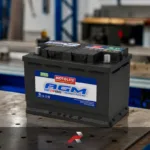
Battery replacement
Sensor failures
Minor crashes
Conservative annual reserve:
| Tier | Buffer |
|---|---|
| 400cc | ₱10,000 |
| 650cc | ₱15,000 |
| 900cc | ₱20,000 |
Responsible riders maintain emergency funds.
The real cost of owning a big bike in the Philippines becomes clearer when we compress all recurring expenses into a single annual snapshot. Instead of looking at fuel, insurance, and maintenance separately, this summary shows how layered ownership truly is.
| Category | 400cc | 650cc | 900cc |
|---|---|---|---|
| Fuel | ₱31,850 | ₱38,920 | ₱46,690 |
| Registration | ₱2,500 | ₱2,500 | ₱2,500 |
| Insurance | ₱10,000 | ₱15,000 | ₱22,000 |
| PMS | ₱8,000 | ₱11,000 | ₱14,000 |
| Tires | ₱12,000 | ₱16,500 | ₱21,000 |
| Brakes | ₱3,000 | ₱4,500 | ₱6,000 |
| Chain | ₱3,500 | ₱5,000 | ₱6,000 |
| Gear | ₱10,000 | ₱10,000 | ₱12,000 |
| Contingency | ₱10,000 | ₱15,000 | ₱20,000 |
When viewed together, these numbers show that the real cost of owning a big bike in the Philippines is not defined by displacement alone. The jump from 400cc to 650cc is manageable for some riders. The move to 900cc, however, increases annual exposure significantly. The difference is not just power. It is recurring responsibility.
Estimated Annual Total
| Tier | 3-Year Cost |
|---|---|
| 400cc | ₱272,550 |
| 650cc | ₱355,260 |
| 900cc | ₱450,570 |
This does not include depreciation.
Motorcycles typically lose 15 to 25 percent of their value within the first three years, depending on brand reputation, model demand, and overall condition. This percentage may look manageable on paper, but the absolute peso value becomes significant as displacement increases.
A 20 percent drop on a ₱300,000 motorcycle equals ₱60,000. The same percentage on a ₱800,000 motorcycle equals ₱160,000. The larger the initial investment, the larger the depreciation impact in actual cash terms.
Depreciation is influenced by several factors:
Maintenance records directly affect resale value. Buyers prefer motorcycles with documented care rather than vague assurances. A well-maintained unit often commands stronger negotiation power and sells faster.
Depreciation is not a penalty. It is part of ownership mathematics. Understanding it early prevents unrealistic resale expectations later.
To make the numbers more practical, divide annual totals by 12.
| Tier | Monthly Equivalent |
|---|---|
| 400cc | ₱7,570 |
| 650cc | ₱9,868 |
| 900cc | ₱12,516 |
This excludes loan amortization.
Monthly ownership cost can equal a second utility bill.
Divide annual totals by 10,000 km.
| Tier | Cost per km |
|---|---|
| 400cc | ₱9.08/km |
| 650cc | ₱11.84/km |
| 900cc | ₱15.02/km |
This frames the real cost of owning a big bike in the Philippines in measurable terms.
Ownership makes sense when emotional desire and financial readiness move in the same direction.
Big bikes are emotional purchases. The sound, the torque, the presence on the road, the sense of achievement after years of saving. That emotional pull is real, and it is valid. But emotional momentum alone cannot sustain ownership.
Financial alignment is what stabilizes that excitement.
Ownership works well when:
When these conditions are present, ownership feels rewarding rather than burdensome. The rider enjoys the machine without constantly calculating the next expense.
Stress begins when alignment breaks.
It becomes financially uncomfortable when:
Low riding frequency combined with high fixed expenses creates imbalance. The motorcycle becomes a financial obligation rather than a lifestyle asset.
The real cost of owning a big bike in the Philippines is not only measured in pesos. It is measured in peace of mind.
When discipline supports desire, ownership feels stable.
When emotion outruns preparation, ownership feels heavy.
Big bikes reward responsibility. They expose financial overreach quickly.
Alignment is not about wealth. It is about readiness.
And readiness determines whether ownership feels empowering or exhausting.
Yes. A 400cc motorcycle generally consumes less fuel, uses smaller and more affordable tires, and carries lower insurance premiums than a 650cc unit. While the yearly difference may appear moderate, it compounds over several years of consistent riding, making entry-level big bikes more financially sustainable for budget-conscious owners.
Not double, but noticeably higher. A 900cc motorcycle typically consumes more fuel, uses wider and more expensive tires, and carries higher insurance premiums. The increase in consumables and depreciation makes higher displacement ownership financially heavier, even if the percentage difference does not reach twice the annual total.
Yes, when the shop is reputable and experienced with your specific model. Independent shops often offer competitive labor rates and flexible part sourcing compared to dealerships. However, cutting cost should never compromise workmanship, as poor servicing can increase long-term repair expenses.
It depends on lifestyle alignment and financial readiness. Ownership feels rewarding when recurring costs are manageable and maintenance never feels optional. It becomes stressful when riding frequency is low or when servicing begins to strain your budget.
Prepare beyond the down payment. Ensure you can comfortably cover at least one year of operating costs, including fuel, maintenance, tires, and insurance. Building a small emergency reserve for unexpected repairs helps prevent delayed servicing and protects long-term ownership stability.
The real cost of owning a big bike in the Philippines goes far beyond the showroom price. While a 400cc motorcycle may cost ₱220,000 to ₱350,000 upfront, annual operating expenses can realistically range from ₱90,000 to over ₱150,000 depending on displacement, mileage, and maintenance discipline.
Fuel, insurance, registration, preventive maintenance, tires, brakes, chain sets, and contingency funds form a recurring financial cycle. Over three years, operational costs alone can approach or exceed half the original purchase price. Depreciation further increases total ownership impact, especially in higher displacement motorcycles.
Affording the SRP is only the entry point. Sustaining ownership requires budgeting for 10,000 kilometers per year, planning for consumables, and maintaining an emergency buffer.
When riders shift the question from “How much is the bike?” to “How much does it cost to keep it healthy?”, financial clarity improves dramatically. For a detailed look at how expenses evolve after the honeymoon phase, review Cost of Motorcycle Ownership After the First Year: Real Riding Expenses Explained to understand how real-world usage patterns reshape long-term budgeting.
Buying a big bike is exciting. Sustaining it responsibly is where maturity shows.
Understanding the real cost of owning a big bike in the Philippines allows riders to choose displacement not just by power, but by long-term sustainability.