Skip to content
Contact & Community
📍 Metro Manila, Philippines
🌐 robimotoph.com
✉️ hello@robimotoph.com
📱 +63 917 517 0594
📍 Metro Manila, Philippines
🌐 robimotoph.com
✉️ hello@robimotoph.com
📱 +63 917 517 0594

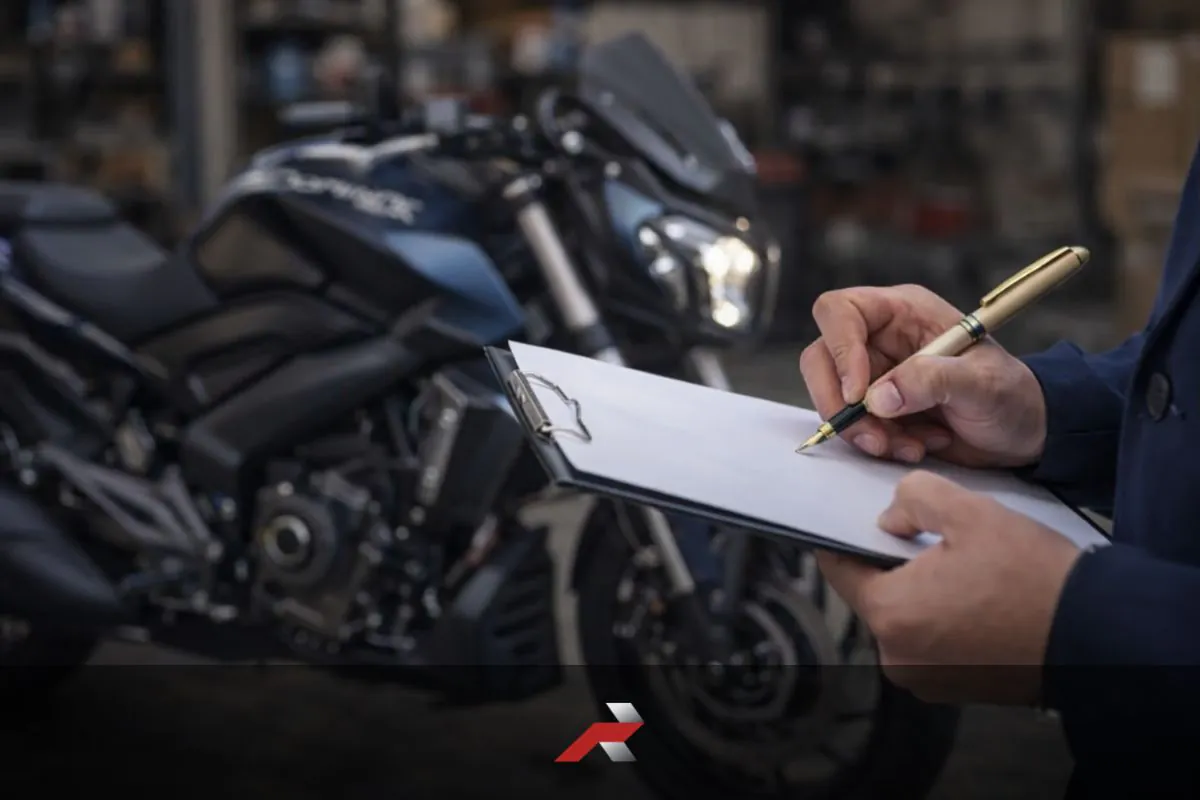
Daily city commuting wear and tear builds quietly through traffic, heat, short trips, and constant braking. Most riders only notice problems when something fails. This checklist breaks down what actually wears out first in real stop and go riding, how to inspect it, and how to prevent expensive downtime. Based on daily road use, not theory, this guide helps you catch small issues before they become repair bills. If you rely on your motorcycle for work or regular travel, these practical checks can protect reliability, reduce costs, and extend the life of critical components.
Daily city commuting wear builds quietly when you ride to work, sit in traffic, crawl between cars, and park in tight spaces every single day. You repeat the same short trips, the same stop and go rhythm, and the same engine heat cycles without thinking about it.
That routine feels normal, but daily city commuting wear and tear adds up faster than most riders expect.
If you have ever dealt with weak starts, random electrical behavior, or sudden no-crank situations, you may have already seen early signs discussed in Dominar 400 Electrical and Starting Issues. Many of those problems begin with small stresses repeated every day.
This checklist focuses on what really wears out in stop and go riding and how you can stay ahead of it.
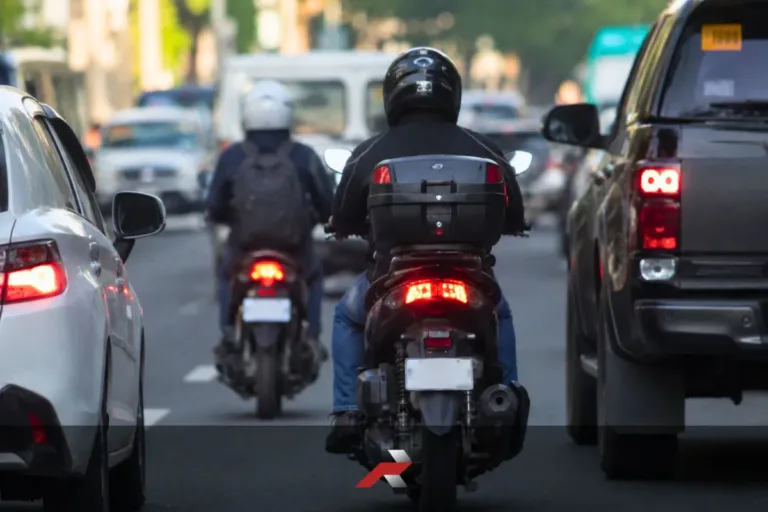
Stop and go riding stresses parts differently compared to long highway runs.
In heavy traffic, the clutch slips more often. Brakes heat up repeatedly. The engine runs hotter at low speed with limited airflow. Meanwhile, the battery absorbs repeated short start cycles.
You may not feel the damage immediately. You just notice subtle changes.
Frequent braking in traffic reduces pad life quickly. You are constantly squeezing the lever, even at low speed. Heat builds up in short bursts. Rotors expand and cool repeatedly.
Over time, you feel slightly longer stopping distances. The lever feels softer. You may hear faint scraping.
Slow crawling forces you to feather the clutch. That constant partial engagement creates heat. Heat wears friction material.
If you smell something burnt after long traffic stretches, that is early warning. If the bite point changes, that is another sign.
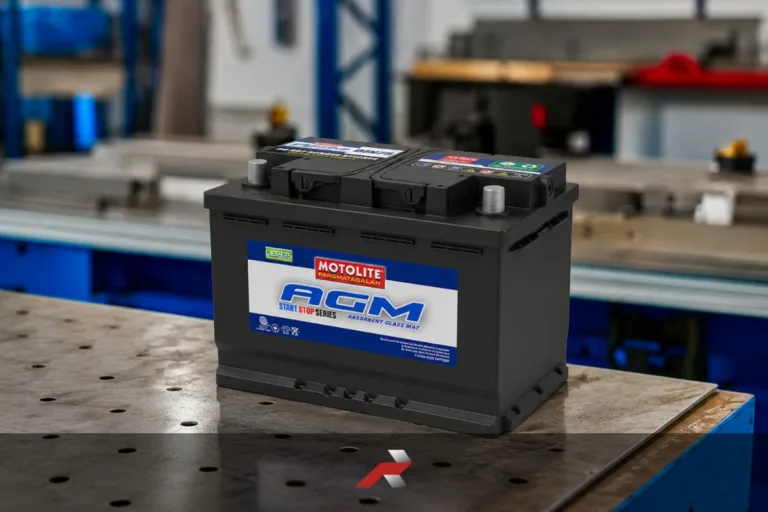
Short daily trips often do not allow full battery charging. You start the bike, ride a few kilometers, shut it off, and repeat later.
Repeated shallow charge cycles shorten battery life. When you ride short distances and shut the engine off before the charging system fully restores voltage, sulfation builds up on the battery plates. That chemical buildup reduces capacity over time, a pattern clearly explained in short trip battery degradation patterns.
You may notice slower cranking in the morning. That is not random.
You do not need tools for this. You need awareness.
Before moving, squeeze the front brake. It should feel firm, not spongy. Press the rear pedal gently. It should not sink.
If the feel changes compared to last week, inspect further.
Engage first gear and release slowly. Notice where it bites. If the engagement point shifts higher than usual, plates may be wearing.
Let the bike idle for a minute. Listen. Rough idle, dimming lights, or weak horn sound can signal electrical strain.
Traffic often means uneven road surfaces and potholes. Check for cuts, embedded debris, or uneven wear on the center strip.
These checks take less than one minute.
Daily use forces small trade-offs.
Riding smoothly reduces heat. Gradual deceleration saves pads and rotors. Hard, repeated stops eat material faster.
In tight traffic, you can either feather constantly or wait for a slightly larger gap and roll smoothly. The second option reduces clutch heat.
Some riders idle during long waits. Others turn the engine off. Both have trade-offs. Extended idling builds heat. Frequent restarts stress the battery and starter motor.
There is no perfect method. There is only balance.
Below is a simplified comparison based on observed patterns in daily commuting environments.
| Component | Highway Bias Use | Stop and Go Use | Typical Early Symptom |
|---|---|---|---|
| Brake Pads | 20,000 km avg | 10,000 to 14,000 km | Softer lever feel |
| Clutch Plates | 40,000 km avg | 25,000 to 30,000 km | Higher bite point |
| Battery | 2 to 3 years | 1.5 to 2 years | Slow cranking |
| Tires | Even wear | Faster center wear | Flattened profile |
| Chain | Moderate wear | Frequent tension changes | Slack variation |
These numbers are not fixed. They reflect patterns seen in real daily use.
Repeated stop and go riding increases thermal cycling in braking systems and charging strain in low speed use. Heat expansion and incomplete recharge patterns accelerate component fatigue over time, especially in environments dominated by short distance commuting and traffic idling.
Routine builds behavior. Behavior builds mechanical outcomes.
After extended use, patterns appear.
Engines running hot in traffic expand and contract more frequently. Gaskets, seals, and hoses experience repeated stress.
You might notice minor oil sweating around seals after many months.
Stop and go torque application creates inconsistent chain load. Acceleration, braking, acceleration again. Slack changes faster.
If you ignore adjustment intervals, sprocket wear accelerates.
Urban roads often mean potholes and uneven surfaces. Front forks and rear shocks absorb constant micro impacts.
Over time, damping feels softer. The bike may feel less planted.
Small issues rarely stay small.
If you notice consistent weak starts, brake feel changes, or shifting bite points, address them early. Postponing small maintenance tasks leads to layered repairs later.
That mindset also ties into cost reflection found in Is Daily Motorcycle Riding Really Cheaper in the Philippines?. Cheap daily transport only stays cheap when preventive care stays consistent.
You save money by skipping minor checks. For a while.
Then one morning the battery fails and you are suddenly late for work. Towing becomes necessary. Repairs happen earlier than planned. What started as a small delay turns into unplanned expense and downtime.
Worn pads grind into rotors. Rotor replacement costs more than pads. Downtime increases.
Thin plates overheat. Springs weaken. Slipping increases fuel consumption and heat buildup.
Weak batteries strain regulators and stators. Once charging components fail, repairs cost more and take longer.
Downtime matters more than part price.
If your daily route includes heavy traffic, shorten your inspection interval by 20 percent compared to manual recommendations. Manuals assume mixed use, not pure stop and go riding.
Visually inspect pads every month. If you ride daily, listen for noise changes and feel for lever softness weekly.
Yes. Repeated short rides reduce full recharge cycles. Occasional longer rides help restore full charge.
Wear is normal. Excessive slipping accelerates it. Smooth throttle control reduces heat.
If your engine runs hot regularly, shorter oil intervals help maintain lubrication quality.
Maintaining components early reduces waste and prevents premature part disposal.
Daily riding feels routine. The road becomes familiar. Traffic becomes predictable.
Mechanical stress does not feel dramatic. It builds quietly.
Daily city commuting wear and tear does not announce itself with loud failures. It shows up as subtle changes in feel, sound, and response.
If you treat those small changes as information instead of inconvenience, you stay ahead of breakdowns.
You do not need complex tools. You need awareness, consistency, and small adjustments in habit.
That is how daily use stays reliable year after year.