Skip to content
Contact & Community
📍 Metro Manila, Philippines
🌐 robimotoph.com
✉️ hello@robimotoph.com
📱 +63 917 517 0594
📍 Metro Manila, Philippines
🌐 robimotoph.com
✉️ hello@robimotoph.com
📱 +63 917 517 0594


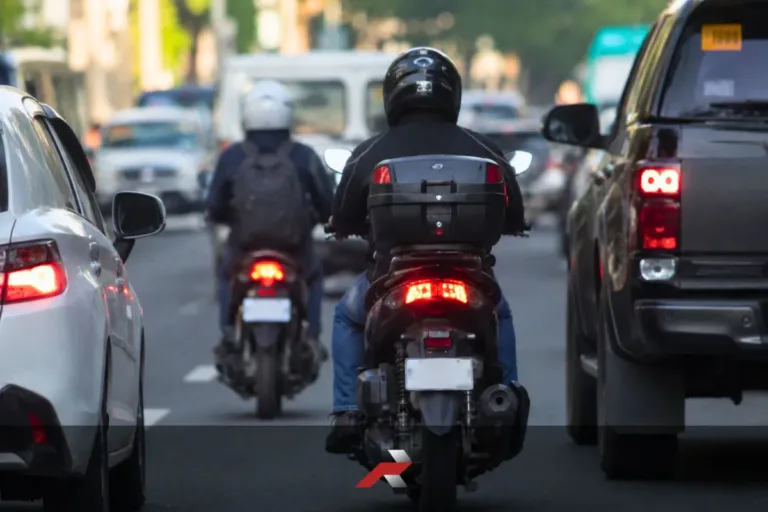
Why Maintenance Mindset Matters becomes clear the first time your motorcycle refuses to start before work or overheats in traffic. Most breakdowns do not come from bad design. They come from delayed inspection, ignored warning signs, or rushed decisions. A maintenance mindset is not about obsessing over parts. It is about paying attention early, making practical choices, and protecting reliability. This article breaks down how that mindset shows up in daily riding, what habits actually work, and how it affects cost, downtime, and long-term ownership confidence. If you ride regularly, this perspective changes everything.
A strong maintenance mindset starts long before a breakdown happens. You do not wake up planning for failure. You expect the bike to start, move, and respond the same way it did yesterday.
But machines age quietly. Fluids thin out. Batteries weaken. Chains stretch. Nothing dramatic at first. Just small changes.
If you want a grounded baseline before going deeper, read Motorcycle Maintenance Guide in the Philippines. It lays out how real-world usage shapes wear patterns more than brochures ever will.
Most riders think about maintenance after a problem appears. That is reactive ownership.
You tell yourself the engine still feels smooth. You delay the oil change by a few weeks. Nothing bad happens immediately. That is the trap.
Oil breakdown is gradual. Protection decreases slowly. Friction increases quietly. By the time you feel roughness, the wear already happened.
You hear a faint rattling sound when rolling off the throttle. You plan to adjust it on the weekend. Weekend becomes next week.
A loose chain affects throttle response and rear sprocket wear. It may not strand you, but it shortens component life.
Why Maintenance Mindset Matters shows up here. It is the difference between noticing early and repairing late.
A maintenance mindset is not about perfection. It is about awareness.
You glance at tire condition. During warm-up, you listen closely. The clutch engagement point tells you a lot about how the bike feels that day.
These actions take seconds. But they train you to detect change.
Repeated exposure to mechanical feedback shapes behavior patterns, similar to rider habit reinforcement observed in real-world maintenance discussions that show how small neglect can escalate over time.
You do not need advanced knowledge. You need consistency.
Engines rarely fail instantly. They signal.
Harder starts. Slight vibration. Brake feel changes. Idle becomes uneven.
A maintenance mindset treats these as information, not annoyance.
Every delay has a reason. Work schedule. Budget timing. Weather.
The question is not whether you delay. The question is what you prioritize.
Skipping a check saves time today. Postponing service saves cash this week.
But small delays compound. Minor wear becomes moderate wear. Moderate wear becomes repair.
Planned maintenance costs less than corrective repair. You replace parts before they damage others.
For example:
Why Maintenance Mindset Matters becomes obvious when you compare preventive cost versus replacement cost.
Do not wait for mileage alone. Pay attention to feel. If the throttle response changes, braking feels softer, or idle sounds different, schedule a check even if you are not due yet. Riding feedback is often more accurate than the service sticker on your fork.
Below is a simplified view of how mindset affects outcome.
| Ownership Approach | Short-Term Result | Long-Term Result | Downtime Risk |
|---|---|---|---|
| Reactive Maintenance | Saves time initially | Higher repair cost | High |
| Scheduled Maintenance | Requires planning | Stable reliability | Low |
| Inconsistent Servicing | Unpredictable performance | Irregular wear patterns | Medium |
The table is simple, but the pattern repeats across models and engine types.
Planned care does not eliminate problems. It reduces surprises.
Motorcycles reflect ownership patterns.
Bikes maintained consistently:
Bikes maintained reactively:
The difference is not always brand. It is routine.
Why Maintenance Mindset Matters is not theoretical. It becomes visible after extended mileage.
Unexpected repair affects more than your wallet.
If your motorcycle is part of your daily mobility, downtime disrupts work and commitments. Even weekend riders feel the frustration of canceled plans.
Common cost scenarios:
Preventive action spreads expense over time. Emergency repair concentrates it.
A battery replaced early costs less than replacing battery, regulator, and towing fee combined.
Schedule inspection slightly before the recommended interval if usage is heavy. It gives margin instead of gambling on limits.
Confidence grows when your machine responds consistently.
You do not hesitate before long rides. There is no second-guessing when you press the starter. New sounds no longer make you tense or overthink.
This confidence does not come from upgrades. It comes from routine care.
A maintenance mindset also protects resale value. Service records and consistent condition speak louder than modifications.
Buyers look for signs of discipline. Clean fasteners. Proper torque marks. Even wear.
These details reflect approach, not budget.
No. It is about awareness and timing. Even if you rely on a shop, your decision timing matters.
New bikes tolerate minor delays better, but early habits shape long-term patterns.
Start with basic checks before riding and record service intervals consistently.
Not necessarily. It ensures upgrades do not mask underlying wear.
Extending part life through timely care reduces unnecessary replacements and waste.
RobiMotoPH
Most reliability complaints trace back to delayed inspection, not engineering flaws.
If you want to build practical habits step by step, revisit DIY Maintenance 101: 5 Essential Tasks for New Riders. Basic routines create long-term stability.
Why Maintenance Mindset Matters becomes clear over time. It protects your schedule, your budget, and your confidence on the road.
Machines reward consistency. They do not respond well to neglect.
Choose routine over reaction.