Skip to content
Contact & Community
📍 Metro Manila, Philippines
🌐 robimotoph.com
✉️ hello@robimotoph.com
📱 +63 917 517 0594
📍 Metro Manila, Philippines
🌐 robimotoph.com
✉️ hello@robimotoph.com
📱 +63 917 517 0594

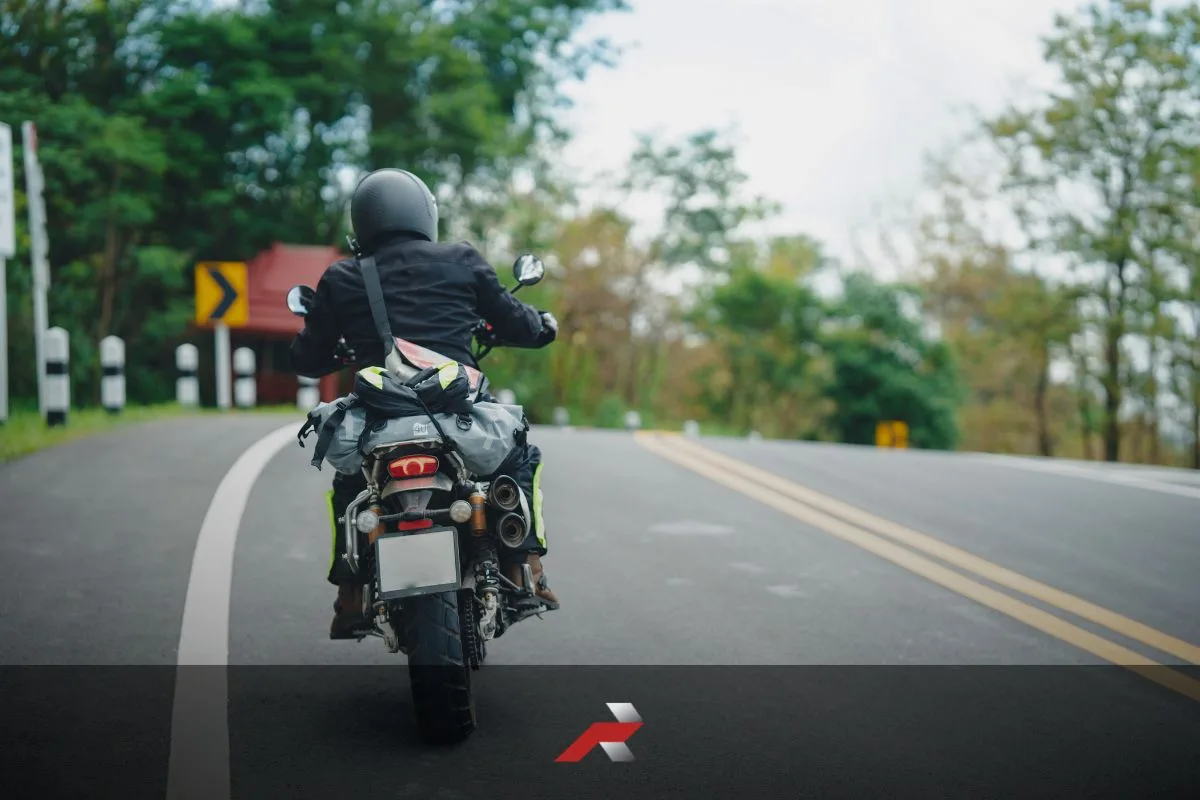
The first year of owning a motorcycle feels simple. Payments are clear, service feels predictable, and the bike still feels fresh. After that, costs shift quietly. Traffic heat, short rides, parts wear, and service decisions begin shaping what you actually spend. The cost of motorcycle ownership after the first year is not about major failures right away. It is about small, repeat expenses that slowly stack up. This review looks at real riding patterns, city conditions, and service realities so expectations stay grounded and practical.
Many riders assume that once the first year ends, expenses ease up. Monthly payments drop, early services are done, and the motorcycle feels sorted. In real use, the cost of motorcycle ownership after the first year does not disappear. It simply becomes less obvious and more layered.
Short city trips, long idling in traffic, heat soak, and delayed maintenance all play a role. These rarely cause dramatic breakdowns. Instead, they shape how often parts wear and how service costs accumulate. Whether you ride a scooter, underbone, or big bike, ownership patterns eventually shift from excitement to responsibility.
If you are still in the buying phase, understanding long-term cost starts with choosing correctly. You can review Beginner Motorcycle Buying Guide: Start Your Ride Right before diving deeper into ownership realities.
This article focuses on what changes after year one. The goal is clarity. You will see where money quietly goes and how to manage it before small costs turn into real expenses.
After the first year, most motorcycles still run well. The difference is how often small issues start asking for attention. Brakes feel less sharp. Chains require adjustment more frequently. Tires lose grip confidence sooner than expected.
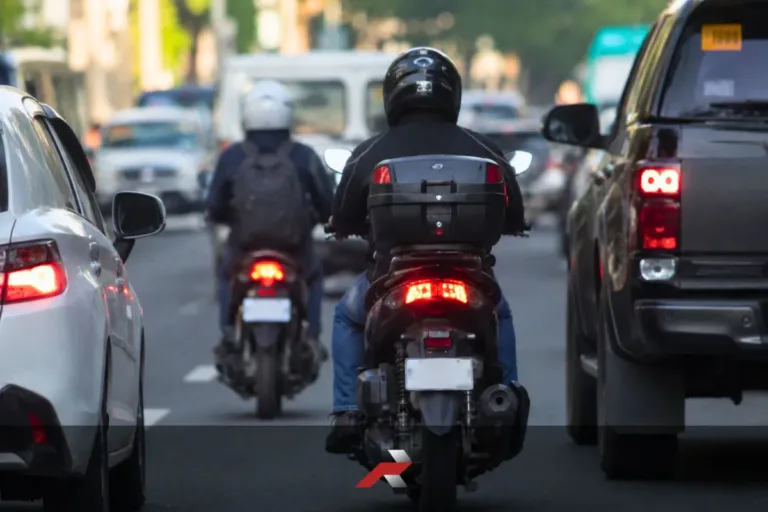
These are not defects. They are normal signs of real-world riding. In Philippine conditions, engines spend more time heating and cooling in traffic than cruising at steady speeds. Dust, rain, potholes, and stop-and-go congestion quietly accelerate wear.
Fuel consumption can also drift. It may not be obvious on one ride, but it becomes visible in monthly spending. Riders often blame fuel quality. In practice, rolling resistance, tire pressure habits, chain condition, and riding style play a larger role. Industry insights shared by Top Gear Philippines regularly highlight how maintenance habits affect long-term operating costs more than dramatic mechanical failures.
This is how the cost of motorcycle ownership after the first year usually begins. It does not arrive as a breakdown. It shows up in small replacements, more frequent servicing, and gradual increases in fuel expense during everyday errands and rush hour traffic.
Most modern engines handle the first year easily. What changes after that is how often wear items move into replacement territory. Brake pads, tires, chains, sprockets, bearings, drive belts, and fluids quietly become recurring expenses.
Brake pads wear faster in heavy traffic than on open roads. Tires flatten at the center long before the sidewalls look finished. Chains stretch unevenly when adjustments are delayed. On scooters, CVT components cycle more often than expected. On bigger bikes, tire and brake costs scale up with performance.
This is why long-term budgeting matters. For higher displacement machines, the pattern becomes more visible in Real Cost of Owning a Big Bike in the Philippines (2026 Conservative Breakdown), where tire and brake replacement intervals significantly affect yearly totals.
Engines rarely fail in year two. Wear items simply demand attention more frequently.
Service manuals assume steady riding and clean conditions. Real-world use in the Philippines is rarely ideal. Heat cycles, dust, rain exposure, and short-distance trips shorten effective service intervals.
Even without skipping maintenance, performance drop becomes noticeable sooner. Oil darkens faster. Chains require more frequent lubrication. Filters clog earlier in urban traffic.
This is where confusion starts. The motorcycle still runs. It starts every morning. Nothing feels “broken.” Yet spending increases. That gap between perception and reality is the true cost of motorcycle ownership after the first year in everyday riding conditions.
When booking service after year one, describe how the bike feels between rides, not just mileage. Mention drag, vibration, or noise changes. Shops diagnose faster when symptoms match real use, not only numbers.
After the first year, ownership costs become cyclical rather than surprising. They are not dramatic, but they are consistent.
Below is a conservative estimate of common annual expenses in Philippine conditions:
For 110cc–160cc scooters and underbones:
Estimated yearly range: ₱8,000–₱18,000 depending on usage.
For 400cc and above motorcycles:
Estimated yearly range: ₱25,000–₱60,000+, depending on brand and riding intensity.
These numbers are not worst-case scenarios. They reflect normal ownership patterns. The full breakdown for larger displacement machines is discussed in Annual Maintenance Budget Breakdown for Big Bikes in the Philippines: A Realistic 12-Month Cost Guide for Responsible Riders, where costs are mapped across a full calendar year.
The key takeaway is this: after year one, the engine is rarely the financial issue. Consumables, service frequency, and riding habits shape the budget more than dramatic mechanical failure.
Not every issue needs immediate action.
After year one, ownership becomes a series of small decisions.
Fix now?
Or stretch a little longer?
These protect braking, stability, and long-term reliability.
These affect comfort more than safety.
Replacing tires early improves confidence and braking feel.
Stretching tire life saves money short term but reduces grip gradually.
Replacing a chain early protects sprockets.
Delaying replacement increases total drivetrain cost.
Small delays compound over time.
Service location also affects long-term spending:
Traffic patterns matter more than most riders realize.
There is no perfect formula.
The balance always sits between safety, feel, and budget.
Smart ownership is not about spending less.
It is about spending at the right time.
Ownership changes quietly.
The motorcycle still runs.
It still starts every morning.
But priorities shift.
Seats, grips, and suspension feel acceptable early on.
After extended daily use, discomfort appears.
Some riders invest in seat upgrades or suspension tuning.
Others adjust posture or reduce ride duration.
Comfort is not urgent at first.
Over time, it becomes a budgeting decision.
Waiting for service or parts becomes frustrating.
A motorcycle off the road costs time, not just money.
Reliability becomes more valuable than small savings.
Long-term ownership discussions documented by ADVRider consistently show this shift. Conversations move away from purchase price and toward parts availability, turnaround time, and service support.
This is another hidden layer of the cost of motorcycle ownership after the first year. It is not always financial. It is logistical and emotional.
Skipping one service rarely causes harm.
Repeating the habit does.
Old brake fluid slowly affects calipers.
Loose chains wear sprockets unevenly.
Worn tires stress suspension components.
Delayed oil changes reduce long-term engine protection.
These issues rarely fail all at once.
They stack quietly.
Instead of one repair, you face several at the same time.
Instead of a small bill, you see a larger one.
That is how the cost of motorcycle ownership after the first year builds. Not dramatically. Gradually.
Time also becomes part of the expense.
Booking service means losing hours or even a full day.
Waiting for parts disrupts routine.
Transport alternatives add unexpected spending.
After year one, maintenance is no longer bundled with early warranty visits. Every delay has a ripple effect.
Ownership feels heavier not because the motorcycle fails —
but because responsibility increases.
Preventive action is cheaper than compounded repair.
After service, take one short ride before resuming normal use. Focus on feel changes. Catching issues early avoids repeat visits and wasted labor.
Wear items almost always lead the list. Tires, brake pads, chains, and sprockets start cycling faster once real traffic use sets in. The engine usually stays reliable, but consumables quietly become the recurring budget line.
It can increase slightly. As tires wear, chains stretch, and drivetrains lose peak efficiency, fuel consumption may drift. The change is gradual, but over months, it becomes noticeable in total spending.
It depends on consistency and trust. Dealers follow standard procedures and documentation. Independent shops may offer flexibility and lower labor cost. The key is regular maintenance, not just location.
Stop-and-go riding, heat cycles, and short trips accelerate wear. Brakes, cooling systems, and chains experience more stress in city conditions than on open highways. Urban riding often shortens effective service intervals.
Yes. Proper tire pressure, timely oil changes, chain cleaning, and scheduled inspections prevent small issues from stacking. Discipline reduces surprise expenses more effectively than chasing discounts later.
Replacing wear items before they damage other components quietly extends a motorcycle’s usable life without adding complexity.
RobiMotoPH
The cost of motorcycle ownership after the first year is rarely about catastrophic failure. It is about patterns.
Wear items cycle more often.
Fuel spending drifts slightly.
Service intervals feel shorter in real traffic conditions.
Whether you ride a 110cc commuter, a 400cc middleweight, or a liter-class machine, the structure is the same. Engines are durable. Consumables are predictable. Delays are expensive.
Ownership becomes sustainable when riders understand timing. Replacing parts early protects larger systems. Preventive maintenance costs less than compounded repairs. Consistency lowers stress more than shortcuts ever will. For a clear, realistic view of what yearly costs can look like, use Annual Maintenance Budget Breakdown for Big Bikes in the Philippines: A Realistic 12-Month Cost Guide for Responsible Riders as your baseline.
The first year is about excitement.
The years after that are about discipline.
A motorcycle does not become expensive overnight.
It becomes expensive when small decisions repeat.
Control the pattern, and you control the cost.