Skip to content
Contact & Community
📍 Metro Manila, Philippines
🌐 robimotoph.com
✉️ hello@robimotoph.com
📱 +63 917 517 0594
📍 Metro Manila, Philippines
🌐 robimotoph.com
✉️ hello@robimotoph.com
📱 +63 917 517 0594

Modern motorcycles now come loaded with electronics that promise safer riding in traffic, rain, and long stop-and-go hours. ABS, traction control, ride modes, and rider aids are often treated as must-haves. But real riding rarely looks like marketing photos. It happens in congestion, heat, uneven roads, and rushed service schedules. This article looks at whether safety features are overrated once the novelty fades. The goal is not to dismiss technology, but to show how these systems actually behave in daily use, how riders adjust around them, and where they truly help or quietly get ignored.
Many riders assume that more electronics automatically mean a safer ride. The idea that safety features are overrated usually sounds wrong at first, especially when spec sheets keep getting longer every year.
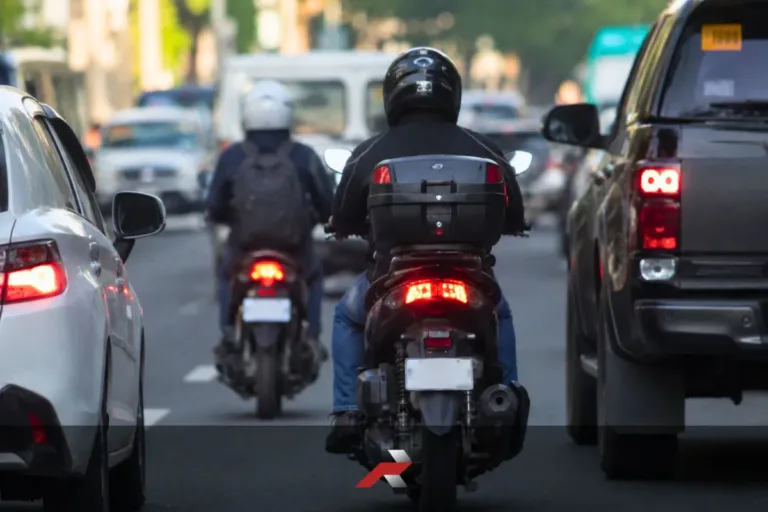
But daily use tells a different story. In traffic, during quick errands, or on tired commutes home, the way these systems work often feels less dramatic than expected. Some help quietly. Others fade into the background.
This discussion comes from real use, not theory. It builds on observed riding habits, service realities, and long-term ownership patterns, similar to a practical riding reference found in Motorcycle Safety: A Personal Commitment to Every Ride. The value here is clarity, not judgment.
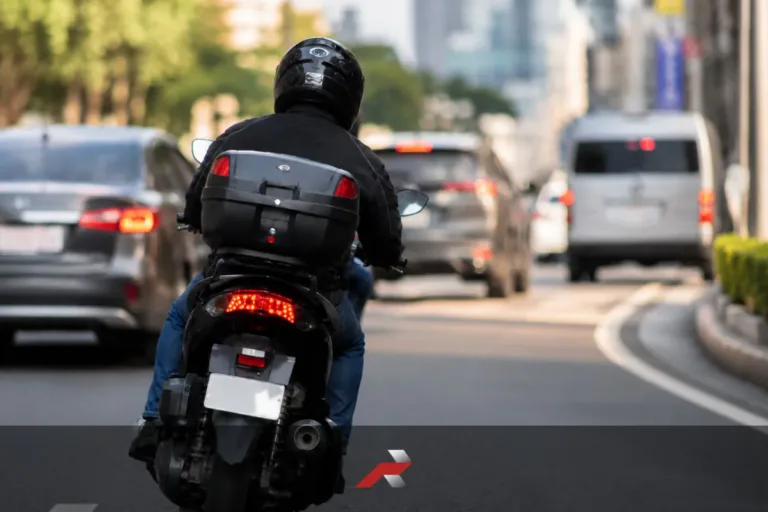
Safety features rarely announce themselves during normal riding. Most days, you do not feel them working at all. That silence can be good, but it also changes how riders think about them.
ABS usually only shows up during panic stops. Traction control stays quiet unless the road is dusty, wet, or uneven. Ride modes often get set once and forgotten. In heavy traffic, the throttle response matters more than electronics.
Because these systems activate only during specific moments, many riders start trusting their own habits more. They brake earlier, slow down on bad roads, and ride defensively without thinking about the tech underneath.
This does not mean the features fail. It means their value is situational. On clean roads with predictable movement, your awareness still does most of the work.
The question of are safety features overrated usually appears after the honeymoon period ends. Once the bike becomes familiar, confidence rises and attention shifts.
Riders notice that smoother throttle control reduces stress more than ride modes. Clear mirrors matter more than cornering ABS in traffic. Good tires feel more reassuring than extra sensors.
After months of use, the features blend into the background. They become insurance rather than active tools. That shift is natural, but it changes expectations. You stop riding “with” the system and start riding “around” it.
At this stage, the question is not whether the features exist, but whether they change how you actually ride every day.
When discussing service work, ask your mechanic to test ABS activation after brake jobs, even if nothing feels wrong. Feeling the system pulse once in a controlled check builds trust without changing riding habits.
Electronics add safety, but they also add layers. More sensors mean more wiring. More control units mean more diagnostics during service.
Some riders accept this easily. Others prefer simpler setups that are easier to troubleshoot. Neither choice is wrong. It depends on how often you ride, where you service the bike, and how long you plan to keep it.
A local comparison published by Visor PH often highlights how advanced systems help during emergencies but require proper maintenance to stay reliable. That balance matters more than spec bragging.
Riders eventually choose between peace of mind from technology and confidence in mechanical simplicity. Most sit somewhere in between.
| Feature | When It Helps | When It Feels Invisible |
|---|---|---|
| ABS | Sudden braking on slick roads | Normal stops in traffic |
| Traction Control | Gravel, rain, uneven pavement | Dry city streets |
| Ride Modes | Learning a new bike | Familiar daily routes |
| Engine Braking Control | Downhill riding | Flat urban riding |
These systems are not always active. Their usefulness depends on conditions you may or may not encounter often.
After long-term use, riders often stop talking about features and start talking about habits. They adjust braking distance. They choose routes carefully. They learn how their bike reacts under stress.
Many realize that safety features do not replace awareness. They support it. Over time, riders trust themselves first and the system second.
An international long-term ownership reference from Motorcyclist Magazine shows similar patterns. Electronics help most when riders already practice good control and anticipation.
The biggest mistake is assuming the system will save every situation. The quiet lesson is learning where it helps and where it does not.
Electronics rarely fail suddenly, but when they do, diagnosis takes time. Sensors, wiring, and control units often need proper tools.
This affects downtime more than cost. Waiting for parts or testing systems can keep bikes off the road longer than simple mechanical fixes.
On the other hand, when systems work properly, they can prevent crashes that cost far more. The trade-off is not money alone, but convenience and access to skilled service.
For riders who depend on their bike regularly, predictability often matters as much as protection.
After long rides in heavy rain, pay attention to warning lights during the next start. Even brief sensor alerts are worth mentioning early before they turn into repeated downtime.
They help in specific situations, especially emergencies. They do not replace attention or judgment.
Once familiar with their bike, many rely more on habit and awareness than electronics.
Yes, especially during sudden stops. You just may not notice it most days.
They can increase diagnostic time, but they rarely require frequent replacement.
They help, but learning control and awareness still matters most.
Riders who understand how safety systems actually behave tend to avoid unnecessary part replacements and keep their motorcycles in usable condition longer.
RobiMotoPH
The question of are safety features overrated does not have a clean yes or no answer. These systems work best as quiet backups, not active crutches.
Over time, most riders blend technology with instinct. They appreciate the safety net without leaning on it. That balance becomes clearer when viewed alongside a long-term ownership reflection like Is Riding Gear an Investment or Expense for Daily Filipino Riders.
In the end, clarity comes from knowing what your bike helps with, and where your own habits still matter most.