Skip to content
Contact & Community
📍 Metro Manila, Philippines
🌐 robimotoph.com
✉️ hello@robimotoph.com
📱 +63 917 517 0594
📍 Metro Manila, Philippines
🌐 robimotoph.com
✉️ hello@robimotoph.com
📱 +63 917 517 0594

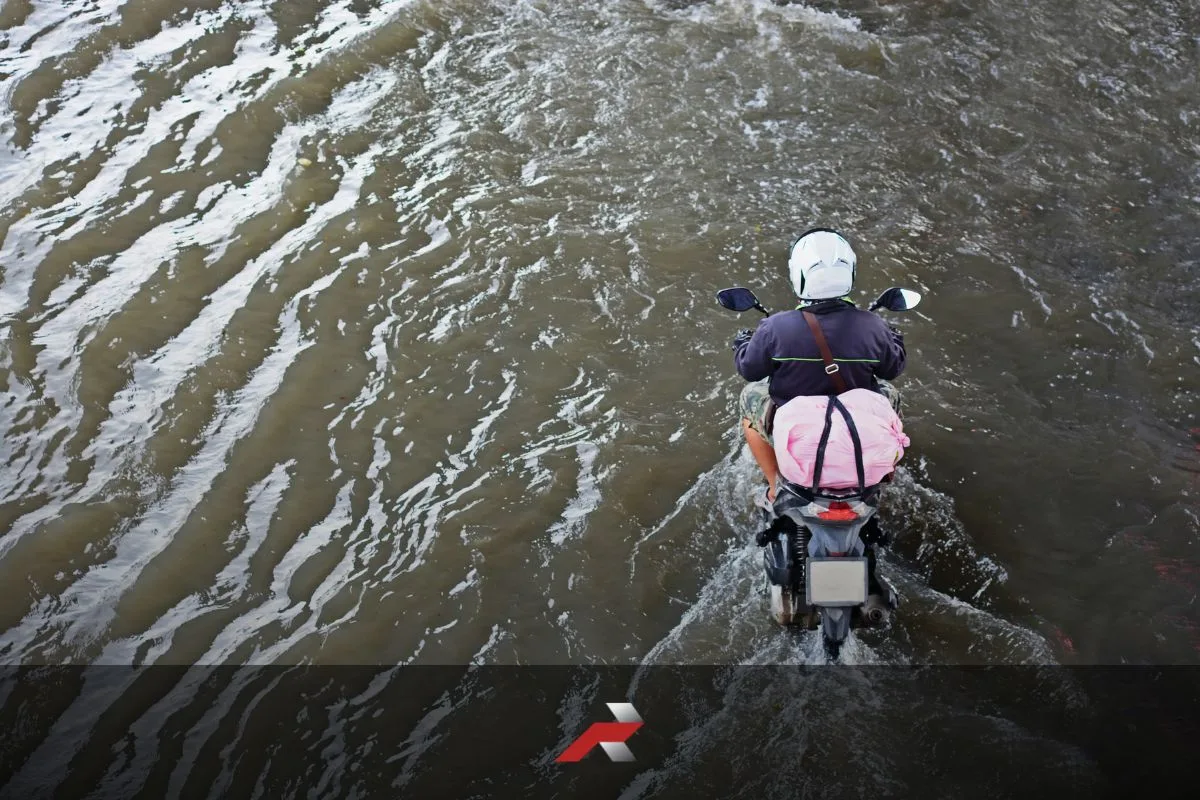
After floodwater recedes, many riders assume a quick wash is enough. In real traffic, that shortcut often leads to rough starts, weak brakes, or rust that shows weeks later. This post-flood riding inspection checklist is built around stop-and-go use, tight streets, and limited service windows. It walks through what to check, what to leave alone, and what needs attention before problems surface. Nothing here is about panic repairs. The goal is clarity. You get a calm, practical way to assess your bike after flood exposure so you can decide what matters now and what can wait.
A common belief after heavy rain is that if the engine still runs, the bike is fine. That assumption breaks down quickly without a proper post-flood riding inspection checklist, especially once water settles into hidden areas during traffic heat cycles.
This post-flood riding inspection checklist comes from what riders notice days and weeks later, not from theory. The signs usually appear during commutes, short errands, or slow crawls home.
If your bike went through standing water, even briefly, this guide helps you sort real risks from noise. The value is simple. You know what to check, in what order, and why it matters for daily use.
For deeper context on full recovery scenarios, a related maintenance discussion is outlined in Rescue Your Flooded Motorcycle: Typhoon Damage Recovery Guide.
Floodwater does not damage everything at once. Problems surface gradually, often in the weeks after exposure. Most riders notice subtle changes, not immediate failure.
Water enters connectors, bearings, and housings while the bike sits still. Once you ride again, heat and vibration redistribute that trapped moisture. Electrical inconsistencies usually appear first. Then friction components begin to respond differently under load.
If you need a broader baseline before diving into flood-specific inspection, our Motorcycle Maintenance Guide outlines routine inspection discipline that makes post-flood checks easier and more systematic.
For many riders, the first clue is not stalling. It is delayed throttle response, softer brake feel, or a chain that suddenly sounds louder than usual. These are not random symptoms. They trace back to moisture intrusion and contaminated lubrication.
The checklist below focuses on reliability during real-world use. It avoids unnecessary teardown unless evidence justifies deeper inspection.
Flood exposure is not always catastrophic. It becomes expensive when warning signs are ignored.
Before starting the engine, inspect the intake opening and air filter housing. Even shallow water can wick upward through soaked filters.
If the filter feels damp or smells off, do not start the bike yet. Running with a wet filter pulls moisture deeper into the intake. That leads to rough idle later.
Check the engine cases, radiator fins, and under-seat area for dirt lines. These marks tell you how high the water reached. Use them as your reference point.
Anything below that line deserves closer inspection. Anything above it usually stays safe.
You do not need to unplug everything. Look for connectors that sit low, near the frame or front wheel. If you see moisture or corrosion, drying comes before riding.
Floodwater displaces grease inside caliper pins and wheel bearings. At first, braking performance seems unchanged. After several rides, subtle dragging or pulsing begins.
If lever feel shifts during traffic, that is rarely simple pad wear. Contamination is working its way through moving parts.
Moisture inside throttle cables or electronic sensors introduces slight delay. You feel it while filtering or rolling on from low speed. The engine hesitates, then responds abruptly.
This symptom often gets blamed on poor fuel. In many cases, residual moisture disrupts smooth mechanical movement.
Even a properly lubricated chain suffers after flood exposure. Grit carried by dirty water settles inside rollers and between side plates. Noise appears before visible elongation.
If your motorcycle was submerged beyond safe levels, consult our Rescue Your Flooded Motorcycle: Typhoon Damage Recovery Guide for step-by-step recovery decisions before secondary damage escalates.
These symptoms are early indicators. Ignoring them converts manageable maintenance into major repair.
When you bring the bike in, point out the highest water line you observed instead of listing symptoms. That single detail helps the mechanic decide which areas to prioritize and prevents unnecessary disassembly.
Not everything needs immediate replacement. Riders often overreact, spending on parts that still have service life.
Electrical drying and lubrication come first. These prevent cascading issues. Bearings and seals can be monitored if they feel smooth and quiet.
Some riders choose to replace consumables early for peace of mind. Others ride and observe. Both approaches are valid when done consciously.
A local comparison published by Zigwheels Philippines has shown how water exposure affects components differently based on use patterns. It reinforces why staged inspection makes sense.
| Area | Check Timing | What You Are Looking For |
|---|---|---|
| Air filter | Before starting | Dampness, odor, debris |
| Engine oil | Before first ride | Milky color, rising level |
| Brakes | First short ride | Noise, drag, lever feel |
| Chain and sprockets | Within 24 hours | Stiff links, noise |
| Electrical connectors | Before regular use | Corrosion, moisture |
| Wheel bearings | After several rides | Roughness, play |
Numbers vary by model and exposure depth. Use this as a guide, not a rulebook.
The most common mistake is assuming no issues after the first clean ride. Problems often appear after repeated heat cycles.
Rust forms slowly inside housings. Electrical contacts degrade with vibration. Bearings lose lubrication over time.
An international long-term ownership reference from Cycle World documents how moisture-related failures often surface well after the initial event. The delay catches owners off guard.
The lesson riders share is patience. Short observation periods tell you little. Two to three weeks reveal the real condition.
Flood exposure rarely happens in isolation. It overlaps with seasonal rain riding, rushed maintenance, and limited shop access.
A real-world ownership situation discussed earlier shows how post-flood checks differ from routine rain prep. That distinction saves time and money.
Understanding that difference helps you avoid treating every wet ride as a crisis.
Skipping inspection saves time today but costs convenience later. Minor issues evolve into ride-stopping failures when ignored.
On the other hand, replacing every component immediately strains budget and sidelines the bike longer than necessary. Balance matters.
Most riders prioritize minimal downtime. Targeted inspection supports that objective. Address systems that affect starting, braking, steering, and visibility first.
Electrical reliability often becomes noticeable at night. Dim output after flood exposure can signal moisture inside connectors or corrosion in grounding points. Our Weak Headlight Output Causes and Solutions for Daily Motorcycle Riding explains how voltage drop and oxidation affect beam strength during daily commuting.
That approach keeps the motorcycle usable while critical systems are stabilized. Less urgent cosmetic concerns can follow once reliability is restored.
Flood recovery is not about perfection. It is about restoring dependable operation without unnecessary expense.
After flood exposure, limit riding to short trips for the first two days. Two full heat cycles help reveal hidden moisture issues before you commit to longer rides.
Short rides are possible if intake and oil are clear, but inspection should happen first.
Only if you see contamination or level changes. Visual checks guide that decision.
Yes. Moisture-related corrosion often appears after repeated vibration.
Not always. Issues depend on exposure depth and how soon cleaning happens.
Only if stiffness or noise persists after cleaning and lubrication.
Targeted post-flood checks reduce unnecessary part replacements by catching moisture issues early before they spread.
RobiMotoPH
A post-flood riding inspection checklist is not about fear. It is about awareness. Floodwater affects bikes quietly, then gradually.
When you know what to look for, you ride with confidence instead of guessing. The checklist helps you make informed choices without rushing or ignoring signs.
For continuity with seasonal habits, a broader riding perspective appears in Rainy Season Motorcycle Maintenance Checklist for Daily Filipino Riders.
Clarity keeps the bike reliable. Calm inspection keeps riding enjoyable.