Skip to content
Contact & Community
📍 Metro Manila, Philippines
🌐 robimotoph.com
✉️ hello@robimotoph.com
📱 +63 917 517 0594
📍 Metro Manila, Philippines
🌐 robimotoph.com
✉️ hello@robimotoph.com
📱 +63 917 517 0594

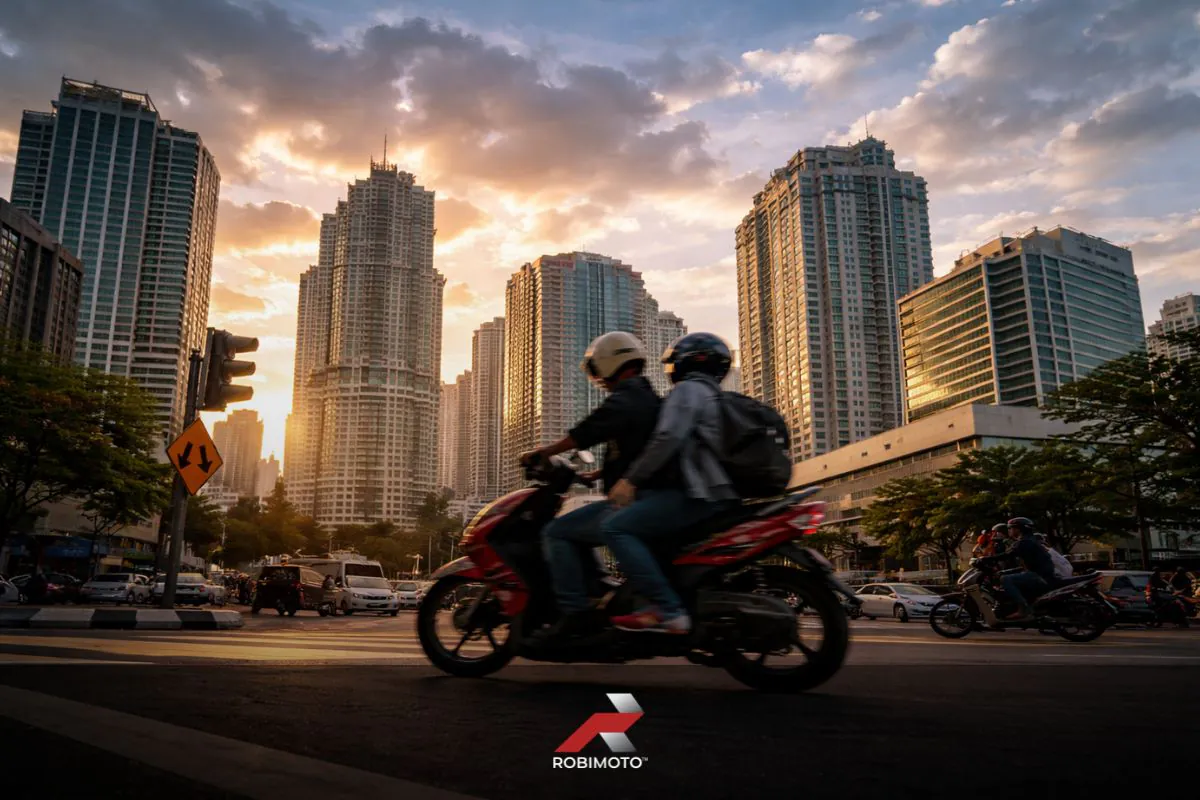
Many riders start with excitement, thinking daily motorcycle use will always feel freeing and practical. Then city traffic, rain, heat, and service costs show up fast. After one year, some quietly step away. This article looks at why that happens, using real Metro Manila riding conditions, stop and go traffic, and daily ownership routines. There are no theories here. Just patterns riders notice after months of use. The goal is simple. Help riders see what usually causes burnout, frustration, or regret, so expectations stay realistic from day one.
Many riders believe quitting after one year only happens to careless owners. That assumption feels logical at first. Riding looks simple until daily traffic enters the picture. Why Some Riders Quit After One Year often starts with small frustrations, not big mistakes.
In city riding, small issues stack fast. Parking stress, heat, service delays, and costs slowly change how riding feels. This article looks at those moments through real rider use, not theory.
The observations come from daily riders, weekend users, and long term ownership habits. The value is clarity. Knowing what usually pushes riders away helps decisions feel steadier.
Early on, many riders compare costs and convenience using practical references like Is Daily Motorcycle Riding Really Cheaper in the Philippines?, which breaks down the real expenses of owning and using a motorcycle for everyday commuting.
At the start, motorcycles feel like time savers. Traffic looks easier to beat. Parking feels flexible. Fuel seems manageable.
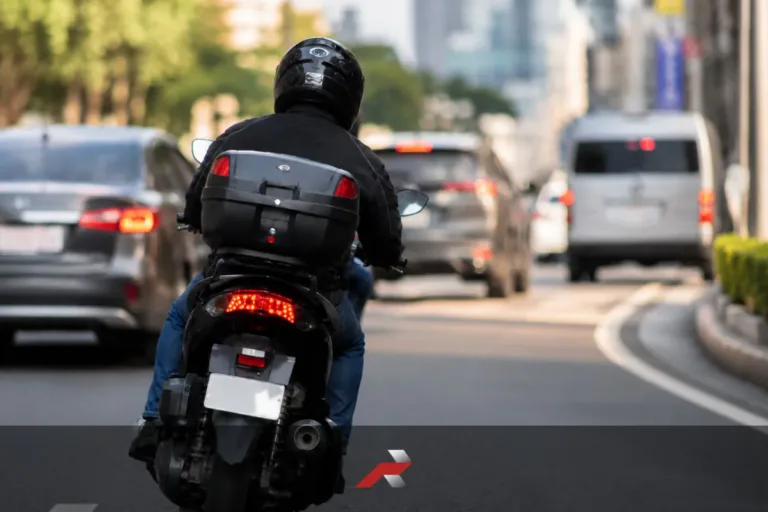
After months, reality sets in. Rush hour gaps shrink. Drivers get unpredictable. Rain slows everything. Riding becomes effort, not escape.
Daily commuters notice fatigue first. Heat drains focus. Small delays feel bigger when you ride daily. The bike works, but the experience changes.
This shift surprises many new riders. They expected freedom, not planning routes around weather and fatigue.
Ownership costs rarely explode at once. They creep in. Tires wear faster than expected. Chains need attention. Brakes ask for replacement.
Some riders budget only for fuel. Service intervals arrive quicker than imagined. One missed paycheck turns maintenance into stress.
A few riders delay fixes. Small issues grow. Confidence drops. Riding stops feeling reliable.
This does not mean motorcycles are expensive. It means expectations were incomplete.
New riders often believe certain things are optional. Protective gear beyond helmets feels negotiable. Quality service feels flexible.
Skipping once feels harmless. Repeating it builds habits. Over time, comfort drops and anxiety rises.
Riders who quit often mention feeling unsure, not unsafe. That difference matters.
After any major service, ride the same familiar route for three days before resuming normal use, then note what feels different before adapting habits.
At some point, riders face a decision. Invest more time and money, or step back.
Some downsize. Others sell. A few switch to weekend riding only.
There is no right choice. Riders weigh stress, budget, and time. Those with clear expectations decide calmly. Others feel stuck.
| Area | First 3 Months | After 1 Year |
|---|---|---|
| Riding Excitement | Very High | Moderate |
| Maintenance Awareness | Low | High |
| Weather Impact | Ignored | Considered |
| Service Costs | Surprising | Expected |
| Riding Confidence | Growing | Stabilized |
Numbers vary by rider. The pattern stays similar.
After extended use, riders see patterns. Comfort matters more than speed. Reliability beats looks. Familiar shops become valuable.
Mistakes also stand out. Overmodifying early. Ignoring fit. Chasing upgrades instead of habits.
International rider discussions documented by Bennett’s BikeSocial often reflect similar realizations across markets.
These lessons rarely appear in the first months.
Downtime frustrates more than costs. Waiting for parts. Scheduling service around work. Missing rides.
Daily riders feel this sharply. When the bike stops, routines break. Public transport feels slower after riding.
Reliability becomes emotional, not technical. Riders who quit often cite inconvenience over expense.
Some riders shift roles. From daily commuter to weekend rider. That change saves energy.
Others realize they enjoyed the idea of riding more than the routine. Accepting that feels freeing.
Quitting is not failure. It is adjustment.
Before committing to upgrades or repairs, ask your mechanic how that choice affects daily downtime, not just performance.
Because daily riding reveals fatigue, cost, and time demands that were not obvious early.
Yes. Many riders reassess after experiencing full seasonal riding cycles.
Sometimes. Larger bikes add cost and effort. Smaller bikes still require commitment.
Planning helps, but honest expectations matter more.
For many riders, yes. It keeps riding enjoyable without daily pressure.
Riders who stay realistic about daily wear often keep the same motorcycle longer by avoiding rushed replacements.
RobiMotoPH
Why Some Riders Quit After One Year is less about passion fading and more about expectations meeting reality. Riding changes when it becomes routine.
Costs, time, and comfort start to matter more than excitement. Seeing these patterns early builds confidence, even if riding habits change.
For some, stepping back is clarity, not loss. This long-term ownership reflection connects naturally with a broader riding perspective many riders recognize.