Skip to content
Contact & Community
📍 Metro Manila, Philippines
🌐 robimotoph.com
✉️ hello@robimotoph.com
📱 +63 917 517 0594
📍 Metro Manila, Philippines
🌐 robimotoph.com
✉️ hello@robimotoph.com
📱 +63 917 517 0594

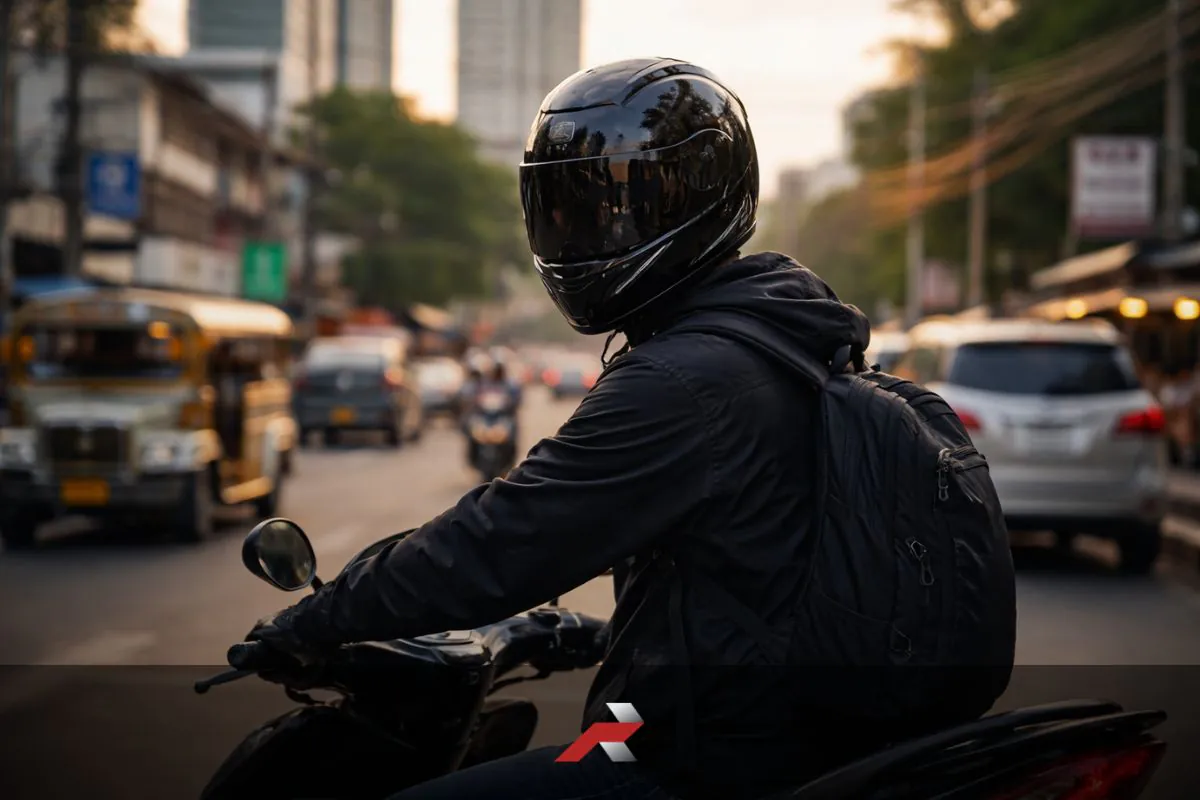
Choosing a budget friendly helmet Philippines riders can rely on is not about settling for the cheapest option. It is about finding the right balance of safety, comfort, and legal compliance. This guide explains helmet certifications, realistic price tiers, and the features that matter most for daily commuting in Philippine conditions. You will learn how to check for authentic PS or ICC stickers, how to fit a helmet properly, and what to expect from different helmet types. Ride safe and make smarter choices without going beyond your budget.
Riders searching for a budget friendly helmet Philippines solution know one thing. A helmet is not just an accessory. It is the one piece of gear that decides whether a crash becomes a close call or a life-changing event.
Many Filipinos ride daily through heat, rain, traffic, and unpredictable roads. Because of this, choosing an affordable helmet that is actually safe becomes more important than ever. Riders must understand what makes a helmet reliable before trusting it for everyday use.
If you are new to building your riding setup, start with Beginner Motorcycle Buying Guide: Start Your Ride Right. That foundation explains how to evaluate safety equipment based on exposure level, not hype. Based on reports, proper fit and verified certification reduce injury severity more than brand image alone.
This guide focuses specifically on budget friendly helmet Philippines options that balance price, certification, and long-term reliability.
Before focusing on price alone, riders should first understand helmet type, fit, visor choice, and riding conditions through this complete motorcycle helmet guide for Philippine riders.
Inside, you will learn legal requirements, certification standards, price tiers, and real-world buying considerations for riders in the Philippines. It is built for daily commuters, delivery riders, new motorcycle owners, and anyone who wants to ride safely without overspending.
Clarity first. Ego second.
Protection always comes before branding.
Daily riding in the Philippines is intense.
Commuters spend long hours on EDSA, C5, NLEX, and provincial highways. Roads turn slippery after light drizzle. Potholes appear without warning. Drivers cut through lanes from every direction. Heat and humidity drain focus.
With conditions like these, a reliable helmet is non-negotiable.
Many riders start with a free dealer helmet. Others buy the cheapest option available. Some assume they do not need a secure model because they only ride within the city.
That mindset becomes dangerous when you remember one fact: most motorcycle injuries involve the head. Even low-speed crashes can cause major damage.
RA 10054, or the Motorcycle Helmet Act, requires all riders and back riders to wear standard protective helmets. Failure to comply leads to penalties. More importantly, it exposes you to unnecessary risk.
A budget helmet matters when it delivers real safety and comfort without draining your wallet.
Protection first. Price second.
Before buying any helmet, you must understand the legal foundation. Republic Act 10054 (Motorcycle Helmet Act of 2009) requires all motorcycle riders to wear standard protective helmets that meet approved safety standards. The Land Transportation Office enforces compliance on public roads under official implementing rules.
The government, through national product safety regulations, ensures that helmets sold in the country comply with Philippine National Standards. Because of this, helmets must carry either a PS or ICC mark.
These stickers verify that the helmet passed quality and safety inspections. Removing, damaging, or altering these marks may result in penalties during roadside checks.
Knowing the law helps you avoid fines. It also protects you from buying helmets that look legitimate but fail safety standards. Many budget friendly helmet Philippines options comply fully. However, riders must always inspect sticker authenticity and proper placement before purchase.
A good helmet should not only follow local rules. It should also pass recognized global standards. These certifications help riders understand how the helmet performs in impact tests, retention tests, and durability checks.
Below are the common certifications you will encounter:
DOT is a standard from the United States. It focuses on impact absorption and basic protection. Many budget helmets carry this mark.
ECE is a European standard. It is known for strict testing and consistent quality controls. Many trusted entry level and mid tier helmets use ECE certification.
This certification offers one of the highest voluntary standards. Snell helmets go through tougher tests. These are usually found in premium helmets. Most budget friendly helmets do not carry Snell. However, knowing this helps you understand the difference in tiers.
You do not need all certifications at once. A legal PS or ICC sticker plus a DOT or ECE label already gives strong safety confidence. This keeps your budget manageable while still ensuring protection.
Riders often ask the same question. “Magkano ba dapat ang helmet?” The answer depends on your needs, riding style, and expectations.
Before breaking down price tiers, it helps to understand the structural difference between affordable and higher-end options. Review Budget vs Premium Full-Face Helmets: What Filipino Riders Really Need to Know to see how materials, EPS density, aerodynamics, and long-term durability affect real-world protection. Based on reports, refinement in energy management and shell construction becomes more relevant as riding exposure increases.
Now here is a realistic breakdown for Filipino riders.
Below 1,000 pesos
This is the survival tier. These helmets are often basic and may lack advanced comfort features. Many come from generic brands. They are better than riding without a helmet, but you must check for legitimate PS or ICC stickers. Some stickers in this price range are questionable.
1,500 to 2,500 pesos
This is the starter tier for new riders. You get better comfort, more reliable retention systems, and improved build quality. Open face and basic modular helmets often fall in this range. Many riders choose this price tier for daily commuting.
2,500 to 5,000 pesos
This is the sweet spot for a budget friendly helmet Philippines choice. You begin to see reputable brands like LS2, HJC, Bilmola, Spyder, KYT, and similar options when on sale. Many helmets in this range already have ECE certification. You get better ventilation, safer liners, clearer visors, and cleaner overall construction.
Above 5,000 pesos
This tier is no longer considered budget, but it helps you compare what you gain or lose. You get more advanced safety technology, better shells, and more durable hardware.
Choosing the right tier depends on your priorities. Most Filipino riders can find a safe and comfortable helmet within the 2,500 to 5,000 peso range.
Different riders need different helmets. Each type has strengths and compromises. Knowing these helps you avoid buying a helmet that looks good but fails you in real usage.
Full Face Helmet
Full face helmets offer the best protection. They cover your chin, which is one of the most frequently injured areas in motorcycle crashes. They also reduce wind noise and shield you from debris. Many affordable full face helmets provide solid value.
Modular Helmet
Modular helmets give flexibility. You can lift the chin bar during stops or conversations. These work well for riders who move frequently or handle deliveries. However, most budget modular helmets are heavier. Some may not be as strong as full face models when compared by certification levels.
Open Face Helmet
Open face helmets give comfort in traffic and hot weather. They offer more airflow and lightweight construction. Riders who travel in slow moving areas enjoy this option. The downside is the lower protection for the chin and cheeks. If you choose an open face model, pick one with a strong shell and secure visor.
You can buy a safe and affordable helmet if you know exactly what to check. Use this checklist before buying any model.
Fit and Head Shape
A helmet must fit snugly. It should not shift or wobble. Every rider has a different head shape. Some brands cater to round heads. Others fit oval shapes. A proper fit increases safety and comfort.
Shell and Liner Quality
The shell should feel solid. The inner liner must be firm but cushioned. Many budget helmets now use expanded polystyrene foam that absorbs impact well.
Ventilation and Visor
Ventilation matters in Philippine traffic. Check the number of vents and airflow channels. The visor should be clear and easy to lift. Anti scratch coatings help extend lifespan.
Retention System
D rings remain one of the most reliable systems. Quick release buckles are convenient but must feel strong and tight.
Certification and Stickers
Always check PS or ICC stickers. Compare details and placement. Check for proper printing and alignment.
Where to Buy
Legit shops and verified online sellers give safer options. Avoid helmets from random stalls or tiangge. Many fake stickers circulate in these places.
This section does not rank helmets. It simply shows common examples of what riders usually find in shops, malls, and online platforms.

SEC
Popular among new riders due to value and availability. Many models fall under the budget tier.
Spyder
Known for sporty designs and well balanced pricing. Offers good starter helmets.
LS2
One of the most trusted entry level brands with ECE certified options. Many Filipino riders choose LS2 for balanced comfort and reliability.
HJC
A global brand known for solid build quality. Some models fall under the higher side of the budget range when on sale.
KYT
Recognized for aerodynamic shapes and racing heritage. Some entry models land in the budget range when discounted.
Use these as references, not strict recommendations. Your riding style and budget will guide your final choice.
Cheap helmets can be safe if they carry legitimate PS or ICC certification and come from reputable sellers. The real risk is fake stickers and poor quality control. Always inspect markings, stitching, visor alignment, and overall finish before trusting a low-cost helmet for daily riding.
An open face helmet can work for short city rides and heavy traffic. However, it offers limited chin and jaw protection. In real-world crash data, chin impact is common. For daily commuting on busy Philippine roads, a full-face helmet remains the safer long-term choice.
Check for the PS or ICC mark issued under DTI regulations. The sticker should have clean printing, correct placement, and no spelling errors. Avoid helmets with crooked, peeling, or blurry labels. When in doubt, verify the seller’s legitimacy before purchasing.
For most Filipino riders, the practical sweet spot is between 2,500 and 5,000 pesos. At this level, you often get better ventilation, stronger retention systems, and reputable brands. It balances affordability, certification reliability, and long-term comfort for daily commuting.
DOT or ECE certification is not required by Philippine law. However, these international standards add another layer of confidence. Helmets with ECE or DOT approval have undergone structured impact testing, which helps ensure more consistent energy management during different crash scenarios.
A budget friendly helmet Philippines choice is more than a low-cost purchase. It is a commitment to safe and responsible riding. You do not need premium gear to protect yourself, but you do need equipment that meets real safety standards.
What matters most is fit, certification, and consistency. A reliable helmet that fits properly and carries legitimate safety approval will always outperform a flashy model chosen for branding alone.
Start with the right budget.
Check for legal stickers.
Understand how certifications work.
Know the strengths and limits of each helmet type.
Protection does not stop at the helmet. Safe riding is a system. Gloves, jackets, and proper footwear complete your impact management setup. If you want to build a well-rounded protection strategy, review Motorcycle Gloves Guide for Filipino Riders: Safety, Comfort, and Real-World Insights to understand how hand protection influences control and injury prevention. Based on reports, proper glove use significantly reduces hand abrasion and improves grip stability during emergency maneuvers.
Use your budget wisely.
Layer your protection intelligently.
Ride with confidence.
Because responsible riding is never about price alone.
It is about preparation.
DISCLAIMER: RobiMotoPH is a Shopee Affiliate. Some of the links in this article are affiliate links, which means we may earn a small commission if you purchase through them; at no extra cost to you. This helps us keep creating helpful motorcycle content for the community. Ride safe, mga Ka-Robi!