Skip to content
Contact & Community
📍 Metro Manila, Philippines
🌐 robimotoph.com
✉️ hello@robimotoph.com
📱 +63 917 517 0594
📍 Metro Manila, Philippines
🌐 robimotoph.com
✉️ hello@robimotoph.com
📱 +63 917 517 0594

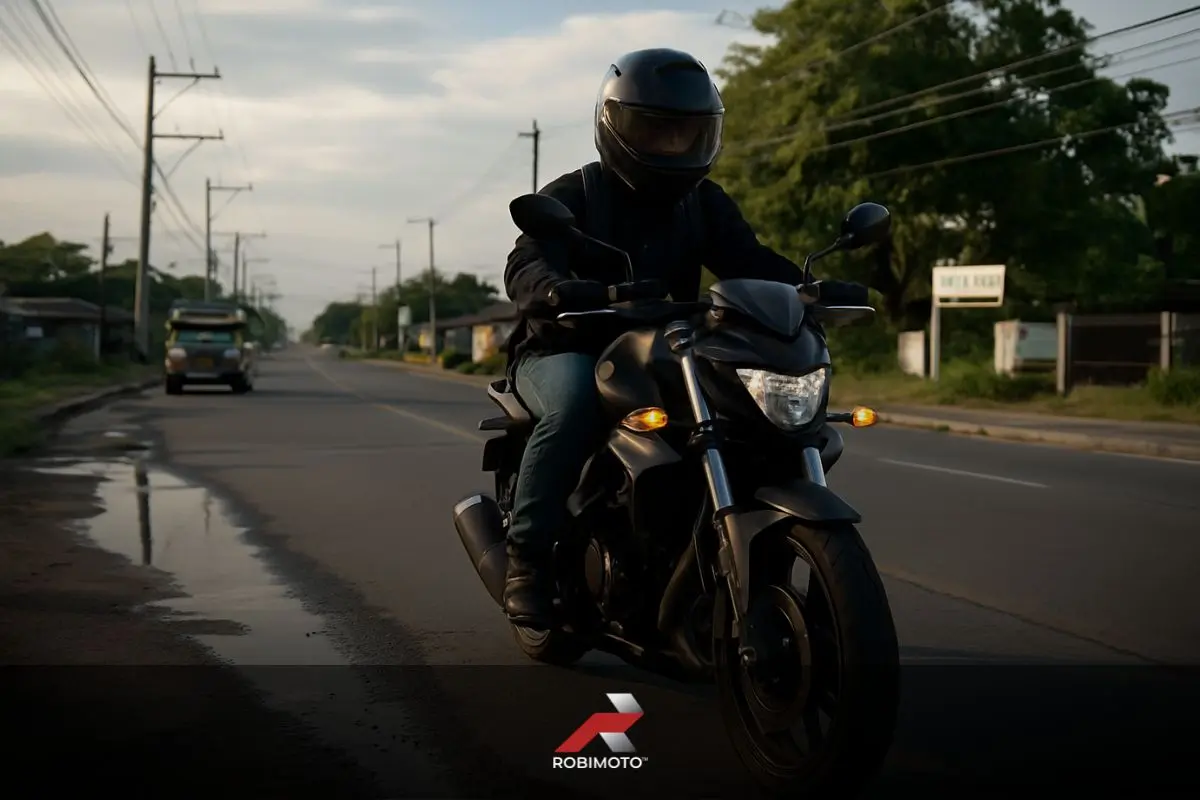
Motorcyclists shift within their lane for a simple reason. Riders adjust their position to avoid potholes, oil patches, gravel, puddles, and debris that can cause accidents in seconds. Many drivers mistake this as swerving, but it is actually a core defensive riding skill. This guide explains why lane positioning matters, how riders stay visible, and why drivers need to avoid cutting off, tailgating, or lingering beside motorcycles. With Philippine roads full of daily hazards, understanding rider behavior helps keep everyone safe and reduces preventable crashes. Learn how lane shifting protects riders and promotes a safer road community.
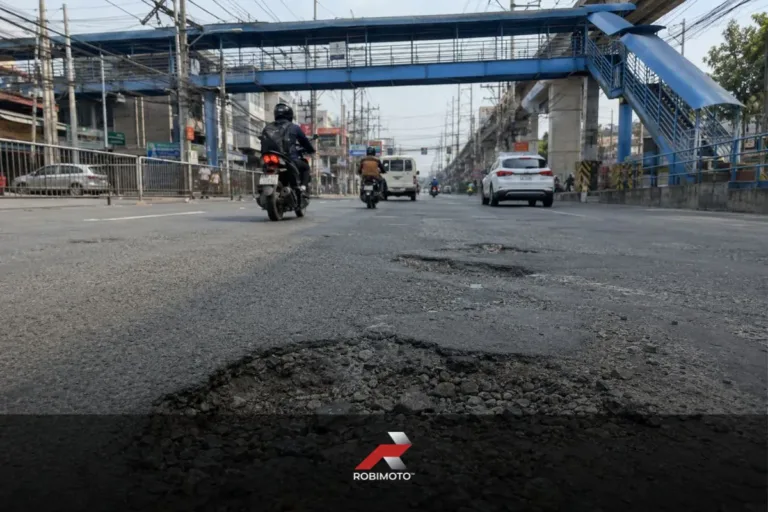
Motorcyclists shift within their lane because hazards appear fast on Philippine roads. Riders adjust position to stay safe and visible, which many drivers often misunderstand. As shared in my guide on avoiding road damage, these hazards can strike anytime. Every small movement tells a story about survival on two wheels.
Motorcyclists shift within their lane for safety, not style. Riders need to see far, react fast, and avoid hazards that cars often ignore. Every small pothole or oil patch can throw a motorcycle off balance. Therefore, lane position becomes a critical part of defensive riding. Riders also shift to stay out of blind spots and create buffer space. This movement helps drivers notice them sooner. Because motorcycles are small, one mistake from a driver can lead to a painful crash. Riders learn this early through real road experience. Each adjustment creates space and keeps the ride controlled.
Hazards appear everywhere in the Philippines. Oil patches and sand gather at corners. Potholes hide under shadows. Sudden puddles form after light rain. Because of this, motorcyclists shift within their lane to adjust their approach. According to global road safety research published by the World Health Organization, road hazards and unpredictable surfaces remain major contributors to two-wheel accidents worldwide. Riders anticipate these risks by scanning the road ahead. They adjust left or right to maintain balance and traction. Lane shifting also helps riders stay upright during unpredictable moments, which keeps beginners and veterans safer on every ride.
| Road Hazard | Why It Is Dangerous | How Riders Adjust |
|---|---|---|
| Potholes | Sudden loss of balance | Shift to left or right to avoid impact |
| Oil Patch | Low traction | Widen line or reduce lean angle |
| Gravel | Tire slip | Move to clean pavement area |
| Standing Water | Hydroplane risk | Adjust lane to dry surface |
| Debris | Direct obstruction | Change lane position early |
This table helps drivers understand the quick decisions riders must make every second.
Drivers need to understand why motorcyclists shift within their lane to prevent dangerous assumptions. Riders are not swerving. They are reacting to hazards that cars can ignore. A motorcycle needs more caution and balance than a four-wheel vehicle. According to a global safety report from Cycle World, most rider crashes involve drivers who misjudge distance or fail to notice lane adjustments. Therefore, giving riders more space reduces risk for all road users. Drivers who avoid tailgating and cutting off motorcycles help prevent many accidents. This mindset builds mutual respect on the road. Everyone gets home safer.
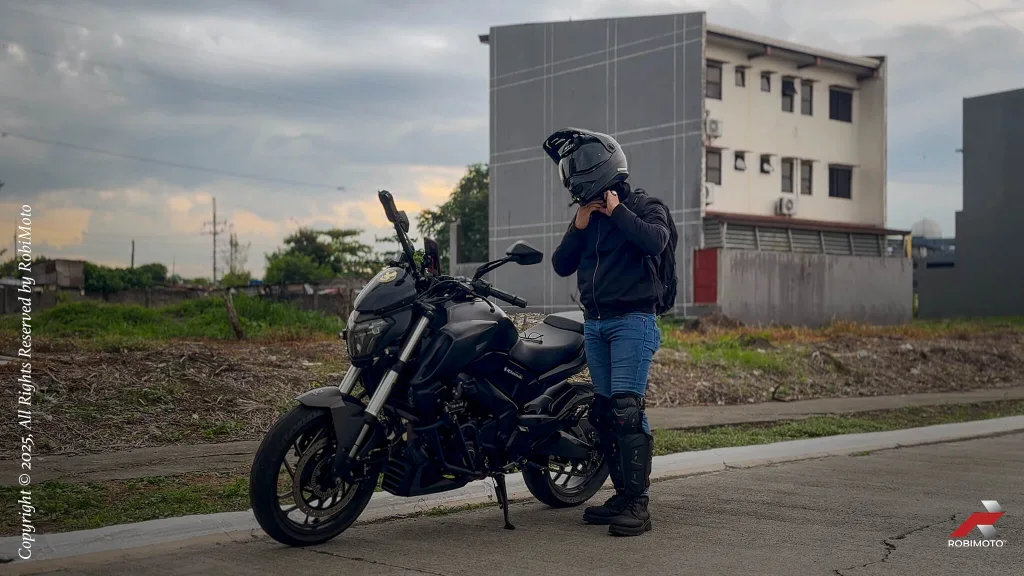
Explore more about building safer habits and mindful riding in Motorcycle Safety: A Personal Commitment to Every Ride
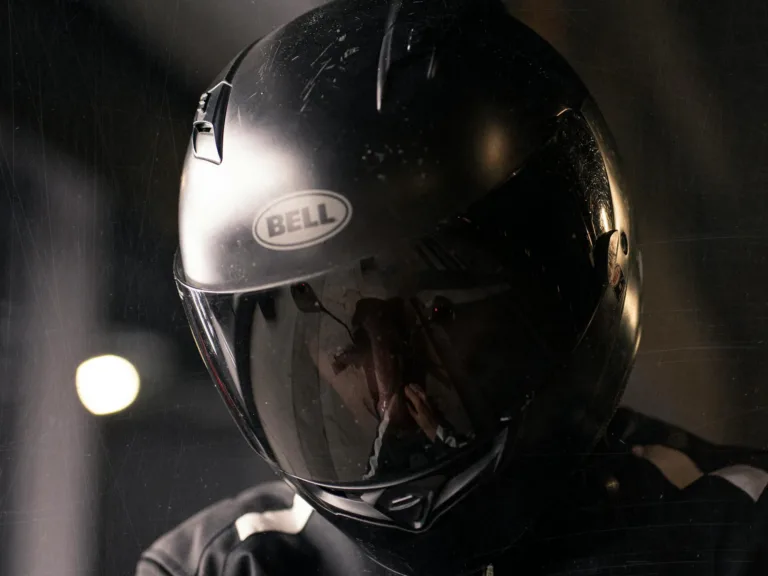
Defensive riding requires awareness and discipline. Riders must assume that drivers do not always see them. Because of this, motorcyclists shift within their lane to stay visible and ready. They scan mirrors, check blind spots, and predict sudden movements. The goal is to stay alive, not win the lane. The mindset focuses on patience and anticipation. A simple shift can prevent a major accident. Riders also consider weather, road texture, and traffic density. Because conditions change fast in the Philippines, they stay light on controls and flexible with decisions. Defensive riding protects their bike, gear, and future rides.
Community awareness plays a big role in rider survival. Drivers who understand why riders move inside the lane become safer companions on the road. Many local riders share tips with beginners to help them read hazards early. Motorcyclists shift within their lane to survive rough conditions, not to break rules. Therefore, the riding community encourages education instead of blame. This awareness builds a culture of shared respect. Because road safety requires cooperation, simple habits from drivers and riders make life easier for all. Supporting each other leads to safer roads and fewer crashes.
Visibility matters for survival. Motorcyclists shift within their lane to stay seen by drivers. They position themselves where headlights reflect better and where mirrors catch their silhouette. Because motorcycles are small, being seen early removes many risks. Riders wear bright gear and maintain working lights for added safety. Simple habits like proper lane spacing also improve visibility. When riders move to the left or right, they appear more clearly to drivers ahead and behind them. This keeps traffic flowing safely. Visibility becomes a shared responsibility on every ride.
Choosing safer lane positions reduces crashes, which helps riders extend gear life and reduce unnecessary waste from repairs.
Small Shifts, Big Impact: How Smarter Lane Positioning Supports Safer and More Sustainable Riding
RobiMotoPH
Motorcyclists shift within their lane to avoid hazards and stay alive in unpredictable conditions. Drivers who understand this behavior help create safer roads for everyone. Because lane adjustments protect riders, supporting this habit builds a stronger riding culture. Remember the focus keyword whenever you see a moving silhouette ahead. Motorcyclists shift within their lane for protection, visibility, and survival. Sa dulo, respeto pa rin ang pinaka-the best protection sa kalsada.