Skip to content
Contact & Community
📍 Metro Manila, Philippines
🌐 robimotoph.com
✉️ hello@robimotoph.com
📱 +63 917 517 0594
📍 Metro Manila, Philippines
🌐 robimotoph.com
✉️ hello@robimotoph.com
📱 +63 917 517 0594

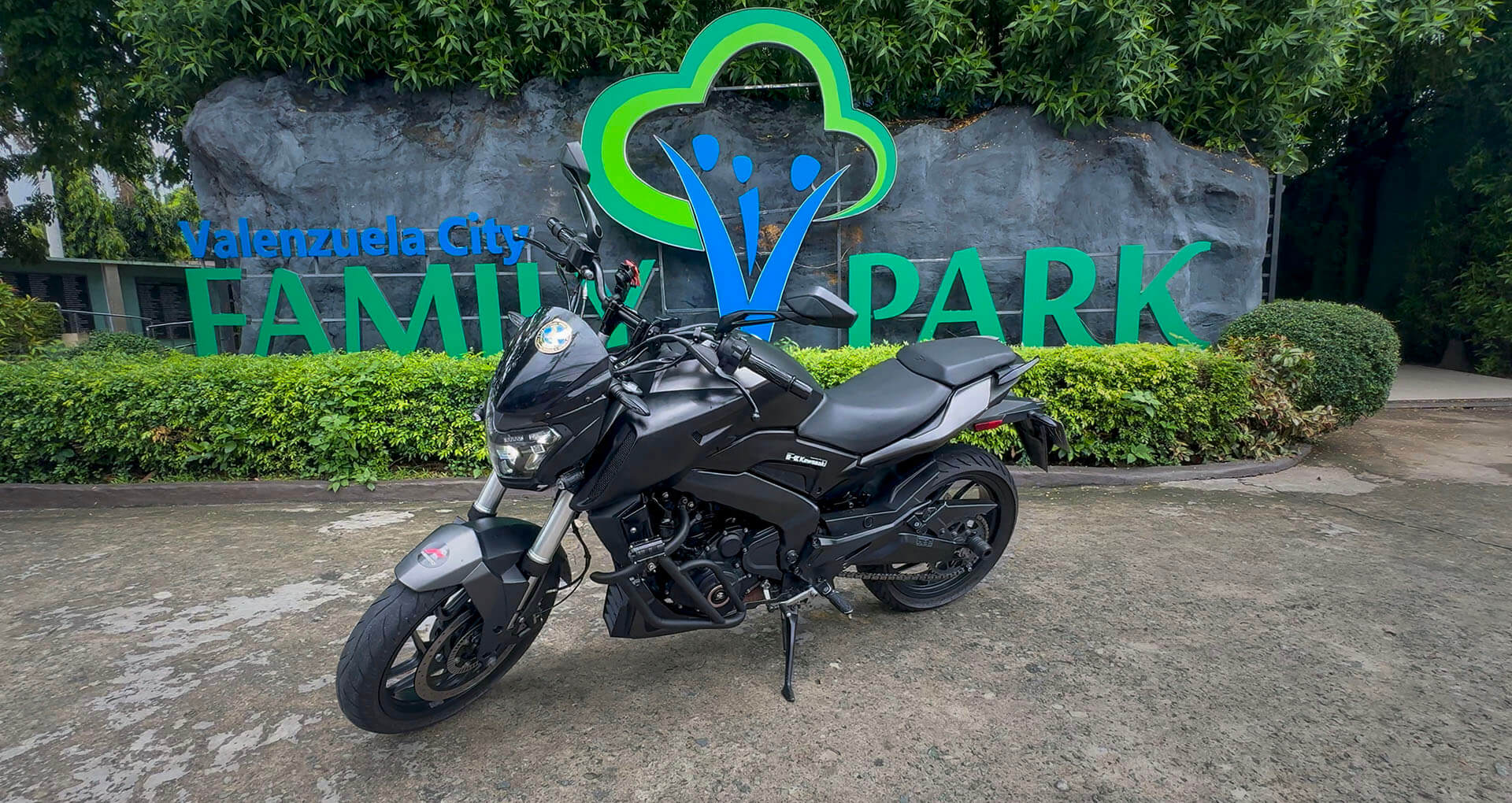
Is the Dominar 400 right for beginners in the Philippines? This in-depth guide analyzes its power, weight, maintenance costs, fuel consumption, and real-world usability in Metro Manila traffic and provincial roads. We compare the Dominar 400 against alternative entry level big bikes and evaluate whether it makes sense as a first motorcycle or a second-step upgrade. If you’re a new rider considering a 400cc big bike, this article helps you decide based on ownership reality, not hype.
Choosing your first big bike is one of the biggest decisions a new rider will make. In Philippine motorcycle communities, one name appears repeatedly: the Dominar 400. Marketed as a budget sport-tourer, it offers 400cc displacement, expressway legality, and aggressive styling at a price below many competing big bikes.
Priced under ₱200,000 in the Philippines, the Dominar 400 delivers strong value for riders who want power without paying premium brand prices. On paper, it looks like an obvious entry point.
But the real question remains:
Is the Dominar 400 truly suitable for first-time riders?
Before answering that directly, it helps to understand where the Dominar 400 sits in the broader entry level big bike landscape. If you’re still comparing beginner options, you may want to review our Entry Level Big Bike in the Philippines: Top 5 Models for 2023-2025 New Riders to see how it stacks up against other beginner-friendly 400cc and 500cc alternatives.
In this guide, we’ll break down the Dominar 400’s design, performance, weight, maintenance costs, resale value, and real-world handling in Philippine traffic and road conditions. More importantly, we’ll evaluate whether it makes sense as your first motorcycle or whether it’s better positioned as a second-step upgrade.
Let’s look beyond the hype and into ownership reality.
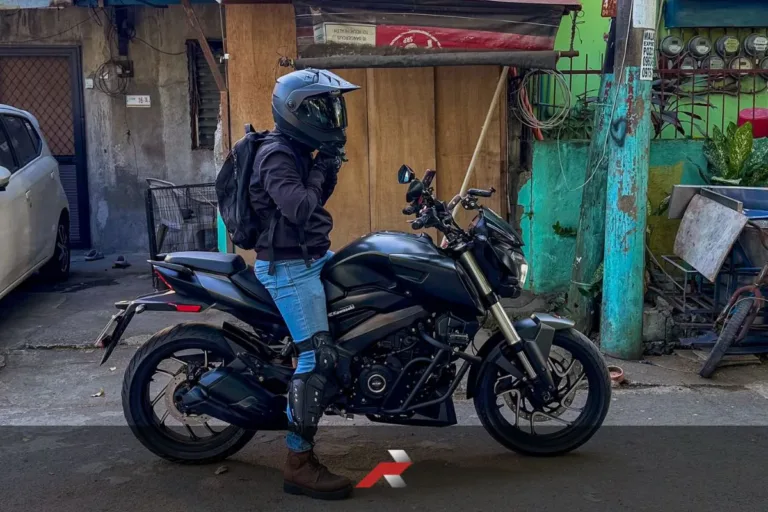
From the first glance, the Dominar 400 immediately grabs your attention. It has that “pang-big bike” look that many Filipino riders admire. Whether you’re riding in Quezon City or parking it outside a café in Tagaytay, the Dominar commands respect.
For its price tag of around ₱199,900 (as listed by Kawasaki Philippines), you’re getting a package that punches above its price class. The styling is aggressive, the LED headlamp is functional and stylish, and the exhaust note carries a bassy growl that makes you feel like you’re riding something more expensive.
But performance specs only tell one part of the story. For beginners, other factors matter even more—like weight, height, and comfort.
Let’s be honest.
Thirty-nine horsepower is not small, especially for someone who has never ridden beyond 150cc.
The Dominar 400 is not a race bike, but its throttle is responsive. A small twist delivers immediate power. That can feel exciting for experienced riders, but overwhelming for beginners.
Compare that to bikes like:
These motorcycles offer smoother, more forgiving throttle response. They are ideal for learning clutch control, gear shifts, cornering, and emergency braking without intimidation.
The Dominar 400 demands:
In tight U-turns or sudden stops in traffic, mistakes become more expensive and more stressful.
Bottom line: If you are still building confidence, the Dominar’s power may arrive too early in your riding journey.
Control first. Power second.
Now let’s factor in what it’s like to ride in the Philippines:
Rider Tip: If you live in the province or frequently do long rides, the Dominar 400 shines. Its stability and highway comfort become real advantages outside dense urban traffic. However, if your daily routine involves Makati, Ortigas, or EDSA congestion, prepare for engine heat and constant clutch work.
Fuel economy is another factor many beginners overlook. While a 400cc bike is generally more manageable than larger displacement machines, real-world consumption still varies depending on riding style and traffic conditions. If you want a deeper breakdown of operating costs across engine classes, read our Fuel Consumption Comparison: 400cc vs 900cc Big Bikes in the Philippines – Real World Costs, Data, and Ownership Reality to understand how displacement affects long-term ownership expenses.
Choose your first big bike not only for power, but for sustainability in your actual daily environment.
One of the most attractive features of the Dominar 400 is that it gives you big-bike vibes at small-bike pricing. But how much does it really cost to own?
According to Zigwheels PH, the Dominar 400 is priced competitively at ₱199,900 and comes packed with features usually found on more expensive models.
| SERVICE TYPE | ESTIMATED COST (PH) |
|---|---|
| 1st PMS (500 km) | ₱1,200 – ₱2,000 |
| 2nd/3rd PMS (5k-10k) | ₱2,500 – ₱3,000 |
| 4th/5th PMS | ₱3,500 – ₱5,000 |
| Major service (valve, chain, etc.) | ₱6,000 – ₱8,000 |
Oil changes are needed every 3,000–5,000 km depending on riding habits. Chain cleaning, coolant checks, and brake pad replacements are part of your annual routine.
Compared to Japanese bikes, the Dominar is affordable to maintain but not as cheap as underbones or entry-level scooters.
Dominar comes equipped with solid safety features: dual-channel ABS, slipper clutch, and ride modes. The 320 mm front disc is responsive and sharp even under panic braking.
However, safety also depends on how you ride. The Dominar’s weight can cause stability issues for beginners:
Advice for New Riders:
Join a safety course. Master slow-speed balancing. Practice emergency stops in a safe space. The Dominar won’t protect you from poor habits.
| BIKE | PRICE (PHP) | POWER | WEIGHT | GOOD FOR? |
|---|---|---|---|---|
| Yamaha MT-15 | ₱178,000 | 18 hp | <140kg | Daily city use |
| KTM Duke 200 | ₱178,000 | 26 hp | ~150kg | Balanced fun & safety |
| Honda CB300R | ₱250,000 | 30 hp | ~145kg | Stylish lightweight |
| Bajaj Pulsar NS200 | ₱120,000 | 24.5 hp | 154kg | Budget-friendly build |
| Dominar 400 | ₱199,900 | 39.4 hp | 193kg | Highway touring |
Dominar 400 excels when you’re ready to take on longer provincial rides or expressways, but it’s not as forgiving as lighter options in stop-and-go scenarios.
Many new riders make the mistake of buying a big bike before building the skills to control it confidently. Power without foundation creates risk. Here’s a practical training roadmap for Filipino beginners.
The Dominar 400 is best for:
✅ Riders with at least 6–12 months of experience
✅ Commuters who mix provincial highways and city roads
✅ Budget-conscious riders seeking expressway-legal bikes
✅ Taller riders (5’7” and up) who can handle the seat height
✅ Aspiring moto-tourers looking to join rides to Baguio, Aurora, or Bicol
It’s not ideal for:
🚫 First-time riders with zero experience
🚫 Shorter riders (below 5’4”) who can’t flatfoot confidently
🚫 Daily heavy traffic commuters in Metro Manila
🚫 Riders looking for ultra-low maintenance or scooter-like ease
Let’s answer it plainly:
Yes, if you’ve had prior experience on smaller bikes, have completed safety training, and plan to tour regularly.
No, if you’re a complete beginner with no clutch control, minimal road skills, and are mostly commuting in heavy traffic.
The Dominar 400 is a great second bike that you grow into—not a beginner’s first ride.
In the Philippine motorcycle landscape, riders are becoming more intentional. Decisions are no longer based on looks alone, but on purpose, training, and long-term ownership reality.
The Dominar 400 sits in an interesting position. It is affordable for a 400cc expressway-legal bike. It offers strong highway capability and solid touring comfort. But it is not a beginner-friendly toy. At nearly 193 kg, it demands discipline, proper clutch control, and physical confidence.
If your goal is weekend rides to Marilaque, Tanay, Tagaytay, or long provincial routes—and you already have foundational riding skills—the Dominar 400 makes sense as a practical and capable machine.
However, if you are still mastering slow-speed balance, clutch modulation, and emergency braking, starting smaller may accelerate your growth and reduce risk.
The right first bike is not the biggest one you can afford.
It is the one that matches your current skill level.
Train with intention. Upgrade with purpose. Ride for the long term.