Skip to content
Contact & Community
📍 Metro Manila, Philippines
🌐 robimotoph.com
✉️ hello@robimotoph.com
📱 +63 917 517 0594
📍 Metro Manila, Philippines
🌐 robimotoph.com
✉️ hello@robimotoph.com
📱 +63 917 517 0594

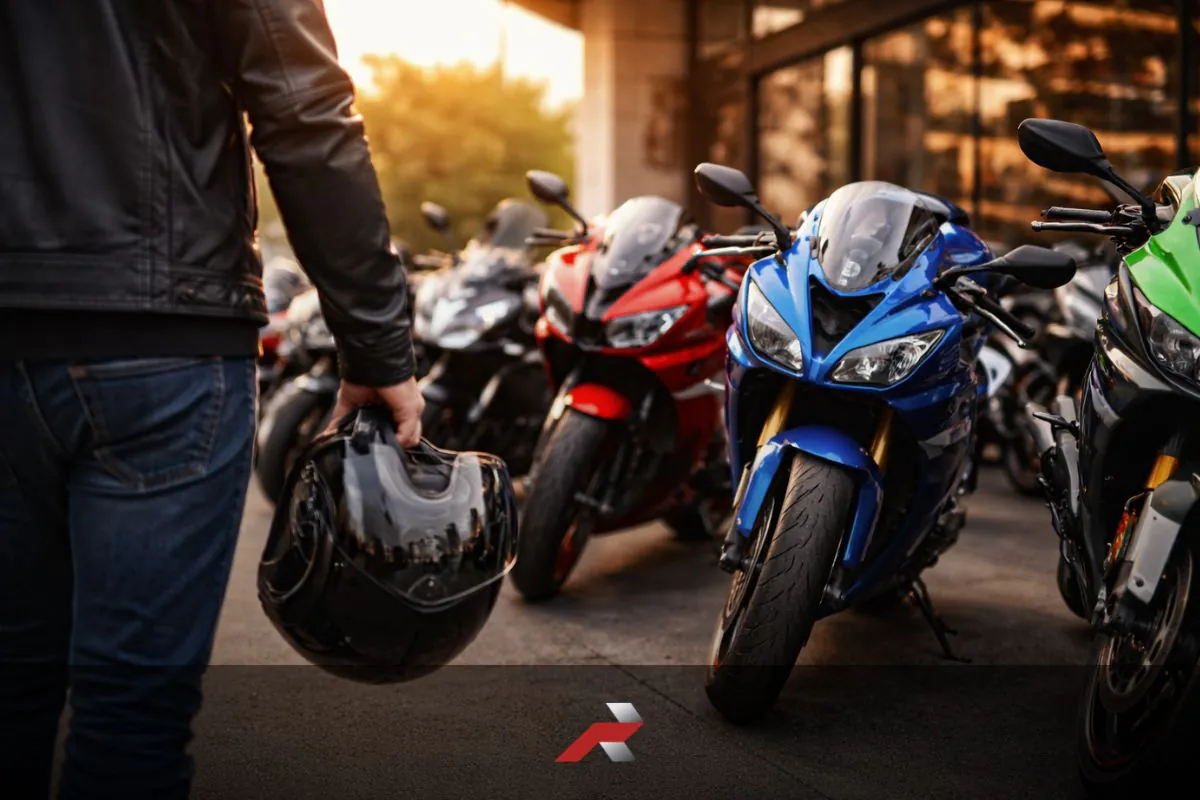
Becoming a big bike owner in the Philippines is more than upgrading engine size. First-time big bike owners must understand weight management, throttle control, daily traffic conditions, and long-term discipline before riding daily. This guide explains the practical realities of commuting, ownership responsibility, and skill development to help new riders transition safely and confidently into everyday big bike riding.
Buying your first motorcycle is exciting. But in the Philippines, excitement alone is not enough. This Beginner Motorcycle Buying Guide Philippines exists to help first-time riders make smart, realistic decisions before spending their hard-earned money.
Many beginners focus on looks, engine size, or social media trends. Few consider long-term ownership cost, traffic reality, weather conditions, or proper training. That is where mistakes begin.
Motorcycle ownership in the Philippines is different from other countries. We deal with extreme heat, sudden rain, tight parking spaces, heavy traffic, uneven roads, and rising fuel prices. Choosing the wrong bike can turn daily riding into stress instead of freedom.
This guide is not about hype. It is about preparation. It covers engine displacement selection, budget planning beyond the SRP, real ownership costs, required riding gear, training advice, and common beginner mistakes. More importantly, it explains how motorcycles actually fit into daily commuter life in Philippine cities.
If you are planning to buy your first motorcycle, especially your first big bike, this guide will help you think clearly before signing any papers.
Because the best first motorcycle is not the most powerful one.
It is the one you can afford, control, maintain, and ride confidently every single day.
Choosing engine displacement is the first major decision in this Beginner Motorcycle Buying Guide Philippines. Most beginners focus on power. Experienced riders focus on usability.
Engine size does not automatically mean better riding experience. In Philippine conditions, the wrong CC choice can create daily stress instead of freedom.
Let us break this down realistically.
For daily commuting inside Metro Manila or other urban centers, 150cc to 300cc motorcycles offer clear advantages.
They are:
In tight streets, parking areas, and heavy rush-hour traffic, lighter motorcycles reduce fatigue. Beginners build confidence faster because throttle response is manageable and mistakes are less punishing.
However, these bikes are not expressway legal in the Philippines. If your route includes NLEX, SLEX, CALAX, or other major tollways, this limitation matters.
If your riding is strictly city-based, smaller displacement makes financial and practical sense.
In the Philippines, 400cc is the minimum displacement allowed on major expressways. This is why many beginners jump directly into 400cc motorcycles.
The appeal is understandable:
But this comes with trade-offs.
A 400cc motorcycle weighs significantly more than a 150cc bike. Slow-speed handling requires better clutch control and balance. In bumper-to-bumper traffic, heat from the engine can become uncomfortable. Maintenance costs also increase.
This is where honesty matters.
If your daily ride is mostly inside the city and you use the expressway only once a month, you may be buying more machine than you truly need.
On the other hand, if you travel between cities weekly, a 400cc platform offers flexibility and long-term practicality.
Engine displacement should match your riding pattern, not your social media feed.
Motorcycles above 650cc offer strong highway stability, smooth acceleration, and comfortable two-up capability, making them well suited for long-distance travel when handled with proper skill and discipline.
But for a beginner, they demand maturity.
Heavier weight means:
If you are new to riding, jumping into high-displacement motorcycles without structured training increases risk.
A larger engine does not compensate for lack of skill. It amplifies it.
CC selection is not only about engine size. It is also about ergonomics.
Consider:
Confidence at low speed matters more than top speed capability.
For shorter riders, seat height becomes critical. Heavy motorcycles combined with tall seats create unnecessary stress during daily commuting.
Control builds confidence. Confidence builds safety.
Let us step away from specs and look at actual conditions:
A motorcycle that feels manageable at 80 km/h on an open highway may feel overwhelming in stop-and-go EDSA traffic.
The right CC is the one that allows you to ride calmly, not constantly wrestle with the machine.
For most Filipino beginners who:
A 400cc platform offers balance.
However, if your budget is tight and your riding is city-focused, starting with 150cc to 300cc is financially smarter and skill-building friendly.
There is no shame in starting small.
Skill scales. Ego does not.
In this Beginner Motorcycle Buying Guide Philippines, financial planning matters more than engine size. The sticker price you see in the dealership is only the starting point. Real ownership cost begins after you ride out of the showroom.
Many first-time buyers focus on monthly amortization instead of total ownership expense. That mindset leads to stress later.
Let us break this down clearly.
If you are financing your motorcycle, ask yourself:
A low downpayment may look attractive. However, longer terms mean higher total interest. Over three years, you may pay significantly more than the SRP.
If your monthly payment consumes a large portion of your income, one emergency can destabilize your finances.
Motorcycles should increase mobility, not create financial pressure.
After purchase, you will deal with:
These may not seem large individually, but they add up yearly.
If you buy a higher displacement motorcycle, insurance premiums often increase. Expressway-capable motorcycles sometimes come with higher overall annual expenses.
Planning ahead avoids surprise expenses.
Fuel cost depends on:
A 150cc motorcycle may consume far less fuel compared to a 650cc machine used in heavy traffic.
If fuel prices rise, larger engines become more expensive to operate daily.
Estimate your monthly fuel expense before committing.
Maintenance is not optional. It is predictable.
You will need:
Larger motorcycles usually require:
Set aside a maintenance fund monthly instead of reacting when parts wear out.
Disciplined owners prepare. Reactive owners panic.
Before riding, you must invest in proper safety gear.
At minimum:
Many beginners spend all their money on the motorcycle and compromise on safety gear. That is backward planning.
Protection comes before upgrades.
If your budget cannot cover both the motorcycle and proper gear, you are not ready yet.
Mechanical issues, minor accidents, or unexpected repairs happen.
If you do not have savings set aside, small problems become financial stress.
A responsible beginner plans for:
A motorcycle should not wipe out your emergency fund.
Before buying, ensure:
If one of these areas is missing, pause the purchase.
Excitement fades. Monthly payments do not.
In this Beginner Motorcycle Buying Guide Philippines, understanding the real cost of ownership separates responsible riders from impulse buyers. The motorcycle price is only the entry fee. Ownership continues every month, every year.
Let us break down the real numbers beginners often underestimate.
Fuel is your most frequent recurring expense.
A 150cc motorcycle may average strong fuel efficiency in city riding. A 400cc to 650cc platform consumes noticeably more, especially in traffic-heavy routes like EDSA or C5.
If you ride five days a week, the difference becomes significant over twelve months.
Now ask yourself:
Small differences in consumption compound over time.
This is why displacement selection must align with your actual riding pattern, not occasional trips.
Tires are not cheap, especially for big bikes.
A 150cc motorcycle uses smaller tires that cost less to replace. A 400cc platform uses wider radial tires. Premium tire sets can cost a substantial amount depending on brand and compound.
Tire lifespan depends on:
Philippine roads include potholes, uneven pavement, and flood-damaged sections. These conditions shorten tire life.
Budget for replacement before they wear out. Riding on bald tires to “maximize value” is false economy.
Chain maintenance is predictable.
Every few thousand kilometers, cleaning and lubrication are required. Eventually, the chain and sprocket set will need replacement.
For larger displacement motorcycles, chain sets are more expensive. Ignoring maintenance accelerates wear and increases cost later.
Proper care lowers long-term expense. Neglect multiplies it.
Brake pads wear out faster in city riding with frequent stops.
Heavier motorcycles typically use larger braking systems. Replacement cost rises accordingly.
Other consumables include:
None of these are dramatic alone. Combined annually, they represent real ownership cost.
Annual registration and compulsory insurance are recurring obligations.
For higher displacement motorcycles, comprehensive insurance becomes more important due to higher replacement value. Premiums scale with risk and motorcycle value.
Skipping insurance to save money is a short-term mindset with long-term consequences.
Motorcycles lose value over time.
Brand reputation, maintenance history, and market demand influence resale value. Some platforms hold value better than others.
If you plan to upgrade in two to three years, depreciation matters.
Buying beyond your financial comfort zone makes depreciation more painful.
Many beginners evaluate whether they can afford the purchase price.
Fewer ask whether they can comfortably afford the next three years.
A motorcycle is not just a machine. It is a commitment.
If you want a deeper breakdown of long-term expense projections, read our guide on Real Cost of Owning a Big Bike in the Philippines, which details fuel trends, maintenance intervals, and multi-year budgeting scenarios.
Understanding this before buying protects you from regret later.
Want a Detailed 3-Year Ownership Breakdown?
If you want full projections including fuel trends, maintenance intervals, and real Philippine cost modeling, read:
In this Beginner Motorcycle Buying Guide Philippines, safety gear is not an accessory category. It is a non-negotiable requirement. The motorcycle should never be purchased without budgeting for protective equipment first.
Many beginners spend most of their money on the bike and delay proper gear. That decision exposes them to unnecessary risk from day one.
Let us set the correct order.
A certified full-face helmet should be your first purchase.
Look for recognized safety standards such as:
Do not choose based only on graphics or price. Fit matters more than brand hype. The helmet must feel snug without painful pressure points.
Philippine conditions introduce specific challenges:
Ventilation and visor clarity become critical for daily commuting.
If you want a deeper breakdown on certifications, material differences, and long-term value, read our complete guide:
Budget vs Premium Full-Face Helmets in the Philippines
A helmet is not where you cut corners.
Your hands instinctively reach out during a fall. Riding without gloves increases injury risk significantly.
Proper gloves provide:
In tropical climates, breathability matters. During rainy season, water resistance becomes important.
If you ride daily, especially during monsoon months, review:
Choosing Rain Riding Gloves for Philippine Weather
Comfort improves control. Control improves safety.
A riding jacket is not about looking serious. It provides abrasion resistance and impact padding.
At minimum, consider:
For daily commuters, lightweight mesh jackets balance airflow and protection. For longer highway rides, touring jackets offer better weather protection.
Regular clothing is not designed for sliding on asphalt.
Sneakers offer little ankle support. In low-speed tip-overs, ankles absorb much of the impact.
Riding boots provide:
Beginners often ignore footwear because it feels optional. It is not.
For detailed comparisons between styles and usage, read:
Riding Boots: Casual vs Touring vs Sport
Foot stability improves confidence during slow-speed maneuvers.
Philippine riders must prepare for sudden rain.
You will eventually encounter:
A proper rain jacket and waterproof gloves prevent distraction. Being soaked mid-ride reduces focus and increases fatigue.
Preparation prevents panic.
Before purchasing your motorcycle, ensure:
If your budget cannot accommodate proper gear, adjust the motorcycle budget instead.
Protection comes first. Upgrades come later.
In this Beginner Motorcycle Buying Guide Philippines, training is more important than engine size. Many beginners spend weeks comparing specifications but invest zero time in skill development.
That imbalance creates unnecessary risk.
Owning a motorcycle does not automatically make someone a rider. Skill is built deliberately.
In the Philippines, many riders learn from friends or relatives. While experience sharing helps, informal teaching often skips structured fundamentals.
Professional riding courses focus on:
Structured learning accelerates confidence safely.
Structured riding schools such as the Honda Safety Driving Center provide controlled training environments where beginners can practice braking, clutch control, and hazard response before facing public traffic.
Skill first. Pride later.
Beginners often imagine highway riding. In reality, most daily riding happens below 40 km/h.
Common Philippine scenarios include:
Low-speed balance and clutch control matter more than high-speed acceleration.
Many tip-over accidents happen at walking speed, not on highways.
Practice tight turns in empty parking areas. Practice controlled braking. Build muscle memory.
Confidence grows from repetition.
Philippine roads demand awareness.
Expect:
Defensive riding means assuming other road users may make mistakes.
Instead of reacting emotionally, anticipate.
Instead of accelerating to escape pressure, create space.
Skill protects you. Ego exposes you.
If you purchase a 400cc or larger motorcycle, respect the throttle.
Larger displacement bikes respond faster. Acceleration is immediate. Small wrist movements produce big results.
Without proper training, beginners may over-accelerate unintentionally.
Power requires restraint.
Discipline makes bigger motorcycles enjoyable. Impulse makes them dangerous.
Many beginners plan their next motorcycle before mastering their first one.
Upgrade when:
Skill development should precede displacement growth.
A confident rider on a smaller motorcycle is safer than an untrained rider on a large one.
Before buying your first motorcycle:
A motorcycle amplifies your input.
Good habits become smooth rides.
Bad habits become amplified mistakes.
In this Beginner Motorcycle Buying Guide Philippines, understanding what not to do is just as important as knowing what to buy. Most beginner regrets follow predictable patterns. The mistake is rarely the motorcycle itself. It is the decision process behind it.
Let us address the most common ones.
Social media makes larger motorcycles look like automatic upgrades. Louder exhaust. Wider tires. Taller stance.
But daily riding in Metro Manila is not a cinematic montage. It is traffic, heat, narrow parking, and uneven roads.
If your riding is mostly short commutes and weekend errands, buying a high-displacement motorcycle purely for image creates mismatch.
Choose based on use case, not validation.
Many beginners sit on a motorcycle inside a showroom and assume comfort equals control.
Real-world riding includes:
If both feet barely touch the ground, confidence drops quickly in traffic situations.
Weight matters too. A heavy motorcycle feels stable at speed but demanding at low speed.
Control at walking pace is more important than highway stability for beginners.
This is one of the most damaging mistakes.
A beginner allocates all available funds to buy the motorcycle, then compromises on:
That decision exposes the rider to avoidable risk.
Financial planning must include gear and operating cost. If the total package exceeds your budget, adjust the motorcycle choice.
Ownership begins responsibly.
Some beginners believe watching online tutorials is enough.
Riding skill requires physical repetition. It requires understanding friction zones, balance dynamics, braking technique, and hazard anticipation.
Without structured training, mistakes appear during real traffic situations instead of controlled environments.
Confidence built slowly lasts longer than confidence built on assumption.
The first month often feels smooth. Basic commuting becomes comfortable. Traffic feels manageable.
Then complacency appears.
Speed increases slightly. Following distance decreases. Defensive mindset weakens.
Most beginner incidents happen when confidence grows faster than skill.
Stay disciplined beyond the honeymoon phase.
Power is attractive.
However, jumping into high-displacement motorcycles without gradual experience increases stress and reduces learning efficiency.
Larger motorcycles amplify rider input. Mistakes become larger. Corrections require stronger technique.
Growth should be progressive.
A motorcycle requires:
If you treat it as a temporary excitement purchase, responsibility fades quickly.
Think beyond the first ride.
Most beginner errors share one theme:
Impulse over preparation.
When decisions are rushed, ownership becomes reactive instead of intentional.
Preparation builds confidence. Confidence builds safety. Safety builds enjoyment.
In this Beginner Motorcycle Buying Guide Philippines, every recommendation must survive real commuting conditions. Owning a motorcycle here is different from riding in countries with wide highways and predictable traffic flow.
Daily riding in the Philippines demands adaptability.
Let us look at what you will actually face.
Philippine weather is not mild.
You will ride in:
Air-cooled and liquid-cooled engines respond differently in heavy congestion. Larger displacement motorcycles generate more heat. In slow traffic, that heat rises toward the rider.
Comfort affects concentration. Concentration affects safety.
Choose a motorcycle you can tolerate in real conditions, not just admire in a showroom.
Rain does not send calendar invites.
Within minutes, roads become slippery. Painted lane markings become low-traction zones. Oil residue mixes with water.
Flooded intersections hide:
Lower seat height and manageable weight become advantages in unstable terrain.
Rain preparation is not optional. It is inevitable.
Metro Manila traffic requires constant clutch work and low-speed balance.
A heavier motorcycle:
Beginners must consider how the motorcycle behaves at 20 km/h, not 120 km/h.
Urban riding is a slow-speed discipline.
Many malls, offices, and condominiums have:
Backing a heavy motorcycle uphill into a narrow slot is physically demanding for beginners.
Weight and seat height matter daily, not occasionally.
Philippine roads include:
Suspension setup and tire condition influence ride comfort and stability.
Beginner riders should prioritize predictable handling over extreme performance.
Motorcycle theft is a real concern.
Larger, more popular models may attract more attention.
Beginners should plan for:
Ownership includes responsibility beyond riding.
In many Filipino households, motorcycle ownership raises concern.
Family members may worry about safety. Parents may question the decision. Partners may ask about financial priorities.
Responsible planning, proper gear, and structured training help build trust.
When you approach ownership with maturity, resistance decreases.
Motorcycle buying decisions should match:
The right motorcycle is the one that fits your real life.
Not your highlight reel.
After understanding engine size, budget planning, ownership cost, gear requirements, training, and commuter reality, this Beginner Motorcycle Buying Guide Philippines now comes down to execution.
Use this checklist before signing any papers.
Ask yourself:
Be honest about how often you will use expressways. Do not buy based on “maybe someday.”
Usage determines displacement.
Calculate the full package:
If the total exceeds your comfortable financial zone, adjust the motorcycle category.
Financial stress ruins riding enjoyment.
Match displacement to:
For many beginners:
Choose control over ego.
Inside the showroom:
Comfort at zero speed matters more than comfort at cruising speed.
Enroll in structured training or practice in safe environments.
Build:
Skill development should start before aggressive traffic exposure.
Before riding on public roads, ensure you have:
Do not treat safety gear as an upgrade phase.
Protection is part of the motorcycle purchase.
Understand:
Ownership is not passive. It is active responsibility.
During the first three months:
Your first year shapes your long-term riding habits.
If you can confidently say:
Then you are ready.
Buying your first motorcycle should feel exciting.
But it should also feel calculated.
No, 400cc is not automatically too big for a beginner. In the Philippines, it is the minimum requirement for expressway access. Still, weight, seat height, and throttle response matter. If most of your riding is city traffic, a lighter 150cc to 300cc motorcycle may be easier to control while developing skills.
A beginner in the Philippines should budget beyond the motorcycle’s SRP, covering registration, insurance, proper safety gear, initial maintenance, and an emergency buffer. Setting aside extra funds prevents financial strain and keeps ownership sustainable long after the early excitement fades.
Financing can work if monthly payments are comfortably manageable. Beginners should still calculate the total amount payable, including interest. When amortization reduces savings or weakens your emergency fund, reconsider the motorcycle category. Ownership must never compromise financial stability.
Before riding, a beginner should already have a certified full-face helmet, protective gloves, a riding jacket with impact protection, supportive footwear, and reliable rain gear. These are not optional upgrades. They are basic requirements for responsible motorcycle ownership on real Philippine roads.
Formal training is strongly recommended. Structured courses teach braking control, hazard awareness, and defensive riding techniques in a controlled environment. Skill development reduces panic reactions in real traffic situations.
This guide is part of our structured Motorcycle Guides Philippines hub, where Filipino riders can explore ownership costs, gear foundations, and real-world riding discipline.
This Beginner Motorcycle Buying Guide Philippines is not designed to slow you down. It is designed to protect you from unnecessary mistakes.
A motorcycle can bring freedom, convenience, and personal growth. It can shorten commute time, open weekend adventures, and connect you with a riding community. But it can also create financial pressure and safety risk if approached carelessly.
The difference is preparation.
Choose displacement based on daily reality.
Plan your finances beyond the showroom price.
Invest in safety gear before upgrades.
Train before pushing limits.
Respect Philippine road conditions.
Your first motorcycle should build skill, not stress. It should increase mobility without compromising stability in other areas of your life.
Buying a motorcycle is exciting. Signing the papers feels powerful. But long-term ownership is quiet discipline.
If you approach this decision with clarity, patience, and responsibility, your first motorcycle will not just be a purchase.
It will be the beginning of a long, sustainable riding journey.
Ride smart, stay prepared, and move with intention.
This Beginner Motorcycle Buying Guide Philippines is meant to help you make a confident, informed decision before committing to your first bike.