Skip to content
Contact & Community
📍 Metro Manila, Philippines
🌐 robimotoph.com
✉️ hello@robimotoph.com
📱 +63 917 517 0594
📍 Metro Manila, Philippines
🌐 robimotoph.com
✉️ hello@robimotoph.com
📱 +63 917 517 0594

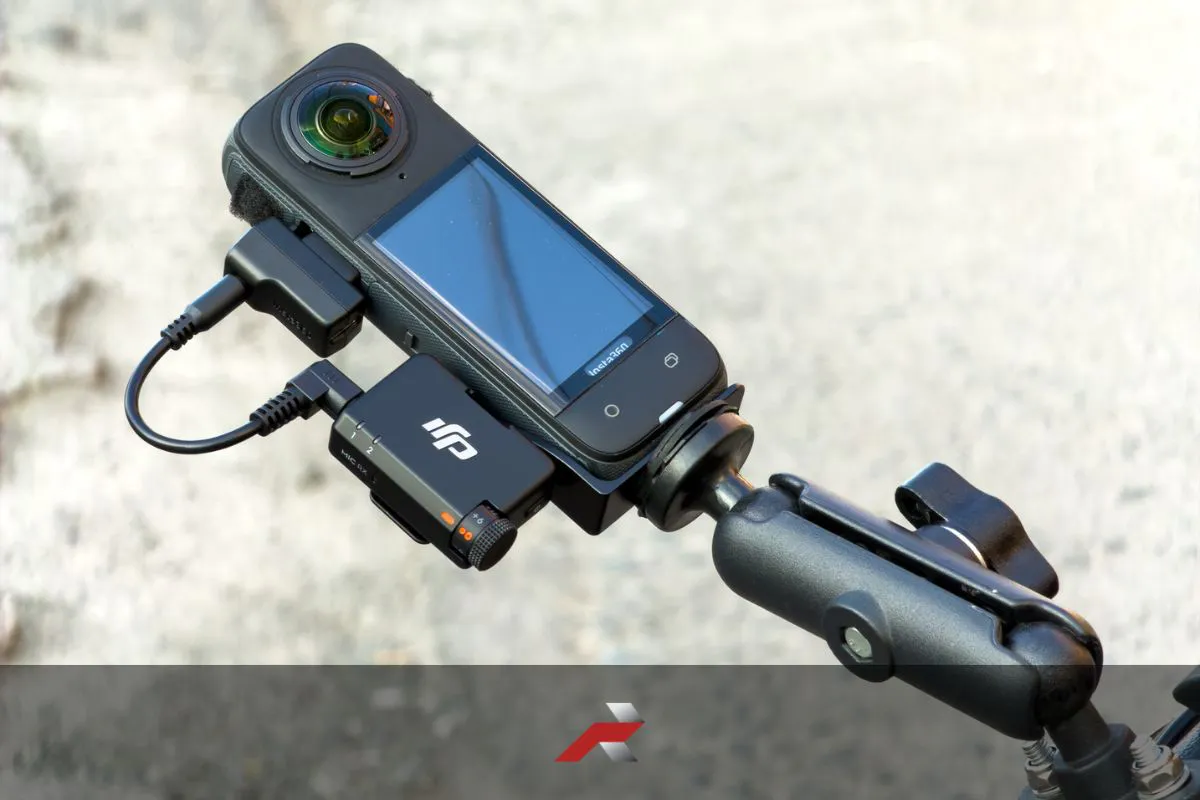
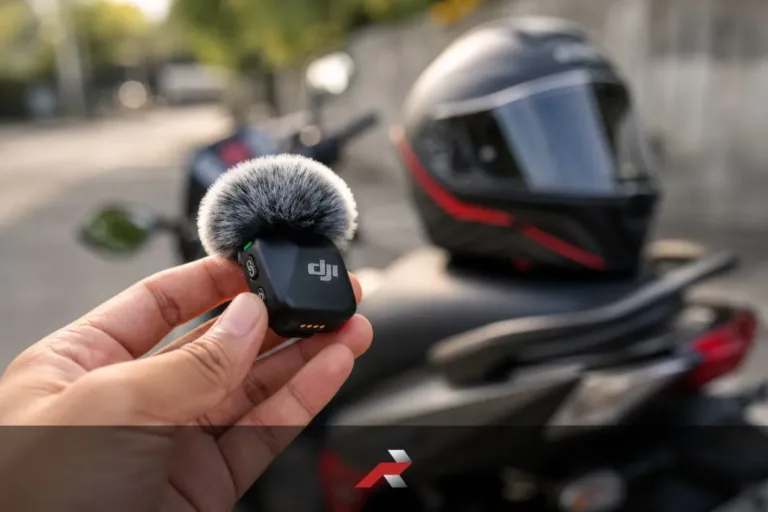
This DJI Mic Mini motorcycle review focuses on real-world motovlogging use in the Philippines. Instead of specs alone, it evaluates how the microphone performs in traffic, highway speeds, and unpredictable weather. You will understand how audio clarity holds up against wind noise, vibration, and daily riding conditions. This article also covers practical strengths, limitations, and who this system is best for. Whether you are starting or refining your setup, this review helps you decide if the DJI Mic Mini fits your riding style, content goals, and workflow.
The DJI Mic Mini is a practical wireless audio system for motorcycle vloggers who need a simple, reliable setup in real riding conditions. It performs well in controlled environments and moderate riding speeds, but results depend heavily on mic placement, wind protection, and how you adapt it to traffic, heat, and airflow.
In real-world Philippine riding, gear is only half the story. Metro Manila traffic, sudden acceleration, and uneven roads introduce unpredictable sound. A compact system like the DJI Mic Mini helps reduce setup complexity, but it does not automatically solve noise issues.
From experience-based observation, this type of microphone works best when:
Without these, even high-quality wireless systems struggle.
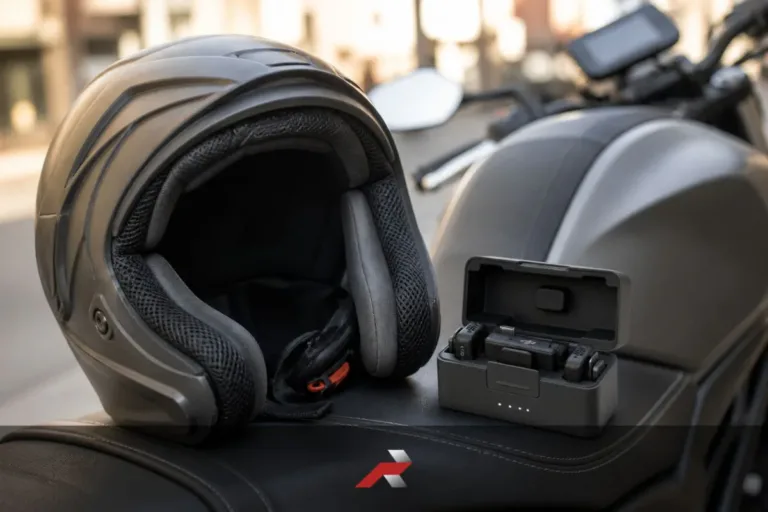
The DJI Mic Mini stands out in portability and ease of use. Smaller transmitters make helmet setups easier compared to bulkier systems.
Typical advantages:
This matters in stop-and-go riding, where you do not want to keep adjusting gears.
Like most wireless systems, performance drops when conditions become aggressive.
Common limitations:
In Philippine conditions, this means your setup must compensate for:
A compact wireless system improves convenience, but audio quality still depends more on setup behavior than the device itself.
If you want to understand how to optimize your setup beyond the device, you can explore this motorcycle wireless microphone guide for Filipino vloggers, which breaks down system selection and setup fundamentals.
For common problems like a muffled voice or wind noise, you can also check this step-by-step helmet audio fix guide for riders, where placement and airflow control are explained in detail.
The DJI Mic Mini performs well at low to moderate speeds, but audio quality drops as wind and environmental noise increase. In real motorcycle use, clarity depends on how well the setup manages airflow, placement, and gain. The microphone remains usable, but consistency varies across riding scenarios.
This is where most reviews fail. They test indoors or in controlled setups. Riding is not controlled.
In urban riding, especially in Metro Manila, sound is unpredictable.
Common conditions:
Observed behavior:
With proper placement, your voice stays understandable. However, it will not be completely isolated from traffic noise.
Once you move beyond 60 kph, wind becomes the main problem.
Typical results:
Even with a wind muff, airflow inside the helmet still reaches the mic.
This is not a flaw of the device. It is a limitation of physics and helmet design.
Philippine riding conditions introduce another layer: heat and humidity.
After extended use:
These small changes impact audio consistency over time.
A setup that works at the start of the ride may degrade after an hour.
Scenario A:
Scenario B:
👉 Same device. Different results.
| Riding Condition | Audio Clarity | Noise Level | Reliability |
|---|---|---|---|
| City traffic | Moderate | High | Stable |
| Highway | Low–Moderate | High | Variable |
| Stoplight | Moderate | Moderate | Stable |
Real-world performance is not defined by the microphone alone. It is defined by how well the setup adapts to changing riding conditions.
The DJI Mic Mini is strong in portability, ease of setup, and everyday usability, but it has limitations in wind-heavy and high-speed riding conditions. It works best for daily riders and controlled content, but requires proper setup to stay consistent across different environments.
This is not a perfect device. It is a practical one.
The biggest advantage of the DJI Mic Mini is simplicity.
What stands out in real use:
For daily riders, these matter more than advanced features.
In traffic-heavy areas, quick setup reduces friction. You spend less time adjusting gear and more time recording.
Despite its strengths, the system has clear limits in real riding.
Common issues observed:
These are not defects. They are expected trade-offs for a compact wireless system.
Scenario A (Optimized Setup):
Scenario B (Casual Setup):
| Aspect | Strength | Limitation |
|---|---|---|
| Size | Compact, helmet-friendly | Limited internal isolation |
| Setup | Fast and simple | Less room for advanced tuning |
| Audio clarity | Good in controlled conditions | Drops in wind-heavy scenarios |
| Real-world use | Reliable for daily rides | Needs setup awareness |
The DJI Mic Mini is not built to eliminate environmental noise. It is built to simplify recording. Riders who understand this use it effectively, while those expecting perfect isolation often get inconsistent results.
If you want to improve performance beyond the device, revisit the motorcycle wireless microphone guide for Filipino vloggers to understand how system setup affects results.
For solving real issues like muffled audio or wind noise, the fix motorcycle helmet audio guide provides step-by-step adjustments that directly improve output.
The DJI Mic Mini is worth it for riders who want a simple, portable wireless system that delivers consistent audio with proper setup. It is not built to eliminate all noise, but it provides reliable results for daily riding when placement, wind control, and gain are handled correctly.
This is where expectations matter.
This system fits riders who prioritize ease of use.
Best for:
In Philippine conditions, where rides are often unpredictable, a simple system reduces setup mistakes.
You spend less time adjusting and more time capturing usable footage.
This system may not fit riders who expect high isolation or extreme performance.
Not ideal for:
If your content relies heavily on high-speed clarity, limitations will show quickly.
Price alone does not define value. Real-world usability does.
Observed pattern:
| Factor | Result in Real Use |
|---|---|
| Ease of setup | High |
| Daily usability | High |
| Wind resistance | Moderate |
| Audio consistency | Setup-dependent |
A more expensive system may offer better isolation, but a simpler system often produces more consistent results when used correctly.
Scenario A:
Scenario B:
For official features and design approach, you can review the DJI Mic Mini specifications on the DJI official website, which outlines how the system is built for compact and flexible recording setups.
The value of the DJI Mic Mini is not in eliminating noise, but in making consistent recording easier. Riders who match their expectations to real-world conditions get the best results from this system.
Yes, it works well for helmet use when the mic is properly placed and protected from airflow.
It can manage moderate wind, but performance depends on placement and wind protection.
Yes, it provides clearer and more consistent voice capture than built-in microphones.
Yes, it performs well in city riding, but background noise remains noticeable.
Yes, but wind noise increases at higher speeds and affects clarity.
Yes, its simple setup makes it suitable for new motorcycle content creators.
Yes, placement has a major impact on audio clarity and consistency.
Light rain may be manageable, but heavy rain affects audio quality.
In this DJI Mic Mini motorcycle review, the DJI Mic Mini proves to be a practical wireless microphone for motorcycle vloggers who value simplicity and portability. It delivers consistent results when properly set up, but it does not remove environmental challenges like wind, traffic noise, or weather conditions.
Because of this, the device works best as part of a complete setup, not as a standalone solution.
In Philippine riding conditions, your environment constantly changes. Traffic, heat, and sudden speed shifts all affect audio. A system like this helps simplify recording, but your setup determines the final output.
If you want to understand how to maximize performance, revisit the motorcycle wireless microphone guide for Filipino vloggers to see how the system setup works as a whole.
For solving issues like muffled audio and unstable sound, the fix motorcycle helmet audio guide provides practical adjustments that directly improve results.
Because of this, riders who treat audio as a system rather than a product consistently produce clearer and more reliable motovlog recordings, regardless of the gear they use.
Featured image: Photo by RobiMotoPH.