Skip to content
Contact & Community
📍 Metro Manila, Philippines
🌐 robimotoph.com
✉️ hello@robimotoph.com
📱 +63 917 517 0594
📍 Metro Manila, Philippines
🌐 robimotoph.com
✉️ hello@robimotoph.com
📱 +63 917 517 0594

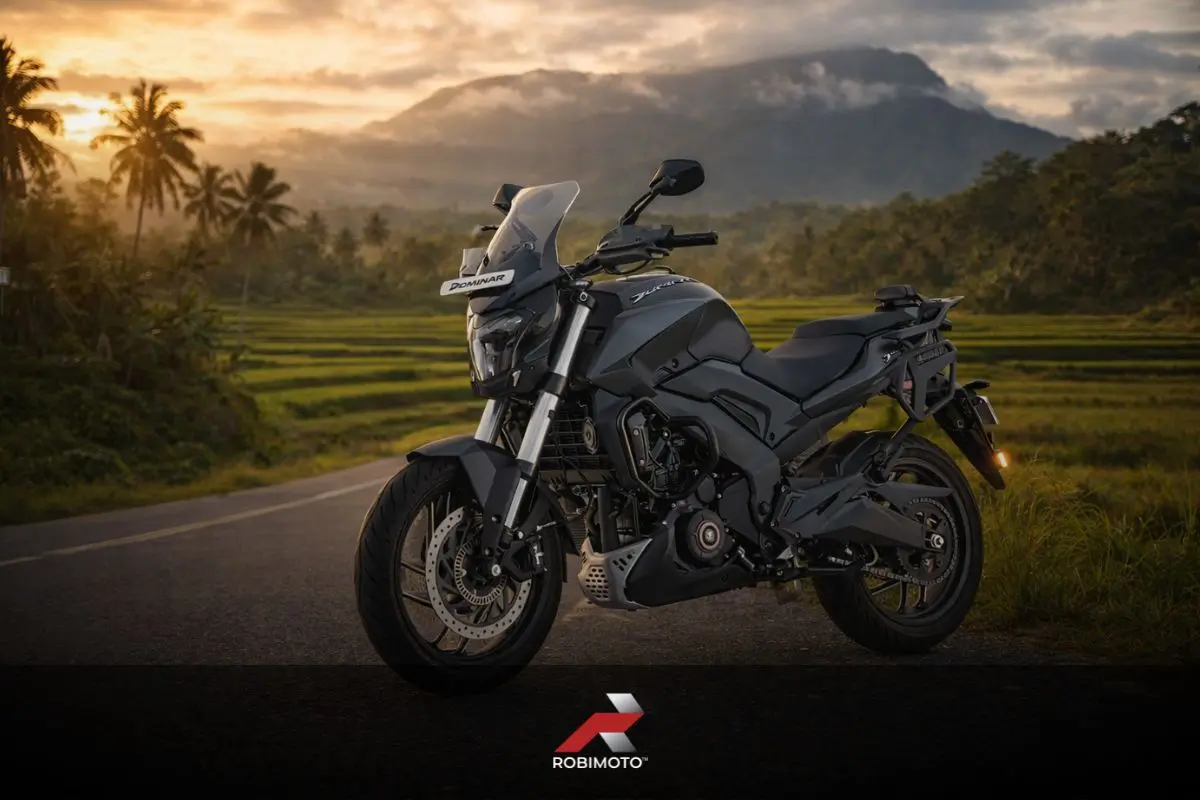
The Kawasaki Dominar 400 Phased discussion has raised real questions among Filipino riders, especially owners and serious buyers. Instead of fueling panic, this article separates facts from speculation by examining market signals, availability patterns, and ownership realities. We look at how production cycles work, what riders are actually experiencing on the ground, and why transparency matters in today’s motorcycle market. Backed by rider insight and credible sources, this guide helps you think clearly, plan wisely, and protect long-term value without being driven by rumors or online noise.
Kawasaki Dominar 400 Phased conversations started quietly, the same way most rider worries do, during casual shop talks and late-night group chats. As owners compared notes, questions grew louder about supply and long-term support. This echoes the practical mindset shared in 5 Essential Tips for New Owners of the Dominar 400 in the Philippines, where informed ownership takes priority over speculation, leading us into what is really happening.
The term “phased” often creates panic because it sounds final. However, in the motorcycle industry, it usually signals a production or distribution adjustment. Models can be slowed down, repositioned, or temporarily paused. For Filipino riders, this nuance matters because dealership stock, parts access, and service continuity remain active long after production changes.
Many brands cycle models based on global demand, emissions standards, and regional sales performance. Therefore, hearing Kawasaki Dominar 400 Phased does not automatically mean the bike is discontinued. Instead, it invites a closer look at how manufacturers manage product lifecycles while balancing market sustainability and support.
Riders started noticing fewer brand-new units on showroom floors. Some dealers now rely on limited stocks or older inventory. Meanwhile, used listings remain strong, suggesting steady demand. This gap fuels speculation, especially for riders planning upgrades or long-term ownership.
Community discussions also highlight how owners prioritize maintenance and parts availability. That mindset supports sustainability because extending a bike’s usable life reduces waste. When riders maintain rather than replace, they protect both budgets and the environment. This behavior aligns with responsible ownership rather than impulsive consumption.
If new unit availability becomes limited, preventive maintenance becomes even more important. Using Bendix Motorcycle Brake Pads helps maintain consistent stopping power, which is critical for daily riding safety and long-term ownership confidence.
As of now, there is no formal discontinuation announcement from Kawasaki. There has also been no confirmed news indicating that the Dominar 400 is being officially phased out. Motorcycle availability in the country often shifts due to distributor strategy, inventory cycles, and model refresh timing rather than outright phaseouts.
Viewed this way, the Kawasaki Dominar 400 Phased discussion reflects how brands manage supply and demand in smaller markets. Transparency matters because riders base long-term ownership decisions on clarity, not speculation. When information is grounded, the community responds more responsibly.
| Factor | Current Observation | Rider Impact |
|---|---|---|
| New Unit Availability | Limited in some regions | Encourages used market |
| Parts Supply | Stable | Supports long-term ownership |
| Service Support | Active | Builds owner confidence |
| Resale Value | Holding steady | Reflects sustained demand |
Internationally, mid-displacement bikes face pressure from stricter emissions standards and platform consolidation. According to Visordown, brands increasingly streamline models to focus on updated engines and modular platforms.
This context helps explain why some models feel quieter in the market. It is not abandonment. Instead, it reflects a shift toward future-ready designs. For Filipino riders, understanding this prevents misinformation from spreading across social media feeds.
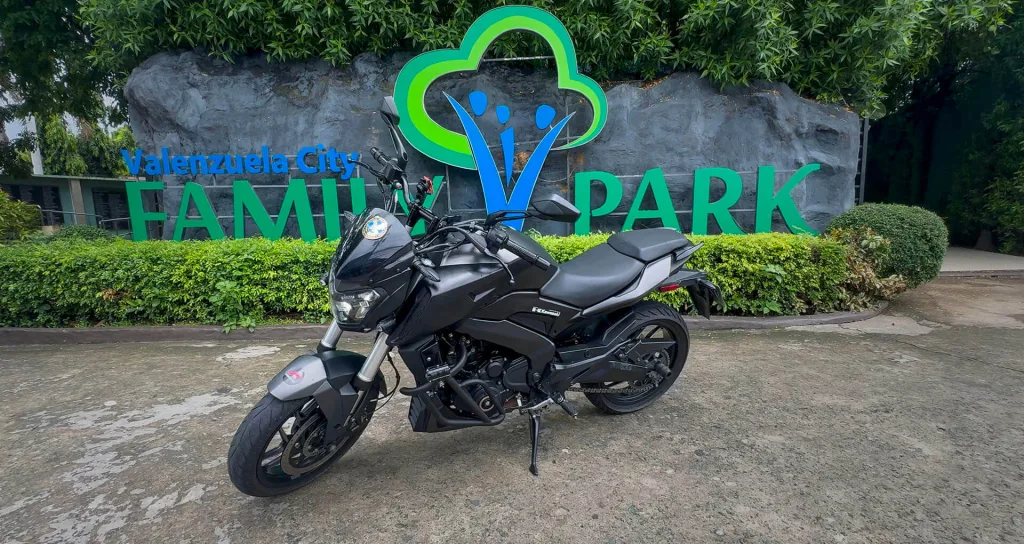
Explore more about how ownership realities affect long-term value in Dominar 400: Is It Truly a Beginner’s Bike?
When models enter a quieter phase, owners often worry about parts and service. In practice, Kawasaki’s service network continues supporting existing units. Many Dominar owners report smooth maintenance experiences through local shops and authorized centers.
This phase also strengthens community reliance. Riders share tips, recommend mechanics, and trade parts knowledge. Supporting local shops becomes essential. It keeps skills alive and ensures motorcycles stay roadworthy. This community-driven ecosystem is a quiet strength of Philippine motorcycling culture.
Instead of reacting emotionally, riders benefit from data-based decisions. If you own a Dominar 400, consistent maintenance and documentation protect resale value. If you plan to buy, understanding supply trends helps negotiate fairly.
Transparency matters on both sides. Sellers should disclose history. Buyers should ask informed questions. This culture builds trust, reduces waste, and supports sustainability by extending product life. Informed ownership always outperforms panic selling.
Extending the usable life of existing motorcycles through proper care supports sustainability while strengthening local repair communities.
The Kawasaki Dominar 400 Phased discussion reflects how information travels faster than clarity. When riders pause, verify, and share responsibly, the community benefits. Rather than fearing change, informed owners adapt, maintain, and support each other. In that space, the Dominar 400 remains what it has always been, a reliable companion shaped by how responsibly it is owned, not by rumors surrounding it.