Skip to content
Contact & Community
📍 Metro Manila, Philippines
🌐 robimotoph.com
✉️ hello@robimotoph.com
📱 +63 917 517 0594
📍 Metro Manila, Philippines
🌐 robimotoph.com
✉️ hello@robimotoph.com
📱 +63 917 517 0594

Engagement & Discussions explores motorcycle ownership mindset, Philippine traffic laws, riding discipline, and road safety awareness.
We analyze issues that affect Filipino riders daily, from enforcement concerns to rider habits and community standards. Each article encourages responsible riding and intelligent conversation within the motorcycle community.
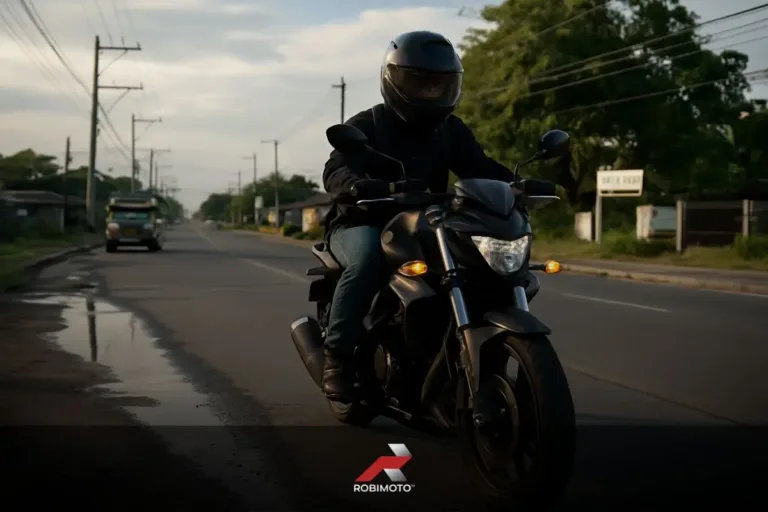
Motorcyclists shift within their lane for a simple reason. Riders adjust their position to avoid potholes, oil patches, gravel, puddles, and debris that can cause accidents in seconds. Many drivers mistake this as swerving, but it is actually a core defensive riding skill. This guide explains why lane positioning matters, how riders stay visible, and why drivers need to avoid cutting off, tailgating, or lingering beside motorcycles. With Philippine roads full of daily hazards, understanding rider behavior helps keep everyone safe and reduces preventable crashes. Learn how lane shifting protects riders and promotes a safer road community.
“Where can you contest an alleged traffic violation?” — a question thousands of Filipino drivers ask every month. With the rise of NCAP and stricter road monitoring, understanding your rights is essential. Whether you ride in Metro Manila or in the provinces, knowing which office handles your case and how to proceed can save you stress, time, and money. This guide breaks down what it means to contest, where you can legitimately bring your case, the step-by-step process riders should follow, common mistakes to avoid, and why doing this properly fits into a responsible riding culture.
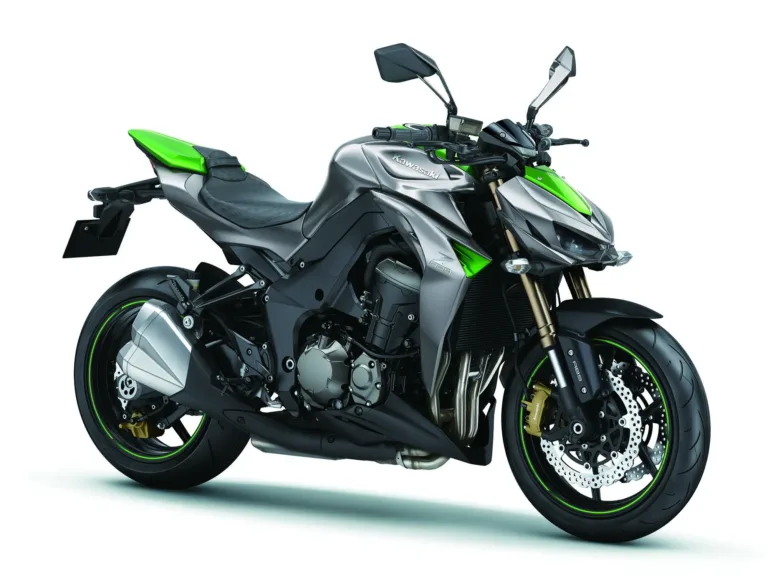
The “Kawasaki Sugomi Philosophy” captures a bold design and riding mindset: the crouching predator, focused, ready. For riders in the Philippines looking at the Z-Series machines from Z650 to Z1100, it’s not just styling—it’s a promise of intensity and control. In this article we trace the evolution of this philosophy from the 2014 Z1000 to today’s models, examine how it plays out in ergonomics, sound and performance, and highlight how mindful maintenance and community engagement help live the Sugomi spirit sustainably.
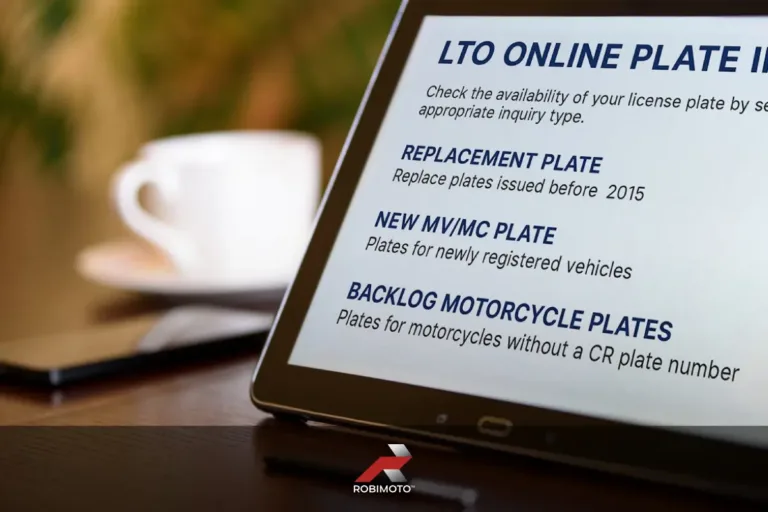
The LTO Online Plate Inquiry helps riders check their vehicle or motorcycle plate availability with ease. This article explains how to use the LTO-NCR portal correctly, the differences between replacement, new, and backlog plates, and what riders can do while waiting for their plates. With more Filipinos seeking transparency in vehicle registration, this system promotes accountability and faster public service. Learn how to navigate the process and what to prepare before checking your plate status online.
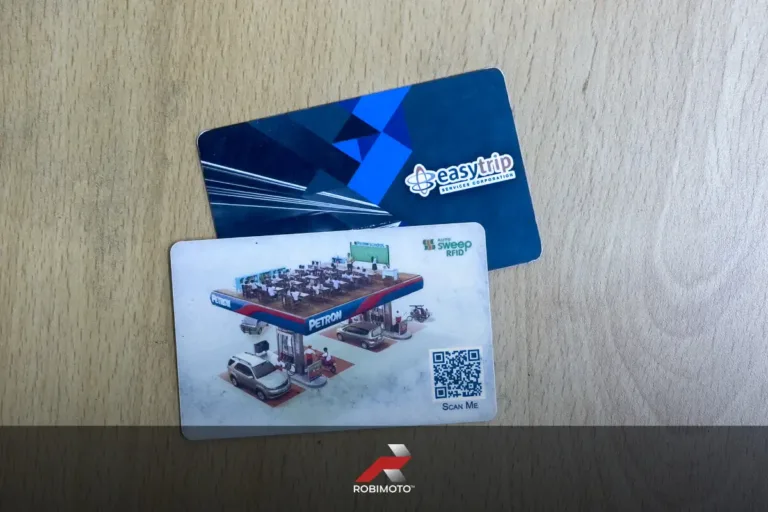
If you’ve ever grown frustrated switching RFID tags on different expressways in Luzon you’re not alone. Now the “one RFID for Luzon tollways” initiative means you only need one sticker and account to ride across major networks from NLEX to SLEX and beyond. In this article we dig into how to sign up, why this matters for riders like you, how it supports smoother travel and even a bit of sustainability in our infrastructure system. We’ll include a table of expressways covered, practical steps, and what this means for big-bike and motorcycle riders in the Philippines. Ride smarter—starting now.
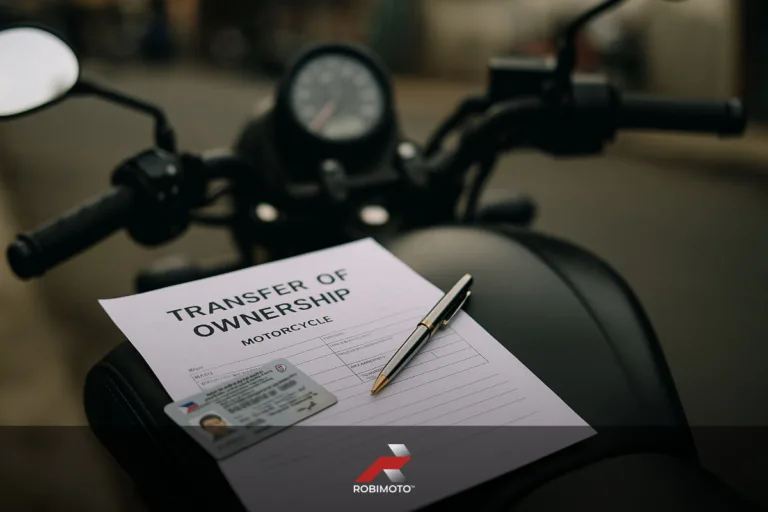
Transferring ownership of a motorcycle in the Philippines can be confusing for first-time riders. This complete guide breaks down every step — from deed of sale to LTO verification — based on real experiences, including Ka-Robi’s visit to LTO Valenzuela. Learn the process, avoid scams, and protect your bike’s record while supporting a culture of honest, transparent riding.
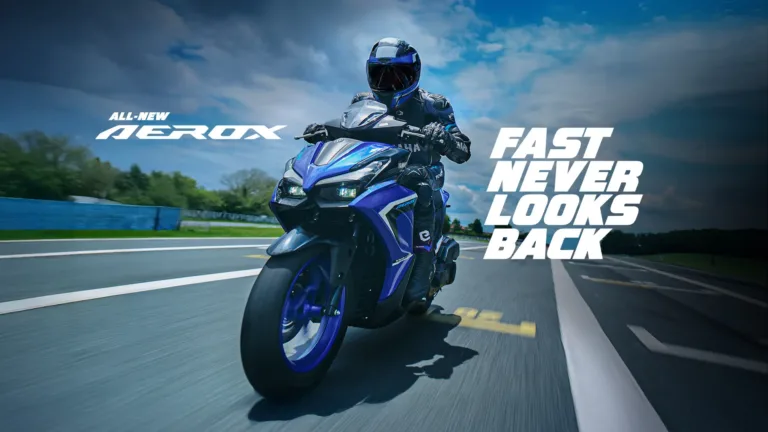
The Yamaha Aerox 155 vs its rivals is one of the biggest scooter debates in Metro Manila. Riders want style, power, and practicality in 2025. This article compares the Aerox with competitors like the Honda Click 160, Suzuki Burgman Street, and other favorites. Based on reports and real-world use, we break down performance, price, fuel efficiency, and ESG-driven insights to help you decide which scooter deserves your garage.
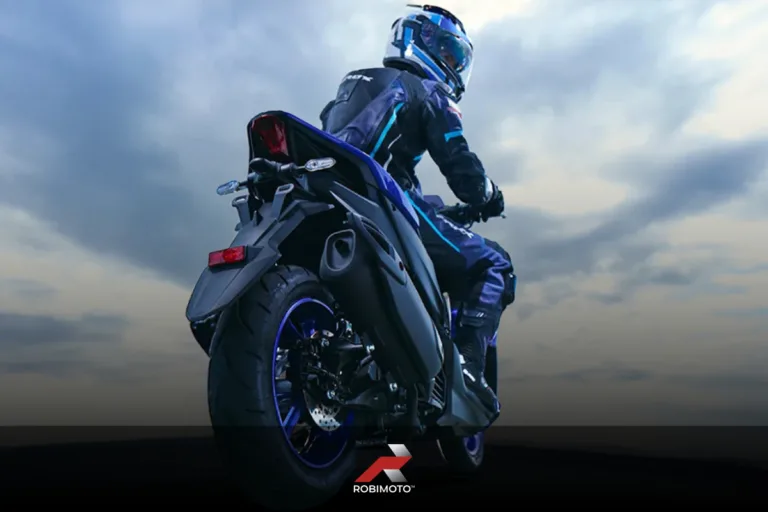
The Yamaha Aerox 155 is more than just a scooter—it’s part of the daily rhythm of Philippine roads. For 2025, many riders are asking what makes it stand out beyond the price tag. This article explores the Yamaha Aerox 155 features that matter most, from its sporty engine and advanced safety to its design and digital upgrades. We also highlight how these features support sustainable riding and why local shops and riders continue to trust the Aerox. Learn why it’s considered the go-to scooter in the country today.
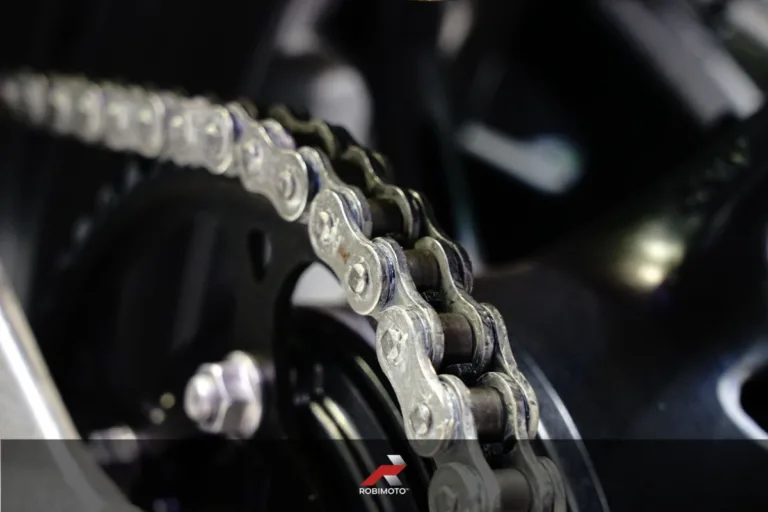
The Kawasaki Dominar 400 chain debate splits riders into two camps—stick with stock or upgrade to D.I.D. chains. Here’s why the conversation matters.
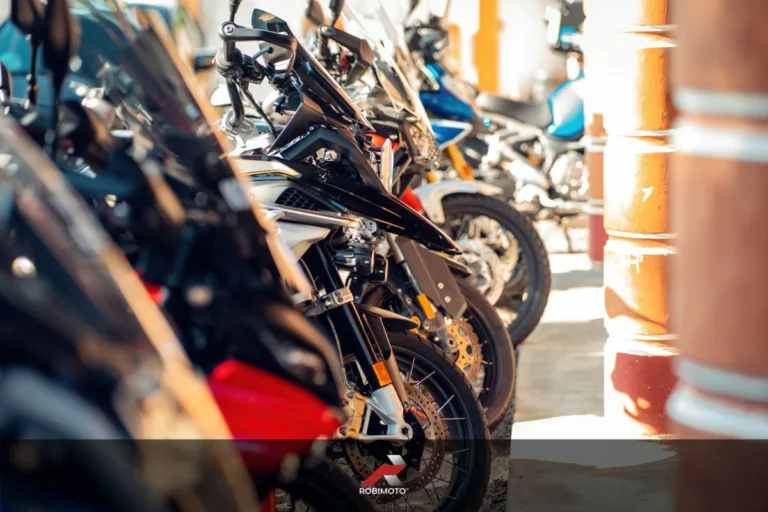
Commuter vs big bike motorcycle security may look different, but theft spares no one. This article compares needs and explains why alarms matter.
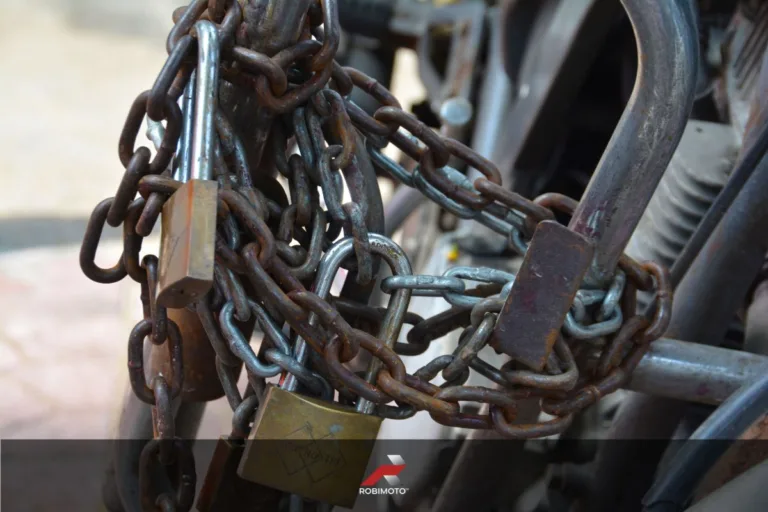
Many Pinoy riders rely on heavy chains to secure their motorcycles. But are chain locks enough? Here are three reasons why layering protection matters.
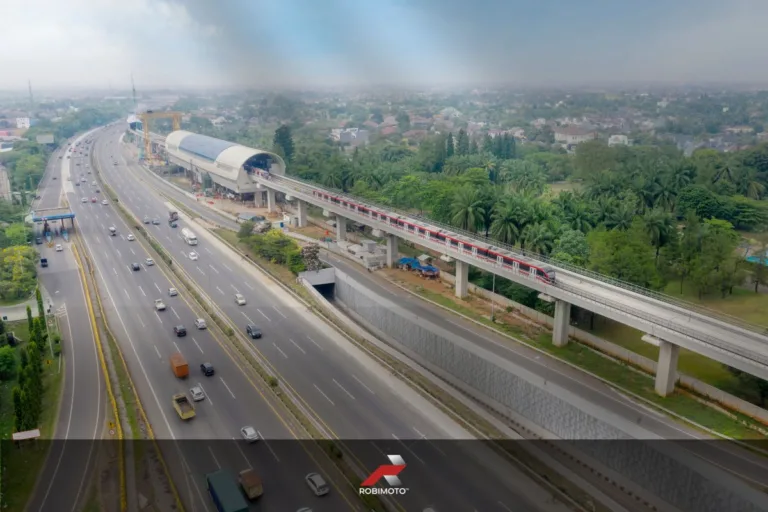
The 400cc expressway rule in the Philippines continues to spark debate among riders, commuters, and policymakers. Many believe the rule is outdated, as today’s 250–300cc motorcycles can safely maintain highway speeds and even outperform older big bikes in handling and braking. Advocates argue that allowing smaller displacement motorcycles on expressways would ease traffic congestion and make long-distance travel more accessible. On the other hand, critics point to safety concerns, vehicle stability, and enforcement challenges. As motorcycle technology advances, the question remains: should expressway access be based on displacement, or on a bike’s real-world performance and capability?