Skip to content
Contact & Community
📍 Metro Manila, Philippines
🌐 robimotoph.com
✉️ hello@robimotoph.com
📱 +63 917 517 0594
📍 Metro Manila, Philippines
🌐 robimotoph.com
✉️ hello@robimotoph.com
📱 +63 917 517 0594


Chain vibration is one of those problems riders often feel before they fully understand it. You notice it during traffic crawls, slow turns, or steady cruising when the bike should feel smooth but does not. The rear feels unsettled. The throttle feels jumpy. Over time, the ride becomes tiring. This article breaks down chain vibration causes and proper adjustment using real street conditions, service realities, and long-term ownership habits. It explains how vibration shows up, why it happens, and what practical fixes actually work without theory or sales talk.

Makina Moto Tiangge 2026 filled Eton Centris with long rows of motorcycle booths, steady crowds, and detailed custom builds across a packed weekend. Riders moved through vendor aisles, examined parts up close, and shared conversations that shaped the event’s atmosphere. From aftermarket components and maintenance products to custom motorcycles and lifestyle displays, the show reflected how in-person gatherings continue to influence riding culture. This wrap-up connects the on-ground experience to our full photo gallery, preserving the movement, details, and moments that defined Makina Moto Tiangge 2026 beyond the event days, and strengthens our growing archive of documented motorcycle events nationwide.

Brand loyalty feels safe when everything is new. The bike runs well, friends approve, and service feels predictable. Over time, everyday riding tells a different story. Traffic heat, parts availability, and service delays slowly reveal whether loyalty still works in real use. This article looks at how brand loyalties holding riders back show up during regular riding, especially in city conditions. The focus stays on ownership reality, not marketing. The goal is simple. Help riders recognize patterns early so decisions feel clearer and ownership stays practical.

Many riders think an air filter can wait until the next service. In city traffic, stop-and-go rides, and daily commuting, that delay slowly shows up in fuel consumption. The bike still runs, so nothing feels urgent. But over time, throttle response changes, mileage drops, and refueling becomes more frequent. This usually happens without warning lights or clear signs. Delayed air filter replacement and fuel economy loss often go together, especially for bikes used every day. This article looks at how it shows up in real riding, what riders usually notice late, and how small timing decisions quietly affect ownership costs.

Riding solo vs group rides experience feels simple at first, until daily traffic, schedules, and real fatigue enter the picture. In city riding, long commutes, weekend escapes, and mixed skill groups, the difference becomes clearer. Some riders feel more relaxed alone. Others enjoy shared pace and safety in numbers. This is not about which is better. It is about how each setup plays out on real roads. From stop-and-go traffic to long provincial stretches, the experience changes your habits, costs, and riding rhythm. These insights come from actual rider use, not theory or online hype.

Poor fuel consumption often shows up quietly during city riding. Daily traffic, short trips, stop and go movement, and warm engines can slowly change how a motorcycle drinks fuel. Many riders assume fuel economy drops only because of traffic or fuel prices. In reality, several small factors stack up during daily use. This article looks at poor fuel consumption causes in city riding based on real riding conditions. It explains how the issue appears, what choices riders face, and how ownership habits affect long term fuel use without hype or theory.

Many riders start with excitement, thinking daily motorcycle use will always feel freeing and practical. Then city traffic, rain, heat, and service costs show up fast. After one year, some quietly step away. This article looks at why that happens, using real Metro Manila riding conditions, stop and go traffic, and daily ownership routines. There are no theories here. Just patterns riders notice after months of use. The goal is simple. Help riders see what usually causes burnout, frustration, or regret, so expectations stay realistic from day one.

Late coolant change issues rarely show up as sudden failures. They usually appear during daily city riding, long traffic stops, or repeated short trips under heat. Many riders assume coolant lasts forever, especially if there are no visible leaks or warning lights. Over time, though, delayed maintenance can lead to higher engine temperatures, rough idle when hot, and cooling fans working harder than usual. This article explains how late coolant change and engine heat problems surface in real riding conditions, what riders commonly notice first, and how these issues affect ownership decisions without sounding technical or alarmist.

Many riders assume dealer servicing is always the safest option, especially for daily city use. In traffic-heavy Metro Manila rides, dealer stamps feel like peace of mind. But real ownership often tells a more layered story. Long queues, fixed packages, and limited flexibility sometimes clash with how motorcycles are actually used. This article looks at dealer servicing choice through daily riding reality, not theory. It reflects what riders notice after months of commuting, weekend runs, and routine maintenance. The goal is clarity, not persuasion, based on real ownership experience.
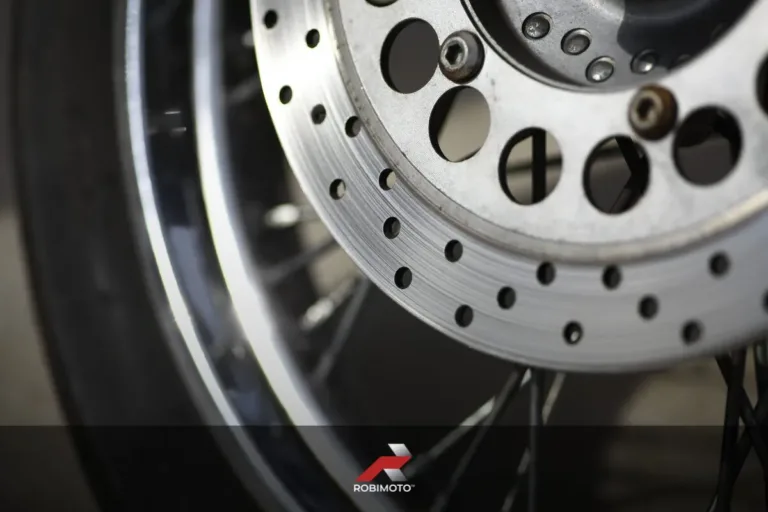
Brake squealing is one of those motorcycle issues riders often ignore, especially in city traffic where noise feels normal. Daily commuting, stop and go riding, and sudden braking in Metro Manila conditions make brake noise common, but not always harmless. Many riders assume squealing is just dirty pads or cheap parts, yet real world use shows the cause is often layered. This article breaks down brake squealing causes and how to fix it based on actual riding patterns, shop observations, and long term ownership. Expect clarity, not quick fixes or sales talk.