Skip to content
Contact & Community
📍 Metro Manila, Philippines
🌐 robimotoph.com
✉️ hello@robimotoph.com
📱 +63 917 517 0594
📍 Metro Manila, Philippines
🌐 robimotoph.com
✉️ hello@robimotoph.com
📱 +63 917 517 0594

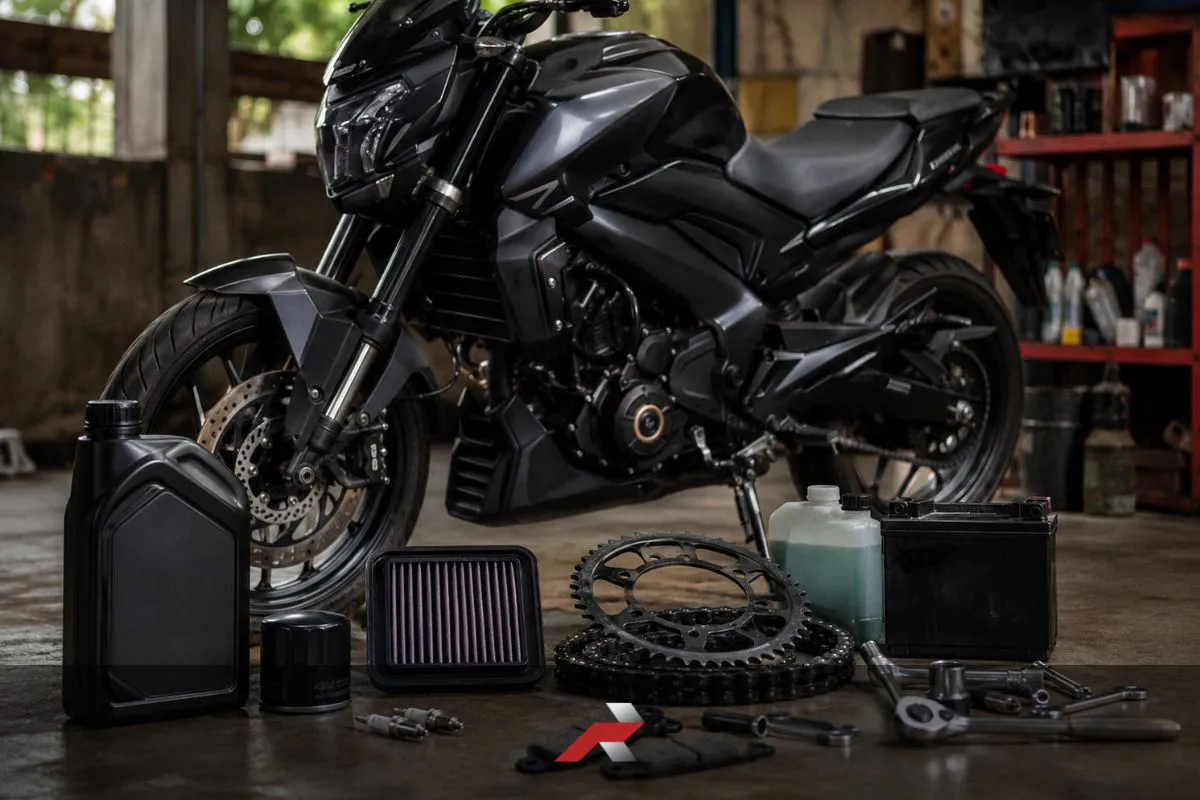
This Dominar maintenance parts list helps Filipino riders understand the common wear items, PMS parts, and safety checks needed for real-world ownership. It covers engine oil, oil filter, air filter, spark plugs, chain, sprocket, brake pads, battery, coolant, tires, brake fluid, and basic electrical checks. Built around Philippine riding conditions, this guide focuses on traffic, rain, heat, gastos, and long-term reliability. It is not a mechanic’s manual. It is an owner’s checklist for riders who want to avoid surprise repairs and maintain their Dominar 400 with better discipline.
The Dominar maintenance parts list is a practical checklist of the common items Filipino riders should monitor, replace, or inspect during ownership. It includes engine oil, oil filter, air filter, spark plugs, chain, sprocket, brake pads, battery, coolant, tires, brake fluid, and basic electrical parts.
For Dominar 400 owners in the Philippines, maintenance is not only about waiting for the next PMS schedule. Daily riding adds pressure. Traffic heats the engine. Rain exposes the chain and electrical parts. Stop-and-go riding wears brake pads faster. Long rides reveal weak batteries, tired tires, and old fluids.
This guide is not written to make you look like a mechanic. It is written to help you act like a responsible owner.
The Dominar 400 is officially listed as a 400cc class, liquid-cooled, single-cylinder, 6-speed motorcycle by Kawasaki Philippines. That setup gives the bike enough power for expressway use and weekend rides, but it also means the owner must stay consistent with fluids, cooling, brakes, and drivetrain care. [1]
If you are new to this bike, start with the wider motorcycle maintenance guide for Philippine riders before going deep into Dominar-specific parts. For real ownership context, you can also read my Dominar 400 PMS experience at 23,400 km, where oil, filter, brake, chain, and safety checks became part of the actual service story.
For riders specifically checking replacement filters before their next PMS, this Kawasaki Dominar 400 oil filter guide explains fitment checks, maintenance purpose, and buying considerations for daily use.
A Dominar maintenance parts list should separate routine PMS items from wear-and-tear parts. Routine items are checked or replaced regularly, while wear items depend more on riding style, road condition, rain exposure, traffic load, and mileage.
| Part | Main Purpose | Why It Matters in the Philippines |
|---|---|---|
| Engine oil | Engine lubrication and heat control | Traffic and heat stress the oil faster |
| Oil filter | Traps contaminants | Helps protect the engine during PMS |
| Air filter | Controls clean airflow | Dust, rain, and road dirt affect intake |
| Spark plugs | Ignition and starting | Weak plugs can cause poor starting |
| Chain | Transfers power to rear wheel | Rain and grime speed up wear |
| Sprocket | Works with chain | Worn teeth affect smooth power delivery |
| Brake pads | Stopping power | City traffic increases brake use |
| Brake fluid | Brake pressure transfer | Old fluid can affect lever feel |
| Battery | Starting and electrical support | Weak battery causes starting issues |
| Coolant | Engine temperature control | Heavy traffic tests the cooling system |
| Tires | Grip and road contact | Wet roads expose bad tire condition |
| Lights and fuses | Visibility and safety | Important for rain, night rides, and road checks |
The goal is not to replace everything at once. The goal is to know what to inspect before the problem becomes expensive.
🏍️
Key Analysis: Dominar maintenance becomes cheaper when riders track parts by system, not by panic. Engine, brakes, drivetrain, cooling, tires, and electrical parts should be treated as connected groups.
Scenario A:
A rider waits until the chain becomes noisy, the battery gets weak, and the brake pads feel thin. The PMS becomes heavier because several problems arrive together.
Scenario B:
A rider checks oil, chain, brakes, tires, and battery condition before each scheduled service. The cost becomes easier to plan because problems are found earlier.
The second rider is not richer. He is just less surprised.
The main engine and PMS parts for the Dominar 400 are engine oil, oil filter, air filter, spark plugs, and coolant. These parts affect lubrication, combustion, engine temperature, starting behavior, and long-term reliability, especially in Philippine traffic and hot riding conditions.
For daily riders, engine oil is usually the first maintenance item to monitor. The Dominar 400 works harder in slow traffic because the engine spends more time running with less airflow. This is common in Metro Manila, especially during rush hour, stoplight traffic, and short commutes where the engine heats up but the ride distance stays low.
The oil filter supports the engine oil by trapping dirt and metal particles. According to Bajaj Auto’s Dominar 400 owner’s manual, the oil filter is replaced at the first service and every 10,000 km after that. [2] However, riders should still follow the service center’s advice based on actual bike condition, oil type, usage, and riding pattern.
The air filter is another important item. A dirty air filter can reduce smoothness because the engine needs clean airflow. In the Philippines, dust, rain spray, road grime, and construction areas can make the filter dirty faster than expected. Riders who pass through EDSA, C5, MacArthur Highway, provincial roads, or dusty subdivision routes should check it more often.
Spark plugs are also part of the PMS conversation. Weak plugs can contribute to hard starting, rough idle, weak throttle response, or inconsistent ignition. If your bike already shows those symptoms, review the Dominar 400 spark plug replacement cost guide before approving parts and labor.
Coolant should not be ignored. The Dominar 400 uses liquid cooling, so coolant helps manage engine temperature during slow rides, hot weather, and long idling. Low coolant, old coolant, leaks, or poor cooling performance can lead to heat-related problems. For riders stuck in traffic often, cooling system checks should be part of regular PMS.
| PMS Item | What to Check | Rider Warning Sign |
|---|---|---|
| Engine oil | Level, color, service interval | Rougher engine feel, louder engine sound |
| Oil filter | Replacement history | Dirty oil after service, neglected PMS record |
| Air filter | Dirt, clogging, airflow | Weak response, poor smoothness |
| Spark plugs | Wear, gap, ignition quality | Hard starting, rough idle |
| Coolant | Level, leaks, age | Heat warning, fan working often |
🏍️
Key Analysis: Engine maintenance should not be treated as oil change only. For the Dominar 400, oil, filter, air, spark, and coolant work together to keep the engine smooth in heat, traffic, and long rides.
If the rider only changes oil but ignores the air filter, spark plugs, and coolant, the bike may still feel rough after PMS. That is why a proper Dominar maintenance parts list should group engine-related items together, not treat them as separate random expenses.
For deeper oil-related decisions, read the best engine oil for Dominar 400 guide. If the issue is starting, idle, or electrical behavior, the Dominar 400 electrical and starting issues article can help you narrow the possible cause before visiting a shop.
The main drivetrain parts to monitor on the Dominar 400 are the chain, front sprocket, rear sprocket, and related adjustment points. These parts affect power delivery, riding smoothness, noise, safety, and long-term ownership cost, especially when the bike is used in traffic, rain, and long weekend rides.
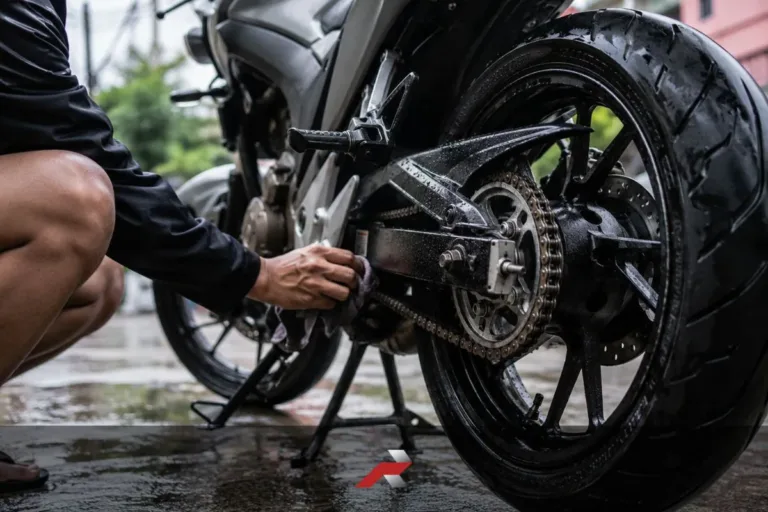
The chain is one of the most exposed parts of the bike. It deals with engine torque, road dirt, water, dust, and rider behavior every time the motorcycle moves. A clean and adjusted chain feels smoother. A dry, loose, or dirty chain can feel noisy, jerky, and unstable.
For Filipino riders, the chain usually suffers more during rainy season. Water washes away lubrication. Road grime sticks to the links. Flooded streets, wet parking areas, and muddy road shoulders can make the chain dirtier in one ride than in several dry commutes.
That is why a Dominar maintenance parts list should not treat the chain as a minor item. It is part of the bike’s power system.
| Drivetrain Item | What to Check | Possible Warning Sign |
|---|---|---|
| Chain | Slack, rust, tight spots, lubrication | Jerky feel, noise, uneven movement |
| Front sprocket | Tooth wear and alignment | Rough pull, chain noise |
| Rear sprocket | Tooth shape and wear | Skipping feel, uneven chain contact |
| Chain lube | Coverage and condition | Dry chain, reddish rust marks |
| Adjustment points | Alignment and tightness | Bike feels unstable or uneven |
A worn sprocket can also shorten the life of a new chain. This is why many riders replace chain and sprocket as a set when wear is already visible. Replacing only one badly worn part can save money today but cause another expense sooner.
The clutch feel can also tell a story. If the chain is too loose, too tight, dry, or uneven, the bike may feel less smooth when rolling on and off the throttle. Some riders blame the engine immediately, but the issue may be coming from the drivetrain.
For deeper maintenance steps, read the Kawasaki Dominar 400 chain maintenance guide. If you are checking adjustment concerns, the Dominar 400 chain adjustment tips article gives a more focused explanation.
Scenario A:
A rider washes the bike often but rarely lubes the chain after rain. The chain looks clean at first, but the links slowly dry out and become noisy.
Scenario B:
A rider cleans and lubes the chain after wet rides. The drivetrain stays smoother, and chain wear becomes easier to monitor.
The difference is not only product choice. It is habit.
If you are considering an upgrade, the D.I.D. chain review for the Dominar 400 can help you understand why some riders choose a stronger replacement. But even a better chain still needs cleaning, lubrication, and adjustment. Hindi porke upgraded, immortal na.
The main safety parts to check on the Dominar 400 are brake pads, brake fluid, tires, tire valves, lights, and basic fasteners. These parts affect stopping distance, wet-road grip, night visibility, and rider control, especially during city traffic, sudden stops, and rainy Philippine road conditions.
Brakes are not the part you want to “observe muna” when the symptoms are already obvious. Once the lever feel changes, the rear brake feels weak, or the pads look thin, the rider should have them checked. In Metro Manila traffic, brakes are used more often because of jeepneys stopping suddenly, motorcycles filtering through gaps, and cars cutting lanes without warning.
Brake pads wear depending on route and riding style. A rider who uses the bike mainly for open roads may get longer pad life. A rider who commutes daily through stop-and-go traffic will usually wear pads faster. Rain also adds another layer because wet roads need smoother braking and better tire grip.
| Safety Item | What to Check | Why It Matters |
|---|---|---|
| Front brake pads | Thickness and bite | Main stopping power |
| Rear brake pads | Wear and response | Low-speed control |
| Brake fluid | Color and level | Lever feel and pressure |
| Tires | Tread, cracks, age | Grip in dry and wet roads |
| Tire valves | Leaks and cracks | Air pressure stability |
| Headlight and tail light | Brightness and function | Night and rain visibility |
| Signal lights | Proper blinking | Lane change communication |
| Bolts and fasteners | Looseness or missing parts | Ride stability and safety |
Tires deserve the same attention as brakes. A powerful brake system still depends on tire grip. If the tire is old, bald, cracked, or underinflated, the bike can still slide even when the brakes are working. This matters more during rainy season, painted lane markings, wet asphalt, and concrete roads near intersections.
For riders who already noticed rear brake issues, read the Dominar 400 rear brake problem article for a more focused owner experience. If you are choosing pads for daily use, the brake pads for city riding guide can help you compare practical options.
🏍️
Key Analysis: Brakes and tires should be checked together because stopping power is not only about the brake pad. The tire must still grip the road, especially during rain, sudden braking, and low-speed traffic.
A good Dominar maintenance parts list should include these safety parts because they protect the rider before any performance upgrade matters. Before louder horns, brighter accessories, or cosmetic changes, the bike should stop properly and stay planted on the road.
The main electrical parts to monitor on the Dominar 400 are the battery, terminals, fuses, relays, wiring connections, switches, and charging behavior. These parts affect starting, lighting, horn function, dashboard behavior, and overall ride readiness, especially when the bike is used daily.
A weak battery can make the bike feel unreliable even when the engine itself is still healthy. For many riders, the first sign is slow cranking. The starter sounds weaker than usual. Sometimes the bike starts in the morning but struggles after short stops. Other times, the dashboard lights up but the engine does not crank properly.
In Philippine riding, this can become stressful fast. Imagine stopping at a gas station, parking near the office, or lining up before a group ride, then the bike suddenly hesitates to start. Hindi siya dramatic sa una. Pero kapag nangyari na sa wrong timing, doon siya nakakainis.
| Electrical Item | What to Check | Possible Warning Sign |
|---|---|---|
| Battery | Age, charge, starting strength | Slow crank, weak start |
| Battery terminals | Tightness and corrosion | Intermittent power |
| Fuses | Burnt or loose fuse | Sudden loss of function |
| Relays | Starting and electrical response | Clicking sound, no crank |
| Wiring connections | Loose or exposed wires | Random electrical behavior |
| Switches | Starter, signal, horn, light controls | Delayed or failed response |
| Charging behavior | Battery recovery after use | Repeated low battery issues |
Electrical issues are tricky because symptoms can overlap. A hard-starting issue may come from the battery, spark plugs, fuel delivery, wiring, or charging system. That is why guessing is risky. Replacing parts blindly can turn a simple issue into unnecessary gastos.
For a more focused guide, read the Dominar 400 electrical and starting issues article. If your bike cranks slowly, idles poorly, or struggles after sitting, the hard starting issues guide can help you separate possible causes before visiting a mechanic.
A good Dominar maintenance parts list should include electrical items because these are often ignored until the bike refuses to start. Battery checks are simple, but the effect is major. A healthy battery supports the starter, lights, horn, dashboard, and other basic functions that riders depend on every trip.
This is not overthinking. This is basic ride discipline.
Rainy season maintenance for the Dominar 400 should focus on the chain, brakes, tires, air filter, battery terminals, lights, and exposed electrical connections. These parts face more stress during wet rides, flooded streets, muddy roads, and daily commutes through unpredictable Philippine weather.
Rain does not automatically damage the bike. Neglect after rain does.
The problem usually starts small. The chain becomes dry after water washes away the lube. Brake feel changes after repeated wet use. Tires with weak tread become more noticeable on slippery roads. Battery terminals and connectors may develop corrosion over time. Lights become more important because visibility drops during heavy rain.
For Dominar riders, rainy season maintenance should be more active than dry season maintenance. You do not need to replace parts every time it rains. But you should inspect the parts that are exposed to water, mud, and road grime.
| Rain-Exposed Part | What Happens | What Riders Should Do |
|---|---|---|
| Chain | Lube washes off, dirt sticks faster | Clean and relube after wet rides |
| Brake pads | Dirt and water affect bite | Check response and pad thickness |
| Tires | Weak tread loses grip faster | Check tread and air pressure |
| Air filter | Moisture and dirt may affect airflow | Inspect if riding through dusty or wet areas |
| Battery terminals | Corrosion can build up | Check tightness and cleanliness |
| Lights | Visibility becomes critical | Test headlight, brake light, and signals |
| Switches | Water exposure may affect feel | Watch for delayed or weak response |
Scenario A:
A rider rides through rain, parks the bike, and leaves the chain dry for days. After several wet commutes, the chain becomes noisier and rougher.
Scenario B:
A rider rinses road dirt, dries key areas, and lubes the chain after wet rides. The drivetrain stays smoother, and early rust becomes easier to avoid.
The difference is not the weather. The difference is what happens after the ride.
Rain also exposes weak tires. On dry roads, a worn tire may still feel “okay.” On wet roads, that same tire can feel nervous during braking, cornering, or lane changes. This is why tires should be part of any serious Dominar maintenance parts list, not treated as separate from PMS.
Lights matter more during rain too. A working headlight helps other motorists see you. A clear brake light warns vehicles behind you. Signal lights help when changing lanes in low visibility. In traffic, these small parts can prevent confusion.
Rainy season maintenance is not about being maarte. It is about respecting the conditions. The road is already messy. Your bike should not add more problems.
A Dominar 400 shop visit should be prepared with a parts checklist, mileage record, symptom notes, and a clear budget range. This helps the rider avoid rushed decisions, repeated shop visits, and surprise gastos from parts that could have been checked earlier.
Before going to a shop, write down your current odometer reading, last PMS date, last oil change, and any symptoms you noticed. Simple notes help the mechanic understand the bike faster. They also help you avoid vague explanations like “parang may tunog” or “iba yung pakiramdam.”
A good Dominar maintenance parts list becomes more useful when it is connected to budget planning. Not every part needs replacement during every PMS. Routine items are expected, while wear items depend on mileage, riding style, and road conditions. Emergency parts are different because they usually appear after symptoms, failure, or delayed maintenance. The rider’s job is to know which group the part belongs to.
| Item Type | Examples | Budget Behavior |
|---|---|---|
| Routine PMS | Oil, oil filter, basic inspection | Expected and planned |
| Wear items | Brake pads, chain, sprocket, tires | Depends on use and mileage |
| Condition-based items | Battery, coolant, air filter, spark plugs | Replace when symptoms or inspection show need |
| Emergency items | Electrical faults, leaks, damaged parts | Harder to predict |
| Upgrade items | Better chain, better pads, accessories | Optional, not urgent |
The biggest mistake is treating every shop recommendation as either unnecessary or urgent. Some recommendations are preventive, but others can wait after proper inspection. Safety-related issues should be handled sooner, especially if they affect braking, tires, starting, or engine temperature. Ask the shop to explain the reason, the risk of delaying, and the estimated parts and labor cost.
For broader planning, read the annual motorcycle maintenance budget guide. It helps riders understand how preventive maintenance, wear parts, tires, insurance, and contingency expenses affect yearly ownership cost.
Shop choice also matters. A Dominar owner should look for a mechanic who understands the platform, not just someone who can do a basic oil change. If you are choosing where to service the bike, the trusted Dominar mechanic guide can help you compare the value of experience, communication, and proper diagnosis.
🏍️
Key Analysis: A prepared rider does not need to know everything about motorcycle repair. But he should know enough to ask the right questions before approving parts, labor, and upgrades.
For daily riders, budget discipline is part of maintenance discipline. The goal is not to make the Dominar cheap to own. The goal is to make the cost predictable. Mas masakit yung gastos kapag surprise. Mas kaya kapag napaghandaan.
The oil filter keeps engine oil clean by trapping dirt and debris. For Dominar owners, it is a standard PMS item and should not be skipped. Replacing oil without changing a heavily used filter can reduce the benefit of fresh oil because contaminants may still circulate through the system.
Spark plugs are responsible for igniting the fuel-air mixture inside the engine. Worn plugs may cause hard starting, rough idling, weak acceleration, or uneven performance. If starting becomes difficult, inspect the spark plugs along with the battery, fuel delivery system, and electrical connections.
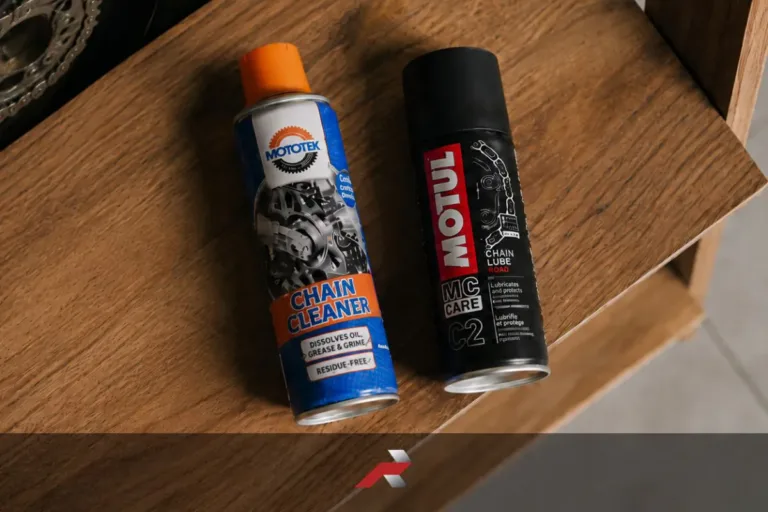
Chain lube reduces friction and protects the chain from rust, dryness, and premature wear. It is especially important after riding in rain because water can remove lubrication. Riders who frequently travel on wet roads should clean and lubricate the chain more often than occasional riders.
Brake pads should be inspected regularly for thickness and braking performance. Heavy city traffic can increase wear because of frequent stopping. If braking feels weak, noisy, or inconsistent, inspect both the pads and brake fluid. Address issues early to maintain safe stopping power.
A weak battery may cause slow cranking, delayed starts, dim electrical components, or intermittent starting problems. Many riders suspect engine trouble first, but battery checks are simple and important. Test battery condition, terminal connections, and charging performance before replacing expensive components.
After riding in wet conditions, inspect the chain, brakes, tires, lights, battery terminals, and exposed electrical parts. Rain alone is not usually the problem. Dirt, moisture, and neglected maintenance can lead to wear and corrosion. A quick inspection helps prevent larger maintenance issues later.
Tires influence grip, braking, handling, and rider confidence. Worn tires may seem acceptable on dry roads but can perform poorly on wet surfaces. Check tire pressure, tread depth, cracks, and overall condition regularly. For daily riders, tires are critical safety components.
A PMS budget should include routine maintenance, wear items, and unexpected repairs. Oil changes and inspections are predictable expenses. Costs for brake pads, chains, tires, batteries, and coolant vary depending on usage and condition. Planning ahead helps reduce maintenance surprises.
Before approving repairs, ask which part needs replacement, why it is necessary, how urgent the repair is, and the total cost of parts and labor. Clear explanations help riders make informed decisions and avoid unnecessary expenses.
A Dominar maintenance parts list is useful because it helps riders prepare before parts fail, costs pile up, or safety gets affected. For Filipino riders, the goal is not perfect maintenance. The goal is consistent ownership discipline that matches traffic, rain, heat, road conditions, and real-world budget limits.
The Dominar 400 is a practical bike for daily use, expressway rides, weekend trips, and long ownership. But like any motorcycle, it becomes more reliable when the owner pays attention to the basic systems: engine, brakes, tires, drivetrain, cooling, battery, and electrical parts.
Do not wait for every issue to become obvious. Some parts give early signs. A dry chain becomes noisy. A weak battery cranks slower. Thin brake pads lose bite. Old tires feel nervous in rain. Dirty filters affect smoothness. Low coolant can make traffic heat more stressful.
A rider does not need to memorize every technical detail. But he should know what to ask, what to inspect, and what parts usually matter during PMS.
Use this guide as a practical checklist before visiting a service center or trusted shop. Bring your odometer reading, last PMS history, symptoms, and budget range. Ask clearly. Approve wisely. Ride with fewer surprises.
For Dominar owners in the Philippines, maintenance is not just about keeping the bike running. It is about protecting your commute, your weekend rides, your safety, and your gastos.
[1] Kawasaki Motors Philippines. “Dominar 400 UG2 Specs.” https://kawasaki.ph/motorcycles/model/66
[2] Bajaj Auto. “Dominar 400 Owner’s Manual.” https://cdn.bajajauto.com/-/media/assets/bajajauto/customer-service/owners-manual/owners-manual-pdf/dominar-400.pdf