Skip to content
Contact & Community
📍 Metro Manila, Philippines
🌐 robimotoph.com
✉️ hello@robimotoph.com
📱 +63 917 517 0594
📍 Metro Manila, Philippines
🌐 robimotoph.com
✉️ hello@robimotoph.com
📱 +63 917 517 0594

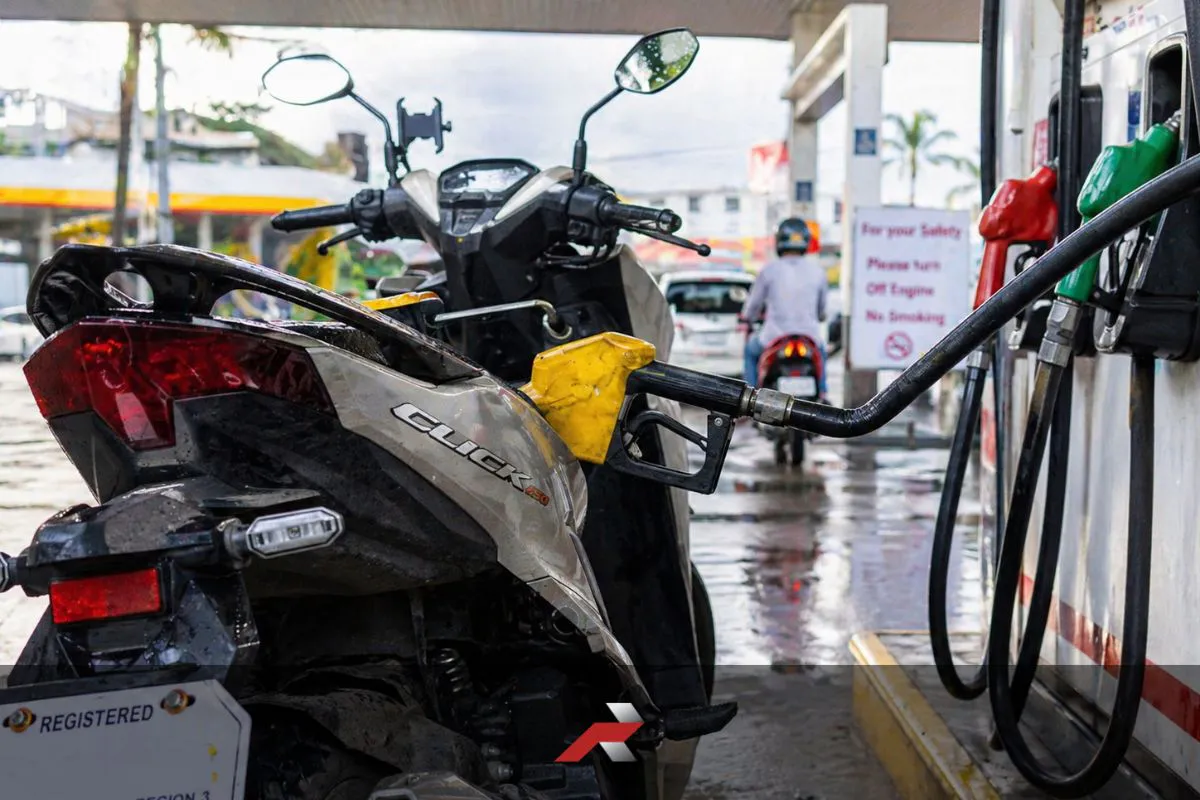
Noticing your scooter consuming more fuel than usual? This guide breaks down the real scooter high fuel consumption causes in the Philippines, from riding habits to maintenance issues and engine problems. Learn how to identify early warning signs, avoid common rider mistakes, and apply practical fixes that improve your fuel efficiency immediately. Whether you ride daily in heavy traffic or on long commutes, this step-by-step fix guide helps you diagnose issues before they become expensive. Built for real-world Philippine conditions, this is your starting point to smarter, more efficient riding.
Scooter high fuel consumption causes are often ignored until the cost starts to hurt. One week, tipid ka. Next week, parang may butas ang tangke. That is where most riders get stuck.
The truth is simple. High fuel consumption is rarely caused by one issue alone. It is usually a mix of riding habits, maintenance gaps, and real-world road conditions.
This guide breaks down the real scooter high fuel consumption causes and how to fix them step by step. If you ride daily in traffic, this is not optional knowledge. This is part of responsible ownership.
The first sign is obvious. You are visiting the gas station more often than usual. But most riders ignore the early warnings until the damage is already happening.
Watch your fuel consumption closely. A healthy scooter should have consistent km per liter. If it suddenly drops, something is off.
Here are the common signs:
Let’s put this into a real scenario.
You normally get around 35 to 40 km per liter on your daily commute. Same route. Same traffic. Then suddenly, it drops to 25. No change in riding style. That is not normal. That is a signal.
Data-wise, even a 15 to 20 percent drop in efficiency already points to a developing issue. Ignore it, and you pay for it every ride.
Before jumping into fixes, it helps to understand the basics first. For a deeper look at proper riding habits, check the Fuel Saving Scooter Riding Tips Philippines Guide.
Sometimes, the problem is not the scooter. It is the rider.
Jerky throttle is one of the biggest fuel killers. Sudden acceleration burns more fuel than a smooth roll-on. It feels fast, but it wastes money.
Over-revving is another issue. Many riders keep the RPM high even in slow traffic. That habit forces the engine to work harder than needed.
Here is the reality. City riding in the Philippines rewards smooth control, not aggression.
If your throttle feels like an on-and-off switch, expect higher fuel consumption. Discipline on the right hand matters more than most upgrades.
Even if your riding style is clean, poor maintenance will quietly destroy your fuel efficiency.
Most of these problems build up over time. No warning. No dramatic failure. Just slow, consistent fuel loss.
Here are the usual suspects:
| Component | Problem | Effect on Fuel Consumption | Quick Fix |
|---|---|---|---|
| Fuel Injector | Dirty or clogged | Poor fuel spray, incomplete combustion | Injector cleaning service |
| Spark Plug | Worn or fouled | Weak ignition, inefficient burn | Replace every 8k to 12k km |
| Air Filter | Dirty or blocked | Less airflow, rich fuel mixture | Clean or replace regularly |
Let’s make it real.
A daily rider in Metro Manila skipped air filter cleaning for months. Traffic, dust, and humidity did their thing. Fuel consumption increased without obvious symptoms. After cleaning, fuel efficiency improved almost instantly.
That is how silent these issues are.
If your scooter feels normal but drinks more fuel, maintenance is usually the reason.
Fuel efficiency is not just about the engine. Rolling resistance plays a big role.
Underinflated tires create more drag. The engine works harder just to move forward. That means more fuel is burned for the same distance.
Heavy load makes it worse. Top box, tools, extra gear. Useful, yes. But every added kilo demands more power.
Here is a quick reality check.
Even a 3 to 5 psi drop in tire pressure can reduce fuel efficiency by up to 5 percent. That is daily money lost.
Keep your tires properly inflated. Carry only what you need. Simple habits, real savings.
When fuel consumption gets worse even after basic checks, the issue usually goes deeper into the engine and fuel system.
This is where small imbalances create big losses.
Here is a simple comparison to understand what is happening:
| Condition | What Happens | Fuel Impact | Rider Experience |
|---|---|---|---|
| Balanced Air-Fuel Ratio | Proper mix of air and fuel | Optimal fuel efficiency | Smooth throttle, consistent power |
| Rich Mixture | Too much fuel, less air | High fuel consumption | Strong smell, sluggish feel |
| Lean Mixture | Too much air, less fuel | Poor combustion efficiency | Weak power, overheating risk |
| Fuel Leak | Fuel escapes before combustion | Wasted fuel directly | Fuel smell, visible drips |
Let’s break it down.
A rich mixture is common in city riding. Dirty filters and injectors cause this. Fuel is injected, but not fully burned.
On the other hand, a lean mixture can damage your engine over time. It may feel tipid, but it is risky.
Fuel leaks are rare but serious. If you smell fuel even when parked, do not ignore it.
At this stage, diagnosis matters more than guessing.
Do not guess. Diagnose step by step.
Start with the basics before touching the engine.
Next, go deeper.
One change at a time. That is the rule.
Track results after every fix. That is how you isolate the real cause, not just chase symptoms.
Some issues go beyond DIY. Knowing when to stop saves you money and prevents bigger damage.
If fuel consumption stays high after basic fixes, something deeper is wrong.
Watch for these red flags:
Here is a real scenario.
A rider kept replacing spark plugs, thinking that was the issue. Fuel consumption stayed high. The real problem was a leaking injector seal. Small leak. Big waste. It only got fixed after proper inspection.
This is where experience matters.
A good mechanic will check fuel pressure, injector performance, and sensor readings. These are things you cannot fully diagnose at home.
If you are unsure where to start comparing your scooter’s performance, check the Scooter Fuel Efficiency Comparison Philippines Guide. It helps you understand what “normal” actually looks like.
Do not wait for breakdowns. Early diagnosis always costs less.
Usually a mix of riding habits, dirty components, or tire issues.
Yes. Poor fuel burns inefficiently and reduces km per liter.
Every 10k to 15k km, depending on usage.
In city riding, yes. It increases fuel burn.
Yes. Low pressure increases resistance and fuel usage.
Scooter high fuel consumption causes are not random. They always leave clues. The problem is that most riders ignore them until it becomes expensive.
Start with what you control. Smooth throttle. Proper tire pressure. Regular maintenance. These habits already improve fuel efficiency.
Then go deeper when needed. Check your fuel system. Listen to your engine. Pay attention to small changes.
A well-maintained scooter should be predictable, even in Philippine traffic.
Fuel efficiency is not about chasing numbers. It is about discipline and awareness.
Fix the cause, not just the symptom. That is how you ride smarter every day.
Featured image: Editorial composite image created for RobiMotoPH.