Skip to content
Contact & Community
📍 Metro Manila, Philippines
🌐 robimotoph.com
✉️ hello@robimotoph.com
📱 +63 917 517 0594
📍 Metro Manila, Philippines
🌐 robimotoph.com
✉️ hello@robimotoph.com
📱 +63 917 517 0594

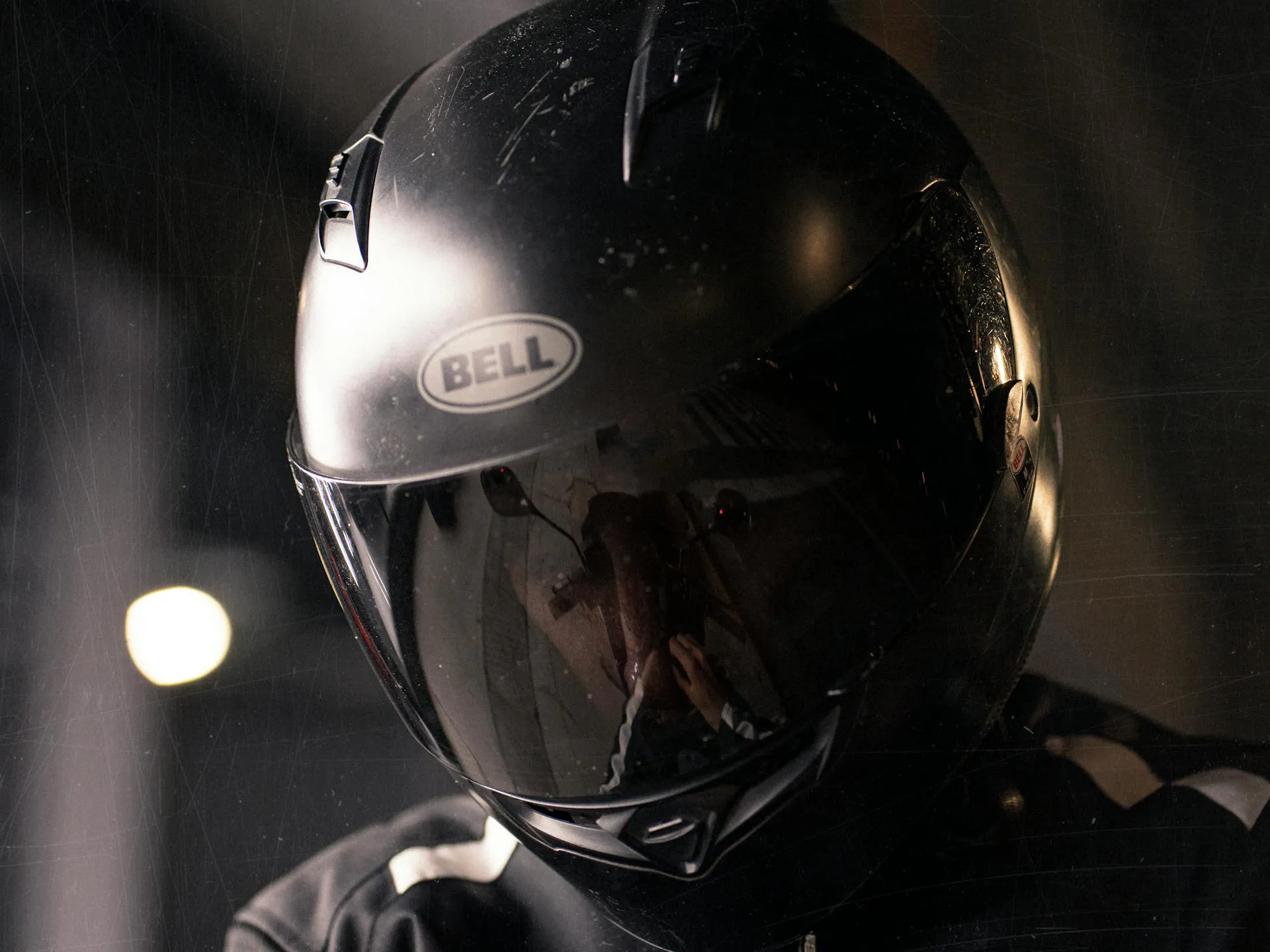
Helmet vent optimization is one of the most important but often overlooked solutions for visor fogging. This guide explains how helmet ventilation works, how intake and exhaust vents affect airflow, and how riders can adjust vents for traffic, rain riding, and long rides. The article also explains when vent optimization is not enough and when anti-fog accessories such as Pinlock inserts, anti-fog sprays, films, and breath guards may be necessary. This guide is intended for riders in tropical climates where humidity, traffic, and daily commuting often cause visor fogging and visibility issues.
Helmet vent optimization fog prevention is one of the most overlooked solutions for visor fogging in tropical riding conditions. Many riders focus on anti-fog products first, but airflow inside the helmet plays a major role in visibility, comfort, and moisture control during daily riding.
Fogging is not always a visor problem. In many cases, it is an airflow problem inside the helmet. When air does not move properly inside the helmet, moisture stays trapped near the visor. This is why some helmets fog more in traffic but become clear when riding faster on open roads.
Helmet fogging happens because warm breath air meets a cooler visor surface, creating condensation, and the science behind this moisture buildup is explained clearly in this article↗.
Helmet fogging happens because warm breath air meets a cooler visor surface, creating condensation, and the science behind this moisture buildup is explained clearly in this informational article about how anti-fog visors work.
Helmet fogging happens because warm breath air meets a cooler visor surface, creating condensation, and the science behind this moisture buildup is explained clearly in this informational article about how anti-fog visors work.
Before buying anti-fog accessories, riders should first understand helmet ventilation. Proper airflow management can already reduce fogging without adding accessories. For a complete overview of anti-fog solutions, riders should also read Helmet Anti-Fog Solutions for Tropical Climate: What Filipino Riders Must Know for Safe Rainy Season Visibility because fog prevention usually involves multiple solutions working together.
Helmet ventilation works by moving air through the helmet using intake vents and exhaust vents. Intake vents allow fresh air to enter the helmet, while exhaust vents allow warm air to exit. When both vents are working properly, air flows continuously inside the helmet.
This airflow removes heat, moisture, and warm breath air that causes visor fogging. If intake vents are open but exhaust vents are closed, airflow becomes weak. If exhaust vents are open but intake vents are closed, air cannot enter properly. Both vents must work together to create airflow circulation.
Many riders open only the top vent and forget the chin vent. The chin vent is actually very important for fog prevention because it directs air toward the visor area. Without airflow near the visor, moisture will stay on the visor surface and create fog.
Understanding airflow is more important than simply buying anti-fog products. Vent optimization is the first step in fog prevention.
Intake vents are usually located on the chin area and top of the helmet. These vents allow fresh air to enter the helmet. The chin vent is especially important for visor fog prevention because it pushes air upward across the visor.
Top intake vents help reduce heat and bring airflow inside the helmet. However, they are more useful for cooling than for fog prevention.
Exhaust vents are usually located at the rear of the helmet. These vents allow hot air and moisture to exit the helmet. Exhaust vents are very important because airflow cannot move properly if hot air cannot escape.
The correct setup for fog prevention usually includes:
This creates continuous airflow from front to back inside the helmet.
Traffic is the worst condition for visor fogging because airflow is very limited. At low speeds, helmet vents do not receive strong air pressure, so airflow inside the helmet becomes weak.
For traffic riding:
The chin vent is the most important vent in traffic. It directs airflow toward the visor and helps reduce fogging from breathing.
Some riders close vents during rain or traffic, which actually makes fogging worse. In slow traffic, airflow is already limited. Closing vents will trap moisture inside the helmet.
Vent optimization in traffic is about airflow, not cooling.
Many riders close all vents when it rains. This is understandable because they do not want water entering the helmet. However, completely closing vents can increase visor fogging because moisture cannot escape.
For rain riding:
Rain riding usually creates fog because outside temperature is lower and inside helmet air is warm. Vent airflow helps reduce condensation inside the visor.
Riders should balance water protection and airflow. Fully closing vents usually causes more fogging than rain entering through vents.
Long rides are different from traffic riding because airflow is stronger at higher speeds. At highway speeds, helmet ventilation works more efficiently because air pressure pushes air through intake vents and out through exhaust vents.
For long rides:
Long rides usually have less fogging because airflow is stronger. However, early morning rides and mountain rides may still cause fogging due to temperature differences.
Vent optimization during long rides is more about comfort and cooling, but it still helps reduce moisture inside the helmet.
Many riders do not use helmet vents correctly. Some common mistakes include:
Helmet ventilation is a system. Intake and exhaust vents must work together. Opening only one vent usually does not create proper airflow.
Before buying accessories, riders should first learn how to use helmet vents properly. Vent optimization is free and already built into the helmet.
There are situations where vent optimization alone cannot prevent fogging. This usually happens in heavy traffic, cold mornings, heavy rain, or very humid weather. In these situations, additional anti-fog solutions may be necessary.
Riders may consider using anti-fog accessories such as:
These accessories work together with helmet ventilation. Vent optimization controls airflow, while anti-fog accessories control moisture on the visor surface.
Ventilation and anti-fog accessories should be seen as a system, not separate solutions. Riders who experience frequent fogging usually need both airflow optimization and anti-fog accessories.
For riders in tropical countries, helmet ventilation is very important. When choosing a helmet, riders should look for:
Helmets designed for hot climates usually have better ventilation systems. This reduces fogging, improves comfort, and makes long rides more comfortable.
Helmets with poor ventilation may still fog even if anti-fog accessories are installed. Helmet design still plays a major role in airflow and fog prevention. Riders who want examples of helmets with good ventilation may look at models like the HJC CS15 Helmet and HJC DS X1 Dual Sport Helmet, which both include intake and exhaust ventilation systems designed for daily riding and long rides.
Helmet vent optimization is one of the most overlooked solutions for visor fogging. Many riders immediately buy anti-fog products without first understanding how helmet airflow works. In many cases, proper vent adjustment already reduces fogging significantly.
Anti-fog accessories are still useful, especially in heavy traffic and rainy season riding. However, ventilation should always be the first step before buying additional accessories.
Helmet fogging is usually caused by airflow problems, moisture buildup, and riding conditions. The solution is often a combination of vent optimization, visor systems, and anti-fog accessories.
Riders should understand their riding conditions, helmet ventilation system, and daily riding environment before deciding what solution to use. For new riders who are still choosing gear and helmets, reading Beginner Motorcycle Buying Guide: Start Your Ride Right can help them understand what features to prioritize when buying their first helmet.
Helmet vent optimization fog prevention should always be the first step before buying anti-fog accessories. Riders who understand airflow inside the helmet usually experience less visor fogging even in traffic and rainy season riding.
Helmet ventilation is not just for comfort. It is also for visibility and safety.
Featured image via Pexels