Skip to content
Contact & Community
📍 Metro Manila, Philippines
🌐 robimotoph.com
✉️ hello@robimotoph.com
📱 +63 917 517 0594
📍 Metro Manila, Philippines
🌐 robimotoph.com
✉️ hello@robimotoph.com
📱 +63 917 517 0594

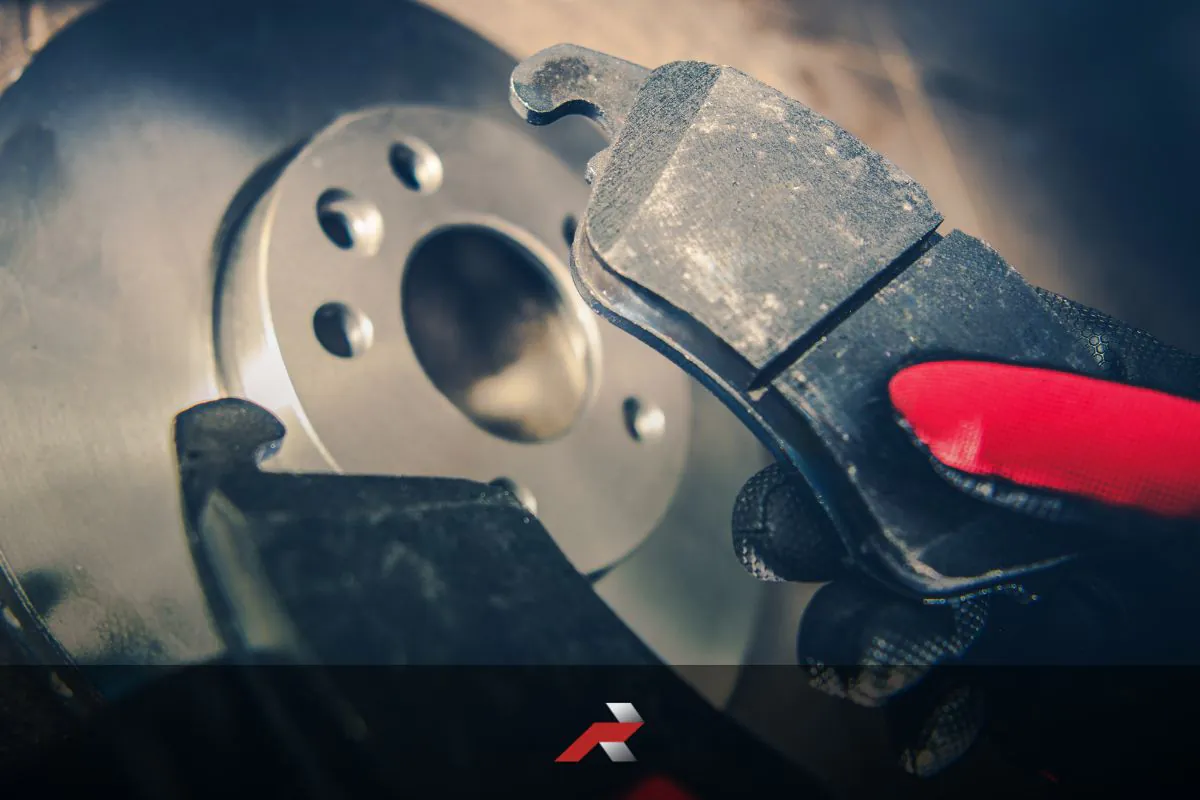
Brake pad pricing in the Philippines varies by engine size, compound, and brand tier. While often overlooked, brake pads are safety-critical components that require predictable budgeting. Front pads typically cost more and wear faster due to higher braking load. From 400cc to 900cc motorcycles, realistic price ranges reflect differences in weight, speed potential, and heat stress. Understanding these market figures helps riders avoid unexpected repair costs and align maintenance with responsible ownership. Brakes are not upgrades. They are scheduled safety expenses that protect both performance and long-term financial stability.
The best brake pads for daily city riding Philippines big bike owners should choose are not race compounds and not the cheapest replacements. They are the pads that survive heat, humidity, traffic pressure, and wet roads without sacrificing control.
Daily city riding in the Philippines is brutal on brakes.
You are not riding empty highways.
You are managing:
Brakes in this environment work harder than most riders realize.
For 400cc–900cc motorcycles, brake pad selection becomes a safety decision and a budgeting decision.
This guide excludes racing scenarios. It focuses strictly on sustainable daily urban riding.
Urban braking is repetitive.
Each intersection requires:
Light squeeze.
Release.
Slight reapplication.
Full stop.
Multiply that by 100 to 300 cycles per day.
Heat builds in short bursts instead of long controlled deceleration.
In Philippine climate conditions:
Brake pads never fully cool down.
Repeated micro heat cycles cause:
That is why daily city riders often replace front brake pads every 8,000 to 12,000 kilometers.
Weekend-only riders can stretch to 15,000 km or more.
Discipline changes lifespan.
Understanding material matters more than brand name.
For 400cc–900cc motorcycles used in daily Philippine city riding, brake pad compound determines heat tolerance, modulation feel, wet performance, and overall lifespan. Two pads from different brands can behave almost identically if they use similar compound formulas. Meanwhile, two pads from the same brand can feel completely different depending on material type.
Engine size increases braking load. Weight, torque, and traffic density multiply thermal stress. That is why compound selection should align with displacement and riding pattern, not marketing claims. Choosing correctly protects both safety and long-term maintenance cost.
There are three main categories:
Made from fiber materials and resin binders.
Light 400cc bikes used moderately.
For aggressive Metro Manila commuters, organic pads may wear too quickly.
Blend of metal fibers and organic compounds.
400cc to 650cc daily commuters.
This is the most practical compound for city riders.
High metal content fused under heat and pressure.
650cc to 900cc heavier bikes.
Heavier bikes require stronger thermal stability.
We maintain cluster consistency.
Examples: Dominar 400, Ninja 400, CB400
Recommended: High-quality semi-metallic compound
For 400cc daily big bikes used in Philippine city conditions, braking demand is moderate but frequent. These motorcycles are not extremely heavy, yet they experience constant stop-and-go traffic, unpredictable jeepney stops, pedestrian crossings, and tight filtering situations. That means brake pads must prioritize consistent bite and predictable modulation over extreme race-level heat tolerance.
High-quality semi-metallic pads offer the best balance for this engine class. They provide stable braking feel during repeated urban deceleration while maintaining reasonable rotor friendliness. Heat resistance is sufficient for daily commuting, and pad wear remains manageable when riding discipline is maintained.
Ultra-cheap organic pads often fade faster under Manila heat and extended traffic cycles. They may feel soft initially but degrade quickly under repeated braking. For riders covering 10,000 kilometers annually, premature wear increases total ownership cost.
In this displacement range, brake pads should support control, not aggression. Daily city riding rewards smooth modulation and predictable stopping response more than maximum track performance. Proper compound selection improves both safety margin and annual maintenance stability.
Examples: Z650, MT-07, CB650R
Recommended: Premium semi-metallic or entry-level sintered
Moving into the 650cc category, braking demand increases noticeably. These motorcycles carry more weight, produce stronger acceleration, and typically run dual front disc setups. In real-world Philippine traffic, that translates to higher heat buildup during repeated deceleration. Riders often accelerate harder between gaps, then brake firmly for sudden slowdowns. That cycle stresses brake compounds more than most owners initially expect.
Premium semi-metallic pads work well for riders who want balanced performance with reasonable rotor wear. They offer improved fade resistance compared to entry-level options while maintaining comfortable modulation in daily traffic. For riders who frequently encounter wet roads, steeper provincial descents, or heavier pillion loads, entry-level sintered pads provide stronger bite and better consistency under heat.
Dual front discs generate more braking force but also more thermal load. Pad stability under heat becomes more important in this displacement range. Organic compounds may feel soft but tend to fade quicker during aggressive commuting.
For 650cc daily commuters covering around 10,000 kilometers annually, brake pad selection directly influences both safety margin and maintenance predictability. Choosing slightly higher-grade compounds reduces premature wear, supports wet-road confidence, and aligns with sustainable annual maintenance budgeting.
Examples: Z900, MT-09, Street Triple
Recommended: Quality sintered compound
Once you move into the 900cc and above category, braking requirements change significantly. These motorcycles produce stronger torque, accelerate harder, and carry more overall mass. Even if the weight difference looks small on paper, real-world braking load increases dramatically because speed builds faster and deceleration forces are higher.
Higher torque means riders reach braking points sooner and at greater velocity. In Metro Manila stop-and-go traffic or provincial highway riding, that translates to faster heat buildup in the braking system. Dual large rotors combined with aggressive acceleration cycles place sustained stress on pad compounds. Organic or entry-level semi-metallic pads may feel acceptable initially, but they often fade under repeated heavy braking.
Quality sintered pads are strongly recommended in this displacement range. They maintain consistent bite under repeated heat cycles and offer better performance in wet conditions. Rain-soaked roads, painted lane markings, and sudden emergency stops demand predictable braking response. Sintered compounds provide stronger friction stability when temperatures rise quickly.
Greater stopping load also means pad integrity directly affects rotor longevity. Inconsistent compounds can glaze or wear unevenly, leading to vibration or reduced modulation.
For 900cc daily riders covering around 10,000 kilometers per year, sintered pads are not an upgrade category. They are part of responsible ownership planning. High displacement machines require braking systems that match their performance output.
Brake pad pricing in the Philippines varies based on engine displacement, brand tier, compound type, and availability. Riders often underestimate this cost because pads are small components. However, braking systems are safety-critical and must be budgeted properly.
The table below reflects realistic market pricing observed in Metro Manila and major provincial cities. It covers front pad sets only, since front brakes handle the majority of stopping force and typically wear faster than rear pads.
Three pricing tiers are presented: budget, mid-range, and premium. Budget options focus on affordability and daily reliability. Mid-range compounds balance durability and performance. Premium options are designed for higher heat tolerance and stronger bite.
These figures are not upgrade targets. They represent realistic replacement costs for responsible ownership. Understanding these price ranges prevents shock spending and supports long-term maintenance planning.
Estimated front pad pricing per set:
| Tier | Budget | Mid-Range | Premium |
|---|---|---|---|
| 400cc | ₱1,200–₱2,000 | ₱2,000–₱3,000 | ₱3,000–₱4,500 |
| 650cc | ₱1,800–₱2,500 | ₱2,500–₱3,500 | ₱3,500–₱5,000 |
| 900cc | ₱2,000–₱3,000 | ₱3,000–₱4,500 | ₱4,500–₱6,000 |
Rear pads cost less.
In our Annual Maintenance Budget Breakdown Philippines guide, brake allocation ranges:
Brake pad costs scale with engine size because braking demand increases with weight and speed potential. A 900cc motorcycle generates more kinetic energy than a 400cc unit, which translates to higher heat stress on pads and rotors.
Rear pads typically cost less, but they should not be ignored. Balanced braking performance depends on both front and rear systems functioning correctly.
When riders treat brake pads as predictable annual expenses rather than unexpected repairs, ownership becomes more stable. The goal is not to chase premium pricing. The goal is to match compound quality to riding conditions and mechanical load.
Brakes are predictable expenses.
They are part of operational discipline, not performance vanity.
Rain affects braking in two phases:
Sintered compounds clear water faster due to metallic structure.
Organic pads may require more lever pressure.
In monsoon conditions, stronger wet consistency reduces panic braking.
Proper braking technique is also emphasized in motorcycle safety principles discussed by the National Highway Traffic Safety Administration.
Compound selection cannot replace rider discipline.
Aggressive pads accelerate rotor wear.
Rotor replacement is expensive.
Estimated rotor pricing:
Cheap aggressive pads can double long-term cost.
Balanced compound extends system lifespan.
Brake fade occurs when braking heat exceeds the compound’s operating tolerance. As temperature rises, friction efficiency drops. The pads still contact the rotor, but stopping power decreases.
In heavy traffic, this process can happen gradually. Constant stop-and-go riding prevents proper cooling between braking cycles. Each squeeze of the lever adds heat. Over time, heat accumulates faster than it dissipates.
Common symptoms include:
City riders often experience short micro-fade cycles during long congestion. The system cools slightly while moving, then reheats during repeated braking. This repeated thermal stress accelerates pad wear and fluid degradation.
Humidity and road conditions in Philippine urban areas can worsen the effect. Moisture in brake fluid lowers its boiling point, increasing the risk of fade under prolonged use.
Semi-metallic and sintered compounds generally tolerate higher temperatures compared to organic pads. They maintain friction levels under sustained heat and recover more consistently after repeated braking.
Understanding fade helps riders choose compounds based on riding conditions, not brand reputation alone.
Brake performance depends on both pad compound and hydraulic condition. Pads create friction against the rotor, but brake fluid transfers the force from the lever to the caliper. If the fluid is degraded, the entire system weakens regardless of pad quality.
Brake fluid is hygroscopic. It absorbs moisture from the air over time. In humid Philippine conditions, contamination happens faster than many riders expect. As moisture content rises, the boiling point drops. Under repeated braking in traffic, fluid can heat up and form vapor pockets. Vapor compresses. Liquid does not. This is what causes a soft or spongy lever feel.
Old fluid reduces braking response even if pad thickness is still within specification. It also accelerates internal corrosion in calipers and master cylinders.
Even the best brake pads for daily city riding Philippines conditions cannot compensate for contaminated fluid. For riders who commute regularly, an annual fluid flush maintains consistent braking feel and protects long-term system reliability.
After installing new pads:
Improper bedding causes uneven pad deposits.
Uneven deposits cause vibration.
Example:
₱3,000 front pad lasting 10,000 km
= ₱0.30 per kilometer
Even premium pads rarely exceed ₱0.50 per km.
The cost of minor accident exceeds years of brake maintenance.
Brake fluid absorbs moisture.
Annual replacement improves hydraulic consistency.
Humidity in the Philippines accelerates contamination.
Brake component selection in the Philippine market is influenced by availability, pricing, riding conditions, and mechanical compatibility. Unlike oil or filters, brake pads are not one-type-fits-all consumables. Compound formulation, heat tolerance, dust levels, and rotor compatibility all affect performance outcomes.
Local riders typically choose from brands that balance cost and reliability within Metro traffic conditions, provincial highways, and mixed wet season riding. Some prioritize durability for daily commuting. Others prioritize bite and heat resistance for spirited weekend riding.
Brand recognition plays a role in buyer confidence, but it should not override technical fitment and compound suitability. A reputable brand with the wrong compound can underperform in real-world conditions.
Understanding which brands are widely available in the Philippines helps narrow options. Selecting the correct compound for your riding style completes the decision.
Widely available brands include:
Each offers multiple compounds.
Brand reputation helps, but compound selection matters more.
Global motorcycle publications often test braking components under controlled environments, such as coverage found on Visordown.
Always verify fitment.
As discussed in our Real Cost of Owning a Big Bike in Philippines guide, braking components fall under recurring operational discipline, not optional spending.
When riders delay safety-critical maintenance, they do not remove cost.
They move it forward.
Brake pads, fluid, and rotors are consumables.
They are not emergency upgrades.
They are scheduled responsibilities.
Ignoring worn pads increases rotor wear.
Old fluid reduces braking consistency.
Heat and humidity accelerate degradation, especially in daily Philippine traffic conditions.
A small preventive expense today protects a larger corrective expense tomorrow.
This is not about spending more.
It is about spending on time.
Preventive maintenance stabilizes ownership because it transforms unpredictable risk into predictable cost.
That shift protects both finances and safety.
In disciplined ownership, braking systems are treated as safety infrastructure.
And infrastructure is never optional.
Brake maintenance feels expensive when viewed as a single repair.
It becomes manageable when viewed monthly.
Estimated allocation:
These figures reflect typical pad lifespan, fluid intervals, and urban Philippine riding conditions.
They are not upgrade budgets.
They are safety allocations.
Small numbers monthly.
But those small numbers protect:
When riders avoid monthly allocation, spending does not disappear.
It accumulates.
A delayed ₱4,000 job can become a ₱10,000 correction once rotors and additional labor are involved.
Monthly framing converts unpredictable repair into predictable discipline.
It shifts ownership from reactive to controlled.
The goal is not lower cost.
The goal is stability.
And stable ownership scales across every other maintenance category.
Upgrading brake components should be decision-based, not emotion-based.
Brake upgrades are not default requirements. They are conditional.
Upgrade only if your riding conditions or mechanical demands exceed stock design limits.
If you modified the engine for higher output, acceleration increases.
Higher acceleration means higher deceleration demand.
More speed requires more stopping force.
If power has increased beyond stock tuning, braking capacity must match the new load.
Upgrading pads, lines, or rotors becomes justified when performance output changes.
Additional weight increases braking stress.
Two-up riding changes:
If most of your riding includes a passenger, upgrading to higher heat-tolerance pads or improved fluid may provide better consistency.
This is a load-based decision, not a cosmetic one.
Brake fade is a functional signal.
It indicates that the system is overheating or losing efficiency under repeated use.
If you notice:
Then the stock setup may be operating at its limit.
Upgrading becomes corrective, not optional.
Riding style matters.
Frequent hard braking, late braking into corners, or high-speed riding increases thermal load.
Stock brake systems are designed for balanced street use.
If your riding consistently pushes beyond normal commuting patterns, higher-spec components may improve durability and consistency.
This is performance-driven justification.
If your motorcycle remains mechanically stock,
If your riding is primarily urban and moderate,
If you do not experience fade or inconsistency,
Then OEM-equivalent quality is sufficient.
Manufacturers design braking systems to match factory power, weight, and expected riding behavior.
Upgrading without need does not automatically increase safety.
It may increase cost without meaningful benefit.
Brake upgrades should follow demand.
They should solve a problem.
They should match load.
Otherwise, disciplined maintenance of OEM-spec components provides reliable, stable performance.
Upgrade with reason.
Maintain with discipline.
Most daily 400cc to 900cc commuters replace front pads every 8,000 to 12,000 kilometers. However, lifespan depends on traffic density, braking habits, and bike weight. Stop-and-go riding in Metro areas shortens pad life compared to highway use. Riders who brake progressively and anticipate traffic often see longer intervals between replacements. Regular inspection every few thousand kilometers prevents unexpected wear.
For heavier bikes, sintered pads generally provide better heat resistance and wet consistency. They handle repeated braking cycles more effectively in long congestion. However, they may cost more and can increase rotor wear if mismatched. For lighter motorcycles used in moderate commuting, quality semi-metallic compounds may already provide sufficient performance. The decision should match riding load and environment.
Not always. Compound choice and compatibility matter more than logo recognition. A premium pad with the wrong compound for your riding style may underperform. Mid-range options from reputable brands often deliver excellent balance for daily use. Evaluating heat tolerance, friction characteristics, and fitment is more important than choosing the most expensive option.
Not necessarily. Rear pads often last longer because the front brake handles most stopping force. Replacement timing depends on riding style and how frequently the rear brake is used. Some riders rely heavily on rear braking in traffic, which accelerates wear. Inspection should guide replacement rather than automatic pairing with front pads.
The best brake pads for daily city riding Philippines riders should choose are not the ones with the loudest marketing or the most aggressive racing label. They are the ones that support predictability under real traffic pressure. Metro Manila congestion, sudden jeepney stops, wet pedestrian crossings, and uneven road surfaces demand braking behavior that remains stable, controlled, and repeatable.
City riding demands:
Daily commuting is not a racetrack scenario. It is a repetition scenario. You brake dozens of times per ride. Heat builds slowly, then repeatedly. Pad compounds must handle that pattern without fading, glazing, or losing feel.
Braking is not where you gamble. It is not where you experiment with ultra-cheap materials to save a small amount annually. It is where ownership maturity shows.
Riders who budget properly for brake pads ride calmly.
Instead of waiting for warning signs, replacement happens before performance drops.
Regular thickness checks become part of routine inspections.
Brake pads are treated as a scheduled expense within the annual maintenance plan, not as an emergency triggered by metal-to-metal noise.
In contrast, riders who delay replacement often ride with subtle tension.
Lever feel slowly changes.
Stopping distances stretch slightly.
Confidence erodes long before obvious failure appears.
Riders who delay replacement ride anxiously. Lever feel becomes inconsistent. Stopping distance extends subtly. Confidence drops without them realizing it.
Choose compound based on displacement and riding pattern. Replace early rather than late. Maintain brake fluid condition alongside pad health.
Control keeps you upright.
And the best brake pads for daily city riding Philippines commuters are always the ones chosen with discipline, not ego.
Disciplined brake selection protects safety, budgeting stability, and long-term ownership confidence in Philippine daily riding conditions.