Skip to content
Contact & Community
📍 Metro Manila, Philippines
🌐 robimotoph.com
✉️ hello@robimotoph.com
📱 +63 917 517 0594
📍 Metro Manila, Philippines
🌐 robimotoph.com
✉️ hello@robimotoph.com
📱 +63 917 517 0594

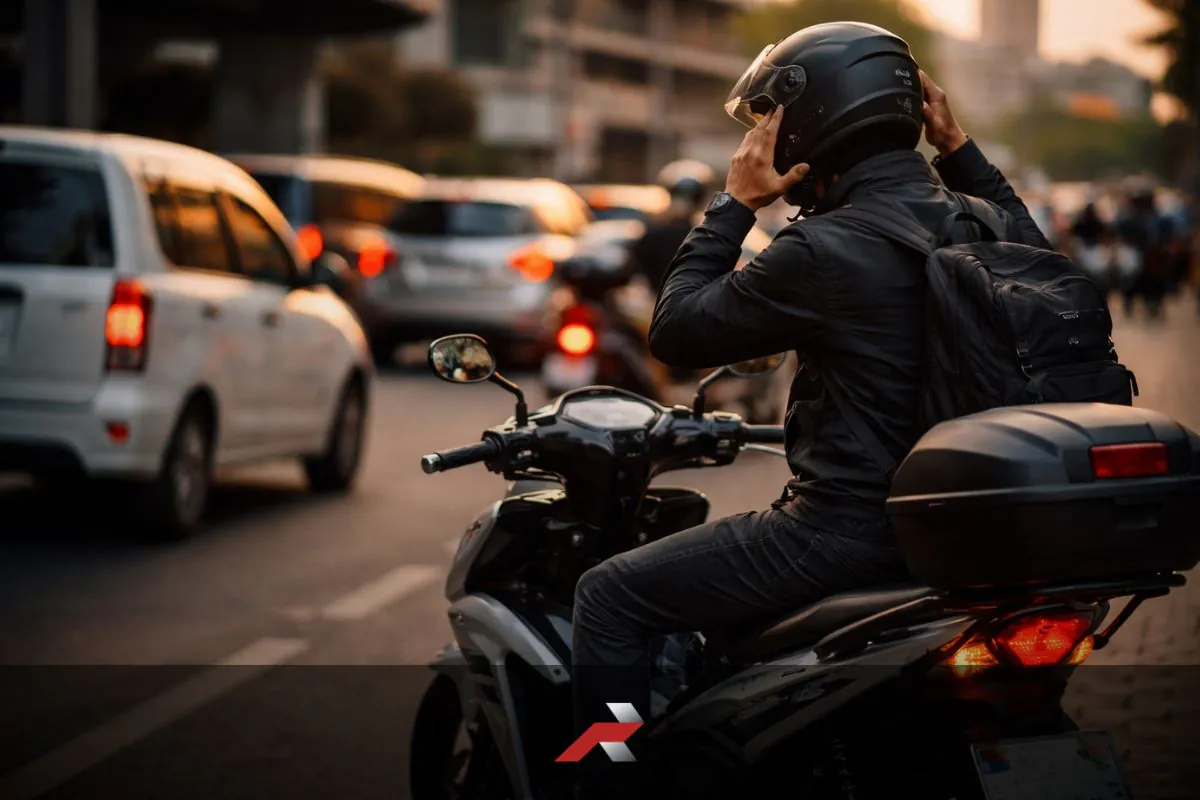
Motorcycle commuting often feels like the smartest move in traffic heavy cities. It cuts through congestion, saves fuel, and keeps travel time predictable. Over months and years, though, the routine exposes real trade offs. Heat, weather, maintenance cycles, and physical fatigue slowly add up. This article looks at motorcycle commuting sustainability through daily use, not theory. It draws from real ownership habits, service realities, and riding conditions most people face. The goal is clarity, not persuasion. By the end, you should have a grounded sense of what holds up long term, what quietly wears you down, and where small decisions matter.
Motorcycle commuting sustainability often gets taken for granted. Many riders assume it stays efficient as long as the bike runs and traffic keeps moving. That belief holds early on, when filtering feels easy and fuel costs stay low. Over time, though, the question becomes whether motorcycle commuting still works the same way after months of repetition.
Stop and go riding, road heat, rain exposure, and service intervals start shaping the experience. The bike still moves fast, but the rider absorbs more than expected. These insights come from regular use in dense traffic, not weekend rides or spec sheets.
If you are weighing long term use, this breakdown helps you spot patterns early and make better ownership calls. The context here reflects everyday riding conditions in the Philippines, once only, so the rest stays practical and focused.
At first, commuting by motorcycle feels freeing. You filter through traffic. You park anywhere. You get home faster. After several months, the ride becomes a routine instead of a thrill.
Heat is the first change most riders notice. Sitting still between vehicles raises engine temperature and rider fatigue. Even with proper gear, sweat and tension build faster than expected. Rain brings another layer. Wet roads slow pace and increase mental load.
Maintenance also stops being abstract. Tires flatten at the center. Chains stretch faster. Brake pads wear unevenly. None of these are failures. They are signs of regular use.
This is where motorcycle commuting sustainability shows up. The bike handles it. The question becomes whether the routine still fits your energy, time, and budget without cutting corners.
Early in ownership, a real-world ownership situation helps frame this mindset shift, as seen in a practical riding reference that looks at whether motorcycle ownership still makes sense in today’s conditions.
Sustainability does not arrive all at once. It appears quietly in patterns you notice after weeks of similar routes. This is where motorcycle commuting sustainability becomes visible, not in theory but in repetition.
Fuel consumption often changes first. Short bursts, idle heat, and frequent acceleration reduce efficiency. Riders rarely track this closely until refueling feels more frequent, especially during heavy traffic cycles.
Service timing becomes less forgiving. Missed intervals show consequences faster when the bike runs daily. Small issues, like rough idle or delayed throttle response, become harder to ignore under constant use.
Comfort also shifts. Seats feel firmer. Wrists carry more load. Helmets feel heavier in heat. None of this means the setup is wrong. It shows how motorcycle commuting sustainability depends on how the bike and rider age together during real traffic conditions.
The earliest pressure points tend to be physical. Lower back tension, knee stiffness, and neck strain creep in. These are not injuries. They are signals.
Next comes scheduling. Service visits eat into workdays. Parts availability affects downtime. A one day delay matters more when the bike is your primary transport.
Lastly, attention fatigue sets in. Navigating traffic daily sharpens awareness, but it also drains focus faster than expected.
After a service, ride the same route at a calmer pace once. Notice vibration, throttle feel, and braking response before returning to normal speed.
Some riders adapt without changing anything. Others adjust equipment, routes, or expectations. Neither approach is wrong.
Motorcycles excel at time efficiency. That benefit stays strong. The cost shows up elsewhere. More frequent tire changes. Shorter chain life. Increased reliance on trusted mechanics.
Weather exposure is another trade off. Riding through rain saves time but increases cleaning and inspection needs. Ignoring this speeds up corrosion and electrical wear.
A local comparison published by Visor PH often highlights how city use accelerates wear compared to mixed riding, especially for commuter-focused models. This context helps explain why identical bikes age differently based on use.
Motorcycle commuting sustainability improves when riders accept these trade offs early. Fighting them usually leads to frustration or skipped care.
Many riders assume a new bike fixes the problem. Sometimes it does not. Adjustments often matter more than replacement.
Seat padding, wind deflectors, or tire choice can ease fatigue. Route changes can reduce heat exposure. Service timing aligned with usage prevents breakdowns.
The decision is less about spending more and more about matching setup to reality.
| Aspect | Short Term Expectation | After Extended Use |
|---|---|---|
| Fuel use | Predictable | Slightly higher |
| Tire wear | Even | Center flattening |
| Service intervals | Flexible | Less forgiving |
| Comfort | Easy | Needs adjustment |
| Downtime impact | Minor | Noticeable |
These shifts are normal. None signal failure. They simply reflect constant use.
After extended use, most riders report similar realizations. The bike stays reliable, but tolerance changes.
You become more selective with routes. Roads that once felt fine now feel draining. You learn which traffic windows cost less energy.
Maintenance conversations change too. Riders stop asking what is cheapest and start asking what lasts longer under heat and load.
A long-term ownership reference from RevZilla often echoes this shift, where commuter riders prioritize durability over performance numbers after sustained use.
Motorcycle commuting sustainability here becomes a balance between efficiency and preservation. You ride smarter to ride longer.
Skipping rest days is a big one. Riding daily without breaks compounds fatigue. Another is delaying minor fixes. Small vibrations grow into annoyances.
Some riders also underestimate mental load. Alert riding every day demands recovery, just like physical work.
Money is easy to track. Time is not. Service visits, cleaning, and part sourcing take hours. These hours matter more when the bike is essential, which is why motorcycle commuting sustainability often gets tested by schedules, not expenses.
Breakdowns rarely happen suddenly. They build from ignored signs. Each delay adds stress, especially when commuting depends on the bike being ready every morning.
Reliability remains strong for most machines. The rider experience determines whether that reliability feels stable or fragile. Over time, motorcycle commuting sustainability depends on whether ownership fits your daily rhythm without forcing compromises in work or rest.
When booking service, ask how your riding pattern affects part lifespan. Let the mechanic adjust intervals based on use, not calendar dates.
Yes, if service timing and expectations match daily use demands.
Heat accelerates wear, but regular inspection offsets most risks.
Usually yes, though gains shrink with heavy stop and go riding.
They show wear sooner, but reliability remains similar with care.
Having options reduces stress during service or unexpected downtime.
Keeping a commuter bike running smoothly longer reduces the cycle of early part replacements that most riders never plan for.
RobiMotoPH
Motorcycle commuting sustainability is less about the machine and more about rhythm. The bike adapts well. The rider adjusts slowly.
When expectations match reality, the routine stays workable. When they do not, frustration grows quietly. Seeing the full picture helps you decide what to tweak, accept, or change.
For those thinking long term, this broader riding perspective shaped by everyday commuter choices reflects how different motorcycles fit different routines over time.
Clarity makes the ride lighter, even when traffic stays heavy.