Skip to content
Contact & Community
📍 Metro Manila, Philippines
🌐 robimotoph.com
✉️ hello@robimotoph.com
📱 +63 917 517 0594
📍 Metro Manila, Philippines
🌐 robimotoph.com
✉️ hello@robimotoph.com
📱 +63 917 517 0594

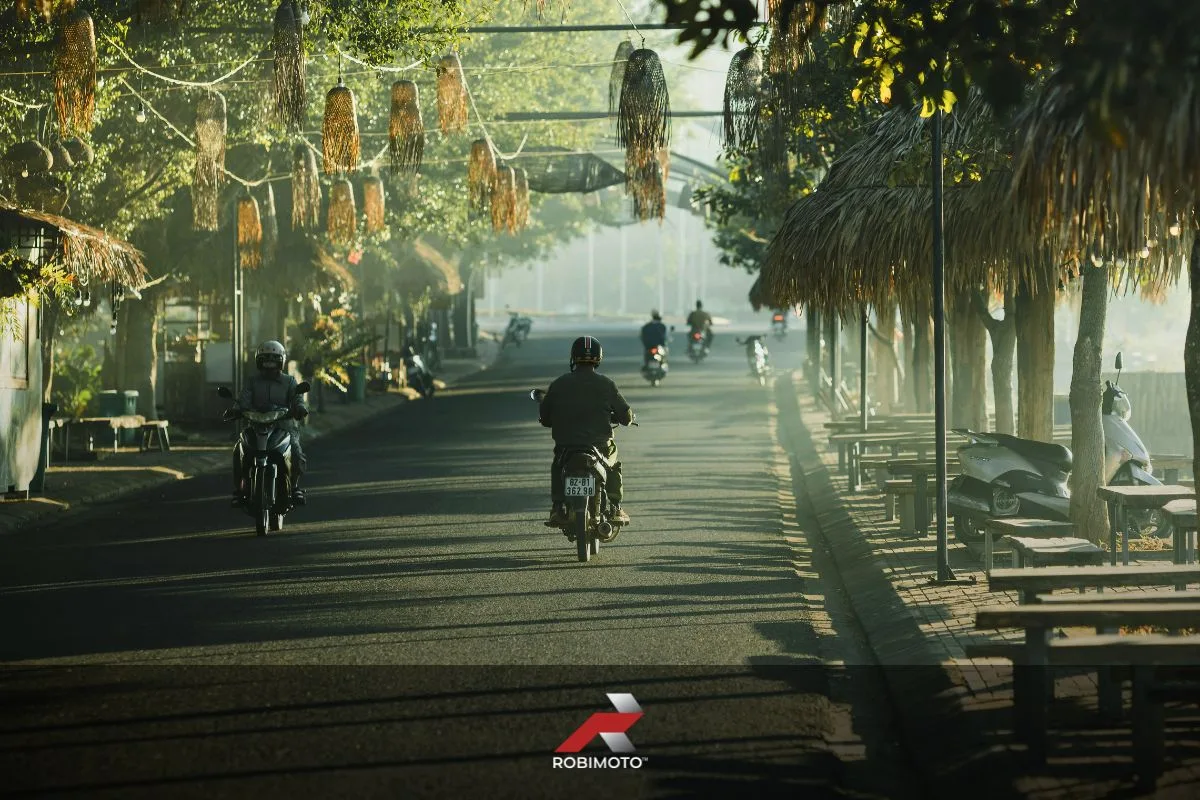
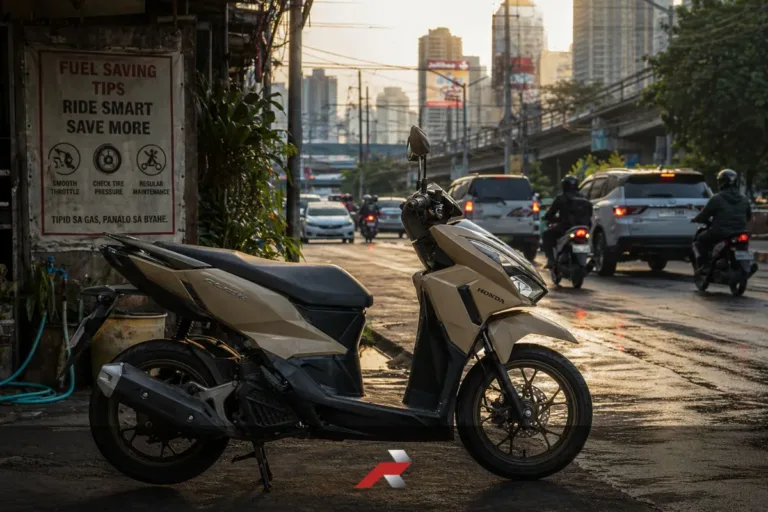
Many riders assume daily motorcycle use is automatically cheaper. Fuel costs are lower, parking is easier, and traffic feels more manageable. But once daily riding becomes routine in Philippine cities, the real picture starts to show. Maintenance comes more often. Gear becomes necessary. Weather, fatigue, and focus add hidden costs. While motorcycles can save money compared to cars, the savings are not automatic or the same for everyone. Time, effort, and riding habits matter as much as fuel expenses. Daily motorcycle riding is cheaper only when expectations are clear and decisions are based on real-world use in everyday Filipino commuting.
Many riders assume daily motorcycle riding is cheaper, especially for commuting. Fuel costs are lower, parking is easier, and traffic moves faster. On paper, the math looks simple.
But once you ride daily in Philippine city traffic, the story changes fast. This is especially true when the commute becomes routine instead of novelty. Daily motorcycle riding may sound cheaper, until you start counting what actually happens on the road.
Before riding daily, expectations are usually clear. Lower fuel cost, faster trips, and less stress. Some of that does hold true. Motorcycles consume less fuel than cars in city traffic, and that difference is noticeable almost immediately.
However, after a few weeks, other costs start showing up. Not always in obvious ways. Oil changes come sooner than expected. Tires wear faster on rough roads. Small expenses begin appearing more frequently, even if each one feels manageable on its own.
This does not make daily riding a mistake. It simply makes it more realistic.
Daily riding is not just about money. It affects energy, focus, and routine.
In a car, fuel costs more, but you get shade, seating, and protection. On a motorcycle, movement is cheaper, but exposure comes with it. Heat, rain, and pollution become part of the ride.
Sudden rain slows your pace. Flooded roads force detours. Traffic requires constant attention. This is not a complaint. This is the daily reality that regular riders quietly adapt to.
Most conversations stop at fuel savings. That is only part of the picture.
Motorcycle maintenance is cheaper than car maintenance, but it happens more often. Oil, chain care, brake pads, and tires are small costs repeated regularly. Parking is usually cheaper, but not always free. Gear often starts as optional and later becomes non-negotiable.
Compared to car ownership, total expenses stay lower. Still, daily riding is never cost-free.
Many riders only fully understand this after real ownership experience. A deeper breakdown of long-term riding costs is discussed in Is Motorcycle Ownership Still Worth It in 2026? A Real-World Review for Filipino Riders, which looks at the realities of daily riding expenses.
This is where the conversation shifts. Time becomes the real currency.
Motorcycles move while cars wait. That difference adds up quickly. Less time stuck in traffic means more control over your schedule, earlier arrivals, and shorter commutes.
However, that time saving has a cost. Riding demands awareness every single day. Mental focus and physical effort are part of the exchange. Not everyone wants that trade, and that is okay.
Daily riding reshapes behavior over time. Routes become intentional. Timing becomes strategic. Riders avoid certain roads and learn which hours feel safest or least stressful.
Some days, riding feels right. Other days, commuting makes more sense. This is not inconsistency. It is adaptation. Daily motorcycle riding cheaper only works when habits evolve with experience.
“It’s still cheaper than driving.”
“At least I’m not stuck in traffic.”
“I control my time better.”
“I save fuel every week.”
None of these statements are wrong. They are just incomplete. They rarely include fatigue or risk. Daily motorcycle riding cheaper works on paper, but real life introduces more variables.
After a year or two, patterns become clear. Wear and tear becomes predictable. This is not because the motorcycle is weak, but because daily use is demanding.
Based on reports from long-term ownership studies and rider data, motorcycles used daily require more frequent attention than weekend bikes. That is not a flaw. It is usage reality. This is why maintenance discipline matters. Skipping care is never cheaper in the long run.
The motorcycle does not get tired. The rider does.
Daily traffic demands focus. Mistakes have consequences. Night rides feel heavier. Rush hour requires patience. Some riders choose to ride only in the morning and commute home instead.
This is not quitting. It is sustainability. The goal is to arrive safely, not to prove a point.
So, is daily motorcycle riding cheaper? In many cases, yes. But it is not automatic, and it is not the same for everyone.
It depends on where you ride, how often you ride, and what you include when you say “cheaper.” Daily motorcycle riding cheaper works best with clear expectations and lasts longer when based on real use instead of assumptions.
Some transportation studies on fuel economy and driving habits also explain that real-world conditions often reduce the efficiency riders expect.