Skip to content
Contact & Community
📍 Metro Manila, Philippines
🌐 robimotoph.com
✉️ hello@robimotoph.com
📱 +63 917 517 0594
📍 Metro Manila, Philippines
🌐 robimotoph.com
✉️ hello@robimotoph.com
📱 +63 917 517 0594

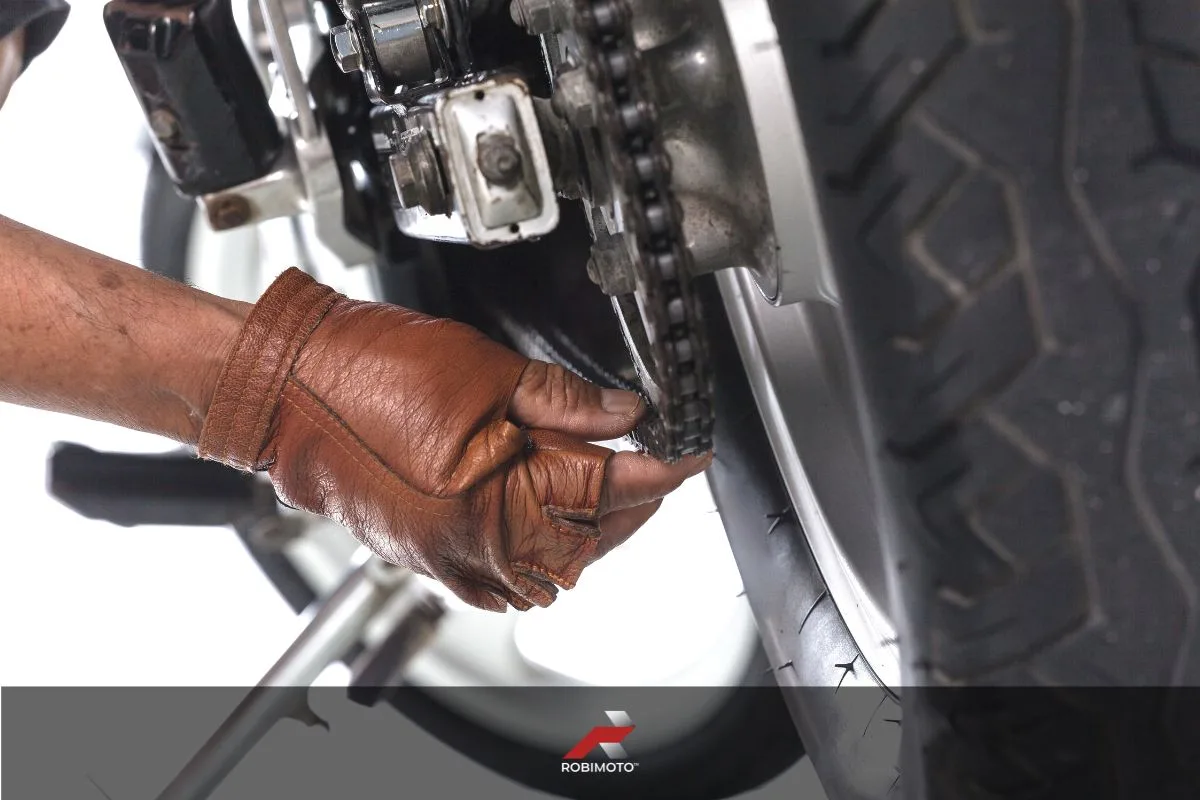
Maintaining your Kawasaki Dominar 400 chain is simple but essential. With proper cleaning, lubrication, and tension checks, riders can extend chain life and avoid costly problems. Here’s a straightforward guide you can follow.
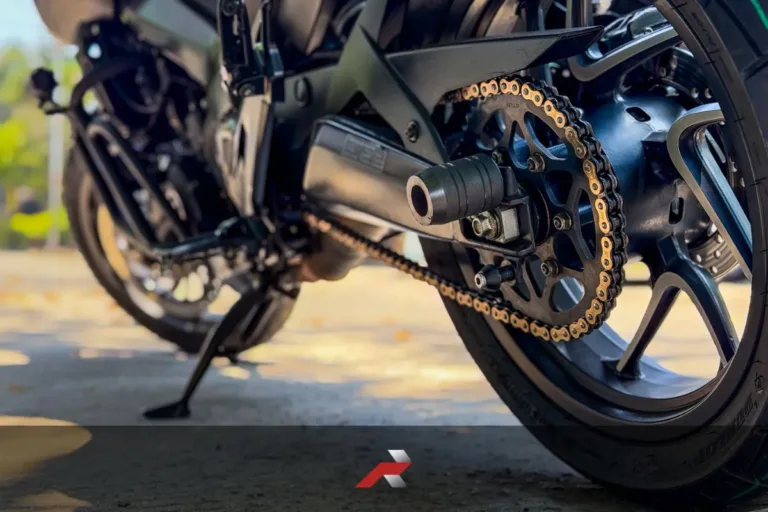
Kawasaki Dominar 400 chain maintenance is one of the most important habits for riders to master. Even the best D.I.D. upgrade will fail if neglected. For Dominar 400 owners, maintenance isn’t optional; it’s the difference between smooth rides and unexpected repairs.
The debate between stock and aftermarket chains often overshadows the basics, but as discussed in the Kawasaki Dominar 400 chain debate, rider priorities vary. Some value affordability, while others prefer the long-term assurance of a D.I.D. chain. Regardless of side, proper care is what keeps any chain reliable.
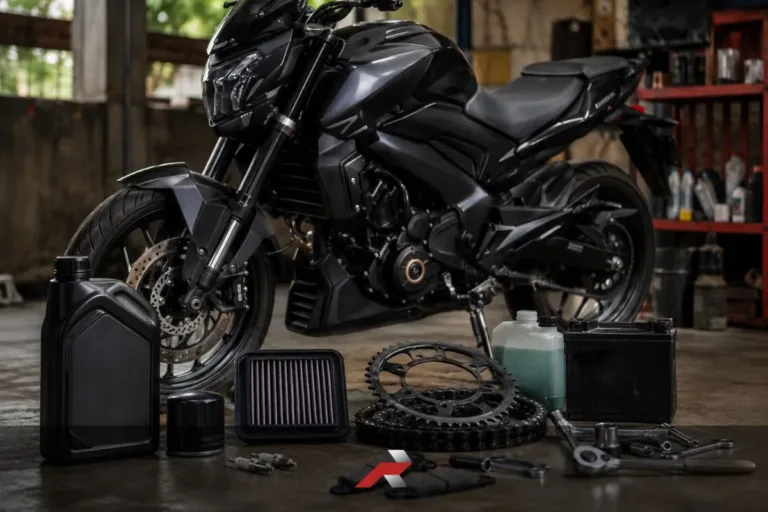
Chain care is important, but it should be checked together with other wear items. This Dominar 400 maintenance parts list can help riders review the full PMS checklist, including sprockets, brake pads, battery, coolant, filters, and spark plugs.
The first step in keeping your chain reliable is cleaning. Dust, grit, and road grime cause wear faster than most riders expect. As explained in this Motorcycle Maintenance Guide, routine cleaning protects not just the chain but the entire drivetrain system. Every 500–700 km, or after riding in rain, wash the chain with a mild cleaner. Avoid harsh solvents that strip lubrication.
Use a proper chain brush and rotate the wheel slowly while scrubbing. Rider forums often stress that frequent cleaning is the number one way to prevent early stretching, especially in Metro Manila’s dusty conditions.
After cleaning, lubrication is critical. A dry chain generates heat, friction, and rapid wear. For the Dominar 400, always lubricate right after cleaning and allow it to settle before riding again.
According to manufacturer chain maintenance guidelines, proper lubrication reduces metal-to-metal friction, prevents corrosion, and extends overall chain and sprocket life. This becomes even more important in humid climates like the Philippines, where moisture accelerates rust formation. Many experienced riders apply lubricant every two weeks or immediately after heavy rain.
Incorrect tension is one of the most common mistakes riders make. A chain that’s too tight strains the sprockets, while one that’s too loose risks skipping. The Kawasaki Dominar 400 manual specifies exact slack, but a monthly check helps keep the drivetrain operating safely.
Industry discussions about modern motorcycle engine and drivetrain design principles often highlight how proper alignment and mechanical balance influence reliability and power delivery. When chain tension is set correctly, it allows the drivetrain to transfer power efficiently while reducing unnecessary stress on sprockets and internal components.
Riders who ignore chain tension often end up replacing both chain and sprockets much earlier than necessary.
Don’t wait until the chain fails. Watch for these warning signs:
Riders who encounter these issues often move toward replacement. In the Motorcycle Chain Guide for the Kawasaki Dominar 400, many reported that switching to D.I.D. chains combined with consistent maintenance reduced these problems significantly.
The Kawasaki Dominar 400 chain maintenance routine doesn’t require expensive tools, just discipline. Cleaning every 500–700 km, lubricating regularly, and adjusting tension monthly adds years to your chain’s life.
This practical approach also bridges both sides of the chain debate. Whether you stick with stock or prefer D.I.D., proper maintenance is the equalizer that keeps your bike safe and your wallet protected.
Maintenance isn’t complicated. What matters is consistency. Riders who take time for regular chain care enjoy smoother rides, avoid breakdowns, and get more value from their Dominar 400. During the wet months, extra attention becomes even more important, as explained in this rainy season chain care guide, where moisture and road grime accelerate wear.
What about you? How do you maintain your chain, and how has it helped your rides?