Skip to content
Contact & Community
📍 Metro Manila, Philippines
🌐 robimotoph.com
✉️ hello@robimotoph.com
📱 +63 917 517 0594
📍 Metro Manila, Philippines
🌐 robimotoph.com
✉️ hello@robimotoph.com
📱 +63 917 517 0594

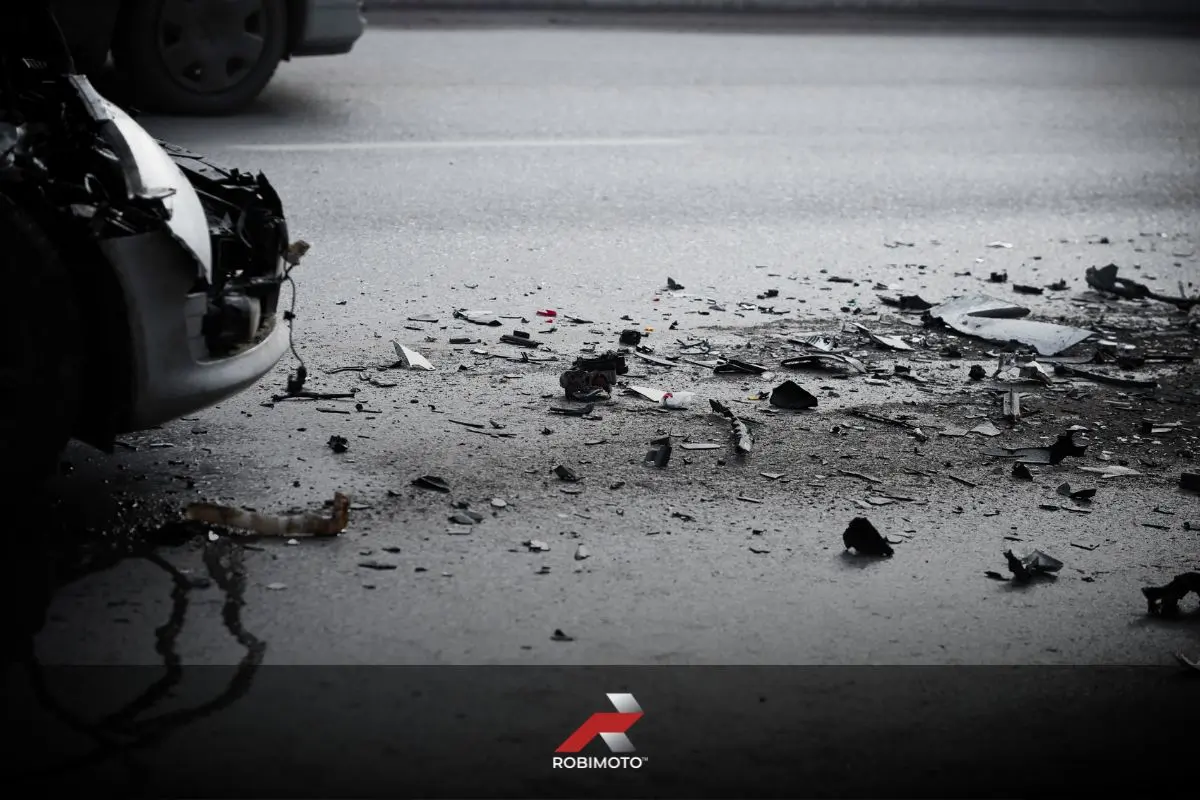
Marilaque accident incidents continue to trend due to risky riding, overshooting curves, and treating public roads like racetracks. This article explains why accidents happen, who is affected, and what riders can do to prevent tragedy. It discusses legal responsibility, social media influence, and the importance of separating track riding from public road use. Written as a safety editorial, this guide aims to promote accountability, education, and respect for all road users.
The term marilaque accident has become a recurring search among Filipino riders and motorists. Almost every few months, the keyword trends again. Each time, it is linked to photos of damaged vehicles, injured riders, shaken drivers, and families suddenly pulled into stress they never signed up for. While many people treat these incidents as viral content, the reality behind a Marilaque accident is far more serious.
Marilaque Highway is not just a popular riding destination. It is a public road used by workers, families, delivery riders, and tourists. Every accident that happens there affects more than just the rider involved. This article aims to explain why Marilaque accidents keep happening, who is affected, what the law says, and what riders can do to prevent the next tragedy.
This is not about shaming. This is about responsibility.
Marilaque Highway connects Marikina, Rizal, Laguna, and Quezon. It is known for long curves, elevation changes, and scenic views. These same features that attract riders also make it dangerous when treated like a racetrack.
Several factors contribute to the frequency of Marilaque accidents:
Many riders underestimate how quickly conditions can change. A clean curve in the morning can become slippery by noon. A quiet stretch can suddenly have a slow moving vehicle ahead.
A public road does not forgive mistakes the way a controlled track does.
Understanding patterns helps prevent repetition. Based on reports, posts, and eyewitness accounts, most Marilaque accidents fall into a few categories.
This is the most common. Riders enter a curve too fast, panic mid-turn, and straighten the bike instead of leaning properly. The motorcycle then crosses into the opposite lane or exits the road.
Wet leaves, sand, or oil reduce grip. Sudden braking while leaned over causes the front or rear to slide.
Some riders attempt knee dragging, wheelies, or aggressive cornering. These actions leave no margin for error.
Cars and trucks using the opposite lane often have no time to react. Even if the rider is at fault, the driver becomes part of the accident.
Long rides and repeated runs up and down the mountain lead to slower reaction times and risky decisions.
A Marilaque accident does not end at the crash site.
Under Philippine law, drivers involved in road accidents may still face investigation even if they did nothing wrong. They lose time, money, and peace of mind. Some are breadwinners who suddenly cannot work while legal matters are resolved.
Based on a report from Top Gear Philippines, road accidents often lead to prolonged legal and financial stress for drivers, regardless of fault.
An injured or deceased rider leaves behind parents, partners, and children who must deal with hospital bills, emotional trauma, and long-term consequences.
Every viral Marilaque accident damages the reputation of responsible riders. Calls for stricter enforcement grow louder. Access restrictions become more likely.
This truth cannot be repeated enough.
Race tracks have:
Marilaque has:
Riding fast on public roads does not prove skill. It proves risk tolerance.
Many experienced riders who now ride responsibly admit they once made the same mistakes. Growth comes from learning, not repeating.
Many riders assume that if they crash on their own, no one else is affected. This is not always true.
Under Philippine law:
A reckless decision can pull an innocent person into months of stress.
This is why riding responsibly is not just a personal choice. It is a public obligation.
The way Marilaque accidents spread online often removes context.
Photos are shared without explanation. Videos are clipped without showing what led to the crash. Comment sections turn into blame games or mockery.
This culture normalizes danger. Worse, it encourages others to chase attention instead of skill.
Based on a report from Visordown, social media glorification of risky riding contributes to copycat behavior and distorted perceptions of control.
Real riding skill is boring on camera. It looks smooth, controlled, and uneventful.
Calling riders “kamote” may feel satisfying, but it rarely solves anything.
Most riders who crash did not wake up wanting to hurt someone. Many simply lacked:
Education works better than ridicule. Clear boundaries work better than insults.
Accountability still matters. But accountability without learning just repeats the cycle.
Respect Speed Limits and Conditions
Ride within visibility limits. If you cannot see the exit of the curve, you are too fast.
Separate Track Riding From Road Riding
If you want to push limits, go to the track. Track days exist for a reason.
Ride With the Right Group
Choose riding buddies who prioritize safety, not clout.
Invest in Training
Advanced riding courses teach cornering, braking, and hazard management in a controlled environment.
Know When to Stop
Fatigue leads to mistakes. Pride keeps riders going.
If you want to understand how riding behavior, mechanical condition, and electrical reliability affect safety, you may also want to read Engine Kill on Dominar 400: Causes, Fixes, and How to Prevent It.
Because the area combines technical roads with high rider traffic and social media exposure.
It is dangerous when treated like a racetrack. Used responsibly, it is simply a public highway.
No. Many accidents involve cars, trucks, and other road users.
Yes. Reckless driving can lead to criminal and civil consequences.
Every Marilaque accident follows a familiar pattern. Confidence turns into complacency. Speed replaces judgment. One mistake changes multiple lives.
Enjoy riding. Push limits. Improve skills.
But do it in the right place, at the right time, and with respect for everyone who shares the road.
No curve is worth a life. No clip is worth a family’s grief.