Skip to content
Contact & Community
📍 Metro Manila, Philippines
🌐 robimotoph.com
✉️ hello@robimotoph.com
📱 +63 917 517 0594
📍 Metro Manila, Philippines
🌐 robimotoph.com
✉️ hello@robimotoph.com
📱 +63 917 517 0594

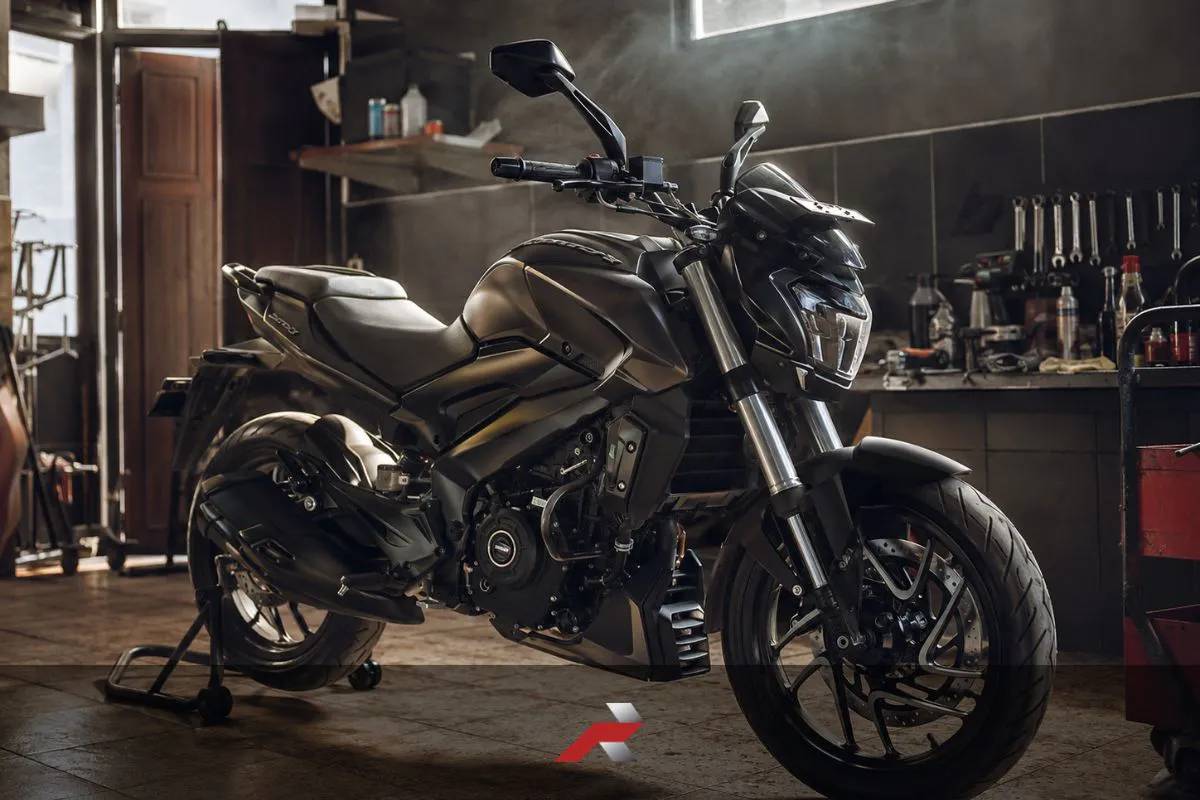
Big bike oil life in the Philippines depends on more than mileage. Traffic, heat, idle time, short trips, rain, and dusty roads can affect how long engine oil stays effective. A motorcycle used daily in Metro Manila traffic may experience more oil stress than a bike used mainly on open expressways. This guide explains why local riding conditions matter, what warning signs riders should watch for, and when an earlier oil change may be the smarter choice.
Big bike oil life can become shorter in the Philippines because many riders deal with traffic, heat, idle time, short trips, rain, and inconsistent road conditions. Even when mileage looks low, the engine may already be working hard through repeated heat cycles and slow-moving rides.
This is the part many riders miss. The odometer only shows distance, not the full story of engine stress. It cannot show how long the engine stayed hot while the bike crawled through traffic. Cooling fan activity, idle time, and repeated acceleration also stay hidden from the mileage reading.
In Philippine riding, that matters. A big bike used in Metro Manila, Cebu, Davao, or other busy city areas may spend more time managing heat than building mileage. That does not mean the oil becomes useless right away. But it does mean riders should not treat mileage as the only signal.
For big bike owners, oil life depends on both distance and stress. Riders should also check whether their oil meets motorcycle-specific standards, such as JASO motorcycle oil standards, especially when the bike uses a wet clutch system. A 3,000-kilometer interval on open roads is not the same as 3,000 kilometers of traffic, short trips, and heat soak.
| Local Condition | Effect on Oil Life | Rider Response |
|---|---|---|
| Heavy traffic | More idle heat | Inspect earlier |
| Short trips | More heat cycles | Watch time and mileage |
| Tropical heat | Higher operating stress | Avoid stretching intervals |
| Rainy season | More inspection needs | Check after wet rides |
| Dusty roads | More overall maintenance load | Keep PMS consistent |
Traffic is one of the biggest reasons Filipino riders should pay attention to oil life. Big bikes often produce more heat than smaller commuter motorcycles. When traffic slows down, airflow drops. The engine stays hot, but the bike barely moves.
This is common on roads like EDSA, C5, Commonwealth, Ortigas, Alabang-Zapote, McArthur Highway, and many city routes outside Metro Manila. The ride may be short on paper, but the engine may spend a long time running under heat.
That kind of use can make oil work harder. Engine oil helps reduce friction, carry heat, and protect moving parts. When the bike spends more time hot and slow, the oil carries more of that burden.
Idle time is tricky because it hides from the odometer. A rider may say, “Konti pa lang tinakbo,” but the engine may have been running for a long time. This is why a purely mileage-based oil change habit can become misleading.
A 10-kilometer ride that takes one hour in traffic is different from a 10-kilometer ride on a clear road. The distance is the same, but the engine experience is not.
Rider Insight:
Oil does not care only about kilometers. It also responds to heat, time, and how hard the engine works while the bike is barely moving.
The Philippines has warm weather most of the year. Add traffic, road heat, protective riding gear, and slow-moving routes, and big bike ownership becomes a different kind of maintenance reality.
Tropical heat does not automatically destroy oil fast. That would be an exaggeration. But it does reduce the margin for lazy maintenance. Riders who often deal with hot rides, city routes, and long idle time should stay closer to conservative oil change intervals.
This is where local judgment matters. The manual gives the baseline. Philippine riding conditions tell you when to tighten your schedule.
For riders who want the broader maintenance baseline first, the main guide on big bike oil change timing should be the starting point. This supporting article explains why local conditions may require earlier attention.
Metro Manila traffic can shorten practical big bike oil life because the engine spends more time hot, slow, and under repeated stop-and-go stress. Even when the mileage stays low, idle time, clutch use, heat soak, and short-distance riding can make earlier oil checks more useful.
This is why riders should not judge oil life by kilometers alone. A big bike used in traffic may spend more time running than the odometer suggests. The bike may only travel 15 kilometers, but if the ride takes one hour, the engine has already gone through a long heat cycle.
For many Filipino riders, this is normal. Office rides, errands, night traffic, weekend tambike routes, and city fuel stops can all add stress without adding much mileage. It does not mean every ride is damaging the engine. It simply means traffic-heavy use deserves a more careful maintenance schedule.
| Traffic Situation | What Happens | Maintenance Response |
|---|---|---|
| Long idle time | Heat builds while mileage stays low | Check oil condition earlier |
| Stop-and-go roads | Repeated acceleration and clutch use | Watch shifting feel |
| Short city rides | More heat cycles, less steady running | Use time and mileage together |
| Hot afternoon rides | Higher heat load | Avoid stretching PMS |
| Daily commute | Repeated stress pattern | Keep consistent service records |
Stop-and-go riding puts more practical stress on oil because the engine repeatedly moves between idle, low speed, acceleration, and braking. This riding pattern is common in Metro Manila traffic, especially during rush hour.
A big bike may feel powerful enough to handle it, but the engine still works in a tight heat zone. Cooling fans may run often. The rider may use the clutch repeatedly. The engine may stay hot even while the bike barely moves.
This type of riding does not always look serious on paper. The mileage may seem low. But the stress pattern is real. Over time, riders may notice rougher shifting, stronger heat feel, or faster changes in oil condition.
For traffic-heavy riders, a conservative oil change schedule makes more sense than waiting for the longest possible interval.
Short trips can affect oil life because the engine may not stay at a stable operating rhythm long enough. A quick ride to the office, nearby café, shop, or gas station may seem easy, but repeated short rides can add many heat cycles.
Heat cycles happen when the engine warms up, cools down, then warms up again. This pattern matters more when the bike is used often for short distances. The engine works, but the ride may end before everything settles into a smoother running condition.
This is common for riders who use big bikes for nearby errands or short weekday rides. It is also common for weekend owners who start the bike, ride briefly, then park it again.
Rider Insight:
Short rides are not always “light use.” When repeated often, they can create more oil stress than one smooth longer ride.
Daily commuting adds consistency to the stress. One difficult ride may not matter much. But the same route, same traffic, same heat, and same idle time repeated for weeks can affect oil life.
This is where PMS records become useful. Riders should track the date, mileage, oil used, and any changes in shifting or engine feel. That record helps separate real patterns from random impressions.
For daily big bike users, the practical habit is simple:
Daily riders do not need to panic over every traffic jam. But they should avoid pretending that city use is the same as smooth expressway riding. In the Philippines, traffic is part of the maintenance story.
Rainy season and rough road conditions can affect big bike oil life indirectly by increasing the need for inspection and consistent maintenance. Water, mud, dust, flooded roads, and road grime may not enter the engine easily, but they can expose leaks, worsen neglect, and make post-ride checks more important.
This is important for Filipino riders because rain can change a normal ride quickly. A clear morning can turn into wet roads by afternoon. A short city route can include puddles, road repairs, mud patches, and flooded sections. Even if the engine oil remains sealed inside the engine, the motorcycle still faces harsher conditions overall.
Rainy rides also make riders more likely to ignore small checks after getting home. Pagod ka na, basa ka pa, tapos gusto mo na lang maligo at magkape. Gets. But this is where small inspections matter.
| Rainy Season Factor | Possible Effect | Rider Action |
|---|---|---|
| Flooded roads | May expose leaks or weak seals | Inspect after the ride |
| Road grime | Builds up around engine areas | Clean and check visible parts |
| Mud and dust | Adds overall maintenance load | Keep PMS consistent |
| Wet storage | Can increase moisture concerns | Avoid long damp parking |
| Heavy rain rides | Makes problems harder to notice | Recheck oil level and leaks |
Water exposure does not automatically mean engine oil is damaged. A properly sealed engine should protect the oil from normal rain. However, repeated wet rides, poor storage, pressure washing near sensitive areas, or existing seal issues can create problems over time.
This is why riders should check after heavy rain rides. Look around the engine, drain bolt, oil filter area, and lower parts of the motorcycle. If you see unusual leaks, milky-looking oil, or sudden oil level changes, do not ignore it.
Milky oil can be a warning sign of possible water contamination, although riders should avoid jumping to conclusions without proper inspection. If something looks unusual, have the bike checked by a trusted mechanic.
Dust, mud, and road grime do not usually change engine oil directly, but they affect the maintenance environment around the motorcycle. Dirt can hide leaks. Mud can cover bolts, filter areas, and lower engine parts. Road grime can make it harder to notice early signs of trouble.
This matters more during rainy season because wet dirt sticks. After a ride through rough roads, roadworks, or muddy sections, the bike may look fine from afar. But under the engine, around the belly area, and near the filter, dirt can hide useful clues.
A simple rinse and inspection can help. You do not need to over-detail the motorcycle after every ride. Just keep the important areas visible enough so you can spot leaks, loose parts, or unusual residue.
Rider Insight:
A clean motorcycle is not just for looks. It also makes problems easier to see before they become expensive.
Post-ride checks matter because many issues are easier to spot right after a wet or demanding ride. Oil leaks, loose bolts, strange smells, and unusual engine feel are often more noticeable while the ride is still fresh in your memory.
For rainy season riding, use a simple post-ride routine:
This habit does not replace proper servicing. It simply helps riders catch early signs before the next PMS. For big bikes, that matters because small neglect can become expensive quickly.
Rainy season should not scare riders away from using their motorcycles. But it should make them more disciplined. The goal is not to overreact after every puddle. The goal is to build a habit of checking the bike after conditions become harsher than normal.
Big bike oil life may be past its best when the motorcycle starts showing changes in shifting feel, heat behavior, oil level, smell, or engine smoothness. These signs do not always prove the oil is bad, but they tell riders to inspect the bike before the issue becomes harder to diagnose.
This matters because oil condition is not always visible from one quick look. Some oil naturally turns dark after use. Some engines feel hotter in traffic even when the oil is still within service life. That is why riders should avoid judging oil by one sign only.
The better method is pattern reading. If the bike is overdue for PMS, the shifting feels rough, the engine smells hotter than usual, and the oil level is low, that combination deserves attention.
| Warning Sign | What It May Suggest | What To Do |
|---|---|---|
| Rough shifting | Oil, clutch, or gearbox feel may have changed | Check PMS history |
| Higher heat feel | Traffic or oil condition may be involved | Inspect level and cooling behavior |
| Burnt smell | Possible overheated oil or residue | Check oil and leaks |
| Low oil level | Possible consumption or leak | Top up only with correct oil |
| Dark oil with symptoms | Possible overdue service | Schedule inspection |
| Unusual engine noise | Needs proper diagnosis | Do not ignore |
Rough shifting is one of the most common signs riders notice first. The gear changes may feel heavier, less smooth, or less consistent than usual. In motorcycles with shared engine, clutch, and gearbox oil, oil condition can influence shifting feel.
However, rough shifting does not automatically mean the oil is the only problem. It can also involve clutch adjustment, chain condition, rider input, transmission behavior, or normal heat during traffic. That is why the first step is to check the PMS record.
Ask these questions:
If rough shifting appears near the end of the oil change interval, it may be time to inspect or replace the oil. If it appears right after PMS, check if the correct oil specification was used.
Higher engine heat feel can be tricky because big bikes naturally run hot, especially in Philippine traffic. A hot engine does not automatically mean the oil is finished. But a sudden change in heat behavior is worth checking.
For example, if the same route suddenly feels hotter than usual, or the cooling fan runs more often than expected, inspect the motorcycle. Check oil level, coolant level if applicable, radiator condition, and visible leaks.
Oil helps manage friction and heat inside the engine. If the oil level is low or the oil is overdue, the engine may feel less smooth. Still, heat can also come from traffic, weather, radiator dirt, cooling system issues, or long idle time.
Rider Insight:
Do not diagnose oil condition by heat alone. Use heat as a warning signal, then check the full maintenance picture.
Dark oil does not always mean the oil is bad. Engine oil can darken as it cleans and carries contaminants. That is part of its job. The concern starts when dark oil appears together with burnt smell, rough shifting, low level, or overdue PMS.
A burnt smell can suggest excessive heat, oil residue, leaks near hot parts, or oil that has been pushed too long. Riders should inspect carefully before assuming the cause.
Check these areas:
If the oil looks unusual, smells burnt, or feels gritty, get the bike checked. Do not keep riding hard just because the engine still starts. Big bikes are tough, but they are not immune to neglect.
Low oil level is one of the clearest reasons to stop guessing and inspect the bike. Oil level can drop because of leaks, oil consumption, incorrect filling, or service errors. Whatever the cause, a low level should not be ignored.
Check oil level using the method in your owner’s manual. Some bikes require the motorcycle to be upright. Others have specific warm-up or waiting instructions. Checking the wrong way can give a false reading.
If the oil level is low, do not simply pour in random oil. Use the correct viscosity and specification. Mixing unknown oil is better avoided unless it is an emergency and you need to prevent damage.
If leaks appear after PMS, check the filter, drain bolt, crush washer, and surrounding areas. A small drip can become a bigger issue once the engine heats up and oil pressure rises.
The strongest warning sign is not one symptom. It is overdue PMS combined with several changes. If the bike is already past the planned interval and begins shifting rougher, smelling hotter, or showing low oil level, schedule service.
This is where maintenance records help. Without records, every symptom becomes a guessing game. With records, you can quickly see if the bike is near its interval, overdue, or showing a new issue after recent service.
A simple rule works well:
| Situation | Best Response |
|---|---|
| Fresh oil, normal feel | Keep monitoring |
| Near interval, slight roughness | Plan service soon |
| Overdue, rough shifting | Schedule oil change |
| Low oil level | Inspect before riding far |
| Leak visible | Check immediately |
| Burnt smell with symptoms | Avoid hard riding until inspected |
Warning signs should not create panic. They should create discipline. A rider who notices small changes early can prevent bigger problems later.
Filipino big bike riders should adjust oil change habits based on how the motorcycle is actually used. Heavy traffic, frequent short trips, high heat, rainy rides, and long touring can justify earlier inspection. The manual remains the baseline, but local riding conditions should shape the final schedule.
This does not mean every rider must change oil early. That can become wasteful and expensive. The smarter approach is to group riders by real use. A daily city rider, weekend rider, and long ride rider do not stress oil in the same way.
For this supporting article, the main point is simple: big bike oil life should match riding conditions. The goal is not to scare riders into over-maintenance. The goal is to prevent blind interval stretching, especially when the bike works harder than the odometer shows.
| Rider Type | Oil Life Risk | Practical Adjustment |
|---|---|---|
| Heavy city rider | Higher | Inspect earlier and stay conservative |
| Weekend rider | Time-related | Use calendar-based checks |
| Long ride user | Distance and heat | Check before and after major rides |
| Rainy season rider | Inspection-related | Watch leaks, grime, and moisture signs |
| Hard rider | Heat and shear stress | Shorten interval when used aggressively |
Heavy city riders should stay closer to conservative oil change intervals because traffic adds heat, idle time, and repeated clutch use. This applies to riders who regularly pass through Metro Manila traffic, city centers, business districts, or congested routes.
A daily 15 to 30-kilometer ride can look light on mileage. But if the trip takes a long time because of traffic, the engine may be working harder than the distance suggests.
For heavy city use, a practical routine includes:
This is where many riders need honesty. If your big bike spends more time crawling than cruising, your oil change schedule should reflect that.
Weekend riders should pay attention to time because mileage may not build quickly. A bike used only for Sunday rides, breakfast runs, tambike nights, or occasional events may look fresh on the odometer even after months of storage.
Oil still ages while sitting inside the engine. Moisture, heat cycles, and repeated short starts can affect the bike over time. This is why a 6-month check is practical for low-mileage owners.
Weekend riders should also avoid starting the motorcycle often without riding it properly. Short warm-ups may feel like care, but they can create heat cycles without giving the engine a full ride.
Rider Insight:
For weekend bikes, low mileage can hide old oil. The calendar matters when the odometer moves slowly.
Long ride users should inspect oil before and after major rides. A big bike used for Baguio, Bicol, Baler, La Union, Marilaque, Quezon, Batangas, or multi-day routes may face heat, distance, luggage, rain, and provincial road conditions in one trip.
If the bike is already near its interval, change oil before the ride. This is especially true if the route includes long climbs, heavy traffic near towns, or loaded touring.
Before a major ride, check:
| Checkpoint | Why It Matters |
|---|---|
| Oil level | Confirms the bike is safe to ride |
| Last PMS date | Shows if oil is aging |
| Mileage since oil change | Tracks interval |
| Filter replacement | Confirms service completeness |
| Leaks | Prevents bigger roadside issues |
| Shifting feel | Helps spot early changes |
After the ride, check again. You do not always need to change oil after a long ride. But you should inspect the bike while the experience is fresh.
Rainy season riders should focus on inspection rather than panic. Normal rain should not ruin engine oil in a properly sealed engine. But wet rides can expose leaks, hide grime, and make neglected maintenance more obvious.
After heavy rain, riders should check the drain bolt area, oil filter area, lower engine case, and floor under the bike. If the oil level drops, oil looks strange, or a leak appears, inspect before riding far.
A simple post-rain habit helps:
This is not overthinking. This is basic ownership discipline, Philippine edition.
Hard riders should shorten intervals when the motorcycle is repeatedly used under higher stress. This includes aggressive acceleration, frequent high rpm, mountain riding, track use, fast expressway pacing, and heavy engine braking.
High-performance riding increases heat and stress inside the engine and gearbox. If the motorcycle shares oil with the clutch and transmission, the oil works even harder.
For hard riders, the smart move is not to wait until the oil feels bad. Plan maintenance around usage. If the bike was ridden harder than usual for several weeks, inspect earlier.
A rider who enjoys performance should also respect maintenance. Power is fun. Repairs are not.
Big bike oil life in the Philippines should be judged by real riding conditions, not mileage alone. Traffic, heat, short trips, rainy rides, idle time, and hard use can all change how soon riders should inspect or replace engine oil.
The owner’s manual should still be the baseline. It gives the official service interval, oil grade, oil quantity, and filter schedule for your specific motorcycle. After understanding oil life, riders should also review choosing the right oil type for big bikes before their next PMS. But local conditions should guide how conservative you become with maintenance.
For Filipino riders, the practical rule is simple: if the bike works harder than the odometer shows, inspect earlier. This applies to motorcycles used in daily traffic, short city routes, hot weather, long rides, and repeated stop-and-go riding.
Philippine riding conditions are not always gentle. A short ride can still involve one hour of heat, clutch use, and idle time. A weekend ride can include rain, dust, climbs, and traffic near town centers.
That is why big bike oil life should be treated as a real-world maintenance topic, not a fixed number copied from another rider.
A daily city rider may need a more conservative approach than a weekend expressway rider. A long ride user should check oil before and after major trips. A low-mileage owner should respect calendar time.
The best schedule is the one that matches your actual riding pattern.
Rough shifting, burnt smell, low oil level, leaks, and unusual heat should not be ignored. These signs do not always mean the oil is the only issue, but they tell you to inspect the bike.
Preventive checks are cheaper than guessing later.
For most riders, the clean habit is this: follow the manual, track mileage, respect time, and adjust based on local conditions. That is how big bike owners protect the engine without wasting money or overthinking every ride.
Traffic, heat, idle time, short trips, rain, dust, riding style, and PMS habits can all affect big bike oil life.
Yes. Traffic adds heat and idle time even when mileage stays low, so earlier inspection may be needed.
No. Oil can still age through storage, moisture, and repeated heat cycles, especially on weekend bikes.
Not always. Normal rain should not ruin oil, but wet rides make post-ride inspection more important.
Watch for rough shifting, burnt smell, low oil level, leaks, unusual heat, or overdue PMS.
Yes. Repeated short rides create more heat cycles and may prevent the engine from running steadily.
Often, yes. Heavy city use can justify staying closer to conservative oil change intervals.
Not blindly. Your schedule should match your manual, bike model, riding style, and local conditions.