Skip to content
Contact & Community
📍 Metro Manila, Philippines
🌐 robimotoph.com
✉️ hello@robimotoph.com
📱 +63 917 517 0594
📍 Metro Manila, Philippines
🌐 robimotoph.com
✉️ hello@robimotoph.com
📱 +63 917 517 0594

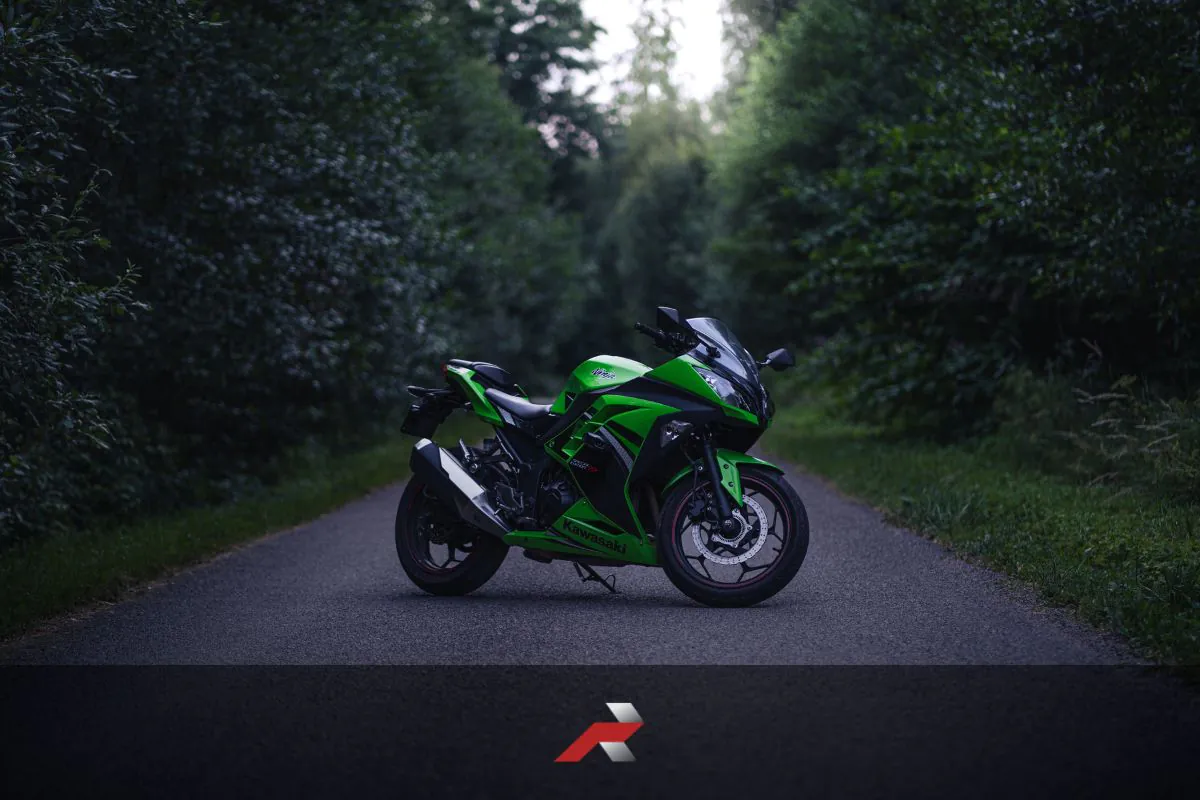
Annual maintenance budget breakdown Philippines riders should understand before buying or sustaining a big bike. This guide presents a realistic 12-month cost model for 400cc, 650cc, and 900cc motorcycles under Philippine riding conditions. It includes fuel, preventive maintenance services, tire replacement, brake components, chain wear, insurance, registration, gear amortization, and contingency allocation. Built for Filipino riders covering around 10,000 kilometers per year, this article separates showroom excitement from operational responsibility and helps you budget accurately for long-term ownership.
This annual maintenance budget breakdown Philippines guide excludes purchase price and financing. It focuses purely on annual operational sustainability and realistic recurring ownership cost.
Sales conversations focus on SRP, financing, and features.
Ownership reality begins after the first kilometer.
For riders covering around 10,000 kilometers per year under Philippine conditions, a realistic annual maintenance budget typically ranges between:
These figures include fuel, preventive maintenance services, tire replacement, brake wear, chain and sprocket allocation, insurance, registration, gear amortization, and contingency buffer.
This is not worst-case modeling.
This is responsible modeling.
If you have already reviewed the broader operational perspective in Real Cost of Owning a Big Bike in the Philippines, this article zooms in specifically on the yearly maintenance layer.
Clarity prevents unrealistic expectations.
This annual maintenance budget breakdown Philippines guide is built on realistic riding behavior under local conditions. Numbers without context are misleading. Before discussing costs, it is important to define the behavior pattern behind those costs.
Assumptions include:
These assumptions align with disciplined preventive care practices outlined in the Motorcycle Maintenance in the Philippines: A Real-World Guide for Riders, where long-term reliability is built through consistent habits rather than reactive repairs.
Without defining these assumptions, any cost breakdown becomes misleading.
This model assumes 10,000 kilometers of annual usage. For many Filipino riders, this is not aggressive riding. It reflects consistent ownership.
That distance typically includes daily commuting in urban traffic, weekend leisure rides, occasional provincial trips, and short spontaneous night rides. Riders who use their big bikes for both transportation and recreation often exceed this mileage during their first year because enthusiasm increases saddle time.
New owners frequently underestimate usage. The first few months feel light. Then weekend group rides become regular. Errands are done on two wheels. Office commutes replace car usage. Slowly, mileage accumulates faster than expected.
At 10,000 kilometers per year, the motorcycle averages about 830 kilometers per month. That equates to roughly 27 kilometers per day. In Metro Manila or nearby provinces, that is completely realistic.
If your riding pattern is lighter, your cost may decrease slightly. If your riding pattern is heavier, expect consumables to move faster. This baseline creates a responsible middle ground.
This breakdown assumes disciplined maintenance behavior.
Oil changes are done on schedule. Tires are replaced before reaching unsafe tread depth. Brake pads are changed before metal contact damages the rotor. Chains are cleaned and lubricated regularly. Fluids are monitored and replaced when required.
In reality, many riders delay maintenance to reduce short-term expense. The engine still runs. The tires still grip. The brakes still function. So the service is postponed.
However, delayed maintenance rarely eliminates cost. It shifts cost forward and often multiplies it. Worn brake pads damage discs. Neglected chains accelerate sprocket wear. Old oil increases engine stress. Bald tires increase risk and shorten replacement intervals.
Preventive discipline stabilizes annual budgeting. It spreads expense predictably instead of allowing sudden financial spikes.
This breakdown uses conservative Philippine pricing rather than lowest-possible estimates.
Labor is based on NCR and major city averages. Parts are assumed to be branded, not generic surplus. Tires are modeled using reputable options, not discounted clearance stock. Insurance is calculated at realistic coverage levels.
Some riders can reduce costs through DIY work or trusted independent mechanics. That is possible. However, modeling at the lowest possible number creates false confidence.
Conservative pricing ensures that when you set aside money monthly, you are not surprised by actual service bills. It protects ownership stability.
In budgeting, optimism creates stress. Conservative modeling creates peace of mind.
Fuel is predictable but relentless.
Assuming an average pump price of ₱65 per liter and 10,000 kilometers annually:
| Tier | Avg km/L | Liters Per Year | Estimated Annual Fuel Cost |
|---|---|---|---|
| 400cc | 20 km/L | 500 L | ₱32,500 |
| 650cc | 16 km/L | 625 L | ₱40,625 |
| 900cc | 13 km/L | 769 L | ₱49,985 |
Fuel alone represents one of the largest recurring costs in your annual maintenance budget.
Higher displacement increases fuel exposure significantly.
Fuel pricing volatility must also be considered. A ₱5 increase per liter can raise yearly cost by several thousand pesos.
Based on official fuel monitoring data from the Department of Energy Philippines, pump prices fluctuate weekly depending on global supply conditions and currency movements. Riders can monitor national fuel price updates through the Department of Energy’s regular fuel monitoring reports.
Preventive Maintenance Service is the structural backbone of any annual maintenance budget breakdown Philippines model. Without PMS, every other cost projection becomes unstable.
Most big bikes require oil and inspection services every 4,000 to 6,000 kilometers depending on manufacturer recommendations, riding conditions, and oil type used. In heavy Philippine traffic with heat and stop-and-go conditions, shorter intervals are common.
At 10,000 kilometers annually, expect at least two full PMS visits per year. Some riders may perform three if intervals are conservative or mileage exceeds projection.
Preventive maintenance is not optional servicing. It is the minimum operational cost required to keep the engine, drivetrain, and braking system functioning properly.
Skipping PMS reduces short-term expense. It increases long-term risk.
Philippine riding conditions are more demanding than many riders assume.
High ambient temperatures increase engine stress. Urban congestion reduces airflow. Frequent clutch use in traffic increases wear. Short rides prevent full operating temperature stabilization. Coastal humidity accelerates corrosion.
Because of this, local service intervals often fall on the lower end of manufacturer recommendations.
A rider who follows 4,000 to 5,000 kilometer oil change intervals instead of stretching to 6,000 is not being excessive. He is adapting to local climate reality.
This discipline stabilizes long-term engine performance and resale value.
Service intervals are determined by manufacturers and are outlined in official owner manuals. For example, Kawasaki publishes maintenance schedules for their motorcycles through their official global support page.
The following estimates reflect realistic dealer-level servicing in major Philippine cities. Independent shops may charge less. Premium dealerships may charge more.
| Tier | Estimated Per Service | Estimated Annual PMS |
|---|---|---|
| 400cc | ₱4,000 | ₱8,000 |
| 650cc | ₱5,500 | ₱11,000 |
| 900cc | ₱7,000 | ₱14,000 |
These numbers assume two services per year at 10,000 kilometers of usage.
Displacement affects cost because larger engines require more oil volume, larger oil filters, and sometimes more complex inspection procedures. Labor time also increases slightly with engine complexity.
A standard preventive maintenance service typically includes:
Oil is the primary recurring expense. Larger engines require higher oil volume. Some 400cc engines require around 2 liters. A 900cc engine may require 3.5 to 4 liters. Synthetic oil pricing compounds the difference.
Inspection checks may include brake wear assessment, coolant condition, throttle free play, clutch adjustment, and visible leak detection.
While these checks appear routine, they prevent cascading mechanical failure.
Many riders assume service cost scales evenly with displacement. It does not scale evenly, but it does intensify.
A 900cc engine produces more heat. It often uses higher performance oil. It may have dual radiators, more sensors, or additional components. Access panels may require more labor time.
Even small differences in oil volume, filter size, and labor time accumulate annually.
That is why annual PMS cost for a 900cc motorcycle is nearly double that of a 400cc entry-level bike.
Basic PMS covers oil and inspections. However, major services should be anticipated in long-term planning.
These include:
Valve clearance checks typically occur between 20,000 and 30,000 kilometers depending on the model. This service can range from ₱8,000 to ₱20,000 depending on complexity.
While not annual, it must be amortized mentally across ownership years.
Ignoring major service intervals protects cash flow temporarily. It harms mechanical reliability permanently.
Preventive maintenance is not only mechanical protection. It is financial protection.
A motorcycle with complete service records commands higher resale value. Buyers evaluate documentation. Service stamps matter. Receipts matter.
When selling after three years, documented maintenance can offset depreciation perception.
On the other hand, visible neglect reduces buyer confidence. It forces negotiation downward.
In the Philippine market, resale strength heavily depends on service transparency.
Within an annual maintenance budget breakdown Philippines projection, PMS is the most predictable recurring mechanical expense.
Fuel fluctuates monthly. Tires depend on riding aggression. Repairs are unpredictable.
But PMS is stable.
At 10,000 kilometers annually:
Divided monthly, that equates to approximately:
This framing reduces psychological shock during service visits.
When riders say “maintenance is expensive,” they often mean “maintenance was not budgeted monthly.”
Predictability eliminates that stress.
When calculating the real cost of owning a big bike in the Philippines, many discussions focus on fuel or tires.
However, preventive maintenance service is the foundation.
Without it:
Engine wear accelerates.
Fuel efficiency decreases.
Minor issues escalate.
Unexpected repairs multiply.
Preventive discipline keeps cost layered but controlled.
It transforms ownership from reactive spending into structured budgeting.
In long-term financial planning, PMS is not just maintenance.
It is risk management.
Tires are wear items. They are also the only contact point between your motorcycle and the road.
In any annual maintenance budget breakdown Philippines model, tires are not optional spending. They are a safety allocation.
Philippine road conditions accelerate tire degradation due to heat, stop-and-go traffic, rough asphalt, and frequent rain exposure. High surface temperatures soften compound rubber. Urban congestion increases braking cycles. Uneven pavement causes irregular wear. Wet conditions reduce tread life when compound is not suited for tropical climate.
For riders averaging 10,000 kilometers per year, a full set replacement annually is realistic, especially for sport or sport-touring tires.
| Tier | Estimated Tire Budget |
|---|---|
| 400cc | ₱12,000 |
| 650cc | ₱16,500 |
| 900cc | ₱21,000 |
Higher displacement motorcycles use wider tires with softer compounds. This increases grip but shortens lifespan and raises replacement cost.
Aggressive throttle use, heavy braking, and underinflation accelerate wear. Proper tire pressure and balanced riding habits extend usability but do not eliminate replacement cycles.
Tires are not an upgrade category in this budget. They are a safety requirement and one of the most important recurring costs in big bike ownership.
Tire condition plays a critical role in road safety. International safety organizations such as the National Highway Traffic Safety Administration (NHTSA) emphasize proper tire maintenance to prevent accidents and improve vehicle stability.
Brake pads typically last between 8,000 to 15,000 kilometers depending on riding style, terrain, and traffic density. In Metro Manila or other high-congestion areas, frequent braking shortens lifespan significantly. Urban riders may replace front pads annually, especially if daily commuting involves heavy stop-and-go traffic.
Hard braking, downhill riding, added passenger weight, and aggressive throttle use all increase pad wear. Riders who rely heavily on front braking will see faster consumption compared to those who balance front and rear usage properly.
Estimated annual allocation:
| Tier | Brake Budget |
|---|---|
| 400cc | ₱3,000 |
| 650cc | ₱4,500 |
| 900cc | ₱6,000 |
Higher displacement motorcycles often use dual front disc setups and larger calipers. Replacement costs rise accordingly.
Brake fluid should be replaced yearly to maintain consistent hydraulic performance. Brake fluid absorbs moisture over time, reducing boiling point and compromising braking stability. In humid Philippine conditions, this is even more critical.
Wet roads increase pad wear and heat cycling. Contaminated fluid or worn pads reduce stopping efficiency. In any annual maintenance budget breakdown Philippines model, brake components are safety priorities, not optional upgrades.
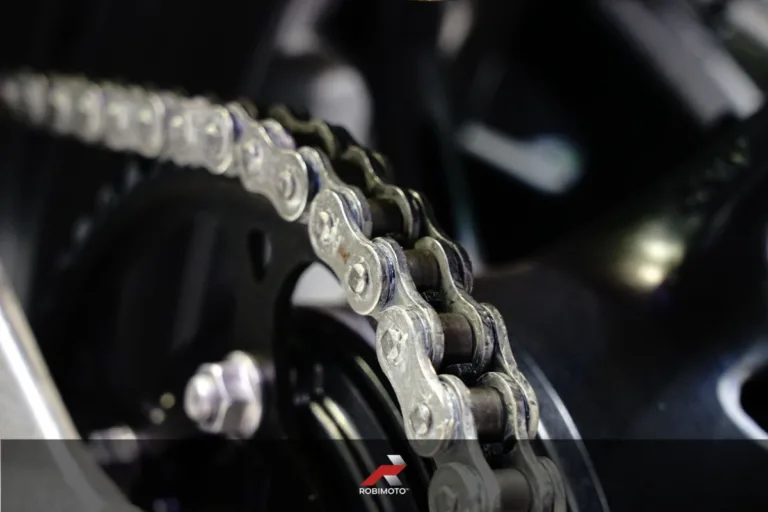
With proper care, chain and sprocket sets can last around 20,000 kilometers. However, that lifespan assumes consistent cleaning, correct tension, and proper lubrication intervals. In the Philippine climate, humidity, sudden rain exposure, and dusty roads accelerate wear more than many riders expect.
Stop-and-go traffic also increases stress on drivetrain components. Frequent acceleration loads the chain unevenly. Poor alignment or excessive slack shortens lifespan further. Small neglect compounds quickly.
At 10,000 kilometers per year, allocating an annualized budget prepares you for replacement within two years instead of treating it as an unexpected expense.
| Tier | Estimated Annual Allocation |
|---|---|
| 400cc | ₱3,500 |
| 650cc | ₱5,000 |
| 900cc | ₱6,000 |
Routine cleaning and lubrication reduce premature replacement. Proper tension adjustment prevents uneven sprocket wear. Replacing the chain before it stretches excessively protects the front and rear sprockets from damage.
Chain neglect multiplies long-term cost. A worn chain can damage sprocket teeth. Damaged sprockets accelerate wear on the next chain. The cycle becomes expensive.
In an annual maintenance budget breakdown Philippines riders follow, drivetrain allocation is preventive, not reactive.
Comprehensive motorcycle insurance in the Philippines typically ranges between 3% to 5% of declared value, depending on risk profile and provider. For reference, local insurers such as Standard Insurance publish motorcycle insurance offerings and coverage details through their official materials and policy documentation.
Estimated yearly premiums vary by displacement and declared value. Higher-tier motorcycles carry higher parts cost and theft risk, which directly affects premium computation.
| Tier | Estimated Insurance Cost |
|---|---|
| 400cc | ₱10,000 |
| 650cc | ₱15,000 |
| 900cc | ₱22,000 |
Insurance protects against theft, collision damage, and third-party liability. In urban areas where traffic density is high, accident probability increases. Repair costs for modern big bikes can escalate quickly due to imported parts and specialized labor.
Skipping insurance reduces visible yearly expense. However, it significantly increases financial exposure. A single accident or theft incident can exceed several years of premium payments.
In an annual maintenance budget breakdown Philippines riders should follow, insurance is not an upgrade. It is a risk management tool that protects long-term financial stability.
Annual LTO renewal and emission testing cost approximately ₱2,500 per year for most big bikes in the Philippines. While relatively small compared to fuel, tires, or insurance, registration and legal compliance play a critical role in responsible ownership.
Annual registration and compliance requirements are governed by the Land Transportation Office of the Philippines. Official guidelines and updates can be reviewed on the LTO website.
Keeping registration current protects ownership credibility, preserves resale value, and prevents avoidable penalties during checkpoints or enforcement operations. An updated OR/CR also simplifies insurance claims and transfer of ownership if you decide to sell.
Neglecting renewal may save money short term, but fines, impound risk, and administrative complications cost far more. Administrative discipline is not optional. It is part of sustainable and stress-free big bike ownership.
Helmets, jackets, gloves, and boots have lifespan limits and should be treated as consumable safety investments rather than one-time purchases. Heat, sweat, UV exposure, and daily use gradually weaken protective materials, especially in the Philippine climate.
A realistic annual allocation for replacement and incremental upgrades helps maintain protection standards without financial strain. Helmets typically require replacement every three to five years, while gloves and rain gear may wear out sooner with frequent commuting.
| Tier | Estimated Gear Allocation |
|---|---|
| 400cc | ₱10,000 |
| 650cc | ₱10,000 |
| 900cc | ₱12,000 |
Riders upgrading displacement often upgrade gear as well, increasing budget requirements. Safety equipment should never be excluded from annual budgeting. Protective gear preserves not just comfort and confidence, but long-term physical and financial security.
Unexpected issues are part of long-term ownership, even with disciplined maintenance. Electrical faults, battery replacement, minor sensor failures, and small labor adjustments can appear without warning, especially in humid Philippine conditions where corrosion and heat stress components.
An annual contingency allocation creates financial breathing room. Instead of reacting emotionally to sudden repairs, riders can respond calmly and responsibly. Higher displacement motorcycles typically carry higher parts and labor costs, which explains the increasing buffer per tier.
| Tier | Contingency |
|---|---|
| 400cc | ₱10,000 |
| 650cc | ₱15,000 |
| 900cc | ₱20,000 |
Without a contingency fund, even minor issues disrupt cash flow and create unnecessary stress. A buffer is not pessimism. It is financial maturity and risk management built into sustainable big bike ownership.
| Category | 400cc | 650cc | 900cc |
|---|---|---|---|
| Fuel | ₱32,500 | ₱40,625 | ₱49,985 |
| PMS | ₱8,000 | ₱11,000 | ₱14,000 |
| Tires | ₱12,000 | ₱16,500 | ₱21,000 |
| Brakes | ₱3,000 | ₱4,500 | ₱6,000 |
| Chain | ₱3,500 | ₱5,000 | ₱6,000 |
| Insurance | ₱10,000 | ₱15,000 | ₱22,000 |
| Registration | ₱2,500 | ₱2,500 | ₱2,500 |
| Gear | ₱10,000 | ₱10,000 | ₱12,000 |
| Contingency | ₱10,000 | ₱15,000 | ₱20,000 |
The annual maintenance budget summary shows the realistic cost of keeping a big bike healthy in Philippine conditions. These numbers are not luxury projections. They reflect disciplined ownership at 10,000 kilometers per year, including fuel, preventive maintenance, tires, brakes, chain care, insurance, registration, gear allocation, and contingency planning.
For 400cc motorcycles, an estimated ₱91,500 annually translates to roughly ₱7,625 per month. The 650cc tier increases that to about ₱10,010 per month. For 900cc motorcycles, the annual ₱153,485 budget equals around ₱12,790 monthly.
The jump between tiers is not just about fuel. Tire sizes increase. Insurance premiums rise. Consumables cost more. Labor rates for larger displacement engines are typically higher. Small differences compound over a full year.
These totals exclude purchase price because ownership sustainability is measured after acquisition. A motorcycle can be affordable to buy yet expensive to maintain. The real question is not whether you can purchase it. The real question is whether your monthly cash flow can comfortably support recurring operational costs.
When the annual maintenance budget fits naturally within your income structure, ownership becomes stable and enjoyable. When it stretches your finances, pressure builds over time.
These figures represent long-term operational clarity, not showroom excitement.
Dividing the annual maintenance budget by 12 gives a clearer financial picture. A 400cc motorcycle averaging ₱7,625 per month may initially feel manageable. A 650cc at ₱10,010 per month begins to resemble a small car payment. A 900cc at ₱12,790 per month demands stronger cash flow discipline.
Annual numbers feel distant and abstract. Monthly figures feel real. They align directly with salary cycles, household bills, and savings goals. Viewing ownership through a monthly lens prevents underestimation. It also helps riders assess whether maintenance fits comfortably within disposable income or competes with essential expenses.
Clarity improves decisions before pressure appears.
For riders covering around 10,000 kilometers per year, realistic budgeting prevents financial strain. Around ₱90,000 supports responsible 400cc ownership. Approximately ₱120,000 aligns with 650cc sustainability. Near ₱150,000 or more reflects the recurring reality of 900cc motorcycles.
These projections include fuel, scheduled maintenance, tires, brakes, chain allocation, insurance, registration, gear amortization, and contingency reserves. For a deeper breakdown of coverage types and how policy choices influence total ownership cost, review the Insurance Guide for Big Bikes PH: Complete Coverage, Cost Breakdown, and Risk Strategy for 400cc–900cc Motorcycles to understand how risk management fits into long-term budgeting.
They do not represent worst-case scenarios. They represent disciplined, preventive ownership.
Budgeting below these figures often means delayed maintenance or reduced contingency buffers. Budgeting within or above them allows ownership to remain stable, predictable, and stress-free over the long term.
Around ₱90,000 annually for riders covering 10,000 kilometers per year with proper preventive maintenance and insurance coverage.
Yes. Fuel, tire size, insurance premiums, and consumable pricing increase with displacement.
You can reduce mileage, maintain parts carefully, and choose reputable independent shops, but skipping preventive maintenance increases long-term cost.
Comprehensive insurance reduces financial exposure in case of accident or theft and is strongly recommended.
For daily commuters and weekend riders, yes. Many exceed this during their first year of ownership.
The annual maintenance budget breakdown Philippines riders must understand is not designed to discourage big bike ownership. It is designed to clarify it.
Clarity creates confidence.
Confidence creates sustainability.
Purchase price is temporary. It happens once.
Operational cost is recurring. It continues every year you ride.
Fuel refills do not stop.
Oil changes repeat.
Tires wear out.
Brake components thin.
Insurance renews.
Registration expires.
These are not surprises. They are patterns.
When recurring costs fit naturally within your budget, ownership stabilizes. Riding becomes relaxed rather than anxious. Maintenance stays on schedule. Critical safety components are replaced before failure becomes expensive.
When budgeting ignores recurring cost, stress eventually appears. Maintenance gets postponed. Tires stretch beyond safe tread. Insurance renewal feels heavy. Small problems grow into expensive repairs.
That is where ownership shifts from enjoyment to pressure.
Sustainable big bike ownership in the Philippines is not determined by engine displacement or horsepower figures. It is not measured by the size of the exhaust note, nor validated by social media approval. Instead, long term stability comes from consistent budgeting, preventive maintenance, and responsible decision making.
In the end, ownership is defined by discipline.
Discipline means following service intervals without delay.
It requires replacing wear items before failure.
A responsible owner also builds a contingency buffer for unexpected issues.
Above all, recurring expenses must be respected, not ignored.
A rider who plans annually rides confidently monthly.
The real question is not, “Can I buy this bike?”
The better question is, “Can I sustain this machine responsibly every year?”
When the answer is yes, ownership becomes freedom.
When the answer is uncertain, adjustment is wiser than impulse.
That is the real maintenance perspective.